
Stunning Waterfall Tours in Iceland



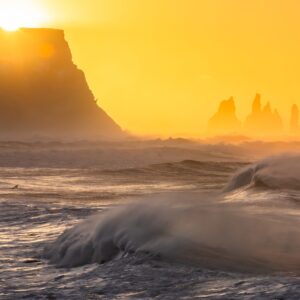
Learn More About Waterfall Trips in Iceland
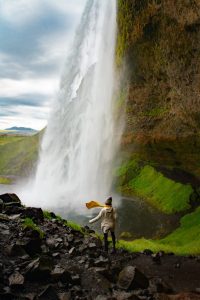 On a waterfall trip in Iceland, you’ll witness nature at its most powerful and most peaceful, depending on where you go and when you visit.
These trips take you to some of the most iconic waterfalls in the country, such as Gullfoss, Skógafoss, and Seljalandsfoss. But beyond the famous names, there are many hidden gems tucked away in valleys and along mountain roads that only locals know about. Some require a short hike, others are easy to reach by car, and all offer something unique in scale, setting, and atmosphere.
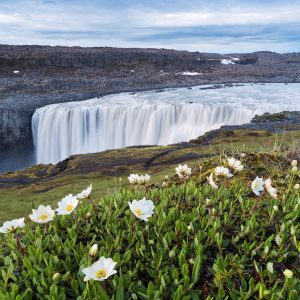
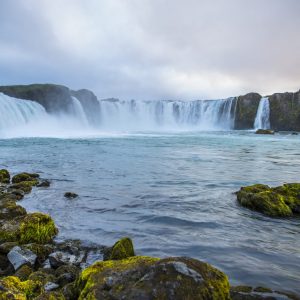
You’ll see how different each waterfall can be. Some crash down with thunderous force. Others gently flow over moss-covered rocks into clear rivers below. And when the sunlight hits just right, rainbows often appear in the spray, adding a magical touch that feels straight out of a fairytale.
Local guides bring these places to life with stories, geology, and personal insights. Many grew up visiting these falls on weekend drives or summer holidays. Guides know the best times to visit, when to avoid the crowds, and how to experience each location with respect and appreciation for the land.
So, whether you are looking for iconic photo opportunities or a quiet moment in nature, Iceland’s waterfall trips offer something for everyone. These tours are perfect for travelers who want to feel Iceland’s raw beauty and leave with memories that stay long after the journey ends.
From Our Backyard: Insider Tips, Culture & Adventure
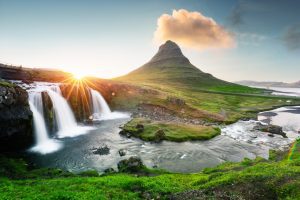
A Local Guide for Self-Drive Itinerary: 7, 10, and 14-Day Road Trips
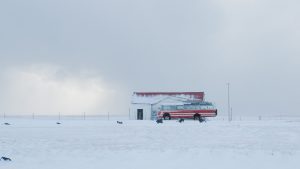
Winter Trip to Iceland: Arctic Experience, Ice Caves & Northern Lights
2026 Solar Eclipse in Iceland: Watching the Sky Change From One of the Wildest Places on Earth
Iceland Self-Drive Tours in June: Local Guide to Midnight Sun & Authentic Experience
Most Common Questions About Waterfall Trips in Iceland
What are the most famous waterfalls to visit in Iceland?
Some of Iceland’s most iconic waterfalls include Gullfoss in the Golden Circle, Seljalandsfoss and Skógafoss along the South Coast, and Dettifoss in the north. These waterfalls are popular stops on many guided day trips and multi-day tours.
Are there guided waterfall tours available in Iceland?
Yes, many local tour companies offer guided waterfall trips across Iceland. These range from half-day Golden Circle tours to full-day excursions, off-the-beaten-path hikes, and hidden waterfalls mainly known to locals.
Can I visit Iceland's waterfalls year-round?
Most major waterfalls are accessible all year, but conditions vary by season. Some trails may be icy in winter, while summer offers longer days and easier access to remote falls. Always check local safety conditions or go with a guide.
What should I wear on a waterfall trip in Iceland?
Waterproof clothing, sturdy hiking boots, and layers are essential. Many waterfalls (especially Skógafoss and Dettifoss) produce heavy mist, so waterproof jackets and dry bags are recommended.
Are there any hidden or lesser-known waterfalls worth visiting?
Yes, Iceland is full of hidden gems like Kvernufoss, Háifoss, Gjáin, and Bruarfoss. Many tours include stops at these lesser-visited spots, which offer a more intimate experience away from the crowds.
How long does a typical waterfall day trip in Iceland last?
Most full-day waterfall tours from Reykjavík last 8–10 hours and may include other natural attractions like geysers or black sand beaches. Shorter trips like Golden Circle tours are typically 6–8 hours.
Can I combine waterfall visits with other natural attractions?
Absolutely. Many itineraries include waterfalls alongside glaciers, volcanoes, geothermal springs, and lava fields. The Golden Circle and South Coast routes perfectly combine waterfalls with diverse landscapes.
Are Iceland's waterfalls accessible for families with kids?
Many major waterfalls, like Gullfoss and Seljalandsfoss, are accessible with minimal walking, making them suitable for families. However, some hidden or remote waterfalls may require longer hikes. Always check difficulty levels in advance.
Is it possible to hike behind a waterfall in Iceland?
Yes! Seljalandsfoss is famous for the path that leads behind the cascading water. Just be prepared to get wet and watch your footing, as it can be slippery.
What is the best time of year to visit Iceland's waterfalls?
Summer offers the easiest access and most daylight for exploring waterfalls. However, winter trips offer dramatic icy landscapes and fewer tourists. Just ensure roads are open and safe.
Are there photography tours focused on Icelandic waterfalls?
Yes, specialized photography tours are available that focus on capturing Iceland’s waterfalls in the best light. These tours include sunrise/sunset shoots, drone perspectives, and slow-shutter waterfall techniques with professional guidance.
Do I need to rent a car to see Iceland's waterfalls?
Not necessarily. Many excellent waterfall tours depart from Reykjavik and other towns, so you can explore without renting a car. However, self-drive options provide more flexibility if you’re comfortable driving Iceland’s roads.
What are the tallest and most powerful waterfalls in Iceland?
Glymur is one of Iceland’s tallest waterfalls, at nearly 200 meters, and requires a scenic hike to reach. Dettifoss, located in the north, is the most powerful waterfall in Europe, known for its raw, thundering force.
Are there eco-friendly or sustainable waterfall tours in Iceland?
Yes, several local companies prioritize sustainability by using electric vehicles, limiting group sizes, and following “Leave No Trace” principles. Booking with certified local guides helps preserve Iceland’s natural beauty.