What Is the Cheapest Way to Self-Drive in Iceland in 2026? Guide to Budget-Friendly Road Trips
If you want to experience Iceland’s landscapes at your own pace without spending more than necessary, a self-drive trip is still the mo...
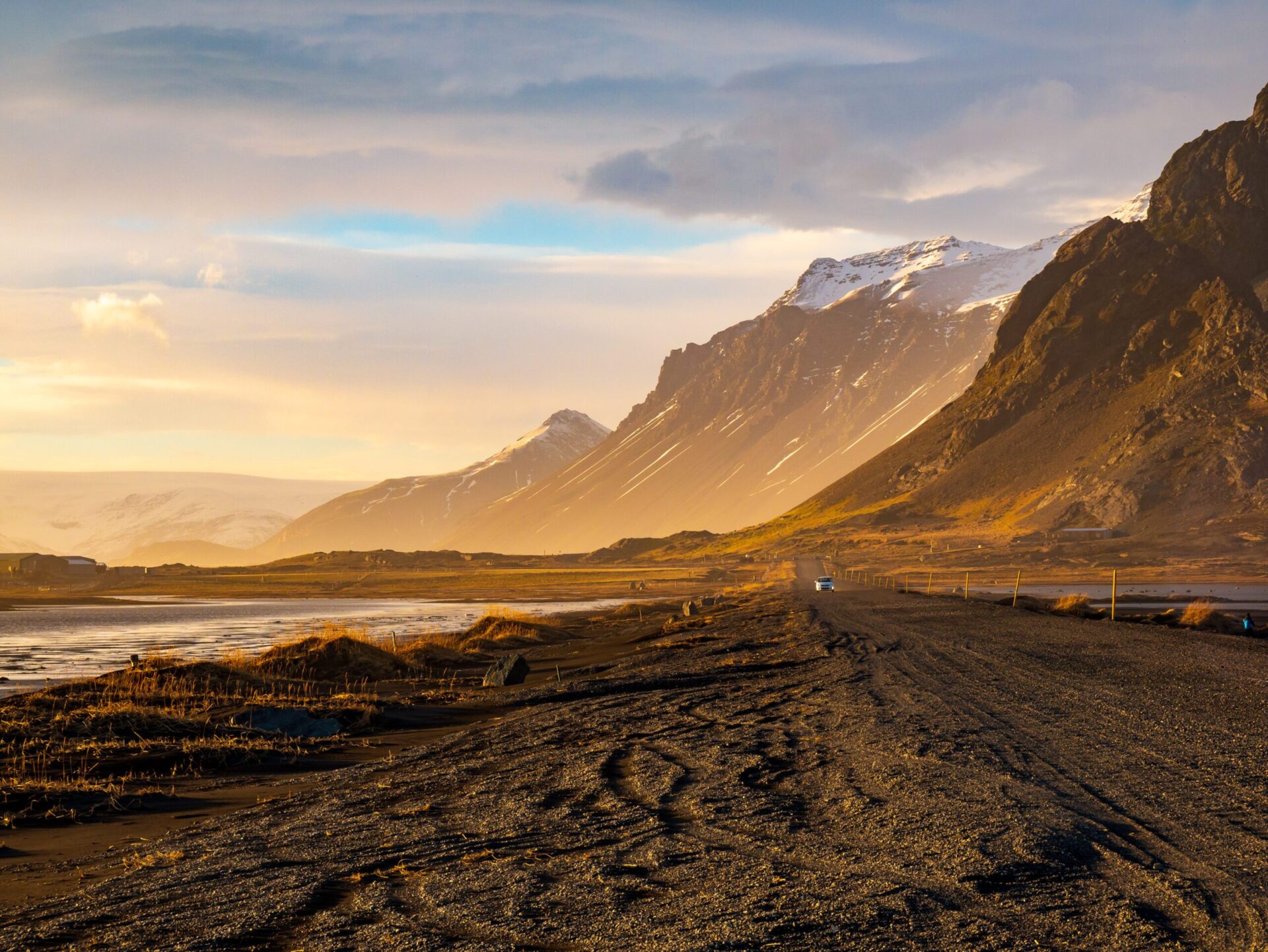
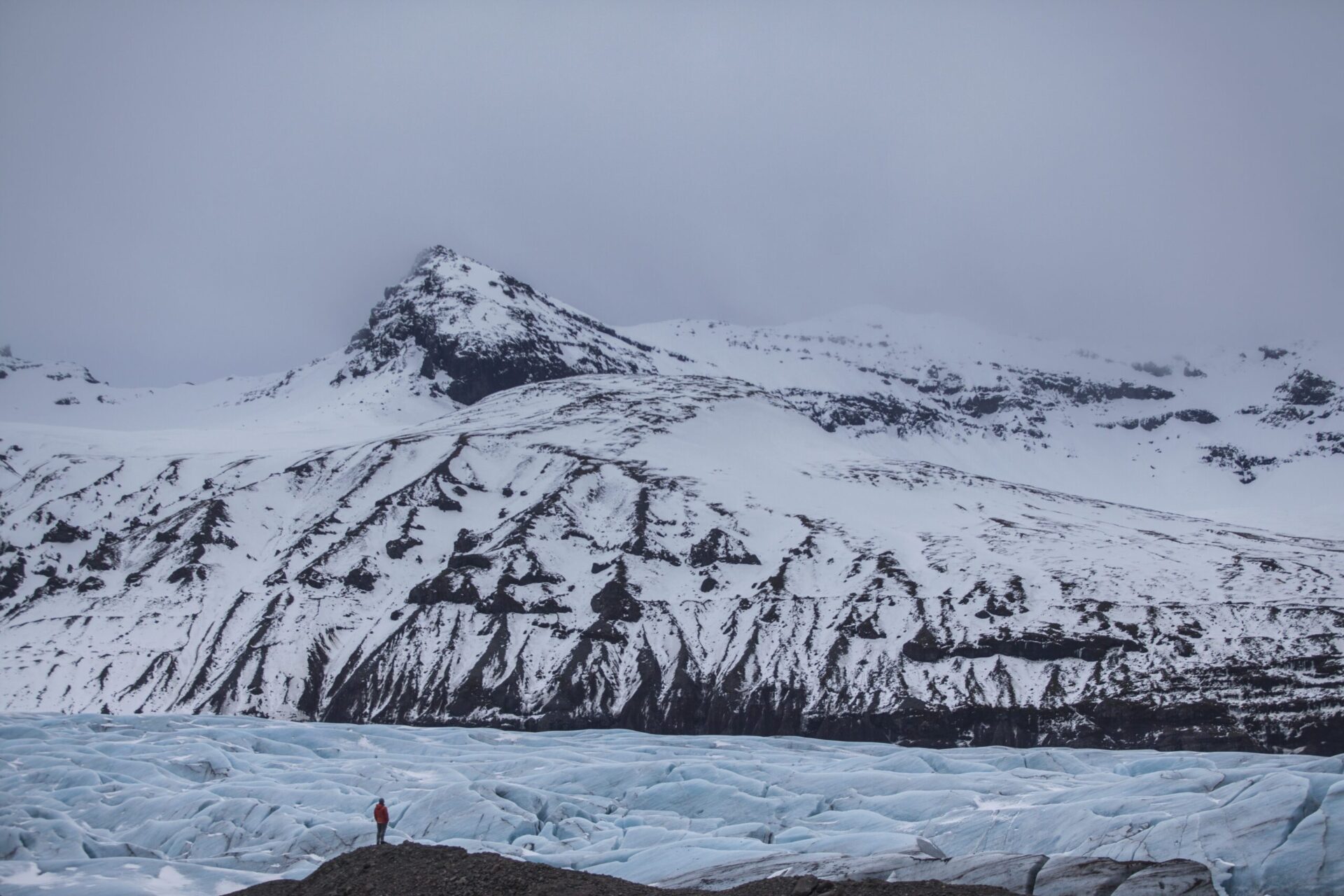
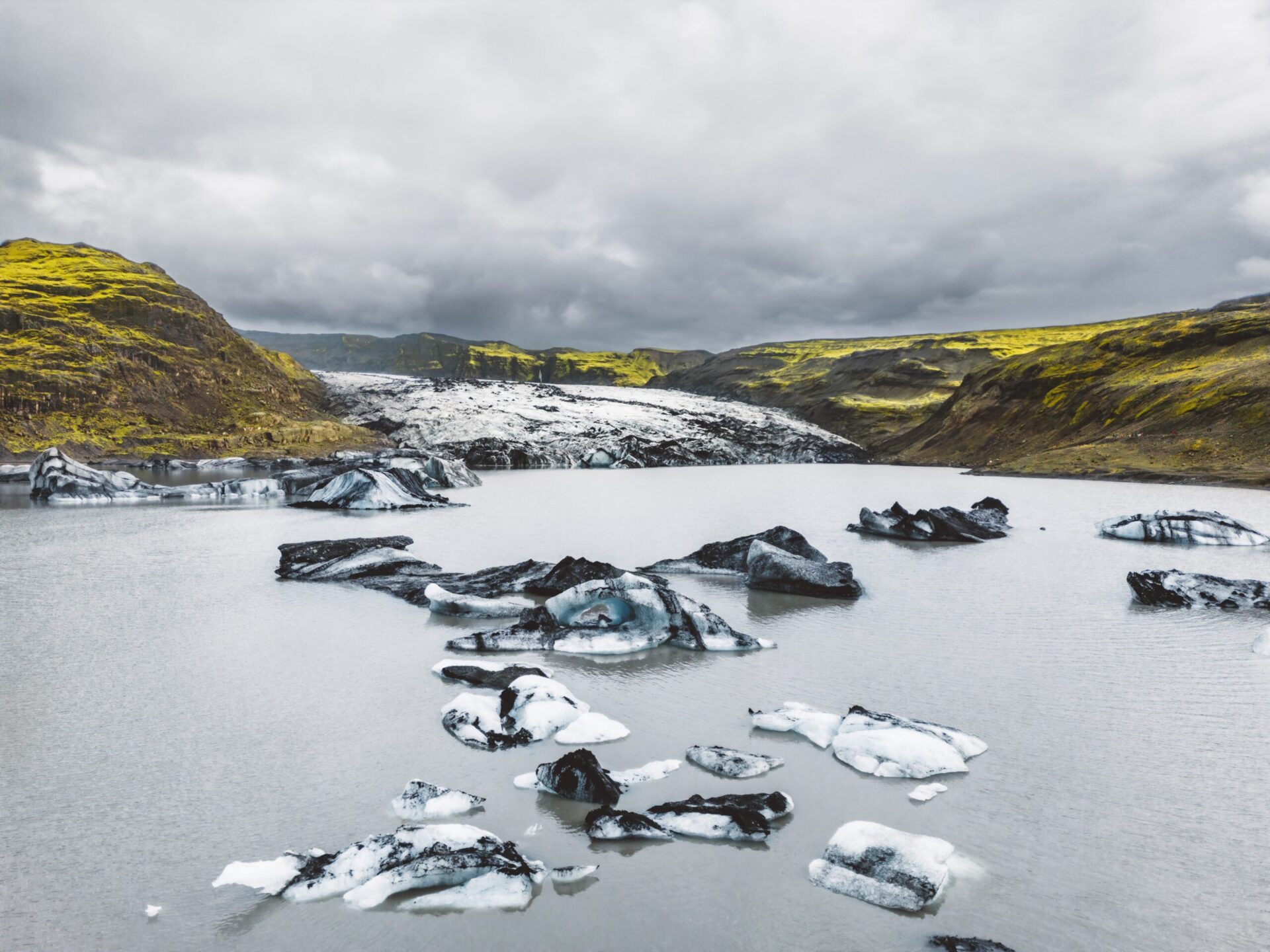
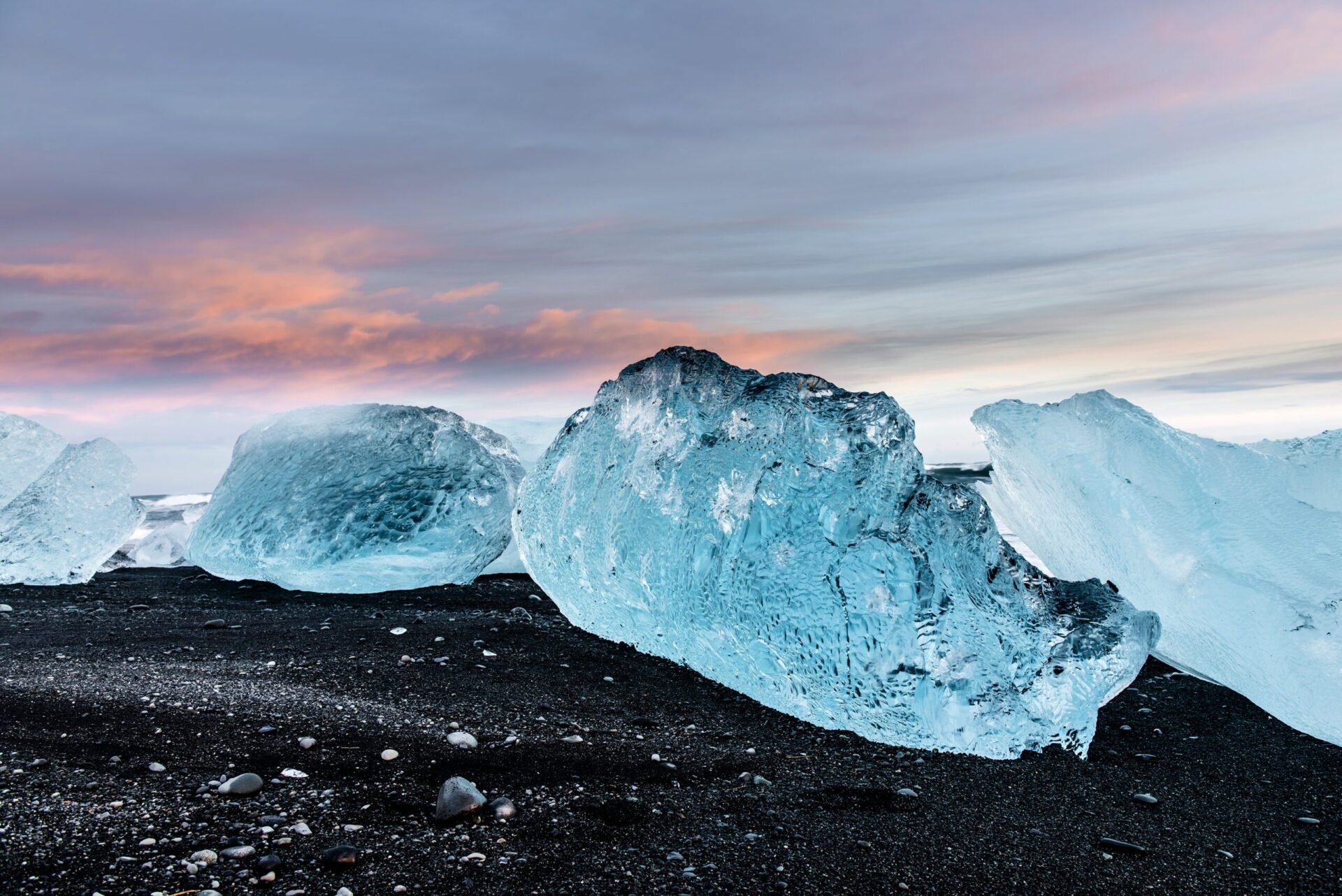
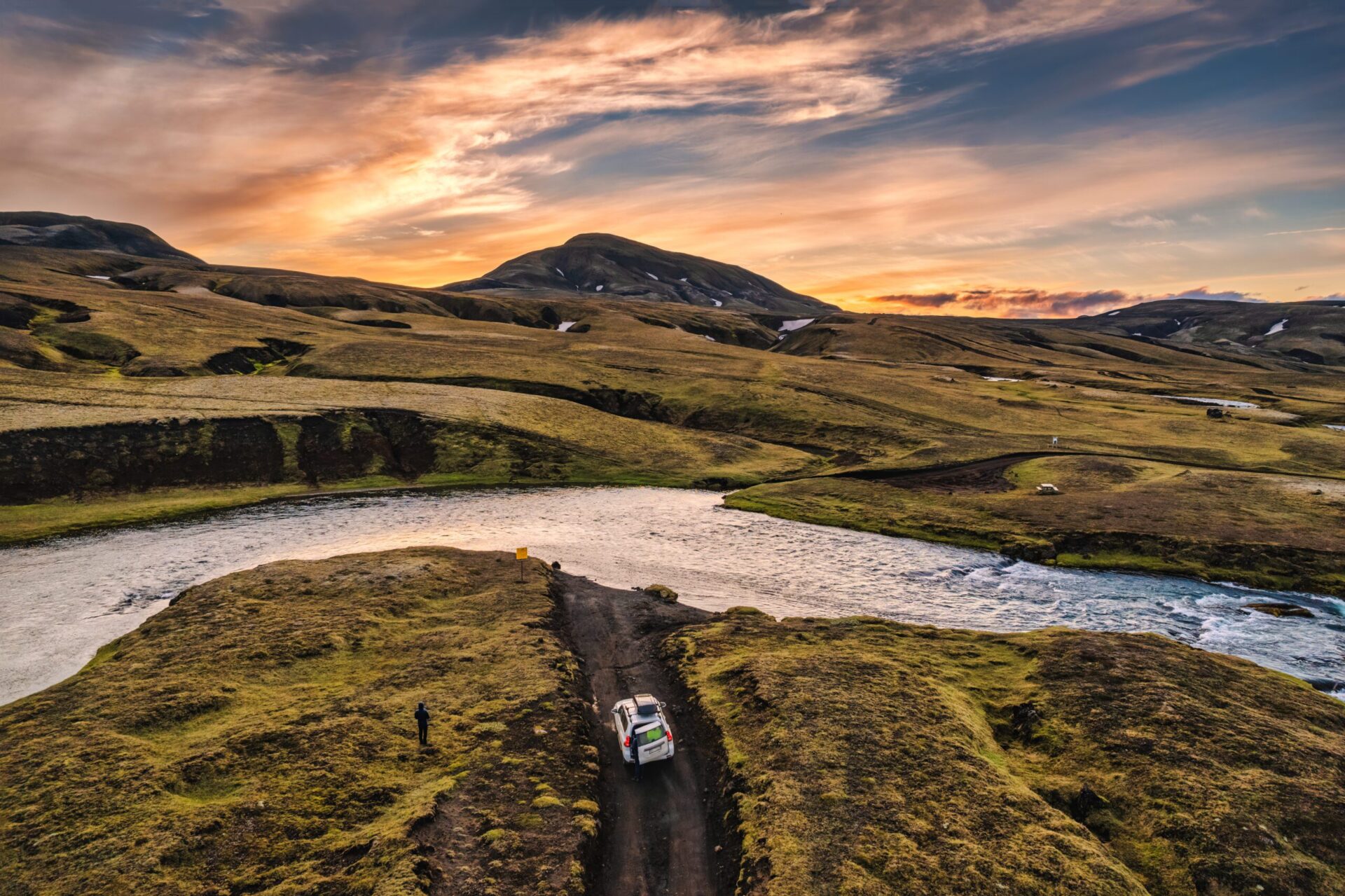
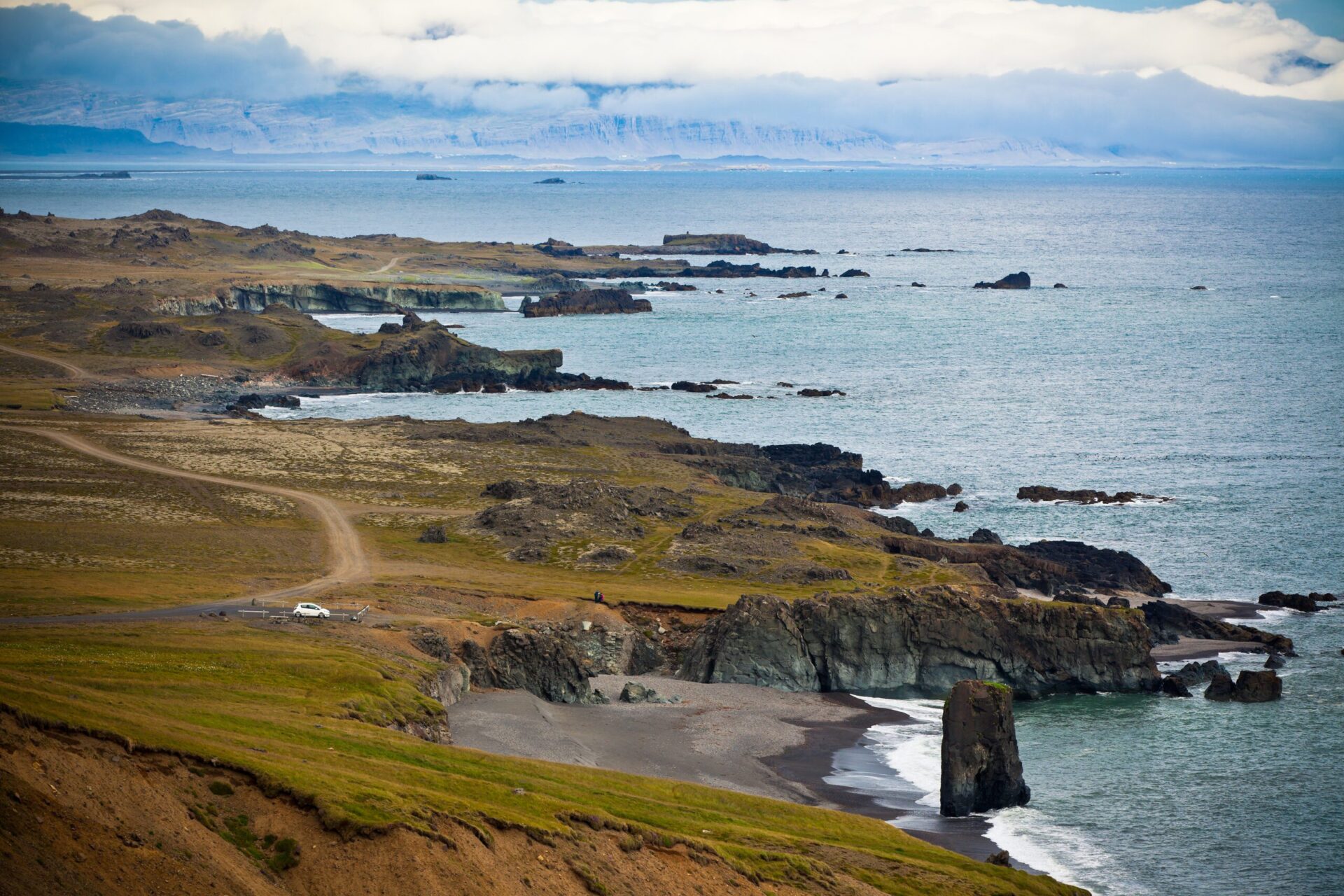

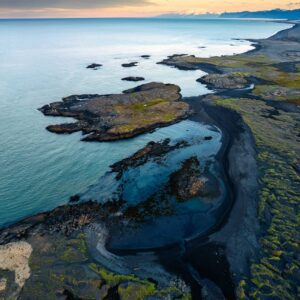
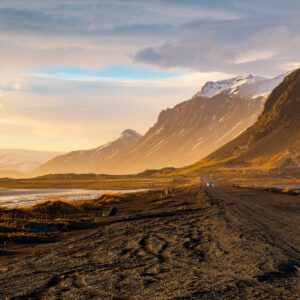
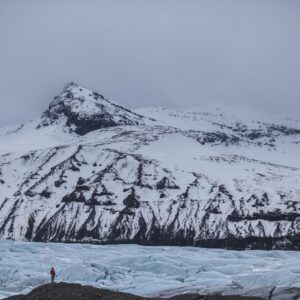
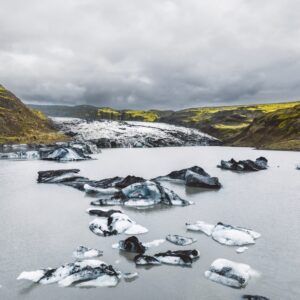
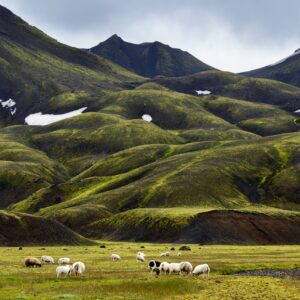
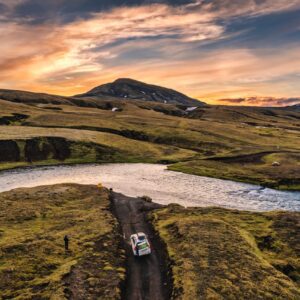
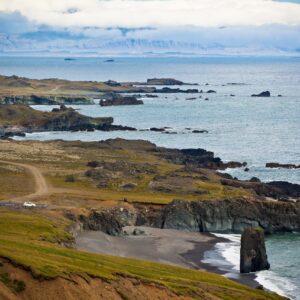
Set off on a once-in-a-lifetime, 15-day self-drive journey around Iceland, where dramatic landscapes, deep-rooted history, and hidden local treasures come together. This route offers the freedom to travel at your own pace, allowing you to slow down, breathe in the fresh Icelandic air, and take in the sights most visitors miss.
ID: INTSD14
Your adventure begins in Reykjavík, our lively capital city. Spend your first day soaking up the energy of downtown, strolling past colorful houses, modern architecture, and cozy cafés. As locals, we always recommend trying a hot dog from Bæjarins Beztu or walking along the harbor before hitting the road.
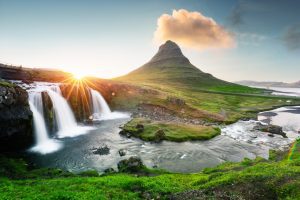
From Reykjavík, head west toward the Snæfellsnes Peninsula, famous for volcanoes, lava fields, glacier views, and quaint fishing villages. Don’t miss the magical Snæfellsjökull Glacier or the photogenic Kirkjufell, a favorite of photographers and locals alike.
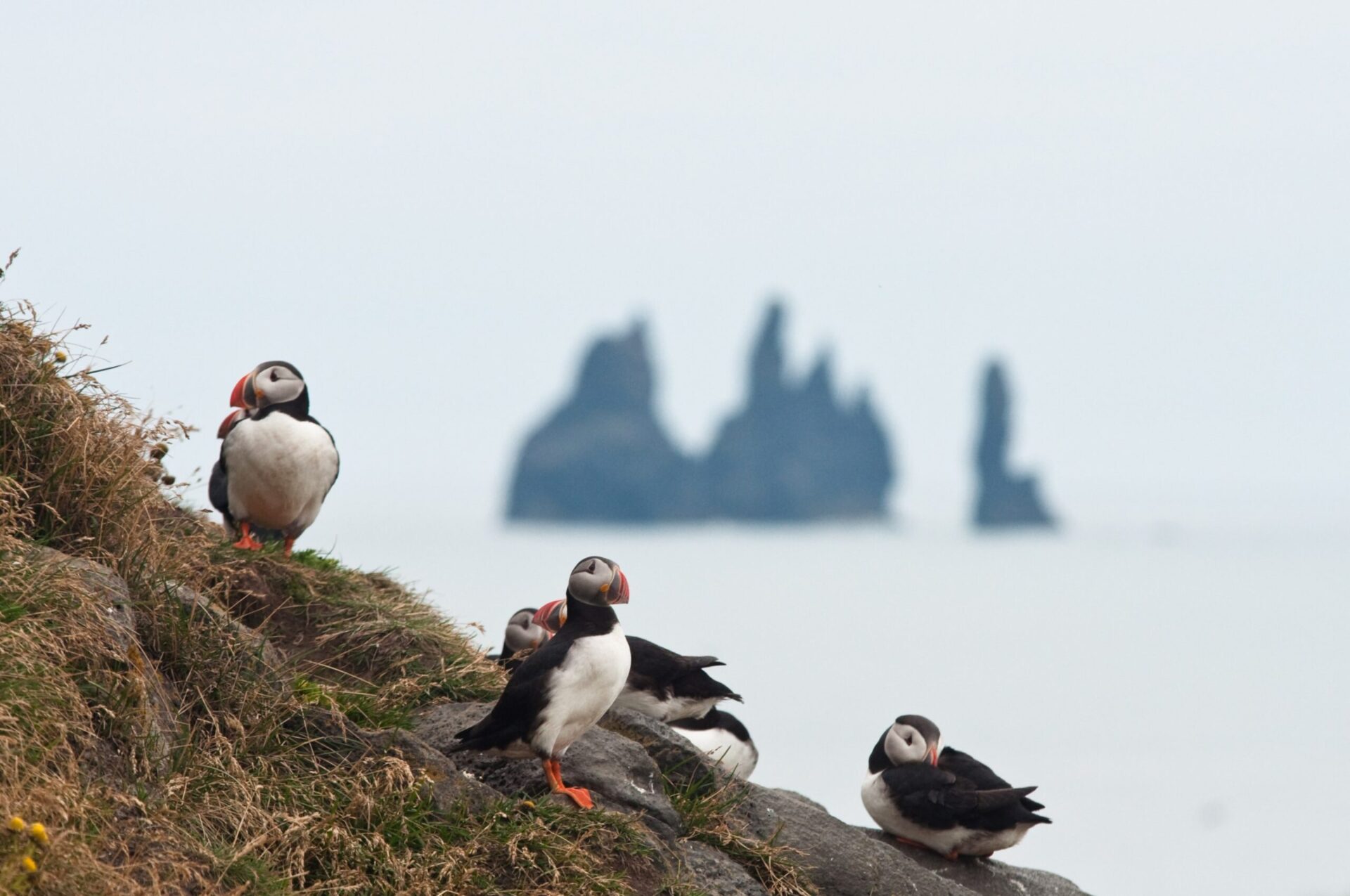
Next, your route takes you into the Westfjords, one of Iceland’s least-traveled but most spectacular regions. Start with Látrabjarg cliffs, a paradise for bird lovers and the best place in the country to see puffins up close. Continue to the charming town of Patreksfjörður and stop at Dynjandi, a waterfall so breathtaking it’s often described as a hidden giant of the Westfjords. Take your time winding through remote villages like Ísafjörður and Bolungarvík, where the landscape feels untouched and timeless.
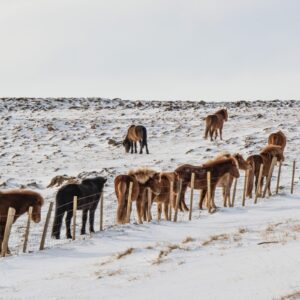
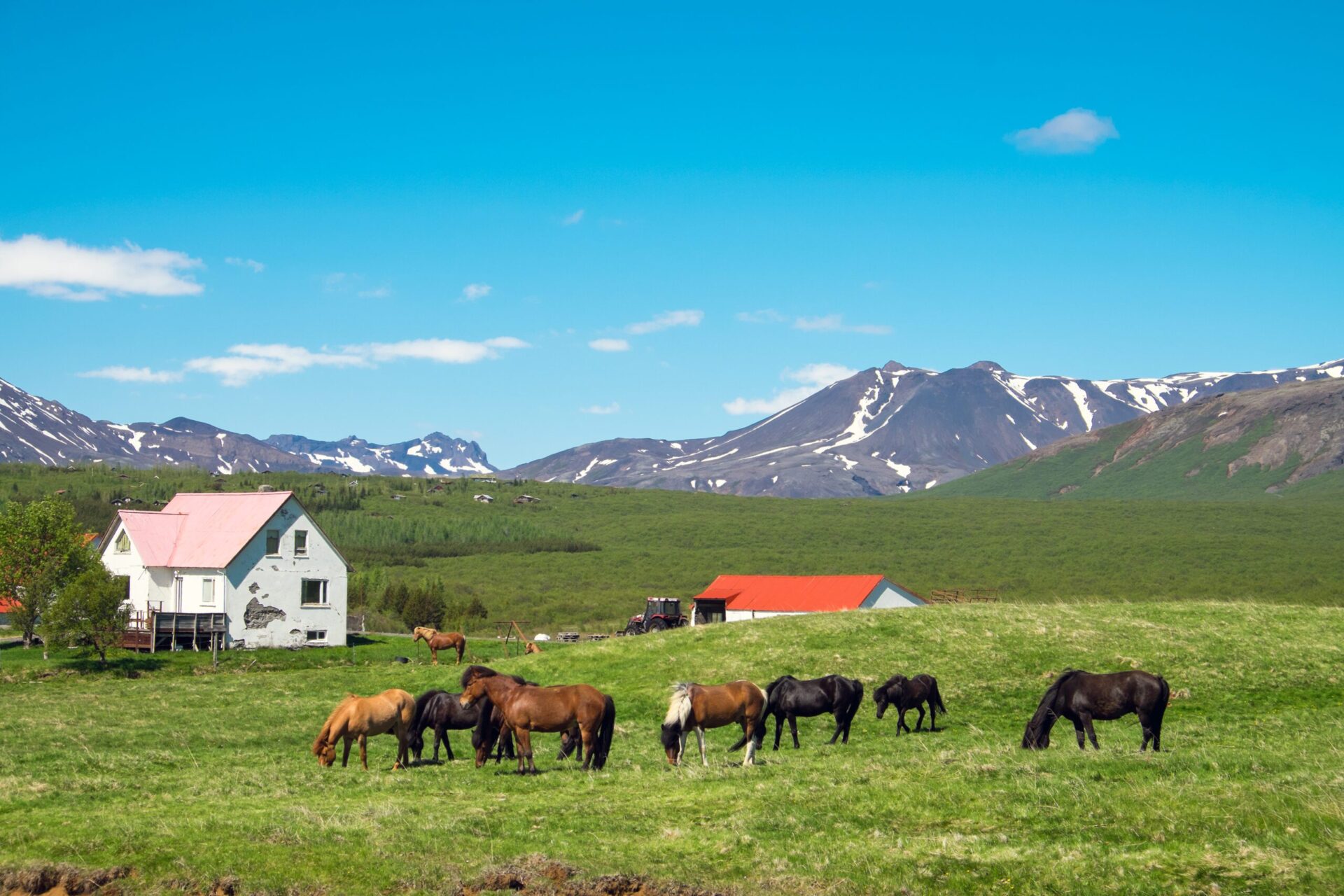
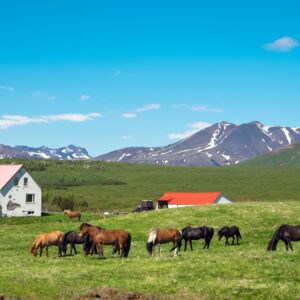
Heading south, visit Hólmavík, home to the fascinating Museum of Icelandic Sorcery and Witchcraft, which is a unique peek into our folklore and mystical traditions. Drive through Skagafjörður, where the Icelandic horse holds a special place in our history, and enjoy the peaceful fjord views stretching for miles.
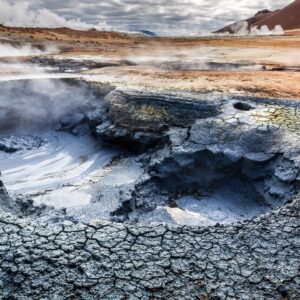
Soon, you’ll arrive in Akureyri, the “Capital of the North.” This charming town offers a more relaxed vibe, local art, botanical gardens, and some of the best ice cream in the country. Yes, even in winter! From there, venture to the Lake Mývatn region, a geothermal wonderland full of bubbling mud pots, steaming vents, and otherworldly rock formations.
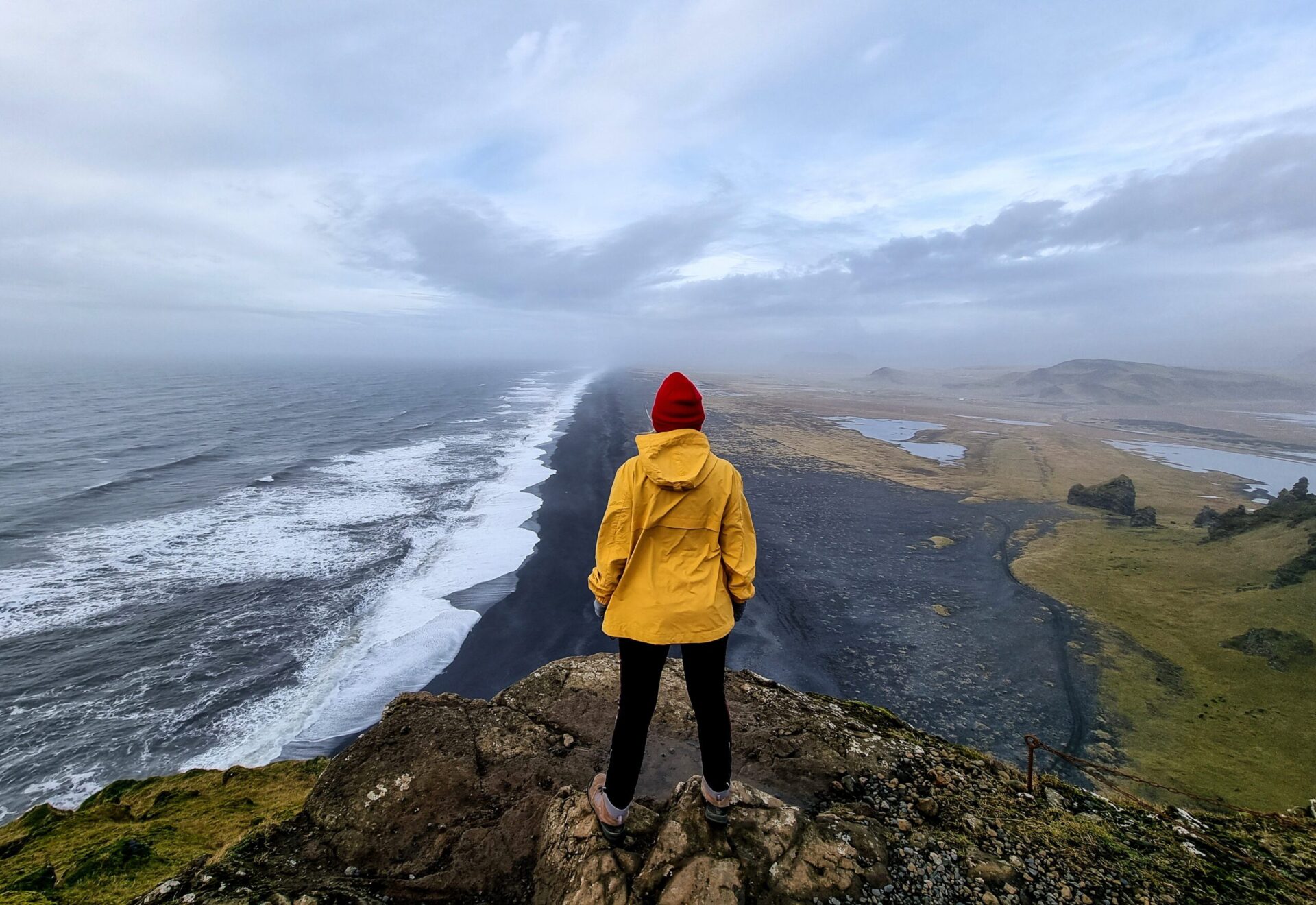
Continue eastward into the Eastfjords, a quiet, scenic part of Iceland where the mountains meet the sea. This region is full of small villages like Seyðisfjörður, known for its artsy vibe and rainbow-painted streets. Then, make your way to the South Coast, where Iceland’s most iconic sights await: the graceful Seljalandsfoss and powerful Skógafoss waterfalls, the jet-black sands of Reynisfjara Beach, and the dreamlike Jökulsárlón Glacier Lagoon.
Wrap up your journey back in Reykjavík, where you’ll have time to relax, shop for locally-made souvenirs, and perhaps soak in a geothermal spa before heading home.
This self-drive tour is designed to let you truly connect with Iceland, from the buzzing city streets to the silence of a fjord at sunset. With endless daylight in summer and the freedom of the open road, it’s a perfect way to experience the real Iceland, the way the locals know and love it.
Your Icelandic adventure begins when you land at Keflavík International Airport (KEF), just a 45-minute drive from Reykjavík. After collecting your rental car, you’ll head toward the capital, driving through a striking stretch of lava fields and coastal views, a quiet but dramatic welcome to the land of fire and ice.
Optional Stop: Blue Lagoon
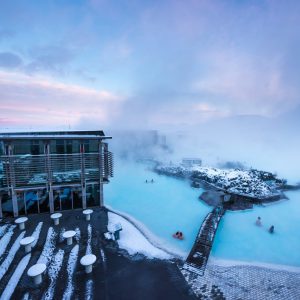
If you wish to start your trip with relaxation, a visit to the Blue Lagoon can be arranged. Entry must be reserved in advance. Located in a dramatic lava field near Grindavík, just 15 minutes from the airport, this world-famous geothermal spa is known for its milky-blue waters rich in silica, minerals, and algae. Bathing here is both soothing and rejuvenating, with the warm geothermal water and complementary white silica mud mask leaving skin feeling refreshed. The Blue Lagoon experience goes beyond a simple soak, with options to upgrade your ticket to include robes and slippers, enjoy an in-water massage, or unwind in the sauna and steam rooms. On site, you will also find the award-winning Lava Restaurant and a casual café for lighter meals.
Once in Reykjavík, settle in and take some time to explore the city at your own pace. Stroll through downtown, where locals mix with travelers in lively cafés, small galleries, and independent shops. The streets are full of color and character, from the murals on the walls to the sounds of live music spilling out from cozy venues.
Be sure to visit Hallgrímskirkja, Reykjavík’s most iconic landmark. Inspired by Iceland’s basalt columns, this unique church stands tall above the city and offers sweeping views from the top, perfect for getting your bearings.
As evening sets in, try one of the capital’s many restaurants. Fresh seafood is always a safe bet, whether Arctic char, langoustine, or plokkfiskur (a classic fish stew). Reykjavík’s food scene is built on local ingredients with a modern twist, and there’s something for every palate.
Overnight in Reykjavík. Accommodation at Fosshotel Rauðará or similar. Standard room with private facilities and breakfast included.
Today you leave Reykjavík and head west to explore the Snæfellsnes Peninsula. Within a single day, you encounter an incredible variety of landscapes shaped by volcanic forces, ocean winds, and centuries of fishing culture.
Driving along the southern side of the peninsula, the scenery opens up quickly. On one side, the perfectly shaped Eldborg crater rises from the flat lava plains, while on the other, volcanic mountains and craters dominate the horizon. A stop at Gerðuberg reveals a striking wall of tall, geometric basalt columns, one of Iceland’s finest examples of this natural phenomenon.
Nearby, you pass Ölkelda, the only natural mineral spring in the country, where you can safely taste mineral-rich water directly from the ground.
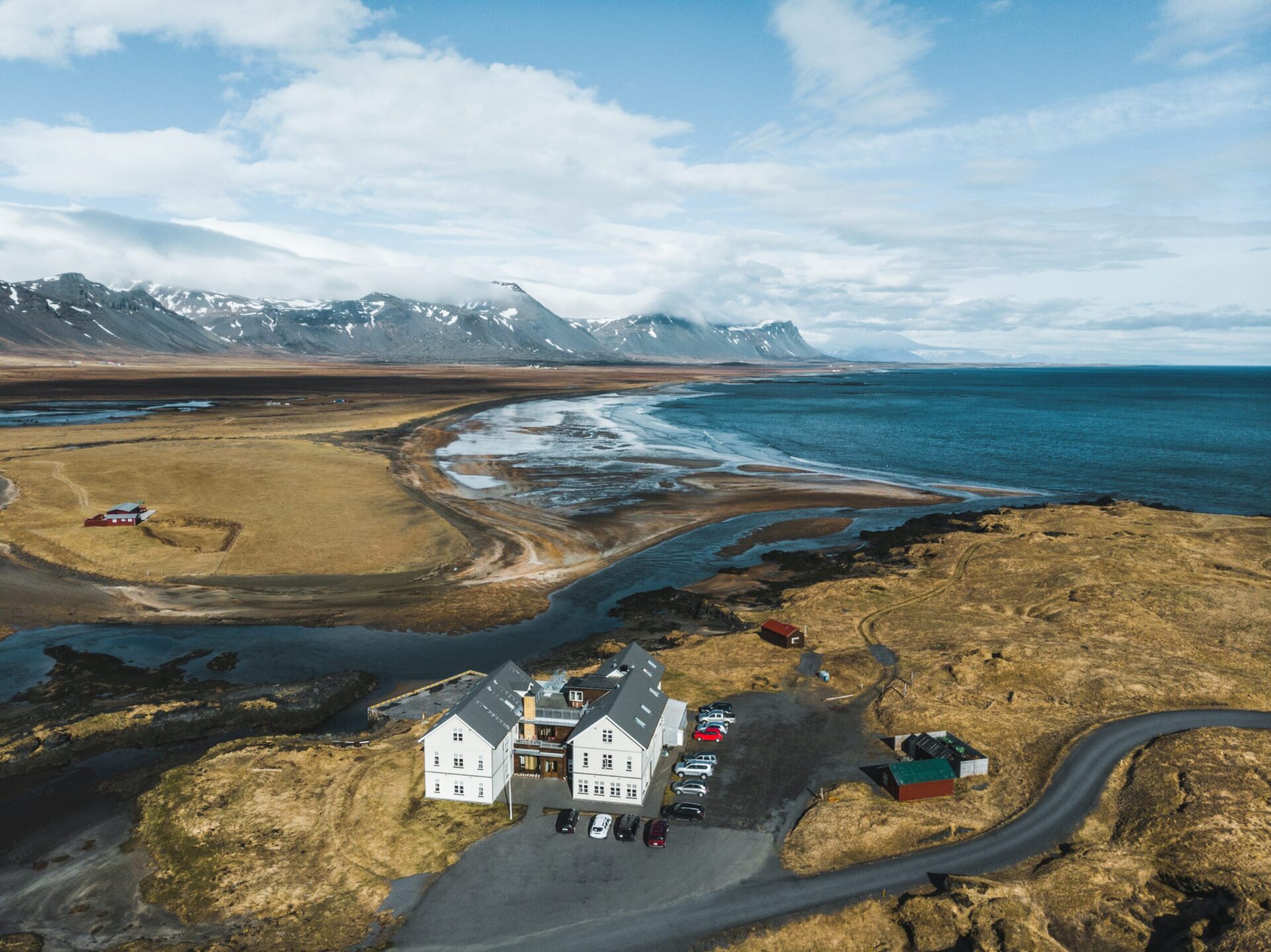
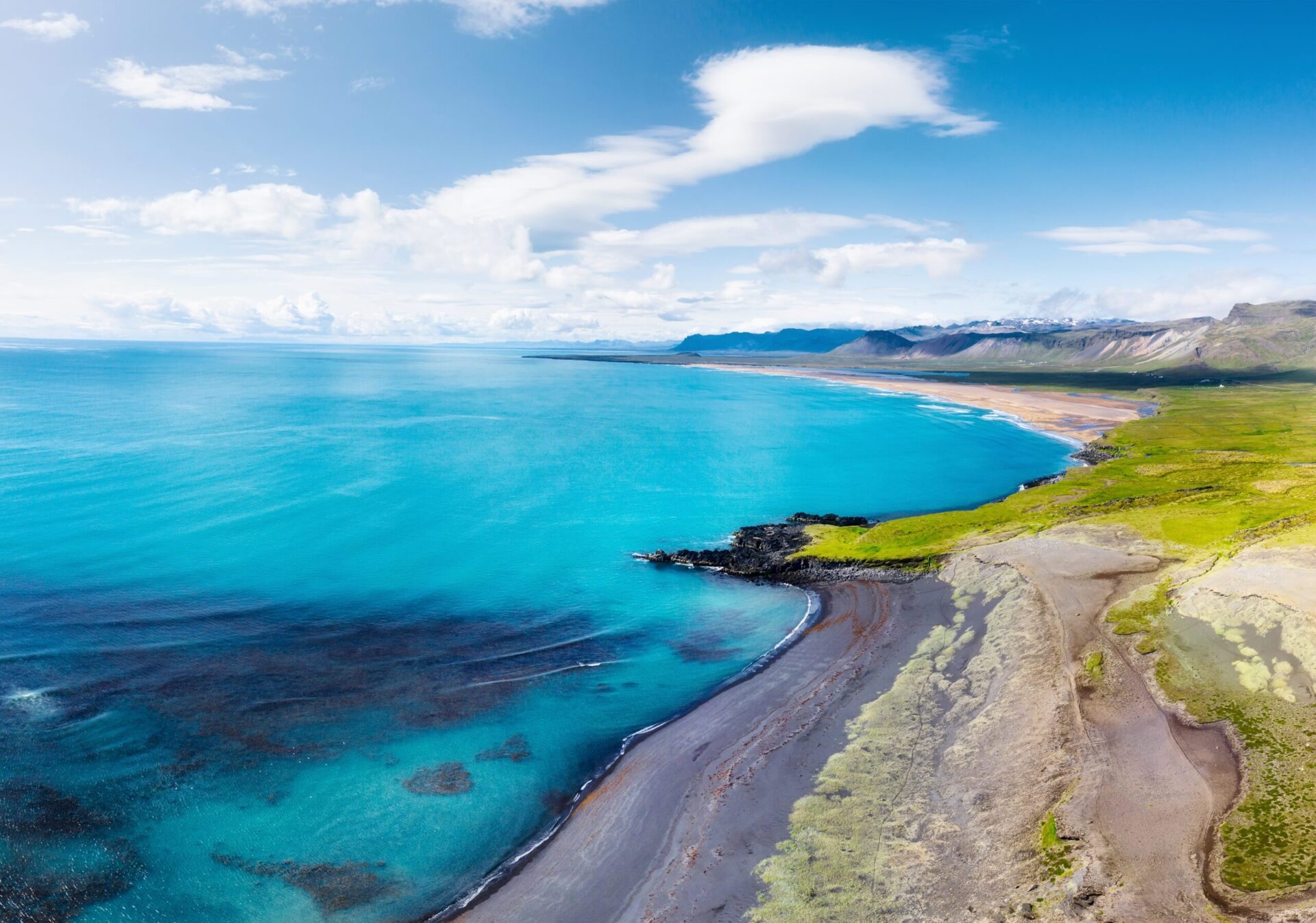
Continuing along the coast, visit Búðir, where a small black wooden church stands alone in the vast Búðahraun lava field. A short walk leads from the church to the shoreline, where red-tinted sand meets dark lava rock and the Atlantic Ocean.
Further west lies Arnarstapi, a coastal village known for its dramatic cliffs and abundant birdlife. A walk from the harbor along the cliff edge reveals impressive basalt formations carved by the sea. On clear days, the Snæfellsjökull glacier appears in the distance, adding to the dramatic setting. Both Arnarstapi and nearby Hellnar offer cafés and small restaurants, making them pleasant stops for lunch.
As you continue around the peninsula, the towering basalt sea stacks of Lóndrangar rise from the coastline, followed by the historic fishing sites of Dritvík and Djúpalónssandur. This black pebble beach was once a busy departure point for fishermen, and remnants of that harsh maritime past remain scattered along the shore.
Those interested in Iceland’s volcanic interior may choose to visit Vatnshellir lava cave, where a guided tour leads through a lava tube extending over 200 meters and descending roughly 35 meters below the surface.
In Hellissandur, you can stop at the maritime museum and enjoy one of the best viewpoints of Snæfellsjökull glacier, famously described by Jules Verne as the entrance to the center of the Earth. Along the drive, you may notice small waterfalls cascading down hillsides, sometimes drifting sideways in strong coastal winds.
The route continues through traditional fishing villages such as Ólafsvík, where whale watching tours are available in season, and Grundarfjörður. Nearby, Mount Kirkjufell and Kirkjufellsfoss waterfall create one of the most photographed scenes in West Iceland.
Before ending the day, you may wish to stop in Stykkishólmur, the largest town on the peninsula. From here, optional boat tours explore the many islands of Breiðafjörður, known for rich birdlife and calm waters.
Overnight on the Snæfellsnes Peninsula. Accommodation at Fosshotel Stykkishólmur or similar. Standard room with private facilities and breakfast included.
Today’s journey is a memorable mix of sea travel and dramatic Westfjords scenery. In the morning, you drive to Stykkishólmur harbor to board the Baldur ferry for the crossing of Breiðafjörður Bay. Sailings depart at 09:00 or 15:00, with boarding 30 minutes before departure.
The Baldur ferry offers a comfortable, scenic way to travel from the Snæfellsnes Peninsula to the Westfjords, arriving at Brjánslækur. This crossing significantly shortens the driving distance while providing a unique perspective of the bay, dotted with countless small islands.
Onboard facilities include WiFi and a café, making the journey relaxed and enjoyable as you glide across the water.
After disembarking at Brjánslækur, continue your drive through the remote landscapes of the southern Westfjords toward Látrabjarg. These cliffs mark the westernmost point of Iceland and are among the largest bird cliffs in Europe. Stretching for roughly 14 kilometers and rising to 441 meters above the ocean, Látrabjarg is an awe-inspiring sight.
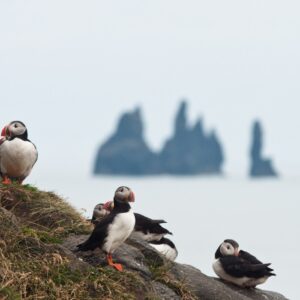
The cliffs are home to vast numbers of seabirds during the summer months, including puffins, razorbills, guillemots, and kittiwakes. Because the birds are safe from predators here, they are often remarkably unafraid of humans, allowing for exceptional close-up photography. Walking along the cliff edge is an unforgettable experience, but care is essential, as the ground can be fragile and the drops sheer.
After visiting Látrabjarg, continue to Patreksfjörður, a small fishing town nestled between steep mountains and the sea. The peaceful setting makes it an ideal place to rest after a day filled with striking nature and coastal views.
Overnight in the Patreksfjörður area, at Fosshotel Westfjords or similar. Standard room with private facilities and breakfast included.
Today you travel deeper into the heart of the Westfjords, following winding roads through dramatic fjords and mountain passes toward Ísafjörður. This is a day defined by vast scenery, powerful nature, and a sense of remoteness that many travelers consider the true spirit of Iceland.
Your route leads through Arnarfjörður, one of the largest and most striking fjords in the country. Steep mountains rise sharply from the sea, forming a dramatic backdrop of valleys and cliffs that have long inspired Icelandic artists, writers, and musicians. The fjord’s raw beauty and changing light make it a memorable stretch of the journey.
The main highlight of the day is Dynjandi waterfall, often described by locals as the crown jewel of the Westfjords. Unlike a single drop, Dynjandi is a series of cascading falls that fan out as they descend the mountainside, earning it the nickname Fjallfoss, or Mountain Falls. Visible from far across the fjord, the waterfall grows more impressive the closer you get. A well-marked walking path leads up alongside the falls, passing several smaller cascades before reaching the upper viewpoint. Taking your time here is highly recommended, as the views over Arnarfjörður become more rewarding with every step.
Continuing north, you cross scenic mountain passes that open up to sweeping panoramas of deep fjords and distant peaks before descending toward Ísafjörður, the main town and administrative center of the Westfjords.
Ísafjörður is the region’s cultural and activity hub and feels lively after the quiet roads of the fjords. The town sits on a narrow spit extending into Skutulsfjörður, surrounded by steep mountains and dark fjord waters. Its historic center features well-preserved wooden and tin-clad buildings dating back to the 18th century, when Ísafjörður was a thriving trading and fishing port. Today, it offers a welcoming mix of cafés, restaurants, and local life, making it an excellent base for exploring the region.
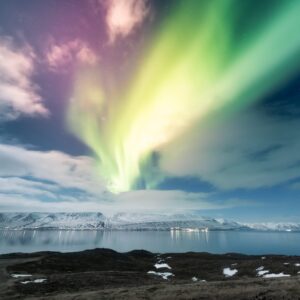
From September to March, Ísafjörður is also an excellent location for Northern Lights viewing, thanks to its northern position and minimal light pollution. Arriving by road or air is an experience in itself, as the landscape creates a feeling of reaching the edge of the world and settling into the slower rhythm of life in the fjords.
Overnight for two nights in Ísafjörður. Accommodation at Hotel Torg or similar. Standard room with private facilities and breakfast included.
Today’s journey is short in distance but rich in atmosphere. Leaving behind the colorful charm of Ísafjörður, the largest town in the Westfjords, you’ll make your way north to the fishing village of Bolungarvík. Though only a short drive, this stretch offers some of the most dramatic coastal scenery in the region.
As you wind along the road that hugs Ísafjarðardjúp, you’ll pass sheer cliffs, sweeping fjord views, and quiet inlets where seabirds glide and the stillness is only broken by the sound of the wind or the distant call of gulls. The mountains here rise straight from the sea, and on a clear day, the play of light and shadow across the water is something you won’t forget.
Before reaching Bolungarvík, it’s worth stopping at Ósvör, a restored 19th-century fishing outpost perched on the rocky shoreline just outside town. This small open-air museum gives a genuine glimpse into earlier generations’ tough, sea-driven life. You’ll see how fishermen once braved the North Atlantic in small rowing boats and used driftwood to build their shelters. This is a piece of living history, and it brings the region’s maritime heritage to life in a powerful way.
Once in Bolungarvík, take some time to walk around and soak in the village’s stillness. Framed by towering peaks and the open ocean, it feels far removed from the rush of the modern world. You can visit the Bolungarvík Maritime Museum, which offers insight into the community’s longstanding connection to fishing, still a central part of life here.
Today you leave Ísafjörður and begin the journey south, passing through one of the most remote and least visited regions of Iceland. The Westfjords are where Iceland’s landscapes feel at their wildest, with dramatic contrasts between jagged bird cliffs, quiet beaches, deep fjords, and towering mountains. Tourism thins out here, and the road reveals a slower pace of life shaped by isolation, weather, and tradition.
The drive follows winding coastal roads with sweeping views over fjords and open sea, occasionally climbing over mountain passes that reward you with vast panoramas. Small fishing villages appear along the way, many of them unchanged for generations, offering a glimpse into everyday life in one of Iceland’s most secluded areas.
One of the key stops today is Hólmavík, a small and welcoming fishing village set along Steingrímsfjörður on the Strandir coast. This eastern edge of the Westfjords is known for its haunting beauty, sparse population, and strong sense of mystery. The surrounding landscape feels untouched, with open spaces, shifting light, and a deep connection to folklore and history.
Hólmavík is closely associated with Iceland’s history of sorcery and witchcraft. During the 17th century, this region gained a dark reputation for witchcraft and other magical practices. A visit to the Museum of Icelandic Sorcery and Witchcraft brings these stories to life, shedding light on the beliefs and tragedies of the time. Nearby, in Bjarnarfjörður, the reconstructed Sorcerer’s Cottage offers insight into how people once lived during the era of magic and witch hunts.
Continuing south, the landscape gradually opens up as you leave the fjords behind. Panoramic views accompany you back toward the Ring Road, marking the transition from the remote Westfjords to northern Iceland.
Overnight near Laugarbakki. Accommodation at Hotel Laugarbakki or similar. Standard room with private facilities and breakfast included.
Today’s route combines wildlife, folklore, history, and coastal scenery as you travel from Laugarbakki through the Vatnsnes Peninsula and onward to North Iceland’s northernmost town, Siglufjörður.
Your first highlight is the Vatnsnes Peninsula, a quiet and atmospheric region known for its rich wildlife and vast open landscapes. Vatnsnes is home to Iceland’s most accessible seal habitats, where common seals are often seen resting along the shoreline. Excellent seal-watching viewpoints can be found at Illugastaðir, Svalbarð, and Ósar, offering close-up views in natural surroundings.
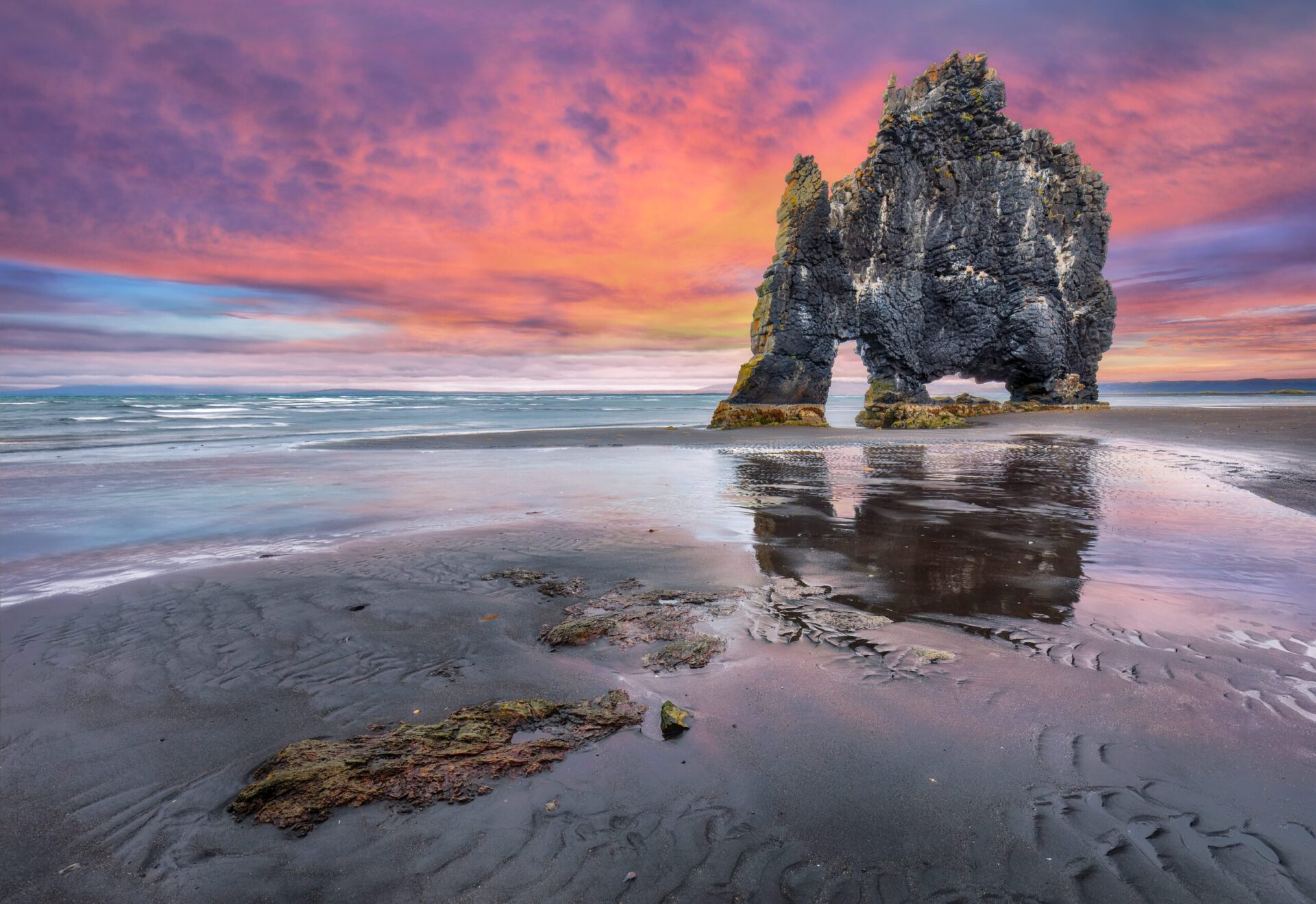
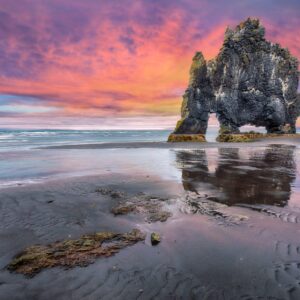
Beyond wildlife, Vatnsnes is dotted with striking natural landmarks and historic sites. One of the most famous is Hvítserkur, a 15-meter-high basalt monolith rising dramatically from the sea. Over centuries, wind and waves have sculpted the rock into a distinctive shape. According to local legend, Hvítserkur was once a troll turned to stone by the sunrise while attempting to destroy a nearby monastery.
Another notable site is Borgarvirki, a naturally formed basalt fortress that was later adapted as a medieval defensive structure.
The circular route around Vatnsnes is approximately 90 kilometers long and is primarily a gravel road, passable year-round. Along the way, you may wish to take a short detour to Kolugljúfur canyon, where the Kolufossar waterfalls cascade through a narrow gorge steeped in local folklore.
Continuing east, pass through Blönduós and Varmahlíð. If time allows, a visit to Glaumbær turf farm is highly recommended. This historic site offers insight into traditional Icelandic farm life, with preserved turf houses that reflect centuries of rural living.
From here, drive toward the coastal village of Hofsós, home to one of Iceland’s most scenic swimming pools. Built into the hillside above the sea and designed by the same architect behind the Blue Lagoon, the Hofsós pool offers breathtaking views toward Drangey island.
Swimming in the warm geothermal water gives the impression of floating at the ocean’s edge, surrounded by layers of blue from sea, sky, and distant mountains.
The journey continues north along the Tröllaskagi Peninsula to Siglufjörður. With a population of around 1,300, this colorful town is the northernmost on mainland Iceland. Set between steep mountains and the sea, Siglufjörður is especially inviting in summer, offering excellent hiking opportunities and a peaceful coastal atmosphere.
Siglufjörður is also known for its rich cultural heritage. The award-winning Herring Era Museum, the largest marine and industrial museum in Europe, tells the story of the herring boom that once transformed the town into a thriving industrial center. The Folk Music Centre further highlights the town’s strong artistic traditions.
Overnight in Siglufjörður. Accommodation at Hotel Sigló or similar. Standard room with private facilities and breakfast included.
Today you travel from the northern coast back toward the volcanic heart of North Iceland, combining a city visit with one of the country’s most iconic waterfalls before reaching Lake Mývatn.
Leaving Siglufjörður, you drive south through the mountain scenery of the Tröllaskagi Peninsula and continue to Akureyri. With a population of around 19,000, Akureyri offers a lively cultural scene while remaining calm and easy to navigate. Brightly painted wooden houses line the steep streets that slope toward the harbor, and the compact town center makes exploring on foot enjoyable and straightforward. Even the traffic lights reflect the town’s character, with heart-shaped red signals that have become a local symbol.
Akureyri is home to a wide range of attractions and activities. Visitors can explore museums, stroll through the world’s northernmost botanical garden, relax at one of Iceland’s most popular swimming pools, or enjoy the surrounding hiking trails. Despite its cultural offerings, nature is never far away, with fjords, mountains, and green spaces shaping everyday life in the town.
From Akureyri, continue east along the Ring Road to Goðafoss, one of Iceland’s most beloved waterfalls. Known as the Waterfall of the Gods, Goðafoss stretches roughly 30 meters wide and drops 12 meters into a broad, curved canyon. According to Icelandic history, when Christianity became the official religion around the year 1000, the lawspeaker Þorgeir Ljósvetningagoði cast statues of the old Norse gods into the falls, giving the waterfall its enduring name and symbolic importance.
After visiting Goðafoss, continue onward to the Lake Mývatn area, where volcanic landscapes, geothermal activity, and rich birdlife define the surroundings. This region offers a striking contrast to the fjords and coastlines of previous days.
Overnight for 2 nights in the Mývatn area. Accommodation at Fosshotel Mývatn or similar. Standard room with private facilities and breakfast included.
This day is dedicated to fully experiencing the extraordinary landscapes and geothermal wonders of the Lake Mývatn region, one of Iceland’s most geologically active and diverse areas. This compact region offers an impressive concentration of volcanic features, lava formations, steaming geothermal fields, and peaceful lakeside scenery.
A highlight of the day can be an optional visit to the Earth Lagoon, a geothermal bathing area located just off the Ring Road in North Iceland. Here you can soak in warm, mineral-rich waters while enjoying expansive views across the volcanic landscape. The water temperature ranges from approximately 36 to 40°C and is known for its beneficial effects on the skin.
Beyond the baths, spend time exploring Lake Mývatn itself. The lake is surrounded by a striking contrast of landscapes, with rugged lava fields on one side and green pastures on the other. The area is rich in birdlife and offers countless opportunities for short walks and scenic stops.
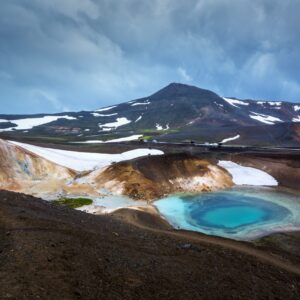
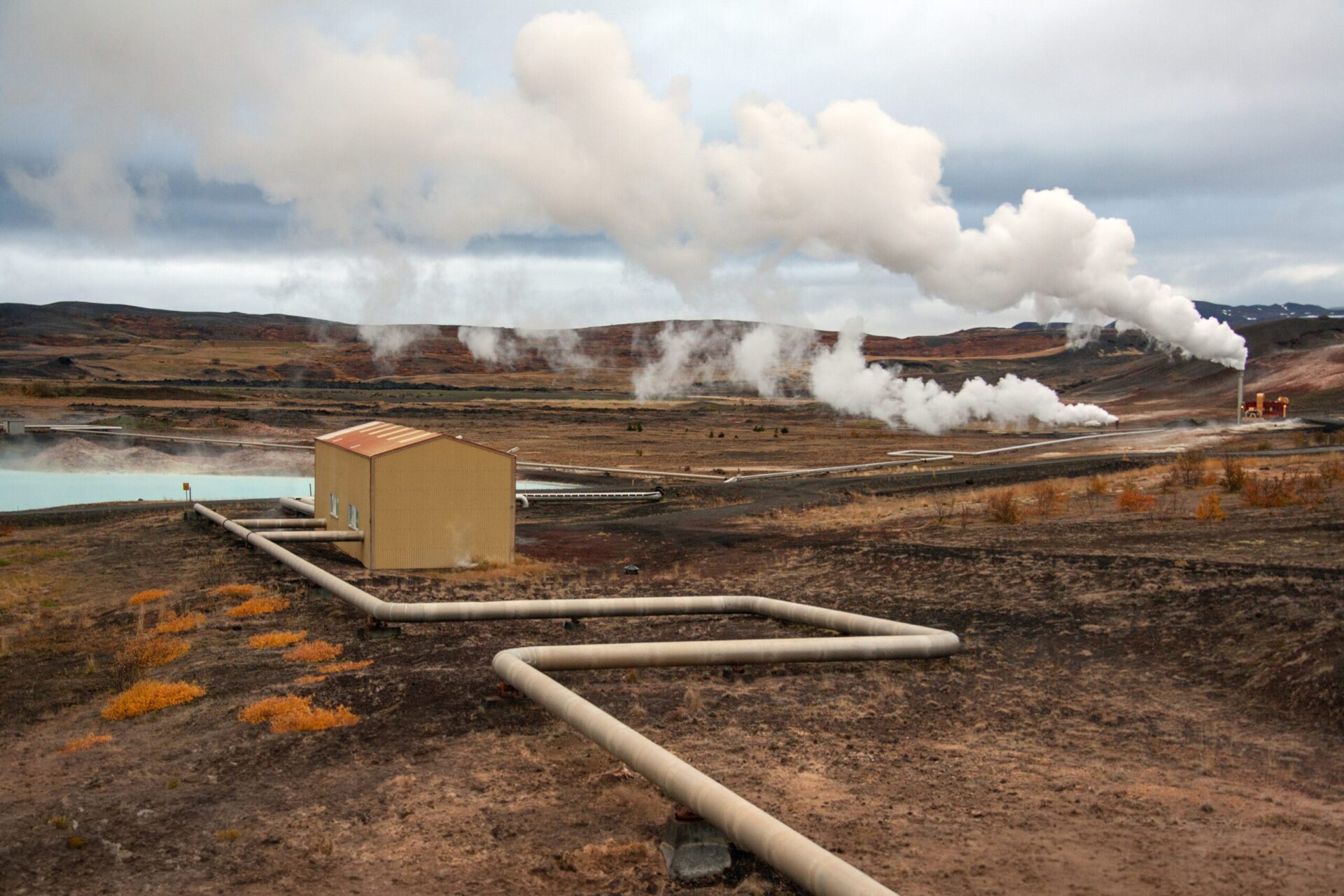
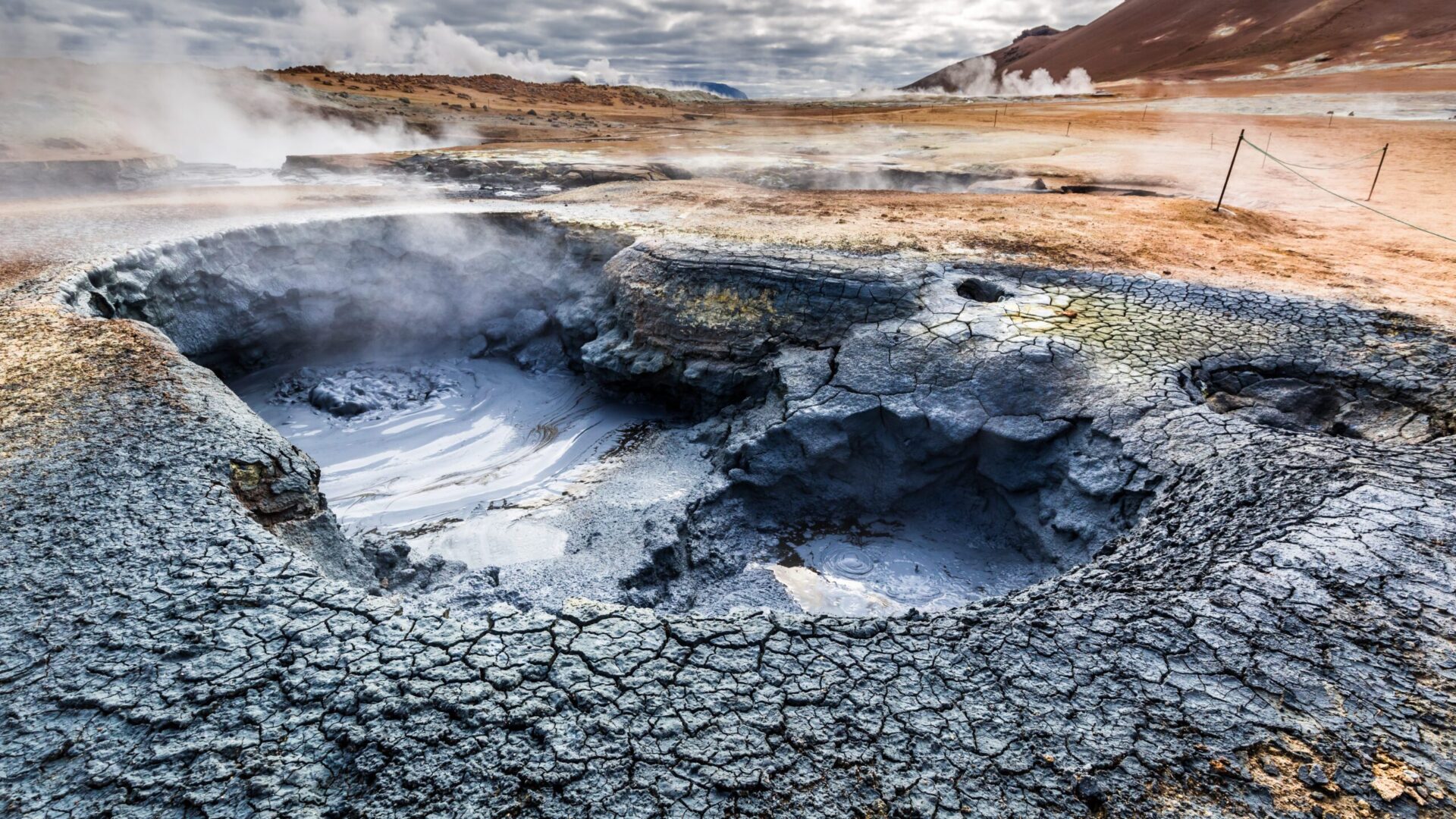
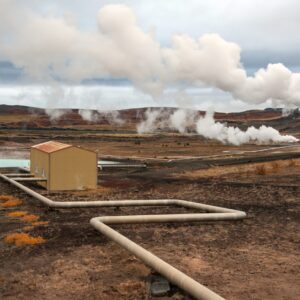
Visit the geothermal area of Hverir at the base of Námafjall, where the ground is stained in shades of yellow and orange, and the air fills with steam and sulfur. Bubbling mud pools and hissing vents make this area feel almost lunar. Just north of here lies the Krafla volcanic system, where eruptions in the 1970s reshaped the land. At the end of the road is Víti crater, filled with an opaque turquoise lake. Nearby, a walk through Leirhnjúkur reveals an active lava field with steaming ground, sulfur deposits, and recently formed rock formations.
Explore Dimmuborgir, a dramatic lava field of towering rock pillars, arches, and caves formed by flowing lava. The surreal shapes are unique and invite easy walking among the formations. A café here serves traditional Icelandic rye bread baked underground using geothermal heat.
For a gentler walk, head to the Höfði peninsula, where forested paths lead to viewpoints overlooking the lake and partially submerged lava formations. Nearby, the Skútustaðagígar pseudo-craters offer a pleasant lakeside walk around grass-covered craters formed by steam explosions.
Visit the lava caves of Grjótagjá and Stóragjá near Reykjahlíð, where clear blue geothermal water fills narrow rock chambers. While bathing is no longer permitted, the caves remain fascinating natural sights. Dominating the eastern side of the lake is Hverfjall, a vast black tephra crater. A hike to the rim rewards you with sweeping views over the Mývatn area and surrounding volcanic terrain.
Overnight in the Mývatn area, in the same hotel.
Today, you travel from the volcanic landscapes of Lake Mývatn into East Iceland, with a stop at one of the most powerful natural forces in the country.
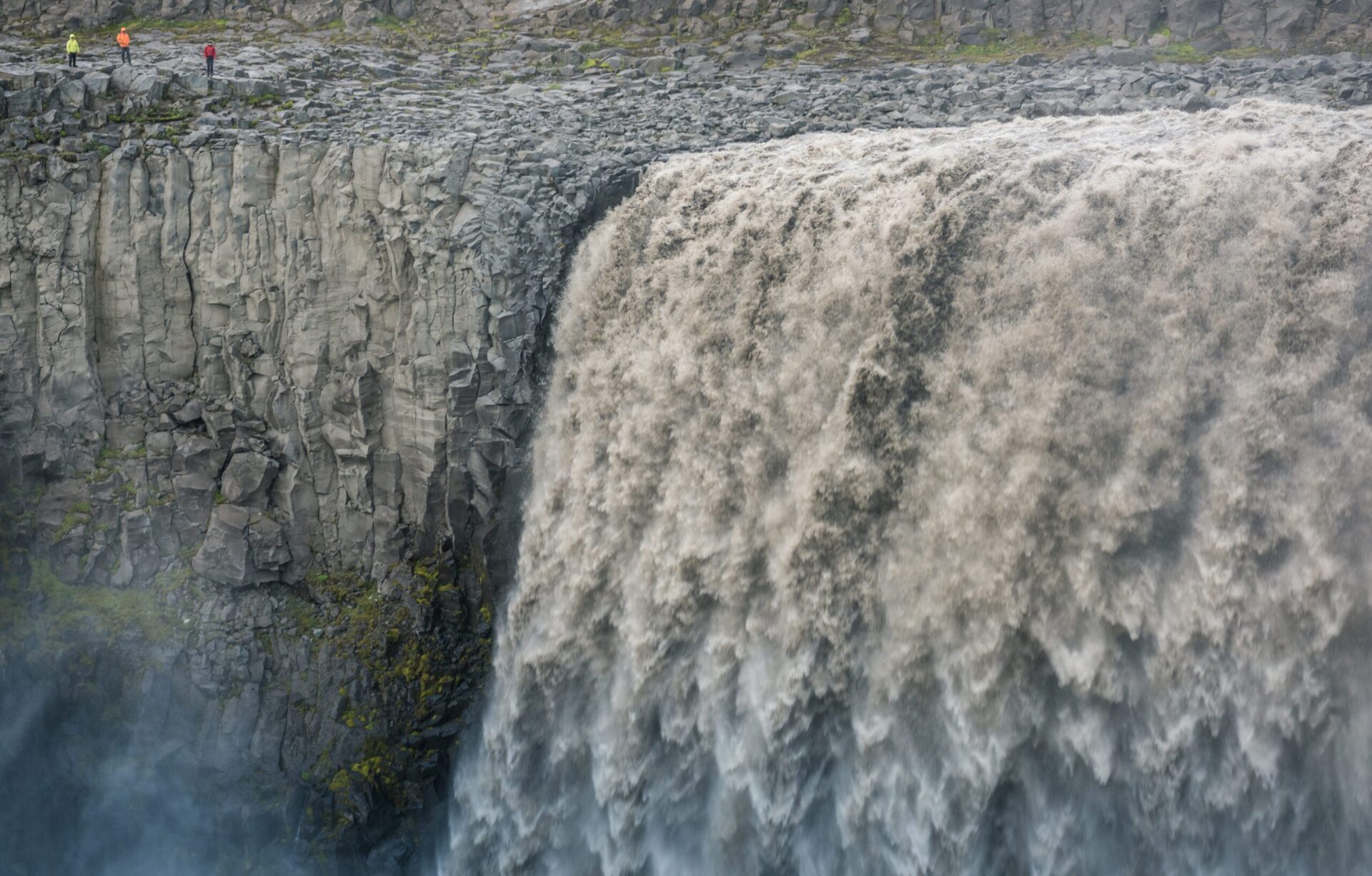
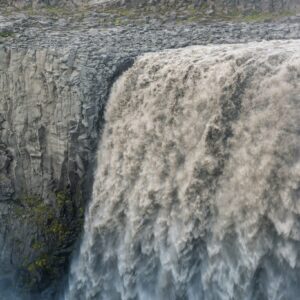
Your first highlight is Dettifoss, whose name roughly translates to “the falling” or “collapsing” waterfall. It fully lives up to that description. Dettifoss holds the title of the most powerful waterfall in Europe, with an enormous volume of glacial water thundering over the edge every second. The falls span roughly 100 meters in width and plunge 45 meters into a rugged canyon below. Long before you see it, you will hear the roar and feel the ground vibrate, with mist rising high into the air and visible from far away. Dettifoss has also captured the imagination of artists and filmmakers, appearing in the opening scene of Ridley Scott’s “Prometheus“ and inspiring a dramatic orchestral work by Icelandic composer Jón Leifs.
The waterfall lies within Vatnajökull National Park, which was designated a UNESCO World Heritage Site in 2019. The surrounding landscape of deep canyons, glacial rivers, and volcanic rock adds to the area’s raw, untamed atmosphere.
From Dettifoss, continue east toward Egilsstaðir. The route takes you through the green Jökuldalur valley, where numerous waterfalls tumble down the hillsides, especially after rainfall. The scenery then changes dramatically as you cross the highland plateau of Möðrudalsöræfi, a stark and open desert landscape. A short detour to the remote farm of Möðrudalur offers a final opportunity for refreshments at Fjallakaffi before continuing onward.
Before reaching Egilsstaðir, you may choose to stop at Vök Baths, East Iceland’s unique geothermal spa. Set on the edge of Lake Urriðavatn, the floating pools offer warm, crystal-clear geothermal water so pure it is drinkable, along with beautiful views and a relaxed atmosphere.
Arrive in Egilsstaðir, the largest town in East Iceland and a natural hub for the surrounding fjords and valleys. The region is known for its striking contrasts, from black sand coastlines to towering fjords shaped by glaciers and volcanic activity over millions of years. East Iceland is rich in waterfalls, lava formations, wildlife, history, and charming villages, making it a rewarding area to explore.
Overnight in the Egilsstaðir area. Accommodation at Icelandair Hotel Hérað or similar. Standard room with private facilities and breakfast included.
Today, you continue exploring East Iceland, a region that stretches roughly from Langanes in the north to Krossanesfjall in the south. This part of the country is known for its deep and narrow fjords, forested valleys, and striking mountains rising above the sea. With its clean air, quiet roads, and abundant nature, East Iceland is especially rewarding for travelers who enjoy hiking, outdoor activities, and unspoiled landscapes.
A short drive from Egilsstaðir brings you to Hengifoss, one of Iceland’s most impressive waterfalls. Located near the shores of Lagarfljót lake and facing Hallormsstaðaskógur, Iceland’s largest forest, Hengifoss drops 128 meters into the dramatic gorge of Hengifossárgljúfur in Fljótsdalur valley. This makes it the second-highest waterfall in the country outside glacial environments. The waterfall is famous for the distinct red clay layers visible in the cliff face behind the cascade, creating a striking contrast with the dark basalt rock. Reaching Hengifoss requires an uphill hike of about an hour each way, with rewarding views along the trail.
After your visit, continue east toward the coast and into the Eastfjords. The drive itself is a highlight, following winding roads between mountains and sea. Your destination is Fáskrúðsfjörður, centrally located among the eastern fjords between the Vattarnes and Hafnarnes peninsulas. At the head of the fjord lies a green valley with arctic woodland, offering a gentle contrast to the surrounding rugged terrain.
The coastal route from Reyðarfjörður to Fáskrúðsfjörður is particularly scenic and well worth taking. Along the way, enjoy views of Skrúður, a hollow cliff island known for its rich birdlife. The island is home to large colonies of puffins, which nest in the famous Puffin Cave, as well as gannets that can often be seen diving dramatically into the sea.
Arrive in Fáskrúðsfjörður and settle into the peaceful atmosphere of this historic fishing village.
Overnight in the Fáskrúðsfjörður area. Accommodation at Fosshotel Eastfjords or similar. Standard room with private facilities and breakfast included.
Today’s drive takes you from the Eastfjords into Southeast Iceland, following one of the country’s most scenic coastal routes. The journey offers constantly changing landscapes, from fjords and glacial rivers to vast sand plains and ice-filled lagoons.
Leaving Fáskrúðsfjörður, head south toward the fishing town of Höfn. Along the way, you may wish to make a relaxing stop at the Hoffell hot tubs, set against a dramatic mountain backdrop. If you are traveling in a 4×4 vehicle, you can also drive closer to Hoffellsjökull glacier and hike toward the glacial moraine, where expansive views open up across the ice and the growing lagoon below. This remote area is also one of the places where reindeer are occasionally spotted, especially in quieter stretches of road.
Reindeer were introduced to Iceland from Norway in the late 18th century, but were never domesticated. Today, Iceland’s only wild reindeer population lives exclusively in East Iceland. During summer, they roam the highlands, while in winter, they move toward lower coastal areas. Although their primary habitat lies near Mount Snæfell and the highland regions of Vesturöræfi and Brúaröræfi, sightings are possible throughout a vast area stretching as far south as the Glacier Lagoon.
East Iceland is particularly fascinating for nature and geology enthusiasts. The fjords reveal layers upon layers of ancient basalt lava flows, carved and exposed by Ice Age glaciers. In valleys such as Breiðdalur and around peaks like Súlur, volcanic dikes cut through the mountainsides like veins, offering a clear glimpse into the island’s geological history.
Birdlife is abundant throughout the region. Many migratory species first arrive in East Iceland, and rare visitors from mainland Europe are often spotted near Djúpivogur.
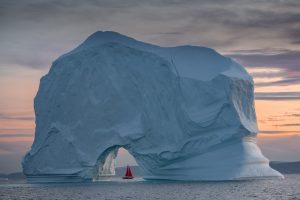
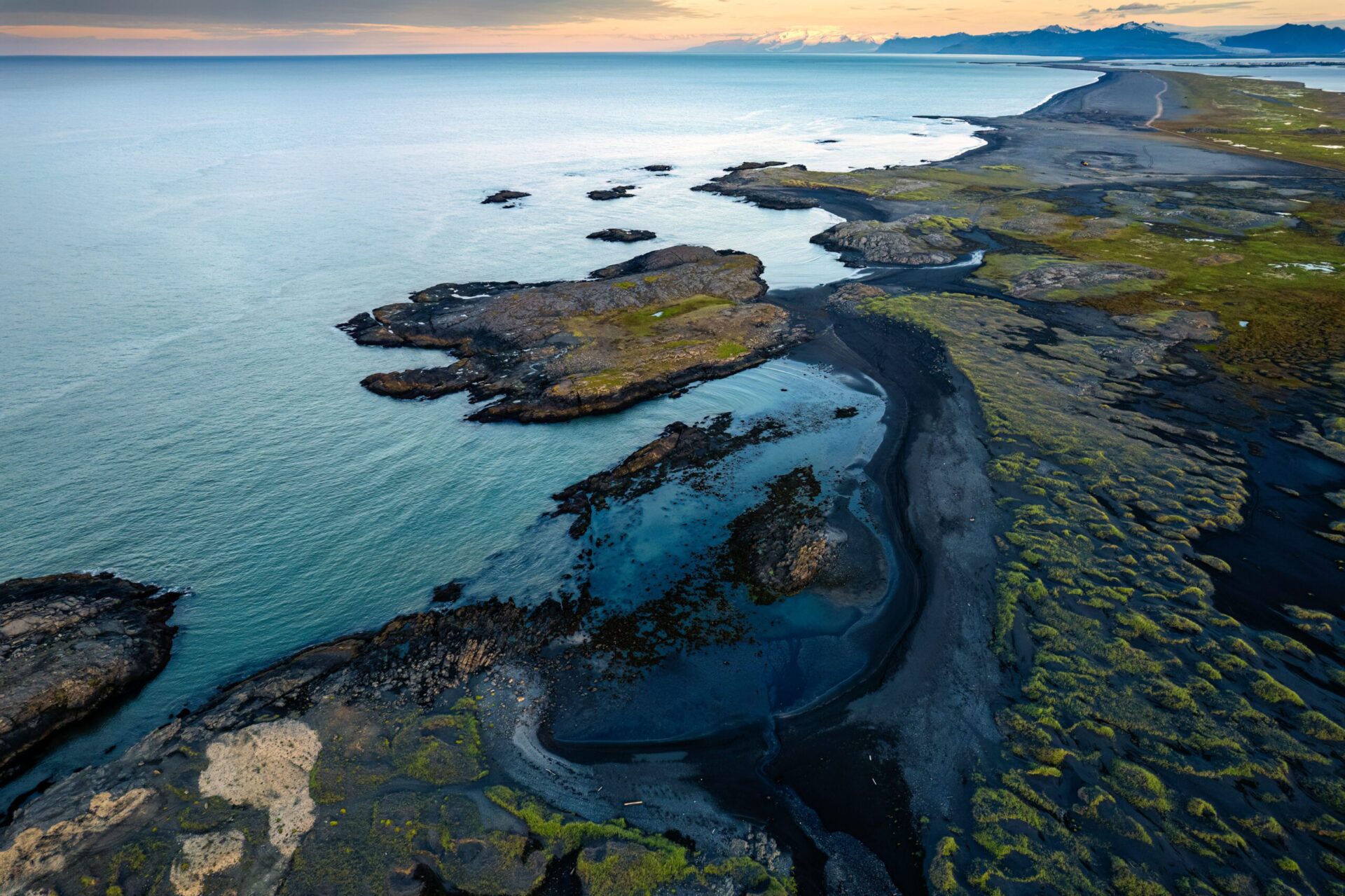
Continuing south, reach the glacial wonder of Jökulsárlón Glacier Lagoon. Here, enormous icebergs break off from the glacier and drift slowly across the lagoon toward the sea. Boat tours among the icebergs are available at both Jökulsárlón and nearby Fjallsárlón, with options ranging from amphibious boats to faster Zodiac boats. Booking is recommended to secure your preferred time.
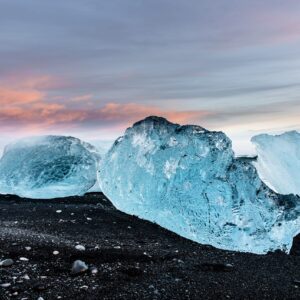
From Jökulsárlón, take a short walk along the river Jökulsá, one of Iceland’s shortest rivers, to Diamond Beach. Fragments of glacial ice wash ashore and sparkle against the black sand before melting or being carried back out to sea. Seals are often spotted resting on the ice or swimming near the shore.
Continue west toward Skaftafell, where you will spend the night surrounded by glaciers, mountains, and wide open landscapes.
Overnight near Skaftafell. Accommodation at Fosshotel Núpar or similar. Standard room with private facilities and breakfast included.
Today’s journey follows Iceland’s famous South Coast, where glaciers, volcanoes, waterfalls, and black sand beaches create a constantly changing landscape. It is a full day of sightseeing with many of the country’s most iconic natural attractions along the way.
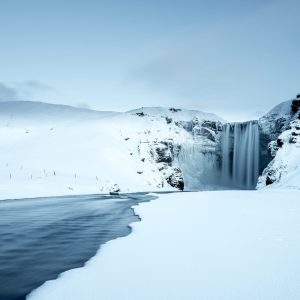
Begin the day in Skaftafell, a green oasis within Vatnajökull National Park, surrounded by glacial tongues and vast outwash plains formed by glacier rivers. Skaftafell offers excellent short hiking options suitable for most fitness levels. One popular trail leads to Svartifoss, a striking waterfall framed by dark basalt columns that inspired the design of Hallgrímskirkja church in Reykjavík.
Another trail takes you toward the glacial moraine of Skaftafellsjökull, where you can observe the ice up close. The Skaftafell Visitor Centre provides detailed information on hiking routes and trail lengths. On clear days, this area also offers one of the best viewpoints of Hvannadalshnjúkur, Iceland’s highest peak at 2,110 meters.
Continuing west along the Ring Road, the scenery opens up to views of Sólheimajökull and Eyjafjallajökull glaciers. You may stop at designated parking areas to walk toward the glacier moraines and experience the scale of these ice caps firsthand.
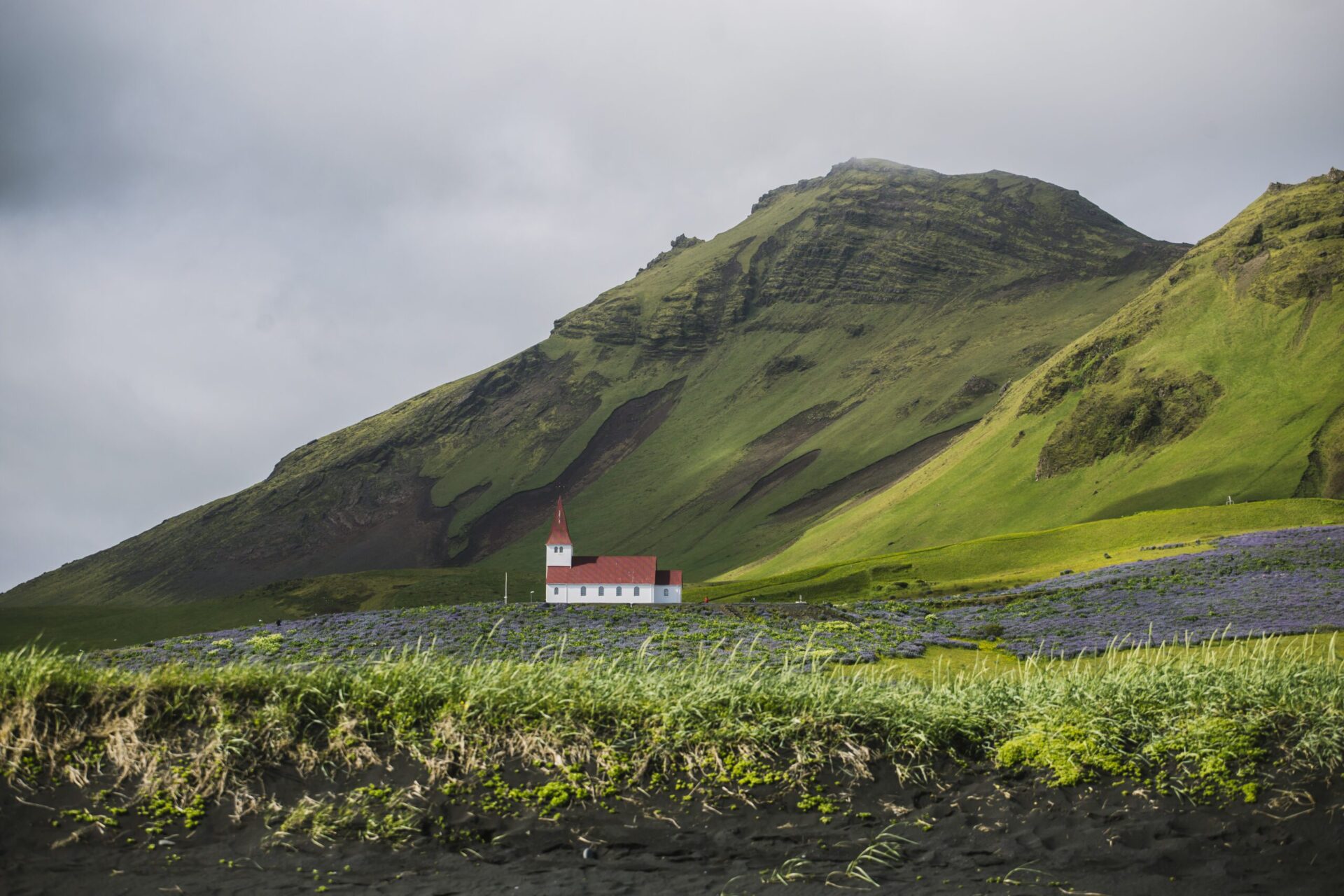
Next, reach the village of Vík, Iceland’s southernmost settlement, known for its dramatic coastal setting. Nearby is Dyrhólaey promontory, the southernmost point of mainland Iceland. From the lighthouse atop the cliffs, enjoy sweeping views across black sand beaches, the Atlantic Ocean, and distant glacier-covered mountains. Please note that access to Dyrhólaey may be restricted early in summer to protect nesting seabirds.
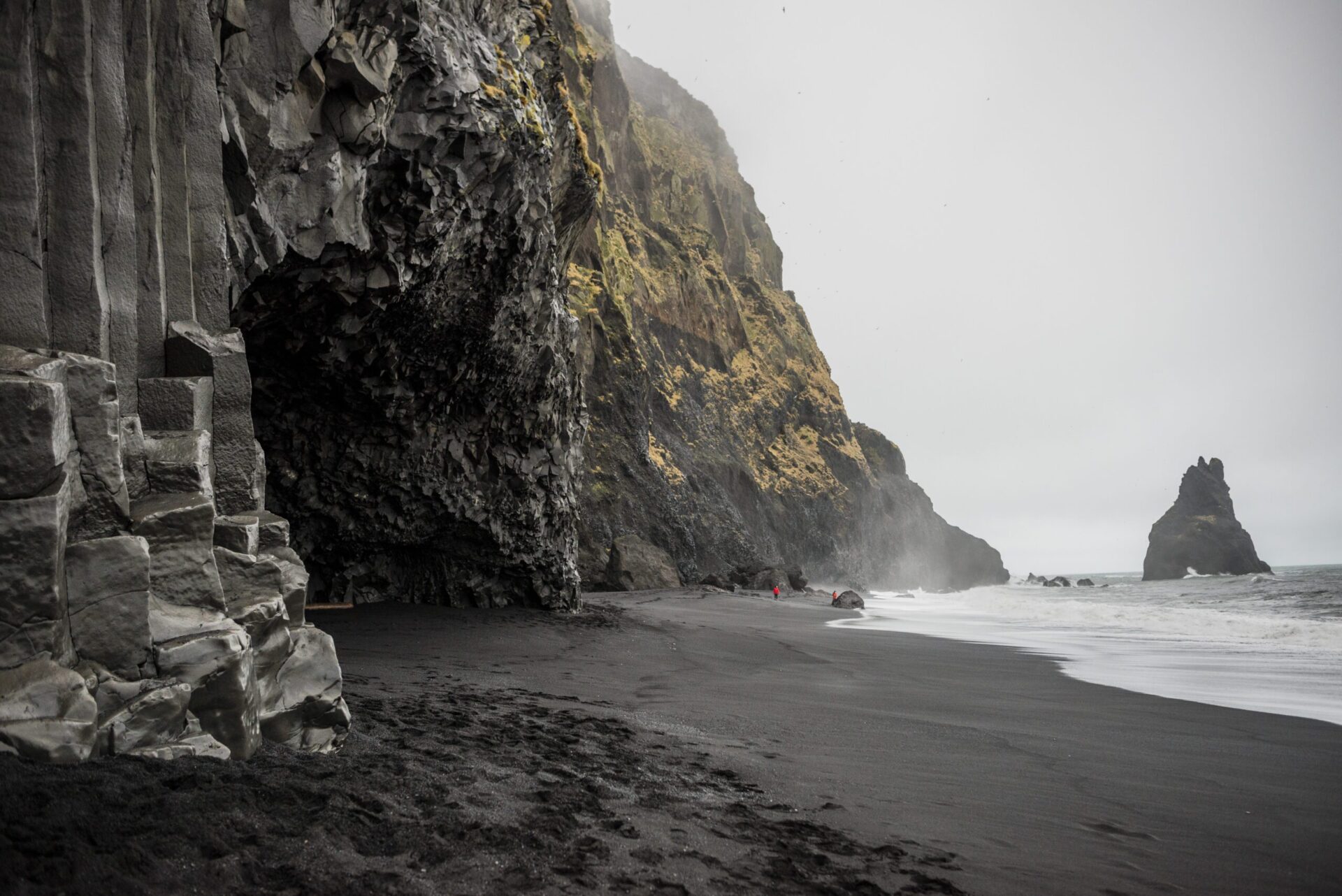
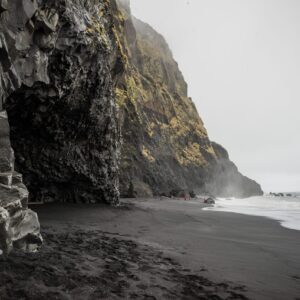
Just below lies Reynisfjara, Iceland’s most famous black sand beach, with its basalt columns and powerful Atlantic waves. Exercise caution here, as sudden sneaker waves can surge much further up the shore than expected. Always follow posted safety signs.
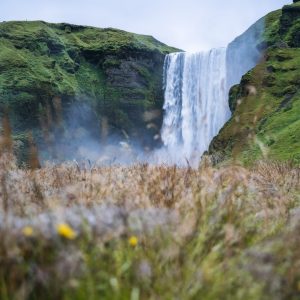
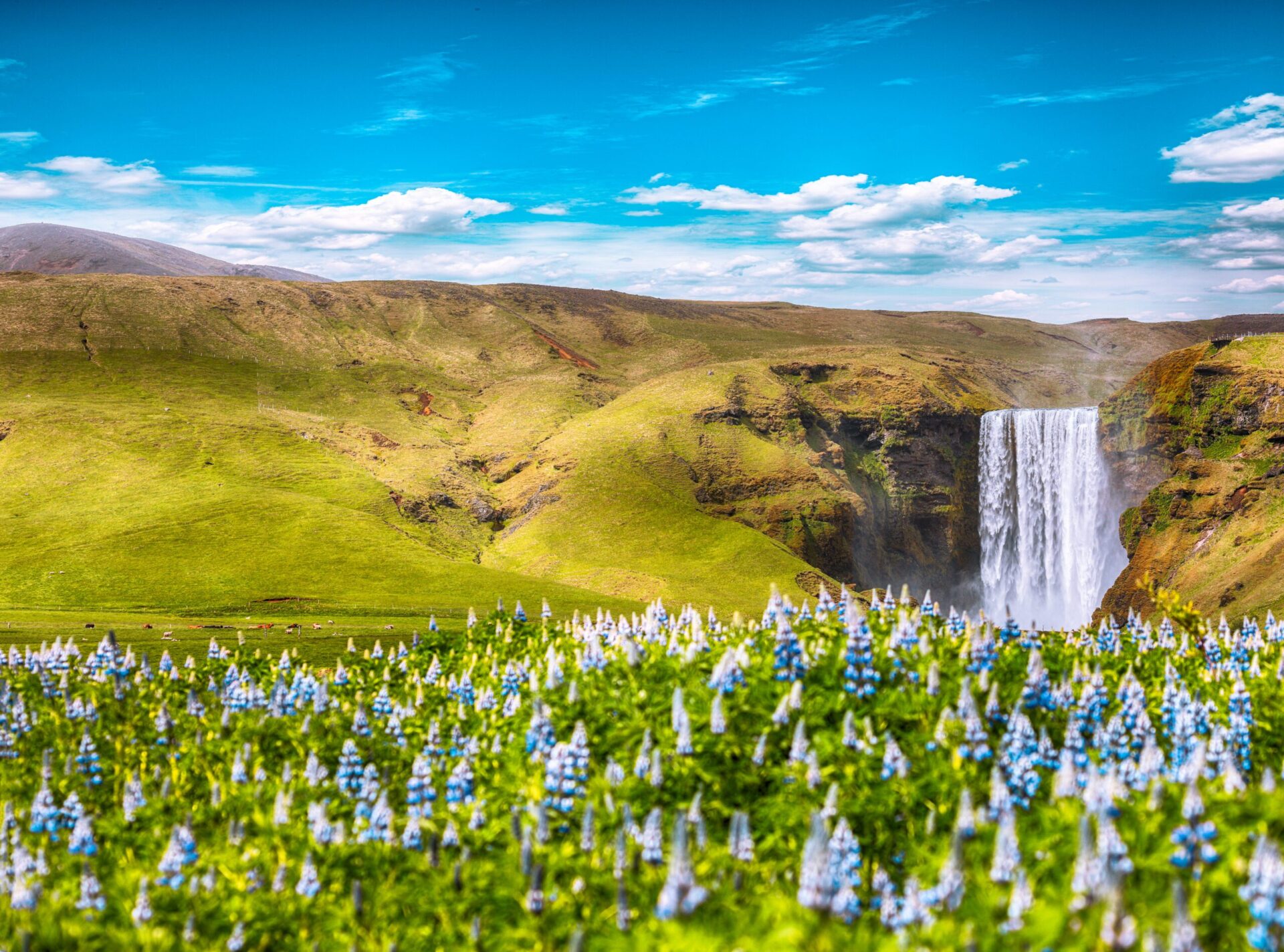
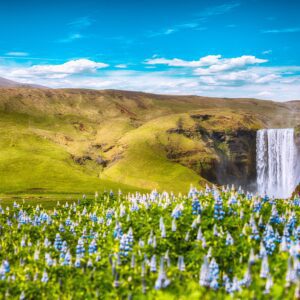
Continue through Vík with views of the Reynisdrangar sea stacks rising from the ocean just offshore. A short drive further west brings you to Skógafoss, one of Iceland’s most impressive waterfalls. The cascade drops powerfully into the valley below, and a staircase beside the falls leads to the top. From there, you can follow the river upstream to discover a series of smaller waterfalls and rapids in a beautiful highland setting. Nearby, the Skógar Museum offers insight into Icelandic rural life and history.
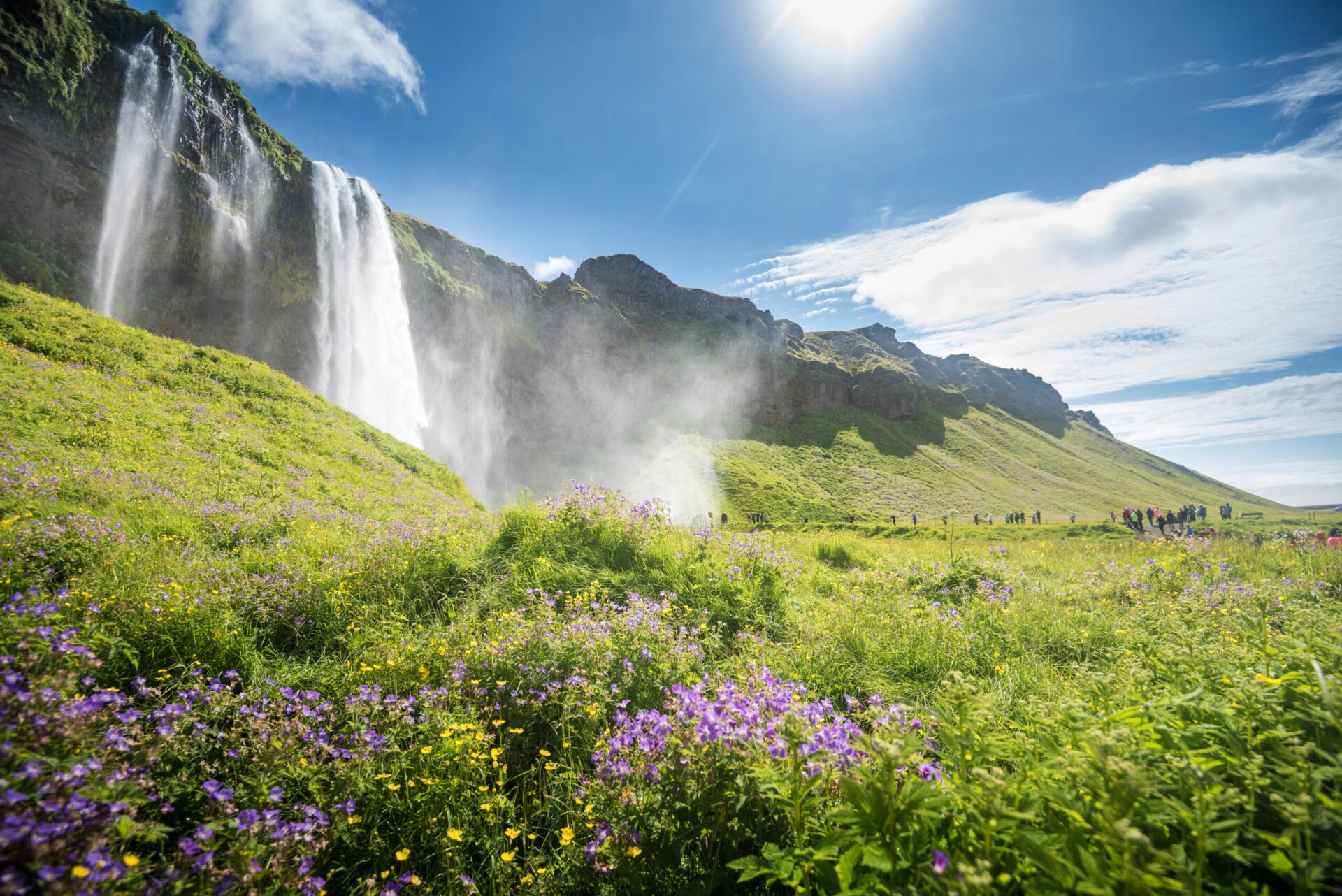
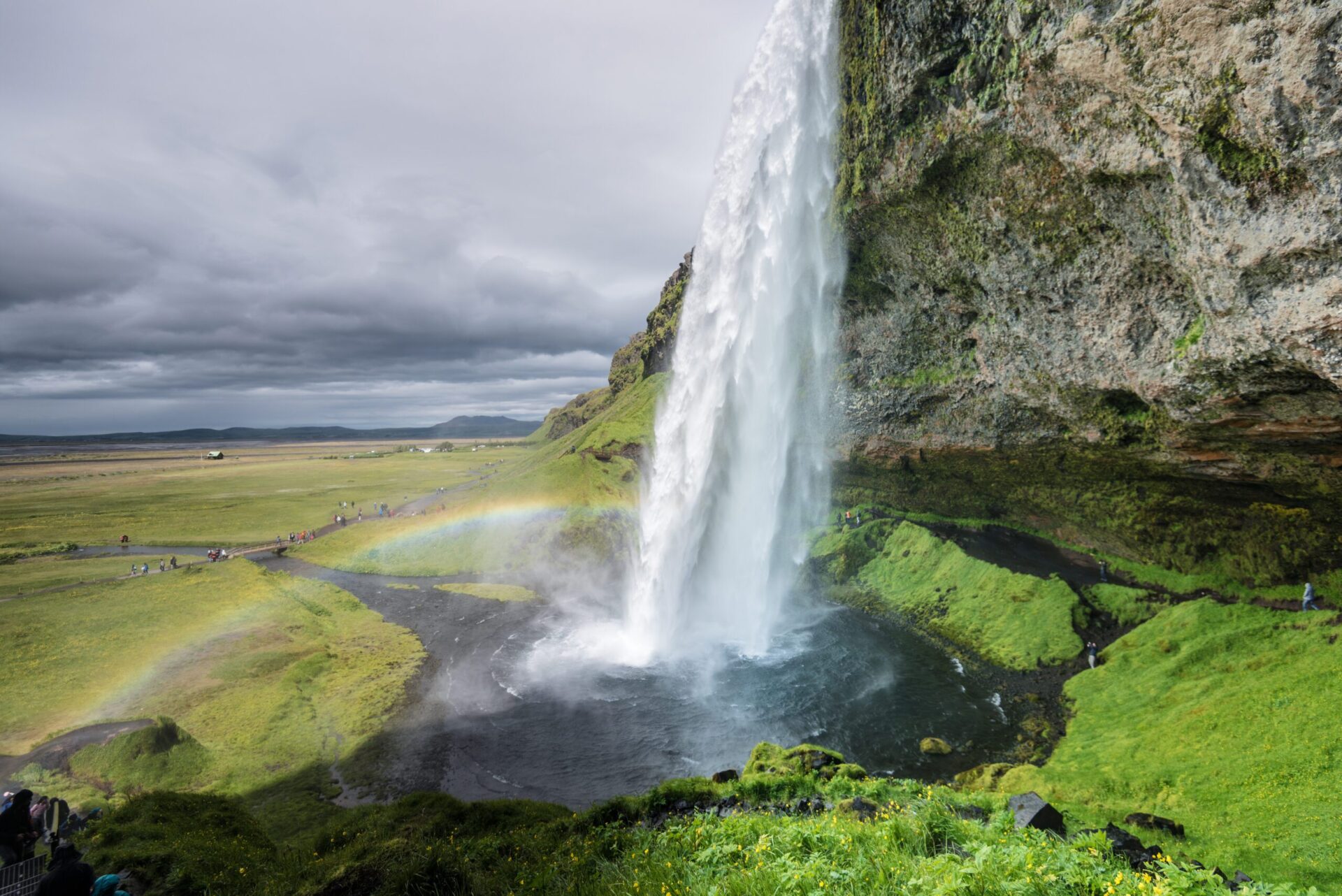
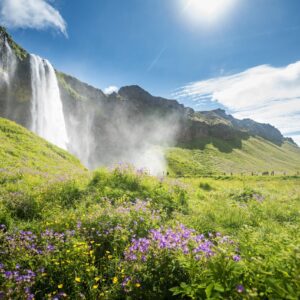
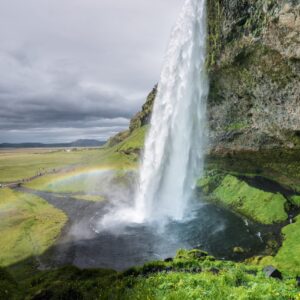
Further along the route is Seljalandsfoss, a graceful waterfall famous for the path that allows visitors to walk behind it. Continuing along the trail leads to Gljúfrabúi, a hidden waterfall tucked inside a narrow rock gorge.
In Hvolsvöllur, you may choose to visit the Lava Centre, an interactive exhibition dedicated to Iceland’s volcanoes and the powerful geological forces that continue to shape the island. Short films and displays provide a deeper understanding of the region’s volcanic history.
The day ends in Hveragerði, a small town known for its strong geothermal activity and vibrant horticulture. Hveragerði is surrounded by steaming hillsides, where geothermal heat allows year-round cultivation. Its relaxed atmosphere and natural surroundings make it a pleasant place to unwind after a full day of exploration.
Overnight in Hveragerði. Accommodation at Hotel Örk or similar. Standard room with private facilities and breakfast included.
Today you travel from Hveragerði to Reykjavík, exploring the famous Golden Circle route along the way. This classic sightseeing loop showcases some of Iceland’s most important historical sites and powerful natural attractions, all set within a relatively compact area.
Your first stop is Þingvellir National Park, a place of great cultural and geological significance. Þingvellir was founded in 930 as the meeting place of Alþingi, the world’s oldest parliament, and remains one of Iceland’s most meaningful historical landmarks. The park was designated a UNESCO World Heritage Site for its cultural value. Þingvellir is also geologically remarkable, as it lies directly between the North American and Eurasian tectonic plates. The surrounding landscape of lava fields, cliffs, and Lake Þingvallavatn offers insight into the forces that continue to shape Iceland.
From Þingvellir, continue around the lake toward Laugarvatn. Here, you can stop at Fontana Geothermal Baths, where natural hot springs and steam baths offer a relaxing break before continuing your journey.
Next, arrive at the Geysir geothermal area, home to bubbling hot springs and steaming vents. The highlight is Strokkur, an active geyser that erupts every 5 to 10 minutes, sending a column of hot water high into the air. This reliable activity makes Geysir one of the most exciting and popular stops on the route.
A short drive further brings you to Gullfoss, one of Iceland’s most iconic waterfalls. Known as the Golden Falls, Gullfoss plunges in two dramatic stages into a deep canyon carved by the Hvítá glacial river. Walk along the viewing paths to experience the power and scale of the falls from different perspectives.
After completing the Golden Circle, continue to Reykjavík. The capital welcomes you with its lively atmosphere, cultural attractions, and excellent dining options, offering a comfortable end to your journey through Iceland’s diverse landscapes.
Overnight in Reykjavík. Accommodation in a 3-star hotel. Standard double room with private facilities and breakfast included.
Your last day in Iceland takes you across the Reykjanes Peninsula, a stretch of land where the country’s raw, volcanic nature quietly reveals itself one more time before you head to the airport.
Leaving Reykjavík, you’ll drive southwest through a landscape shaped by lava and steam. A short stop at the Krýsuvík geothermal area is worth your time. Wooden walkways guide you past boiling mud pots and steaming fissures. The ground hisses, the colors are vivid with reds, yellows, and greens, and you can feel the heat rising beneath your feet.
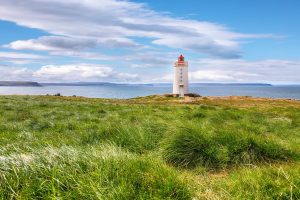
Continue toward the coast, and you’ll reach Reykjanesviti, Iceland’s oldest lighthouse, standing alone above crashing waves. The cliffs here are stark and beautiful, especially when the wind is up, and the sea is alive. You won’t find big crowds, just open sky, the sound of seabirds, and a wide view out to the North Atlantic.
From there, it’s just a short drive to Keflavík Airport. You’ll return your rental car, gather your things, and step into departure knowing you’ve seen Iceland from glacier to coast.
We understand that planning a tour is an exciting yet sometimes overwhelming experience, and we're here to help! Whether you have specific inquiries about the itinerary, accommodations, or any other details, feel free to reach out. Our team is ready to assist you with any information you need to ensure your trip is everything you imagined and more.
For your convenience, we've provided a contact form below where you can submit your questions directly to us. Simply fill out the form, and we’ll get back to you as soon as possible with all the information you need.
Browse our frequently asked questions, or contact us for personalized support. Your perfect tour experience starts with getting the right answers—so ask away!