Winter Trip to Iceland: Arctic Experience, Ice Caves & Northern Lights


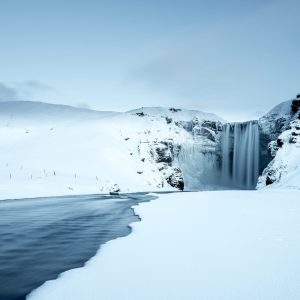
A winter self-drive trip to Iceland is one of the most memorable ways to experience the island’s quiet magic. Between October and April, the land slows under snow and soft light. Roads are peaceful, waterfalls freeze in motion, and the northern lights dance above quiet farms. With good planning and local knowledge, winter driving is safe, simple, and incredibly rewarding.
For relaxed travelers, winter in Iceland means cozy guesthouses, candlelit cafés, geothermal pools, and the deep calm of nature at rest.

Why Visit Iceland in Winter?
Winter invites travelers into Iceland’s quieter rhythm. Summer crowds are gone, and the soft glow of daylight transforms the landscape into something timeless.
- Northern Lights: See the aurora from October to April, often just outside your accommodation.
- Peaceful Roads: With fewer travelers, you’ll have time and space at every stop.
- Cozy Atmosphere: Hot springs and candlelight define Icelandic winter warmth.
- Winter Light: Short days bring pastel skies and long golden hours for photography.
- Cultural Charm: The calendar includes Christmas markets, village concerts, and local winter festivals.
- Lower Prices: Off-season travel often means better rates and more availability.
- Natural Ice Caves: Explore dazzling blue caves beneath glaciers, open only in winter.
Locals often say winter reveals the real Iceland: quiet, strong, and full of light even in darkness.

Average Winter Conditions in Iceland
Winter weather is part of the adventure, but it is rarely extreme. Roads are cleared daily, and coastal areas remain milder than many expect.
Typical Conditions (November–March):
- Average High: 2–5°C (35–41°F)
- Average Low: –3 to –1°C (26–30°F)
- Snow/Ice Days: Around 15–20 per month
- Daylight Hours: 4–6 in December, 9–10 by March
- Average Wind Speed: 15–25 km/h (9–15 mph)
Local Tip: Always check road and weather conditions before each drive. Icelanders do it too, as the weather here deserves respect, not worry.

Driving in Iceland in Winter
Winter driving feels calm when you plan wisely. All rental cars use winter tires, and the main Ring Road (Route 1) stays open year-round.
Drive slower, leave extra space, and enjoy the rhythm of shorter days. Most travelers begin after sunrise (around 9 a.m. mid-winter) and arrive at their stay before dusk.
Local Tip: Keep headlights on at all times. Iceland’s weather changes quickly, but clear roads and quiet traffic make the experience peaceful.

Best Regions and Routes for a Winter Self-Drive Trip
South Coast
The South Coast is Iceland’s most accessible and photogenic route in winter. Roads are open, services are available, and the views are breathtaking.
Highlights:
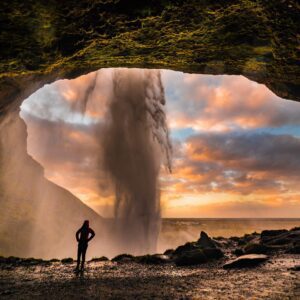
- Seljalandsfoss and Skógafoss, both partially frozen and glowing in low light.
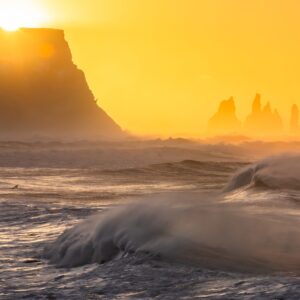
- Reynisfjara black beach near Vík, dramatic under snow.
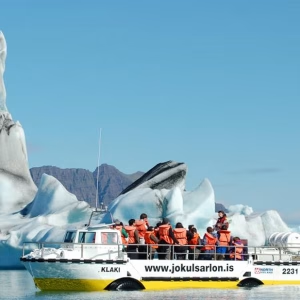
- Jökulsárlón Glacier Lagoon and Diamond Beach, where icebergs glisten like glass.
Where to Stop:
- The Soup Company in Vík for Icelandic stew.
- Hali Country Hotel near the lagoon for local fish and family hospitality.
Local Tip: Stay two nights near Jökulsárlón. With clear skies, the aurora often reflects on the icebergs, a sight few forget.

Golden Circle
The Golden Circle is an easy route close to Reykjavík, ideal for short winter days. Roads are plowed regularly, and attractions stay open year-round.
Highlights:
- Thingvellir National Park, covered in frost and morning light.
- Strokkur Geysir, erupting through snow.
- Gullfoss, glistening in ice and mist.
Where to Stop:
- Friðheimar Tomato Farm for fresh greenhouse soup.
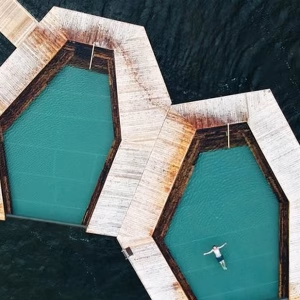
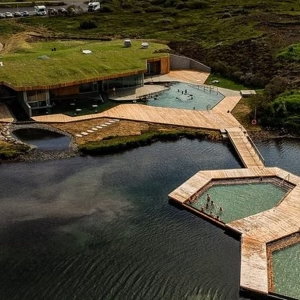
- Laugarás Lagoon (opened in 2025) to bathe in geothermal pools while snow falls.
Local Tip: Add an overnight stay near Flúðir for the Laugarás Lagoon, quieter than the Blue Lagoon and magical in winter twilight.
Snæfellsnes Peninsula
For a scenic mix of cliffs, lava, and sea, Snæfellsnes Peninsula feels remote yet reachable.
Highlights:
- Kirkjufell Mountain, striking with its snow cap and waterfall foreground.
- Arnarstapi and Hellnar, coastal villages ideal for winter walks.
- Snæfellsjökull Glacier, often glowing pink in the low sun.
Where to Stop:
- Narfeyrarstofa in Stykkishólmur for slow-cooked lamb.
- Langaholt Guesthouse Restaurant for fresh fish from local boats.
Local Tip: Bring small crampons for icy paths near cliffs. Winter light here rewards every careful step.

North Iceland
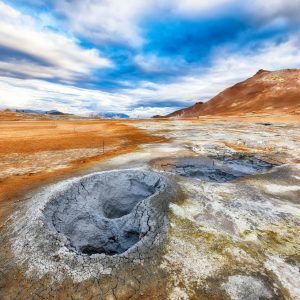
The North Iceland feels wilder, with geothermal fields and snow-covered lava stretching for miles. It’s a true adventure for those who like quiet landscapes.
Highlights:
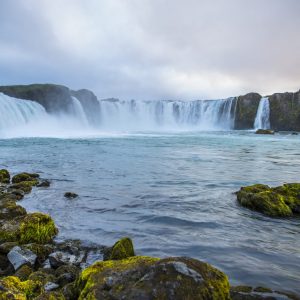
- Goðafoss Waterfall, a frozen crescent of blue ice.
- Earth Lagoon Mývatn (previously Mývatn Nature Baths), warm water surrounded by snow.
- Akureyri is bright with winter lights and cafés.
Where to Stop:
- Strikið in Akureyri for dinner overlooking Eyjafjörður.
- Naustið in Húsavík for seafood soup.
Local Tip: Visit in February or March when daylight is longer. The drive feels safer and more scenic.
Reykjavík & Reykjanes Peninsula
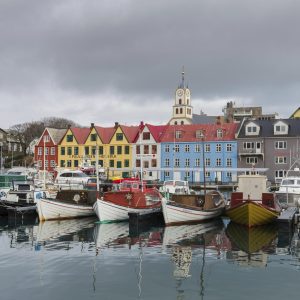
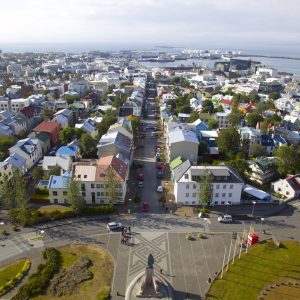
Reykjavík in winter has a small-town warmth that visitors love. Lights reflect on the harbor, and snow softens every street.
Things to Do:
- Walk the old harbor, stopping for coffee at Reykjavík Roasters.
- Visit the National Museum of Iceland or Perlan for city views.
- Drive the Reykjanes Peninsula to see geothermal fields and cliffs.
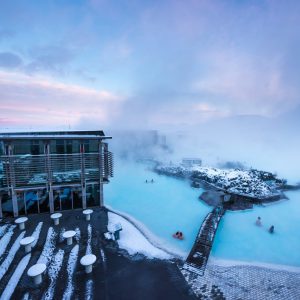
- End your trip with a soak in the Blue Lagoon before your flight.
Local Tip: Reykjavík is perfect for your trip’s first or last day. It’s easy to navigate and full of cozy spots to rest.

Chasing the Northern Lights in Iceland’s Winter
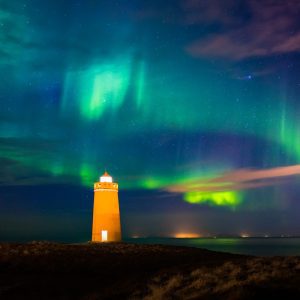
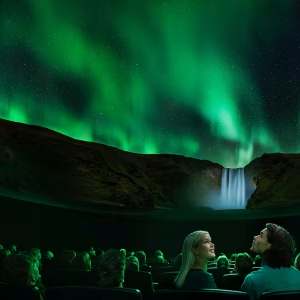
The Northern Lights are one of Iceland’s great winter gifts. Between late September and early April, when the nights are long and the air turns crisp, the aurora often appears above the snowfields, fjords, and quiet roads. For many travelers, this natural light show becomes the highlight of their trip, and winter offers the most reliable viewing conditions.
When and Where to See the Aurora in Iceland
The aurora is visible whenever the sky is dark and clear. In December and January, nearly every night provides the right level of darkness if the clouds stay away. The strongest displays often occur between 9 p.m. and 1 a.m., though gentle glows may appear earlier in the evening.
Good viewing spots are easy to reach by car. Driving only a few minutes outside any town removes most light pollution, even near Reykjavík. Popular areas include Þingvellir National Park, Seltjarnarnes, and Hvalfjörður. In the north, the winter skies around Lake Mývatn, Akureyri, and the Tröllaskagi Peninsula are known for clarity. The Eastfjords and the Westfjords also provide excellent visibility and very little traffic.
Local Tip: Choose one base for at least two nights instead of moving constantly. The aurora often appears without warning, and patience increases your chances of seeing it.

How to Read the Aurora Forecast
Before heading out, check the aurora forecast. It shows predicted cloud cover and activity levels on a scale from 0 to 9. A rating of 3 or higher usually offers a good chance, but even lower numbers can surprise you if the sky is clear. The weather in Iceland can change quickly, so keep an eye on updates or ask hotel staff for the latest information. Many Icelanders are very familiar with the local sky and can give simple, reliable advice.
Tips for a Safe and Enjoyable Aurora Drive:
- Pull completely off the road before stopping to watch the lights. Never stop on the shoulder of the main highway.
- Turn off headlights once parked so your eyes adjust to the darkness.
- Dress warmly with hats, gloves, and sturdy shoes. Waiting outside can take time.
- Bring a thermos and snacks for long nights.
- Use manual camera settings. A tripod and a shutter speed of 5-15 seconds work well.
- Share your location and plans with a friend or accommodation if you drive into remote areas.
Local Tip: Some of the most memorable aurora sightings happen in complete silence. A green wave above a frozen lake or a faint pink light stretching over a snowy valley often becomes a lasting travel memory.
Aurora and Weather Reality
Not every night brings success, and that is part of Iceland’s winter character. The lights depend on solar activity, cloud movement, and timing. Some nights remain cloudy, while others offer only brief flashes of color. Many travelers find that being outside under Iceland’s winter sky, even without the aurora, feels peaceful and unforgettable.

Exploring Iceland’s Natural Ice Caves
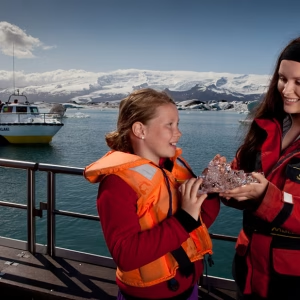
One of the highlights of an Icelandic winter is stepping inside the country’s natural ice caves. These dazzling formations are carved each year by glacial meltwater beneath Vatnajökull and other glaciers. These caves form and vanish annually, making every winter season unique.
Where to Go:
- Vatnajökull National Park: Home to the famous Crystal Blue Ice Cave, accessible from the Jökulsárlón area.
- Mýrdalsjökull Glacier: Near Vík, smaller but beautifully shaped caves form each winter.
- Langjökull Glacier: Offers man-made tunnels for safe year-round visits, even in bad weather.
How to Visit:
Ice caves are only safe with a certified local guide. Tours operate daily between November and March and include all safety gear. You can easily join one from your South Coast or Skaftafell accommodation, and our team can help arrange it as part of your self-drive plan.
Local Tip: Early morning tours offer the best light for photography, with sunlight reflecting blue through the translucent ice. Bring waterproof boots and gloves.

Accommodation & Cozy Winter Stays
Iceland’s guesthouses and country hotels feel exceptionally welcoming in winter. Think wool blankets, geothermal heat, and home-cooked dinners. Many lodges have outdoor hot tubs where you can watch the snow fall or the aurora dance overhead.
Local Tip: Book early for the December holidays, but take advantage of lower winter rates for the rest of the season.
Indoor Culture & Rainy-Day Ideas
Iceland’s indoor culture shines when the wind picks up or snow falls thick.
Ideas for Calm Days:
- Reykjavík: Visit Harpa Concert Hall, the Reykjavík Art Museum, or enjoy coffee and cake at Kaffihús Vesturbæjar.
- Akureyri: Spend time at the Akureyri Art Museum, then relax in the city pool’s outdoor hot tubs.
- Selfoss: Explore the new Skyrland Museum to taste Iceland’s traditional dairy culture.
- Húsavík: Learn about marine life at the Whale Museum and warm up at Gamli Baukur Café.
- Stykkishólmur: Visit the Library of Water, an art installation filled with glacier water columns.
Local Tip: Icelanders never rush indoors; they enjoy it. Good coffee, soft light, and conversation are part of winter’s comfort.

For Photographers & Quiet Explorers
Winter in Iceland rewards patience. The sun hangs low, turning ice into glass and snow into gold. This season is pure peace for those who prefer silence and slow travel.
Best Photo Moments:
- Jökulsárlón Lagoon: Blue icebergs at sunrise.
- Thingvellir: Silhouettes of rift valleys under morning mist.
- Kirkjufell: Reflections in frozen pools at twilight.
- Goðafoss: Long-exposure shots of water and ice combined.
- Reykjavík: Street scenes at blue hour, when city lights glow against snow.
Local Tip: Carry a tripod and extra batteries (the cold drains them quickly). The reward is light, and you’ll see nothing else.

Tips for Safe, Calm Winter Driving
- Check conditions daily.
- Drive slower than you think necessary.
- Keep headlights on and follow the distance.
- Avoid mountain passes during storms.
- Fill your tank often and pack snacks.
- Don’t hesitate to pause travel if winds rise. Locals do the same.
Local Tip: Icelanders say, “If the weather stops you, it’s just giving you more time to enjoy where you are.”
What to Pack
Layering keeps you warm and dry in Iceland’s shifting weather.
Essentials:
- Waterproof, insulated jacket
- Wool base layers
- Warm hat, gloves, scarf
- Thermal socks and waterproof boots
- Fleece or wool sweater
- Swimsuit for geothermal baths
- Sunglasses (for snow glare)
- Camera, tripod, and extra batteries
- Reusable water bottle and thermos
Local Tip: Icelandic wool is light, warm, and perfect for travel. You’ll find beautiful sweaters in every town.

Plan Your Trip with Local Experts
We are a local team (based in Akureyri) passionate about designing custom self-drive holidays. We can help you plan safe winter routes, book cozy stays, and provide local insight. With our help, you’ll see the Iceland we know: peaceful, pure, and full of light even in its darkest season.
Frequently Asked Questions
Is it safe to drive in Iceland during winter?
Yes, if you prepare properly. Roads are well-maintained, but conditions change quickly. Drive slowly, check daily forecasts, and consider renting a 4×4 vehicle with studded tires for optimal safety.
How much daylight does Iceland have in winter?
In December and early January, Reykjavík experiences approximately 4–5 hours of daylight, which increases to 7–8 hours by February. Plan short driving days and make use of twilight for sightseeing.
Do I need a 4×4 for a winter road trip?
Yes, strongly recommended. Even paved roads can be icy, especially outside Reykjavík. A 4×4 gives better traction and higher clearance on snowy routes.
Can I drive the entire Ring Road in winter?
It depends on the weather. South and West Iceland are usually open, while the East and North can close temporarily after storms. Flexible itineraries are essential in the winter months.
How are Iceland’s roads cleared of snow?
Main highways are plowed daily and reopened quickly after storms. Rural gravel roads may stay closed until spring. Always check conditions before departure each morning.
Are accommodations open in winter?
Yes. Guesthouses, hotels, and many farm stays remain open year-round, often offering discounted rates throughout the year. In remote areas, confirm arrivals in advance to ensure access after heavy snow.
Can I visit ice caves without a tour?
No. Entering a glacier or ice cave requires the services of certified guides and specialized equipment. Popular options include Katla Ice Cave near Vík and the natural crystal caves in Vatnajökull.

What happens if a storm hits while I’m on the road?
If forecasts indicate strong winds or snow, remain in your current accommodation. Icelanders respect weather warnings and plan their activities accordingly. Never attempt to drive in a red or orange alert.
Are gas stations and restaurants open during winter?
Most are. Larger chains operate 24-hour card pumps, whereas cafés and roadside diners typically reduce their hours outside peak season. Keep snacks and water in the car for long routes.
Can I see the northern lights from the car?
Yes, often. On clear nights, you can pull over safely in rural areas away from streetlights. For the best experience, stop completely, switch off headlights, and let your eyes adjust for 15 minutes.
What kind of clothing should I pack for a winter self-drive trip?
Bring insulated waterproof boots, thermal base layers, wool sweaters, a windproof parka, gloves, a hat, and crampons for icy paths. Keep spare socks and gloves in the car.
Do car rentals include winter gear like scrapers or snow brushes?
Yes. All reputable rental companies provide ice scrapers, snow brushes, and emergency reflectors. Some also include shovels or tire chains on request.
Is it possible to visit geothermal pools in winter?
Yes. Outdoor hot springs feel even better in the cold. The Secret Lagoon, Earth Lagoon Mývatn, and local swimming pools remain open throughout the year.
Are there special safety apps or websites I should use?
Yes. Visit Safe Travel website for travel alerts, road.is for live road updates, and vedur.is for weather forecasts. You can also check SafeTravel’s “Conditions Map” daily before driving.
What is the best time of winter for a self-drive adventure?
Late February to March offers a balance of snow, daylight, and aurora activity. Roads are more stable, and you still experience Iceland’s winter beauty without the darkest days.
Can you plan a personal itinerary?
Absolutely. We design tailor-made self-drive trips with local support and daily advice.

A winter self-drive trip in Iceland brings silence, beauty, and light together. Snow softens the mountains, waterfalls freeze mid-flow, and the northern lights color the night sky. Days are gentle and nights full of wonder.
With local guidance and thoughtful pacing, every winter journey becomes a quiet story.