Self-Drive Tours in Iceland in August: First-hand Tips & Local Perspective


A self-drive trip to Iceland in August is a journey into calmness. The island feels softer now, with the rush of summer fading, the light turning gold, and the air carrying a hint of autumn’s quiet promise. Roads remain open, and days are still long, but the energy shifts. Iceland breathes more slowly in August, and travelers can feel part of its rhythm.
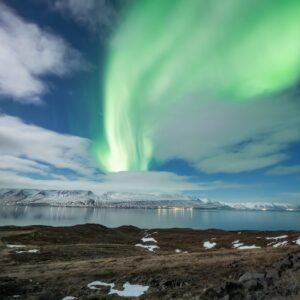
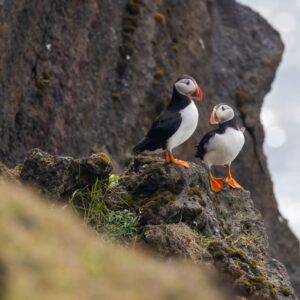
The month offers a rare balance: the freedom of summer travel with fewer people on the roads. Puffins linger on the cliffs for their last few weeks before flying out to sea, and in the far north, the night sky darkens just enough for the first brushstrokes of the northern lights. The landscape seems to glow under the soft sun: green meadows deepen into gold, glaciers catch the late light, and waves move quietly across empty beaches.
For independent travelers, August is one of the most rewarding months to explore by car. Every region is open, from the high volcanic deserts of Askja to the east’s tranquil fjords and the north’s sea-wrapped peninsulas.

Why August Feels Different in Iceland
By August, the wild energy of midsummer settles into something gentler. Farmers harvest hay, children prepare to return to school, and the land glows warmth and stillness. For visitors, it’s a time to move slowly, linger longer, and feel Iceland as the locals do: peacefully.
Before diving into the open roads, it’s worth understanding what makes this month so special:
- A Softer Light: The sun travels lower across the sky, giving the landscape depth and warmth. This kind of light makes even a simple drive feel cinematic.
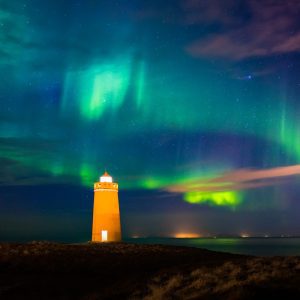
- The First True Nights: Around mid-August, the endless daylight of midsummer gives way to twilight and, later, to the first faint northern lights in the countryside.
- Nature in Transition: Puffins prepare to leave, berries ripen in the mossy heathlands, and rivers slow after the snowmelt rush.
- Peaceful Roads: Tour groups thin out, and once-busy spots (even the South Coast waterfalls) feel more personal again.
- Local Life Resumes: With fewer visitors, small cafés, farm shops, and guesthouses become friendlier and quieter, offering genuine conversations over coffee and cake.
Local Tip: Icelanders often say August is their favorite month because “the island finally exhales.” It’s a beautiful time to travel slowly, take backroads, and stay longer in each place.

Weather and Road Conditions in August
August is mild and kind to drivers. It brings mostly dry roads, long but manageable days, and moderate winds. Occasional showers freshen the air, and rainbows often follow.
Average Conditions:
- High: 13–15 °C (55–59 °F)
- Low: 6–8 °C (43–46 °F)
- Rain Days: Around 11
- Daylight Hours: 16–18 early in the month, 14 by the end
- Wind Speed: 9–16 km/h
The Highlands remain open until early September, making August one of the last chances to visit the heart of Iceland.
Local Tip: Carry a light waterproof layer and a warm fleece. The weather can change quickly, especially near glaciers or coastlines, but conditions rarely stay harsh for long.

Driving in August: Slower Pace, Deeper Experience
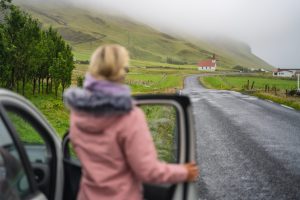
August offers near-perfect conditions for those who love the freedom of the open road. Traffic has eased, visibility is excellent, and there’s no rush. It’s the kind of driving that invites detours, following a gravel road to see where it leads.
- The Best Time for Scenic Roads: early mornings and evenings, when the sun casts long shadows and the roads are quiet.
- Highlands Access: 4×4 vehicles are still needed for F-roads like F88 to Askja or F208 to Landmannalaugar. River crossings are usually safe, but conditions must always be checked.
- Fuel and Food Stops: Still easy along the Ring Road, but a few stations in remote regions can close earlier this time of year. Refill and restock regularly.
- Wildlife Awareness: Sheep often wander near the road, and Arctic terns may swoop near coastal paths. Drive calmly and enjoy the view.
Local Tip: Don’t plan by the hour, plan by the mood. Iceland in August rewards spontaneity.

Top Regions and Hidden Routes for an August Self-Drive Tour
1. South Coast Beyond the Crowds
Most visitors drive the South Coast, but few explore beyond the main viewpoints. August is ideal for finding quiet corners along this route.
Highlights:
- Þakgil Canyon: A breathtaking valley near Vík, hidden between green mountains. It offers hiking trails, a natural cave campground, and silence.
- Fjaðrárgljúfur Canyon: Less crowded now, with moss-covered cliffs glowing in low sunlight.
- Skaftafell National Park: The best month for hiking beneath Vatnajökull Glacier. Trails to Svartifoss and Sjónarnípa are dry and peaceful.
- Hoffellsjökull Glacier Lagoon: Near Höfn, this is a calm alternative to Jökulsárlón. It is perfect for quiet reflection and short walks.
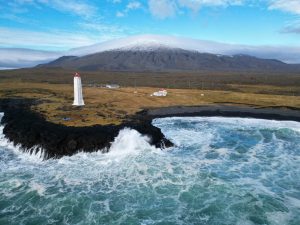
- Hvalnes Lighthouse and Eystrahorn: Remote viewpoints where mountains meet the Atlantic (spectacular at sunset).
Local Tip: Stop in Kirkjubæjarklaustur village for homemade soup at Systrakaffi. It’s a favorite among Icelanders traveling the south.
2. The Highlands
By August, the Highlands are most inviting: open, colorful, and quiet. The vast interior feels otherworldly, like stepping onto another planet.
Highlights:
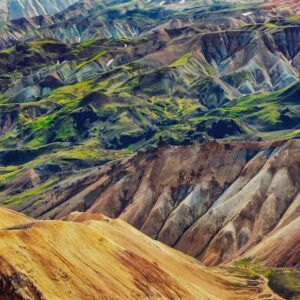
- Landmannalaugar: Fewer hikers now, and the mountains glow in orange and pink hues under the late sun.
- Askja and Víti Crater: One of Iceland’s most striking places accessible by 4×4 via F88. The drive alone is a journey through an endless lava desert.
- Kerlingarfjöll: Steam vents and geothermal rivers surrounded by ochre hills. Fewer visitors mean space to enjoy the solitude.
- Þjórsárdalur Valley: A lesser-known route west of the Highlands with waterfalls, birch woods, and a reconstructed Viking farm.
Local Tip: Start early. Morning fog over the Highlands is ethereal, and often lifts into perfect sunlight by noon.

3. Westfjords and Remote Northwest
The Westfjords are made for August. The roads are open, yet the crowds of July have vanished. You’ll find space, silence, and stories in every small harbor.
Highlights:
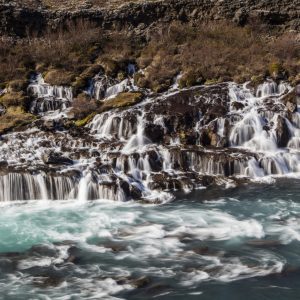
- Dynjandi Waterfall: Cascading elegance surrounded by calm fjords.
- Rauðisandur Beach: Miles of red-gold sand and nothing but seabirds and sea air.
- Suðureyri and Flateyri: Small fishing villages where you can chat with locals in harbor cafés.
- Hornstrandir Nature Reserve: Still reachable by boat from Ísafjörður until late August. A paradise for hikers and fox watchers.
Local Tip: Spend a night in Bíldudalur, visit the quirky Sea Monster Museum, then walk along the fjord in the evening silence.
4. North Iceland and the Arctic Edge
August brings long sunsets and the quiet return of darkness to the north. The landscapes here are wild and wide, filled with volcanic wonders and ocean views.
Highlights:
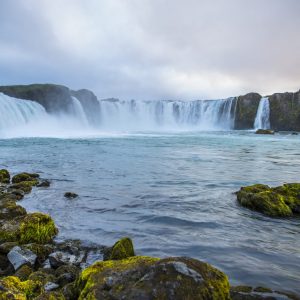
- Goðafoss and Aldeyjarfoss: A perfect contrast, as one is broad, graceful, and the other is thunderous and dramatic.
- Lake Mývatn: The birdlife remains rich, and the evenings are ideal for bathing at Earth Lagoon (Mývatn Nature Baths).
- Rauðanes Cliffs (near Þórshöfn): One of Iceland’s true hidden gems. Rock arches and sea stacks sculpted by waves are rarely visited but are unforgettable.
- Melrakkaslétta and Langanes: Remote northern peninsulas where puffins, Arctic terns, and seals gather before the migration. Perfect for solitude.
- Húsavík: Late-season whale watching with calmer seas and glowing sunsets over the bay.
Local Tip: Stay overnight in Raufarhöfn, Iceland’s northernmost village, and visit the Arctic Henge. It’s magical at twilight!

5. The Eastfjords
The east is made for August’s slower rhythm. The mornings are misty, the evenings golden, and the sense of time almost disappears.
Highlights:
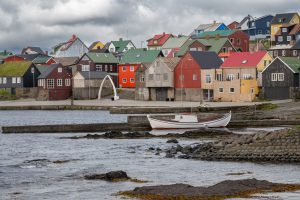
- Seyðisfjörður: The colorful heart of East Iceland, known for its wooden houses, art studios, and creative energy. The drive from Fjarðarheiði Pass is breathtaking, with waterfalls tumbling on every side.
- Borgarfjörður Eystri: A haven for hikers and birdwatchers. Trails lead through rolling hills and to Stórurð, a hidden valley of turquoise ponds and mossy boulders. Puffins linger until mid-August, often within arm’s reach at Hafnarhólmi.
- Mjóifjörður: One of Iceland’s most remote fjords, open only in summer. Its single gravel road winds through steep valleys, leading to Klifbrekkufossar, a cascading waterfall framed by moss and silence.
- Djúpivogur: A tranquil harbor town known for its art and slow pace of life. Stroll along the waterfront to see Eggin í Gleðivík, an outdoor sculpture of 34 stone eggs representing local bird species. The café at the Langabúð cultural center serves excellent coffee with a view of the harbor.
- Stöðvarfjörður: A small fishing village surrounded by dramatic cliffs, home to Petra’s Stone Collection, an extraordinary private museum of Icelandic minerals and crystals gathered by a local woman over decades. It’s one of the most charming stops in the east.
- Fáskrúðsfjörður: A fjord with French heritage, where old houses once used by French fishermen have been restored into a cozy hotel and museum. The coastal walk here is peaceful, with views across the fjord to grazing sheep and seabirds.
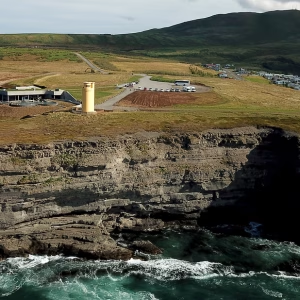
- Vattarnes Peninsula: A quiet loop drive between Reyðarfjörður and Fáskrúðsfjörður. Few travelers take this detour, but it offers striking coastal cliffs, sea stacks, and the lonely Vattarnes Lighthouse, perfect for photographs at sunset.
- Krossanesborgir Nature Reserve: Near Neskaupstaður, this coastal bird sanctuary has easy walking paths among lava ridges and sea views. It’s an excellent short stop before continuing along the fjord.
Local Tip: Stay at a small guesthouse in Borgarfjörður Eystri or Stöðvarfjörður rather than rushing through. In the evening, locals often share stories over homemade cakes or fish stew. More than any landmark, these conversations make East Iceland unforgettable.
6. Snæfellsnes Peninsula
While Snæfellsnes remains popular, August brings more space and gentler weather. The peninsula feels calmer, and its villages are friendlier.
Highlights:
- Berserkjahraun Lava Field: A surreal landscape of twisted lava and moss, said to be the setting of an old Viking saga.
- Bjarnarfoss Waterfall: A tall, graceful waterfall near Búðir that shines in the morning light.
- Djúpalónssandur Beach: A black pebble beach surrounded by cliffs and shipwreck remains. It’s a powerful, silent place.
- Skarðsvík Cove: A rare golden-sand beach on the peninsula’s western edge, quiet even in summer.
- Rif and Ólafsvík: Small harbor towns where life feels slow and authentic. Visit a local bakery for fresh bread and stories.
- Snæfellsjökull Glacier: Often visible and glowing white above the horizon.
Local Tip: Drive the full loop of the peninsula slowly, stopping often. Every bay and lava field has a story.

Festivals and Local Life in August
August is Iceland’s month of community and celebration. As the season slows, people come together for music, art, and food, often in small-town settings that feel warm and welcoming to travelers.
Events to Know:
- Verslunarmannahelgi (Merchant’s Weekend): Iceland’s biggest summer celebration, the first weekend of August, with outdoor concerts and family festivals across the country.
- Reykjavík Culture Night (Menningarnótt): Late August, a day and night of art, music, open houses, and fireworks by the harbor.
- Fishermen’s Festivals: Held in towns like Ísafjörður and Dalvík, these events honor the fishing heritage that shaped Iceland.
- Harvest Fairs: Rural communities in the north and east celebrate the season’s bounty with local crafts, wool, and homemade food.
- Small Music Gatherings: In places like Flateyri or Seyðisfjörður, you might find locals singing or playing in small barns and cafés. These impromptu evenings are pure Icelandic charm.
Local Tip: Ask locals where they go on Verslunarmannahelgi. You might be invited to a bonfire or a small-town celebration under the twilight sky.

Unique August Experiences
August rewards those who wander off the beaten path. It’s a month of color, texture, and quiet discoveries.
Highlights:
- Northern Lights: From mid-August, darkness returns, and auroras may flicker across the northern skies.
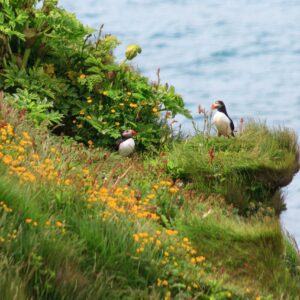
- Puffin Watching: The final weeks to see puffins before they leave. Visit Borgarfjörður Eystri, Dyrhólaey, or the Westman Islands.
- Berry Picking: Blueberries and crowberries cover the mossy hills. Locals take small boxes to gather fruit, a peaceful Icelandic pastime.
- Hot Spring Bathing: Try hidden pools like Seljavallalaug, Landbrotalaug, or the Reykjadalur valley above Hveragerði.
- Highland Photography: Low sun angles and clearer air make colors vivid, which is ideal for photographing mountains and lava deserts.
- Quiet Evenings: Sit by the sea at Vopnafjörður, Djúpivogur, or Flatey Island. August’s silence feels deeper than words.
Local Tip: If Icelanders mention “berjatínsla“ (berry picking), ask if you can join. Walking through the hills with locals, collecting fruit in the sunlight, is a simple joy.

Indoor Culture and Rainy-Day Ideas
Even with summer warmth, Iceland invites cozy moments indoors.
- Visit Harpa Concert Hall in Reykjavík or Akureyri Art Museum for calm afternoons.
- Explore small local museums, like the Heritage Museum in Skógar or the Maritime Museum in Ísafjörður.
- Taste seasonal dishes (lamb, Arctic char, or wild herbs) at countryside restaurants.
- Read by a window while the rain drifts past. Icelandic rain is soft, rhythmic, and oddly comforting.
Local Tip: In small towns, cafés often double as local gathering places. Sit with a coffee and watch life move quietly. It’s as much a part of Iceland as the glaciers and waterfalls.

For Photographers and Quiet Explorers
August is made for those who love light and stillness. Every hour feels different, every shadow carries color.
Best Scenes to Capture:
- Askja Caldera: Deep blues mirrored by black sand.
- Þakgil Canyon: Light filtering through narrow green cliffs.
- Rauðanes Cliffs: Sculptural rock formations against calm seas.
- Hvalnes Lighthouse: Golden reflections at sunset.
- Northern Lights: Soft green ribbons over quiet fjords.
Local Tip: Take advantage of August’s slow pace to stay longer in one place. The best photos (and memories) come after waiting.

What to Pack for August Self-Drive Trips
Essentials:
- Waterproof outerwear
- Warm layers and a hat
- Comfortable boots for uneven paths
- Swimsuit and towel for hot springs
- Binoculars for birds and whales
- Flashlight or headlamp for darker nights
- Snacks for remote roads
Local Tip: Bring a thermos. Icelandic coffee and quiet views are a perfect pair.

Frequently Asked Questions
What makes August distinctive for self-drive travelers in Iceland?
August mixes summer comfort with early autumn calm. Roads are open, light softens, and locals enjoy quieter weekends.
Can I see the northern lights in August?
Yes, from about mid-month onward, especially in North Iceland, where nights grow darker first.
When do puffins leave Iceland?
They begin departing around mid- to late August, after feeding their chicks.
What local tradition begins in August that visitors can join?
Berry picking, called berjatínsla, starts late in the month. It is a leisurely, social pastime across the heaths and lava fields.
Which festival in August is deeply rooted in Icelandic culture?
Verslunarmannahelgi, held the first weekend of August since 1934, fills villages with bonfires, concerts, and family gatherings.
How does driving differ in late August?
Evenings are darker, so carry a flashlight and watch for animals near roads. If heavy rain arrives, Highland routes may close earlier in the north.
What local food appears only in late summer?
Fresh wild mushrooms and blueberries show up in farm cafés. Many bakeries offer seasonal berry tarts and bilberry jam.
Are there quieter corners to explore in August?
Yes. Melrakkaslétta, Vopnafjörður, and the Vattarnes Peninsula remain almost untouched even in peak season, ideal for peaceful drives.
Can I see the northern lights in August?
Yes, from mid-August, especially in North Iceland and rural areas.
When do puffins leave Iceland?
Around the third week of August, catch them before then.
Are Highland roads still open?
Yes, until early September, depending on rain and river depth.
Is August busy?
It’s calmer than July, with fewer cars and more relaxed guesthouses.
Do I need a 4×4?
Only for F-roads and Highland adventures like Askja or Kerlingarfjöll.

A self-drive in Iceland in August is the art of slow travel: long roads, soft light, and the quiet beauty of an island between seasons. It’s the month when puffins wave farewell, the first auroras return, and Iceland feels personal again.
For travelers seeking reflection, authenticity, and space to breathe, August offers a perfect balance between comfort and discovery.