2026 Solar Eclipse in Iceland: Watching the Sky Change From One of the Wildest Places on Earth

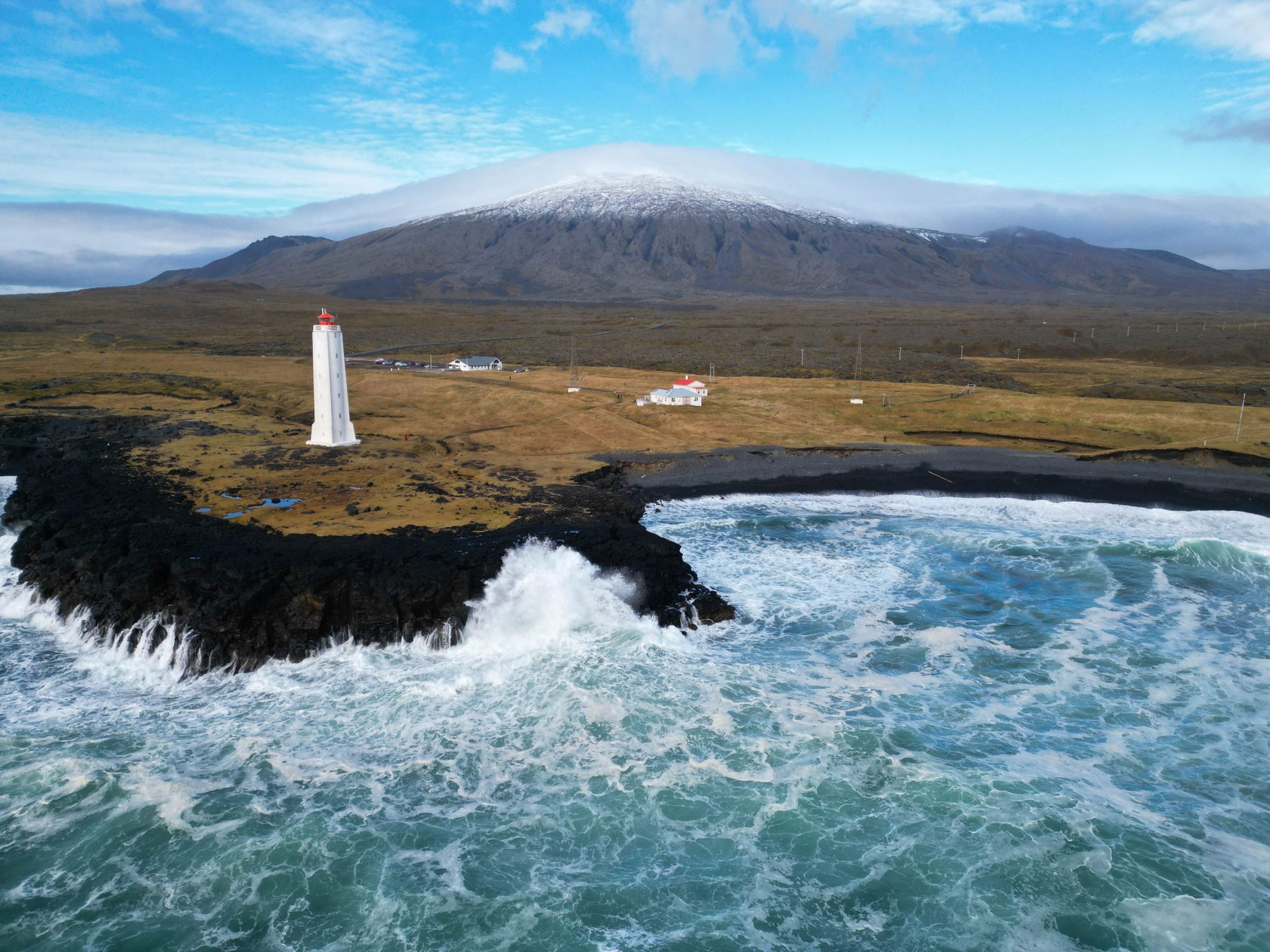
In Iceland, the sky is never just background scenery. It is something we talk about, plan around, and quietly respect. Clouds roll in fast, light stretches late into the night, and weather forecasts are part of daily conversation. That is why the solar eclipse in Iceland feels so personal to us. On August 12, the Sun will disappear over parts of Iceland in the middle of summer, and we will once again be reminded that nature always sets the rules.
This will be the first total solar eclipse visible from Iceland in generations. Many of us have never seen one here before. We know the roads people will drive, the viewpoints that work best, and the places where the horizon feels endless.
Author: https://eclipse2026.is/
What Actually Happens During the 2026 Solar Eclipse
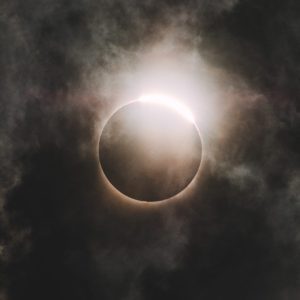
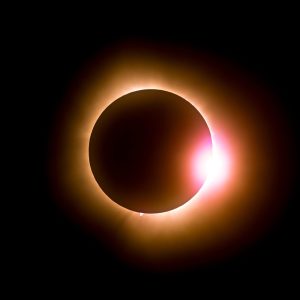
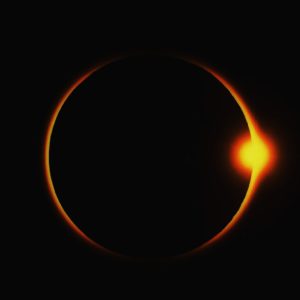
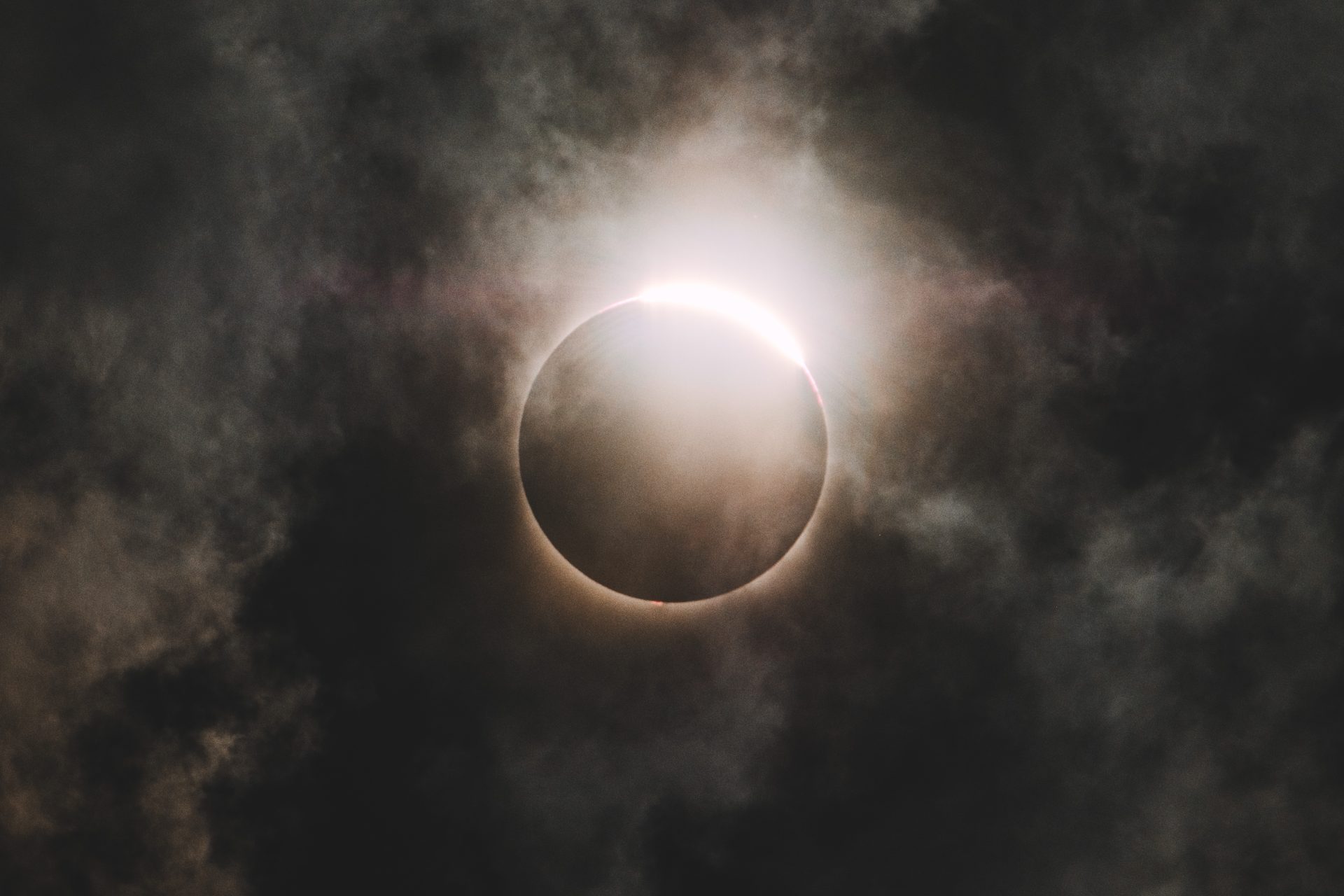
A total solar eclipse occurs when the Moon moves directly between the Earth and the Sun, blocking all direct sunlight. The moment of totality is brief but powerful. The sky darkens, the temperature drops slightly, and the world feels paused.
There are different kinds of solar eclipses, but Iceland will experience the most dramatic version.
- During a partial solar eclipse, the Moon covers only part of the Sun, and daylight fades slightly.
- During a total solar eclipse, the Moon completely covers the Sun for a short time. This is when day turns into twilight.
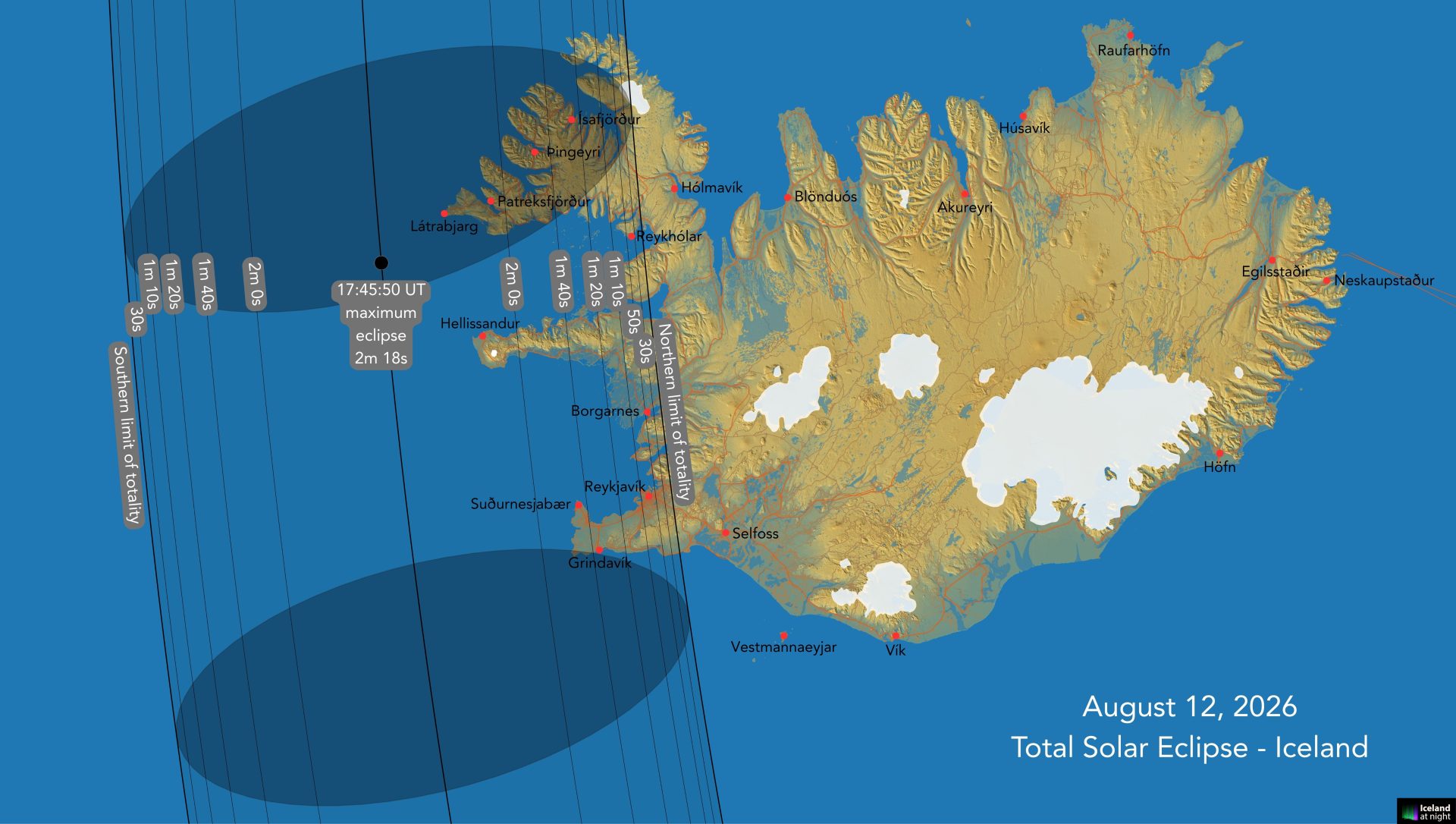
On August 12, western Iceland will sit directly in the path of totality. In some areas, total darkness will last close to two minutes, which is long enough to experience the whole sequence of light fading and returning. Unlike partial eclipses, this is a complete event. Without proper eclipse glasses, the Sun is dangerous to look at until totality begins, but once it does, the glowing solar corona becomes visible.
What makes Iceland especially suitable is the timing. August still offers long daylight hours, open roads, and access to coastal viewpoints. The eclipse will take place in the afternoon, when the Sun is high enough to be easily observed above the horizon.

Author: https://eclipse2026.is/
Why Iceland Is an Ideal Eclipse Destination
From a local perspective, Iceland offers something many eclipse destinations do not. Space. Silence. And scenery that already feels otherworldly.
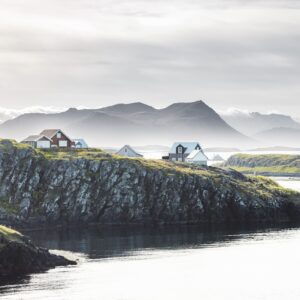
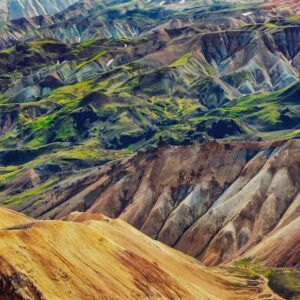
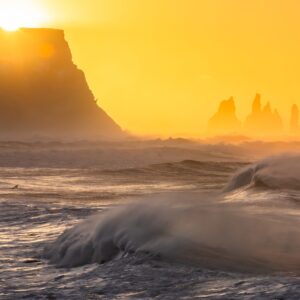
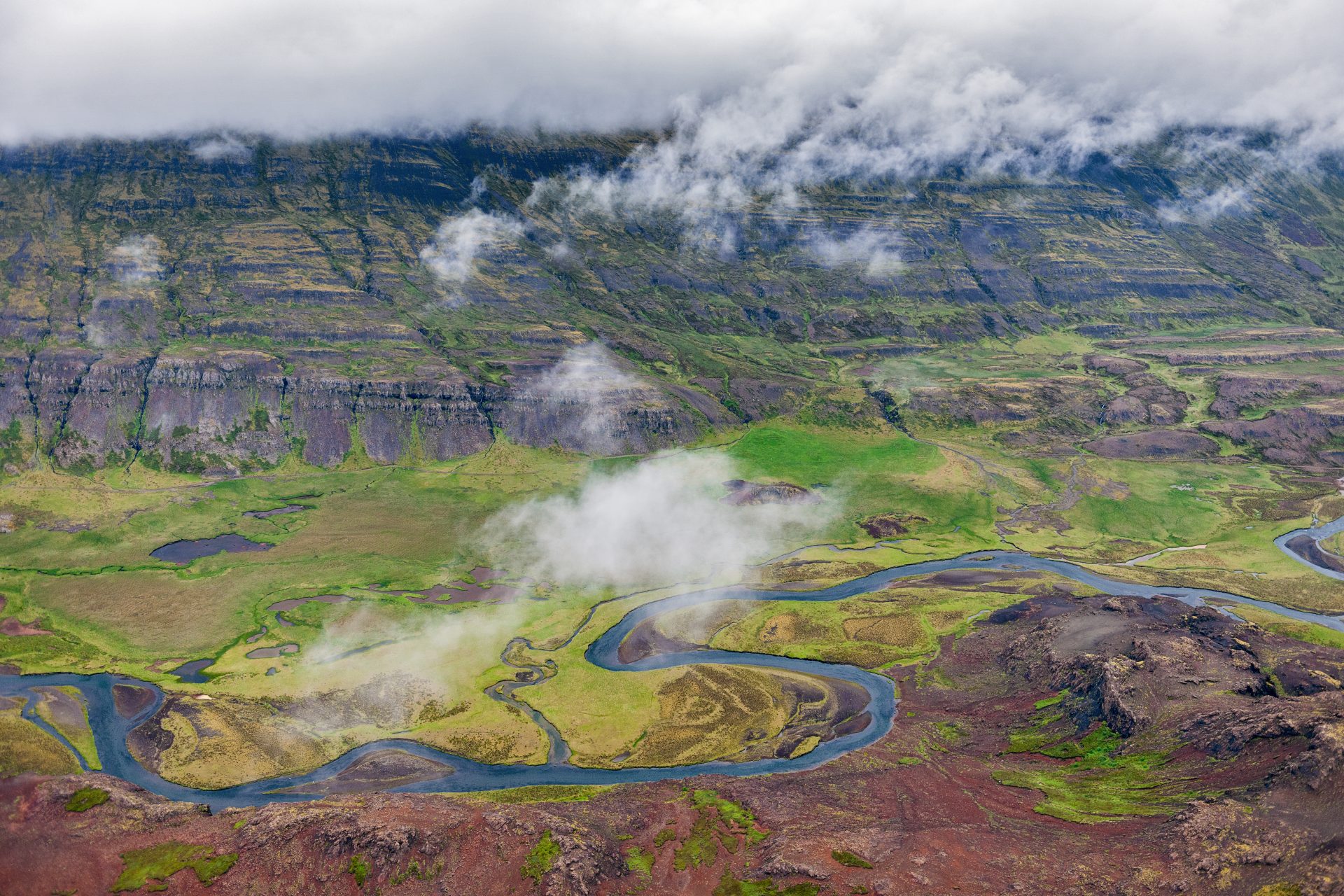
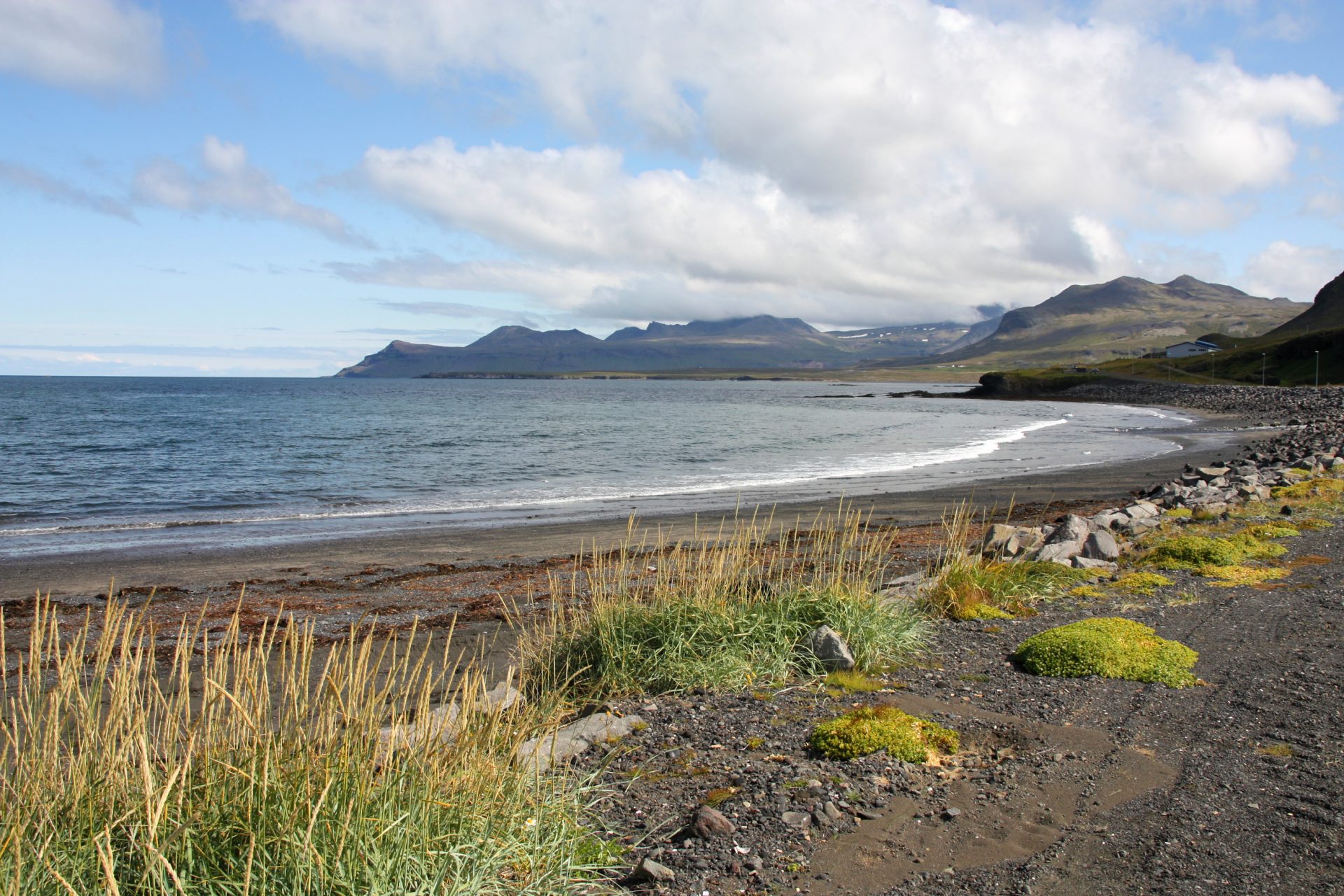
The western regions of the country fall perfectly within the eclipse path, and much of this land is open and undeveloped. No city skylines are blocking the view, no dense forests hiding the horizon. Instead, there are lava fields, cliffs, black sand beaches, and open ocean.
The weather always plays a role here, and we never promise clear skies. What we do know is that August gives you the best balance of accessibility and conditions. Roads are open, ferry routes operate normally, and it is easy to reposition if clouds move in.
When Is The Next Solar Eclipse in Iceland After 2026?
This is the part that usually makes people stop and read twice.
The total solar eclipse on August 12, 2026, is not just special. It is scarce in Iceland. The last time a total solar eclipse crossed the country was in 1954, long before modern tourism, paved ring roads, or easy access to remote regions.
After 2026, Iceland will not experience another total solar eclipse until June 26, 2196. That is more than 170 years away!
There will be other solar eclipses around the world before then, and Iceland will occasionally see partial solar eclipses. But the deep darkness, the visible solar corona, and the emotional intensity of totality will not return to Iceland within any realistic travel lifetime.
This is why the 2026 eclipse matters so much. It is not something you can catch next time. It is something you either experience now or miss entirely.
Traveling in Iceland in August: The Reality on the Ground
Weather and Temperatures
August is late summer in Iceland. Average daytime temperatures usually range from 10°C to 15°C (50°F to 59°F). On calm days, it can feel warmer, especially inland. Coastal areas are cooler and windier, particularly on peninsulas.
The weather changes quickly, and this is not a warning, but just a fact of life here. Locals dress for flexibility, not forecasts. Layers matter more than brand names.
Roads and Driving Conditions
August is one of the easiest months to drive in Iceland. The Ring Road is fully open, mountain routes are accessible, and gravel roads are generally in good condition. Traffic is heavier than in shoulder seasons, but still manageable outside major towns.
The Snæfellsnes Peninsula is fully accessible via paved roads and well-suited for self-drive travel, even for first-time visitors to Iceland.
What We Recommend Packing
Based on years of local experience, these items will make your trip more comfortable:
- Waterproof jacket and rain pants
- Warm mid-layers like fleece or wool
- Comfortable walking shoes with grip
- Hat and light gloves
- Eclipse viewing glasses
- Sunglasses and sunscreen
- Swimsuit for hot springs
- Camera and extra batteries
Even in August, evenings can be cool, especially near the sea.
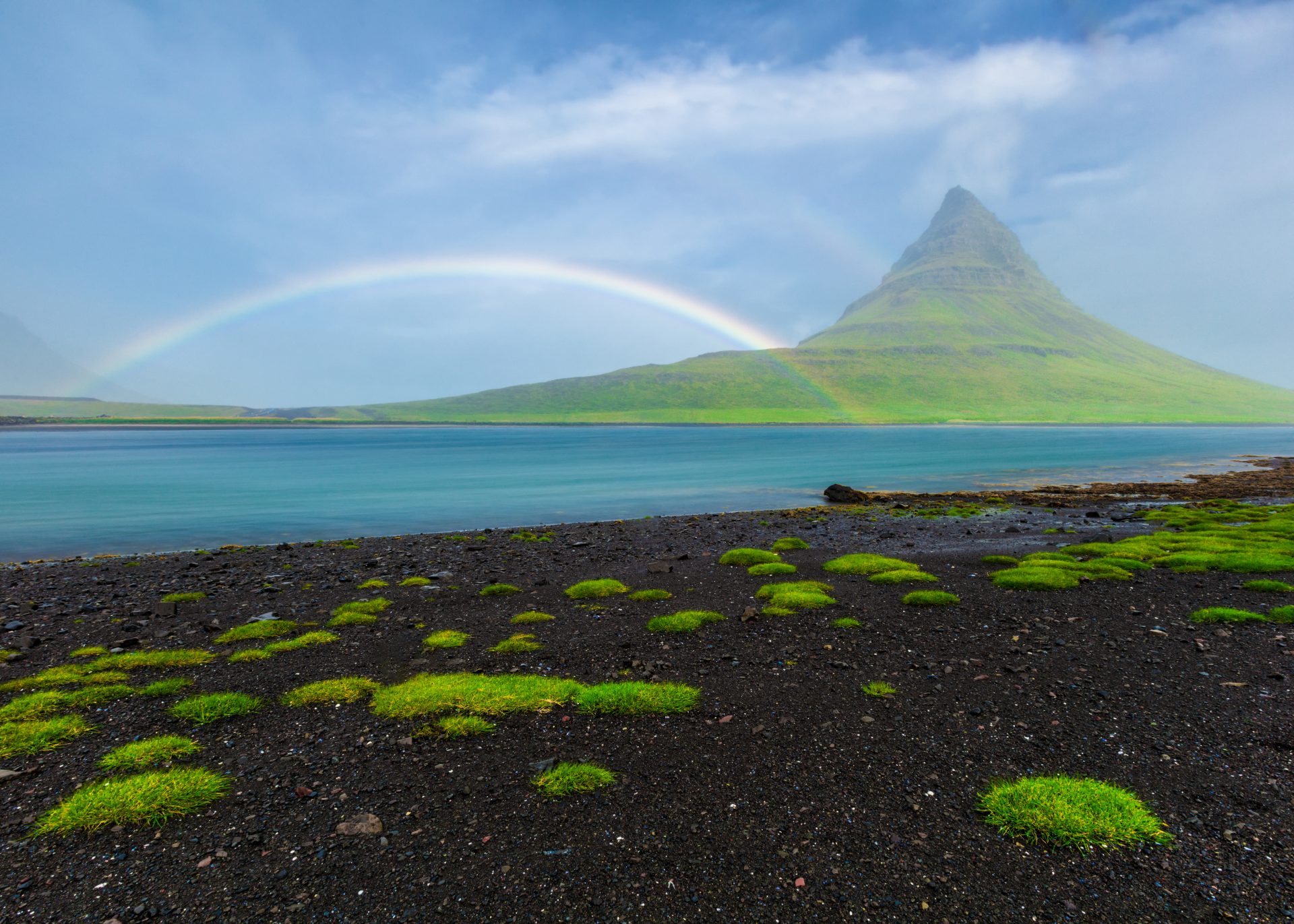
Best Places to See the Eclipse in Iceland
Snæfellsnes Peninsula
The Snæfellsnes Peninsula is our top choice for eclipse viewing, and not accidentally. It sits directly in the path of totality and offers some of the most varied landscapes in a small area. Open coastlines, volcanic formations, and broad horizons make it easy to follow the Sun as the light changes.
Popular viewing spots include Djúpalónssandur black sand beach, Öndverðarnes on the western tip, Skarðsvík Beach, and viewpoints near the Lóndrangar basalt cliffs. These locations combine accessibility with a strong sense of space.
From a technical and observational standpoint, the Snæfellsnes Peninsula is one of the most reliable and well-positioned locations in Iceland for observing the total solar eclipse on August 12, 2026. Its geographic position places it firmly within the path of totality, with favorable sun altitude and a clear horizon that supports uninterrupted viewing.
Eclipse Timing on Snæfellsnes
Exact timing varies slightly depending on your precise location on the peninsula, but the following is a realistic and practical overview for most Snæfellsnes viewpoints:
- Partial eclipse begins: approximately 16:44 local time
- Totality begins: approximately 17:45 local time
- Maximum eclipse: approximately 17:46 local time
- Totality ends: approximately 17:47 local time
- Partial eclipse ends: approximately 18:46 local time
Totality on Snæfellsnes lasts close to two minutes, which is near the maximum duration experienced on land in Iceland during this eclipse. This duration is long enough for safe naked-eye viewing during totality, for observing the solar corona, and for noticeable environmental changes such as light dimming and a temperature drop.
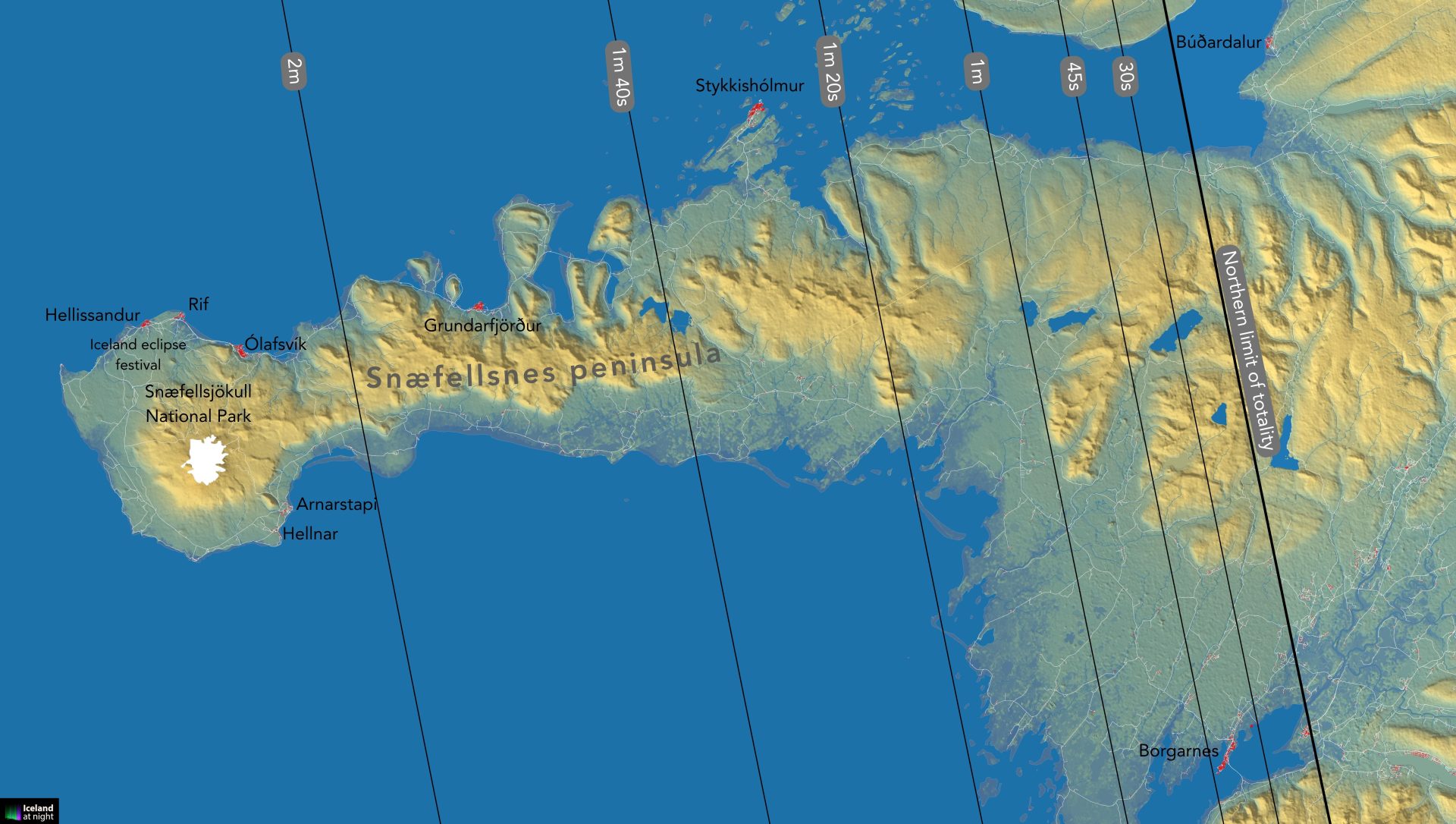
Author: https://eclipse2026.is/
Sun Position and Viewing Angle
During totality, the Sun will be positioned moderately high above the western to southwestern horizon. This altitude is technically favorable, as it reduces atmospheric distortion and makes the eclipse easier to observe and photograph than at low altitudes.
Snæfellsnes benefits from long coastal sightlines with minimal obstructions. There are no tall forests or urban structures, which means the Sun remains visible throughout the entire eclipse sequence from most open locations.
Recommended Viewing Locations on Snæfellsnes
These sites are well-suited for eclipse observation based on horizon clearance, accessibility, and orientation:
- Öndverðarnes (western tip of the peninsula): One of the westernmost accessible points on Snæfellsnes. It offers a clear ocean horizon and excellent exposure during totality.
- Skarðsvík Beach: Open coastal area with wide visibility and minimal elevation changes. Easy access and good positioning for both visual observation and photography.
- Djúpalónssandur: Broad black sand beach backed by volcanic formations. The open foreground and unobstructed sky make it suitable for technical viewing, though arriving early is essential due to popularity.
- Lóndrangar Viewpoints: Elevated coastal viewpoints with expansive sightlines. These locations offer stable ground and potential for wide-angle viewing, though wind exposure can be higher.
All of these locations are accessible via paved roads, which is an essential consideration on eclipse day when traffic volumes may increase.
Technical Considerations for Observation
- Eye protection: Certified solar eclipse glasses are required for all phases except totality.
- Photography: A solar filter is mandatory for cameras and lenses before and after totality. Remove the filter only once totality begins.
- Positioning: Arrive at your chosen location at least one hour before totality to avoid unnecessary movement during peak traffic.
Westfjords
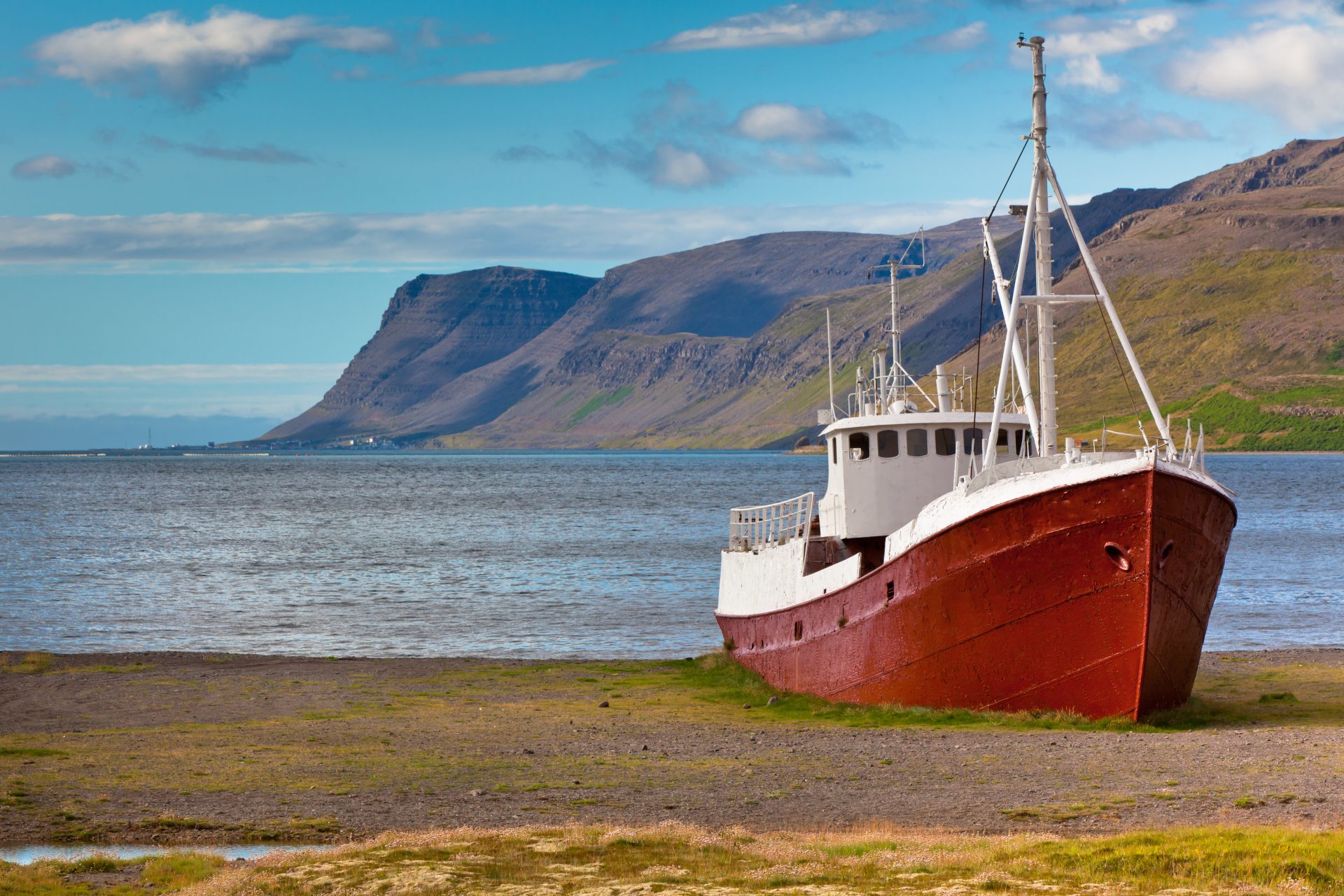
For travelers seeking remoteness, the Westfjords offer long periods of totality and dramatic scenery. Cliffs like Látrabjarg provide unobstructed ocean views and an unforgettable setting, though reaching this region requires careful planning and extra time.
Reykjavik and Nearby Coastlines
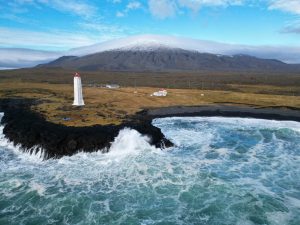
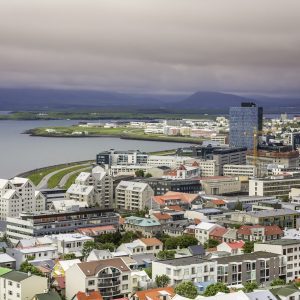
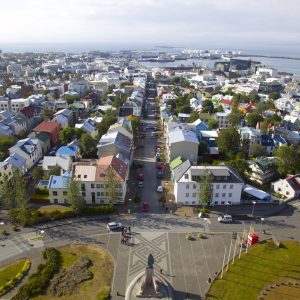
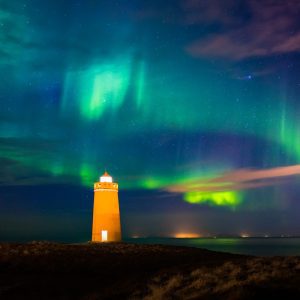
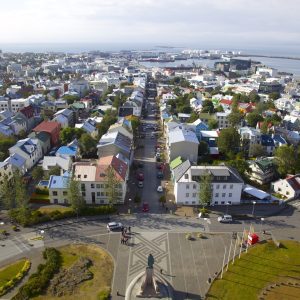
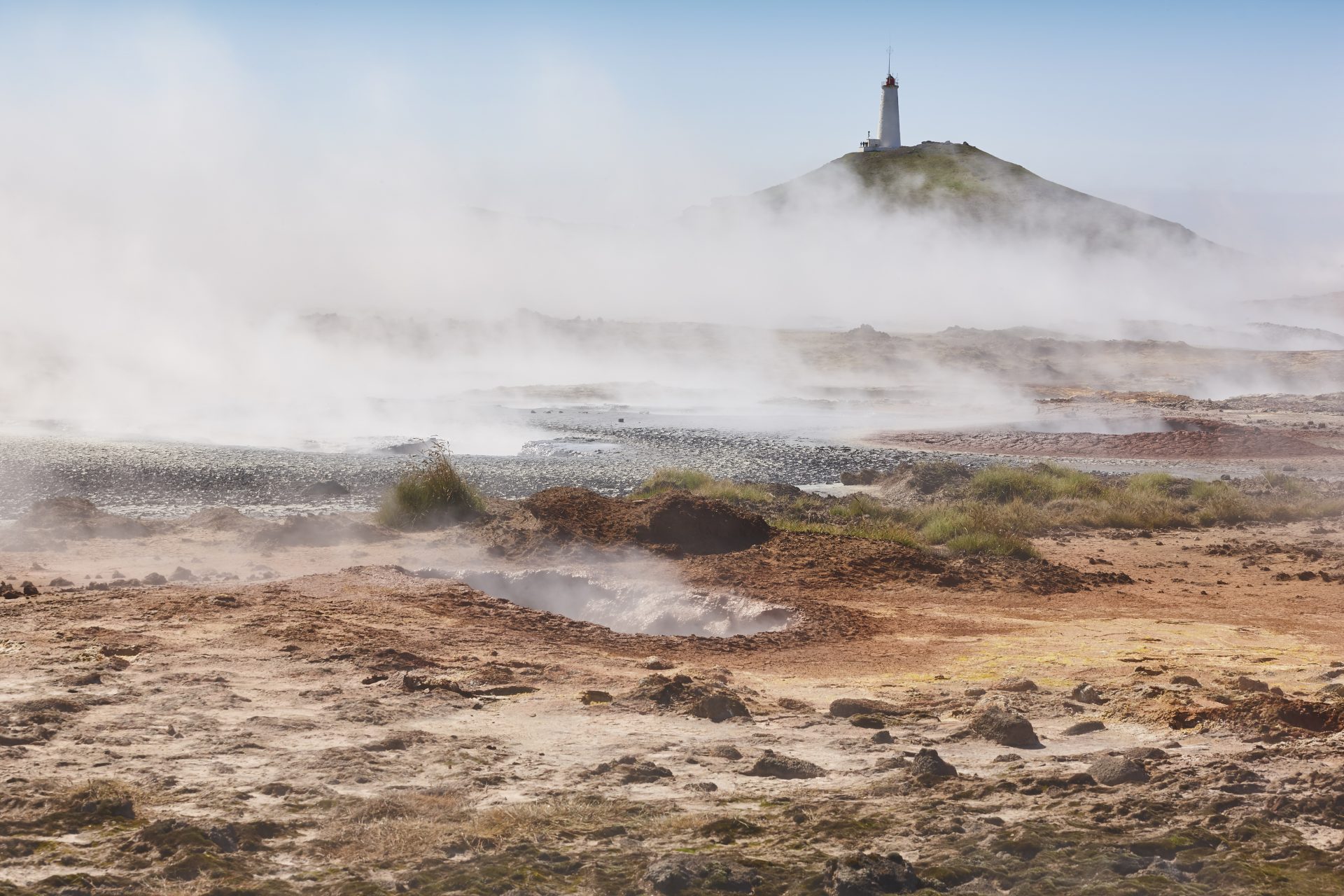
Even Reykjavik falls within the eclipse path. Locations such as Grótta Lighthouse offer easy access and open coastal views, allowing you to experience totality without leaving the capital area.
Our Solar Eclipse Self-Drive Tours: What Makes Them Different
We designed our eclipse tours around one core idea: remove uncertainty so travelers can focus on the experience itself.
Both of our solar eclipse self-drive packages include confirmed accommodation along the route. During a high-demand event like this, having pre-booked lodging near key locations is not just convenient; it’s essential. It is essential. Hotels and guesthouses in western Iceland are limited, and availability will tighten quickly as August 2026 approaches.
6-Day Self-Drive Tour
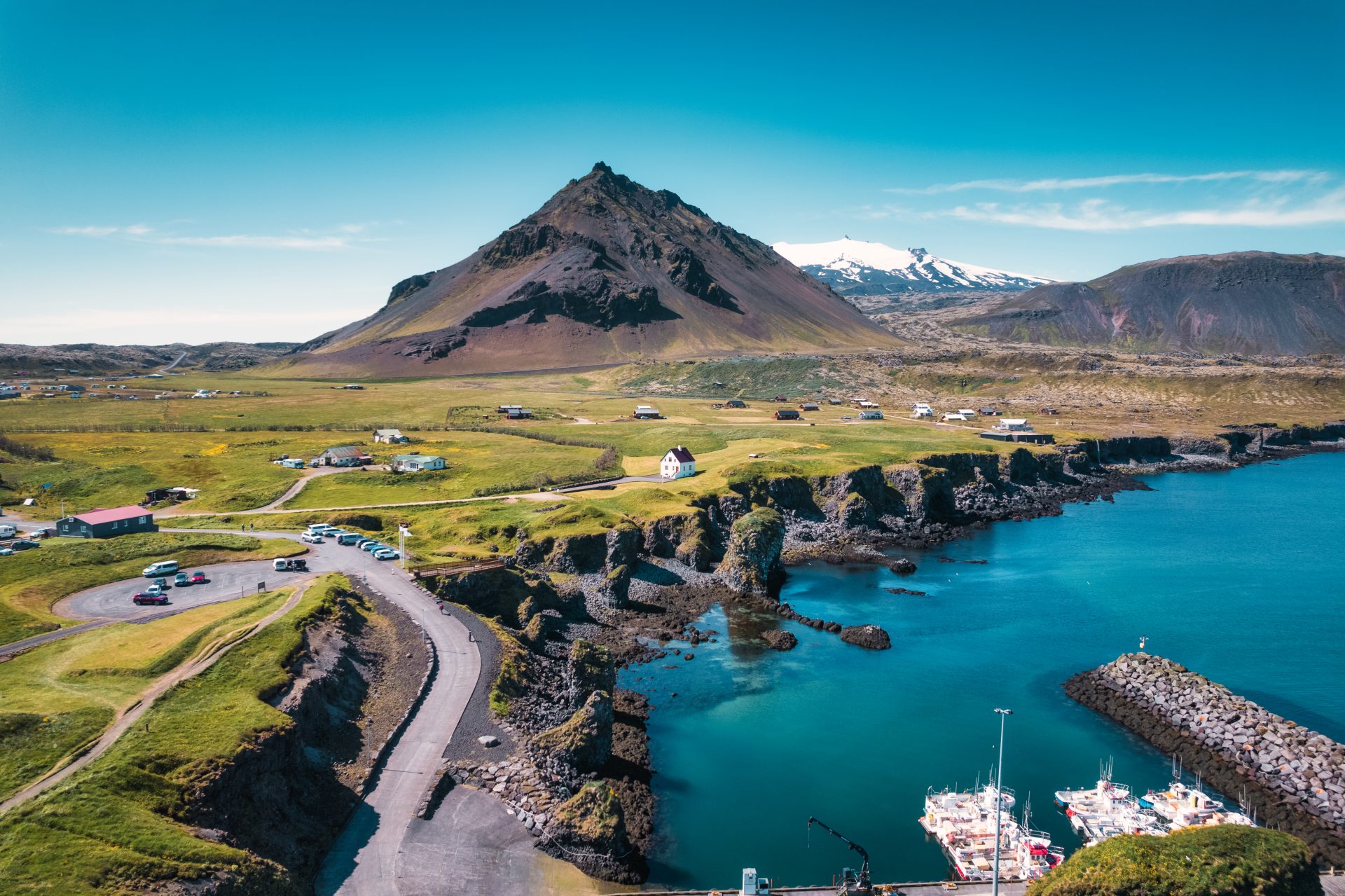
This itinerary focuses on the Golden Circle, South Iceland, and Snæfellsnes. It is ideal for travelers who want a strong mix of iconic sights and quieter regions. The route naturally positions you on Snæfellsnes for eclipse day, with accommodation already secured, so you do not need to relocate at the last minute.
It is a balanced journey that leaves room for spontaneous stops without feeling rushed.
Here you can check the 6-day itinerary.
10-Day Ring Road Self-Drive Tour
The 10-day option is a complete loop of Iceland, designed for those who want depth and variety. You will experience glaciers, fjords, volcanic plains, fishing villages, and geothermal landscapes before arriving in Snæfellsnes for the eclipse.
With accommodation confirmed throughout the journey, this route allows for a relaxed pace and fewer logistical concerns during one of the busiest travel periods of the year.
Here you can check the 10-day itinerary.
Frequently Asked Questions About the Solar Eclipse in Iceland
Below are the most common questions we receive from travelers planning to visit Iceland for the 2026 event.
Will the eclipse be total everywhere in Iceland?
No. Only areas within the path of totality will experience a full solar eclipse. Western Iceland is best positioned, including Snæfellsnes and parts of the Westfjords. Other regions will see a partial eclipse, where the Sun is only partly covered.
Do I need special glasses to watch the eclipse?
Yes. You must use certified solar eclipse glasses to look at the Sun safely before and after totality. During the brief moment of totality, it is safe to look without protection, but only when the Sun is fully covered. We always recommend bringing eclipse glasses with you, as they may be difficult to find locally at the last minute.
What happens if it is cloudy during the eclipse?
Clouds are always a possibility in Iceland, even in August. That is why flexibility matters. One advantage of self-drive travel is the ability to adjust your location if weather conditions shift. Coastal areas often have different cloud patterns than inland regions, and short drives can sometimes make a big difference.
Will Iceland be crowded during the eclipse?
We expect higher visitor numbers, especially in western Iceland. This is a rare event, and interest is already strong. Areas like Snæfellsnes have limited accommodation, so that availability will be tight closer to the date. This is one reason our solar eclipse tours include confirmed accommodation, removing uncertainty during a high-demand period.
Can I see the eclipse from Reykjavik?
Yes. Reykjavik lies within the path of totality. Locations such as Grótta Lighthouse offer open coastal views and easy access. That said, many travelers prefer to be outside the city for a quieter, more immersive experience.
Is it safe to drive in Iceland during the eclipse?
Driving itself is safe, but we strongly advise not driving during totality. Pull over well in advance and choose your viewing location early. Many people will be on the roads that day, so patience and planning are key. Our self-drive itineraries are designed to avoid unnecessary long-distance driving on eclipse day.
What makes a self-drive tour a good option for the eclipse?
Self-drive travel allows flexibility, control, and comfort. You are not tied to a fixed group schedule, and you can adjust your plans based on weather or road conditions.
How early should I start planning my eclipse trip?
Earlier than you might expect. August is already a popular travel month, and the eclipse adds significant demand. Flights, rental cars, and accommodation will fill up well in advance. Planning early gives you more choices and less stress as the date approaches.
A Moment Worth Planning For
The solar eclipse in Iceland in 2026 will last only minutes, but the memory will stay much longer. Watching the Sun disappear over lava fields and the ocean is not something that can be replicated elsewhere in quite the same way.
If you are considering traveling for the eclipse, we encourage you to start early. Whether you choose a shorter journey or a whole Ring Road adventure, Iceland offers a rare chance to witness one of nature’s most powerful events in a landscape that already feels extraordinary.
We would be happy to help you experience it with confidence, local knowledge, and the kind of preparation that lets you look up and enjoy the moment.