Why the Faroe Islands Should Be Your Self-Drive Destination in 2026


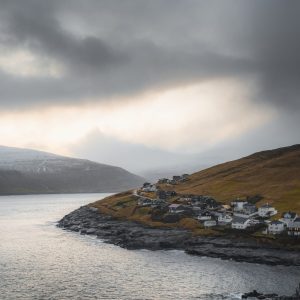
The Faroe Islands are quietly reshaping themselves into one of the most rewarding self-drive destinations in Europe. While the landscapes remain wild and untouched, the infrastructure, cultural experiences, and visitor policies continue to mature. By 2026, travelers will enjoy the easiest and most comfortable version of the Faroes ever created, without losing the raw beauty and solitude that make the islands so extraordinary.
This is a place where sea cliffs tower above quiet roads, where the air feels clean even in midsummer, and where villages still move at a gentle rhythm. For travelers seeking meaningful experiences, especially those who appreciate calm days, reliable roads, and flexible itineraries, 2026 offers the perfect window to explore the Faroes in a way that feels personal, safe, and fully immersive.
Below is a detailed look at why the Faroes belong at the top of your 2026 travel plans.

2026 Will Offer the Most Seamless Island Connectivity in Faroese History
Driving between islands has never been easier. Over the last decade, the Faroes have created a modern network of undersea tunnels, improved mountain roads, and introduced automatic toll systems. By 2026, these upgrades will be fully integrated and supported by improved signage and navigation resources.
Driving from one region to another will feel smoother and more intuitive, even for first-time visitors. What once required a ferry or detour now takes only minutes through well-lit underwater passages. This allows travelers to craft flexible journeys, visiting several islands in a single day without rushing.
For travelers who enjoy unhurried exploration with scenic stops, 2026 will offer the most accessible Faroes ever.
Local Tip: Ask your rental agency whether automatic tunnel payments are included in the contract. It simplifies your journey from the moment you leave the airport.

The Islands Will Remain Peaceful While Gaining Global Recognition
Interest in the Faroe Islands continues to grow, especially among travelers seeking quieter alternatives to Iceland and Norway. Despite this, the Faroese government remains committed to regulated, sustainable tourism. Preservation policies help ensure that local lifestyles, small villages, and fragile landscapes remain intact.
By 2026, you will still find long stretches of road without another car in sight. You will still hear only sheep, wind, and ocean at viewpoints. And you will still find that the pace of life moves gently, allowing visitors to enter a state of calm rarely felt in modern travel.
Local Tip: Visit smaller harbors such as Fuglafjørður or Tvøroyri. They remain peaceful year-round and provide a genuine look into everyday island life.

Continued Investment in Sustainable Tourism Will Support Self-Drive Travel
The Faroes have invested significantly in sustainable visitor programs, and by 2026, these will be even more refined. Upgraded signage, well-maintained paths, defined parking areas, and improved access points will help protect nature while making exploration easier.
Sensitive areas like Mykines, Tjørnuvík, and Saksun are likely to have updated visitor guidelines in place, supporting both conservation and comfort. These changes create a smoother, more respectful travel experience that aligns well with slower-paced travelers.
Local Tip: Look for official signs marked “Heimstaðir” or “Heritage Sites.” These often point to small cultural landmarks that are just as rewarding as larger attractions.

A Perfect Destination for Travelers Seeking Space and Comfort
Self-drive travel in the Faroes suits those who enjoy a slower rhythm. Distances are short, viewpoints are accessible, and there is no pressure to rush between destinations. Road conditions in 2026 will continue to improve, offering stability in all seasons.
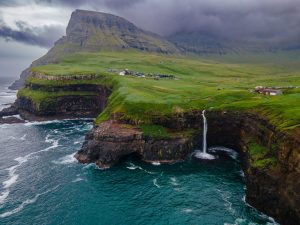
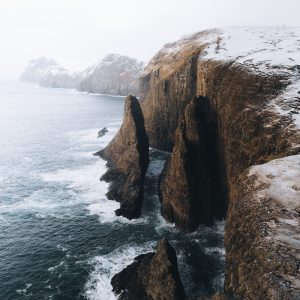
Many of the most iconic sights are visible from short walks or parking areas, meaning you can enjoy dramatic scenery without long hikes. Places like Norðradalur, Bøur, Gásadalur, Viðareiði, and Gjógv offer world-class views within a few steps of your car.
Older travelers appreciate the sense of ease and safety, combined with the freedom to explore at their own pace.

Expanding Cultural Experiences Will Enrich Your Time on the Islands
Cultural offerings grow richer each year. By 2026, travelers can expect more exhibitions, guided heritage tours, culinary workshops, and village-based events. Many of these experiences will be offered in English and designed for small groups, which supports intimate, meaningful travel.
The food scene continues to evolve, blending Faroese traditions such as dried lamb and fermented fish with modern Nordic influences. Coastal cafés and small bakeries are increasing in number, especially in villages that previously had few visitor services.
Local Tip: Look for community halls that host “open evenings” featuring homemade soup, local stories, and simple desserts. These gatherings often welcome visitors.

Nature and Wildlife Seasons Remain Predictable for Trip Planning
Unlike some destinations with unpredictable animal migrations, the Faroes offer reliable seasonal patterns. This consistency helps travelers plan trips well in advance.
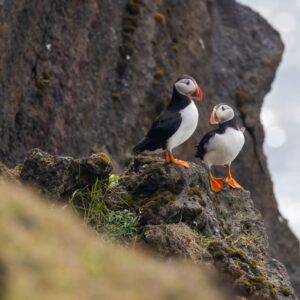
• Puffins arrive each spring and stay until mid-late summer.
• Guillemots, fulmars, and kittiwakes nest reliably along the cliffs.
• Wildflowers bloom from late May into July.
• Heather and cloudberries bring rich colors in August.
• Autumn transitions are gentle and atmospheric.
For visitors planning a 2026 trip, this makes it easier to choose the right month for photography, wildlife watching, or quiet scenic drives.

Ferries and Helicopters Will Provide Smooth Access to Remote Areas
The Faroese ferry network is reliable and scenic, offering easy access to islands that feel remote yet reachable. Helicopter routes, operated as part of the public transport system, remain surprisingly affordable and safe.
By 2026, increased clarity in scheduling, online booking systems, and traveler information will give self-drive travelers more flexibility. You will be able to smoothly weave sea crossings into your driving days, creating a varied and enjoyable itinerary.
Combining a ferry one way and a helicopter the other remains a favorite experience for travelers seeking contrast and adventure.

Photography Locations Will Be More Accessible and Visitor-Friendly
As the Faroes appear increasingly in global photography, local authorities are responding with improved access. Expect clearer routes to key viewpoints, defined parking areas at popular spots, and enhanced visitor flow at locations with previously limited infrastructure.
These improvements make 2026 an excellent year for travelers who enjoy photography, especially those who may not want to hike long distances. Many iconic scenes are along the roadside or require only short walks.

Weather Patterns Create Comfortable Driving Conditions Throughout the Year
The Faroe Islands have a mild maritime climate influenced by the Gulf Stream. While weather changes quickly, conditions rarely become extreme.
Spring is gentle, summer brings mild skies, autumn is colorful and calm, and winter offers atmospheric drives with short, manageable daytime distances. Visitors in 2026 can expect carefully maintained roads and consistent tunnel conditions year-round.
Travelers who enjoy coastal and mountain scenery will appreciate the variety of moods the islands display within a single day.

The Faroes Offer a Unique Form of Luxury: Space, Silence, and Stillness
In a world of crowded destinations, the Faroe Islands stand apart. Luxury here is measured not by hotels or shopping districts but by silence, clean air, uncrowded roads, and open views.
You will find:
• Viewpoints where you hear only waves and wind
• Villages where time feels unchanged
• Roads where you can pull over safely and absorb the landscape
• Evenings that invite reflection rather than entertainment
For many travelers, this sense of space is what draws them back.

Inspiring Themes for Your 2026 Self-Drive Adventure
To help shape your planning, here are sample themes for a slow-paced, scenic itinerary.
Coastal Panorama Journey:
Follow the western coast of Vágar, Streymoy, and Eysturoy to experience some of the most open horizons in the Faroes.
Village Heritage Circuit:
Visit Kirkjubøur, Sandur, Elduvík, and Viðareiði to understand local history, farming traditions, and coastal life.
Relaxed Lighthouse Tour:
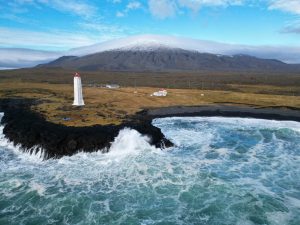
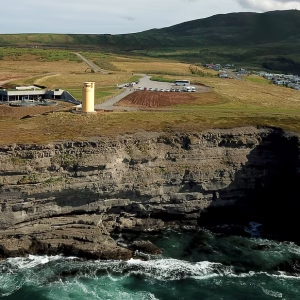
See lighthouses at Kallur, Akraberg, and Tórshavn to appreciate the islands’ maritime identity.
Fjord and Mountain Reflection Route:
Drive through Norðradalur, Gjógv, and the areas surrounding Eiði for expansive views and dramatic cloud patterns.
Each can be enjoyed at a gentle pace, with no long driving days required.

Essential Self-Drive Tips for Your 2026 Journey
Planning a self-drive trip in 2026 comes with a few considerations that make travel smoother and more enjoyable.
Choose a vehicle suited to narrow lanes: Opt for a compact or mid-size car rather than a large SUV. Village roads and rural pull-outs are easier to navigate with smaller vehicles.
Use the car as a mobile viewing platform: Keep binoculars and a light blanket in the car. This allows you to stop comfortably at spontaneous scenic points without stepping out into the wind or drizzle.
Check local radio for community notices: Faroese radio often announces temporary road advisories, sheep movements, or small events that may affect travel. Even if you do not speak Faroese, key information is repeated in English during the summer.
Plan restroom stops around villages: Public restrooms are available in most larger towns and at many cultural attractions. Note them on your map before long drives through quieter regions.
Respect private land and unlocked gates: Some rural areas have open gates that appear public. Unless marked otherwise, assume they protect farmland and leave them as you found them.
Prepare for sensory variety: Expect sudden shifts in wind, temperature, and visibility. These changes add to the experience rather than detract from it. Take them as part of the islands’ rhythm.
Carry a small insulated mug: Hot tea or coffee makes roadside viewpoints more enjoyable, especially in cooler months.
Use both official and local maps: Online maps are good, but local tourist offices often provide detailed paper maps with viewpoints, historical sites, and walking suggestions not listed online.
Take advantage of quiet midday hours: Many visitors eat midday meals around 12:00 or 13:00. This is an excellent time to visit popular viewpoints, as fewer people are there.
Record your own weather notes: Weather differs dramatically by island. Keeping notes of where you found clear skies helps you plan the next day more confidently.
These tips are designed for slow-paced, observational travelers who want to enjoy the Faroes in comfort and without rushing.

The Faroe Islands offer a rare blend of modern infrastructure and wild scenery, making 2026 an enriching year to visit. With improved connectivity, sustainable tourism initiatives, expanded cultural offerings, and predictable nature seasons, the islands are ideally suited for self-drive travel.
Whether you come for dramatic viewpoints, quiet coastal roads, welcoming villages, or the luxury of uninterrupted space, the Faroes provide a journey that stays with you long after you return home.
For travelers who enjoy peaceful roads, meaningful encounters, and slow discovery, the Faroe Islands stand out as one of Europe’s most distinctive destinations for 2026.