What Is the Cheapest Way to Self-Drive in Iceland in 2026? Guide to Budget-Friendly Road Trips


If you want to experience Iceland’s landscapes at your own pace without spending more than necessary, a self-drive trip is still the most flexible and budget-friendly way to travel. With thoughtful planning, realistic routes, and a few local habits, you can cut costs on car rental, fuel, meals, and accommodation while still enjoying Iceland’s famous waterfalls, volcanic coasts, and quiet country roads.
Many visitors assume Iceland will strain their budget, yet much of the cost comes from rushed itineraries, overbooking, expensive upgrades, and staying only in the busiest areas. A slower, more local style of travel tends to be both cheaper and far more rewarding. The advice below reflects how most Icelanders travel and shows how to plan an affordable trip without sacrificing comfort.

Why Self-Drive Works Well for Budget-Minded Travelers
Driving your own route allows you to shape your days around your interests, not fixed timetables. It makes it easier to stay in less expensive towns, cook your own meals, and spend your time enjoying natural attractions that cost nothing. Iceland’s landscapes reward people who take their time, and most of the country’s beauty is found outside paid attractions.
Local Tip: Prices drop noticeably once you leave Reykjavík and the main South Coast corridor. Simply sleeping a short drive away from the most popular areas can save a significant amount.

When to Travel: Choosing the Best Seasons for Lower Costs
Shoulder Seasons Offer the Best Value
If your dates are flexible, the most budget-friendly months for a self-drive trip are:
During these periods, car rental rates are lower, accommodations are more available, and flights are often cheaper. Daylight is extended, the weather is mild, and you can explore most regions comfortably.
Is Winter the Cheapest Option?
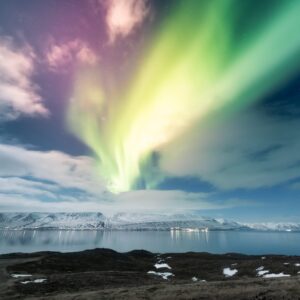
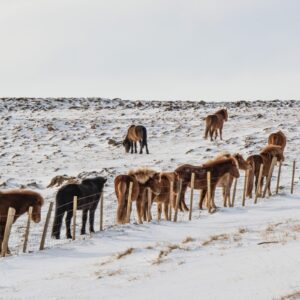
Winter brings the lowest prices for flights and hotels. However, it requires confidence behind the wheel because roads can be snowy or icy. A 4×4 vehicle is necessary, and weather forecasts matter. For travelers comfortable with winter conditions, the rewards include quiet roads, northern lights, and cozy rural stays at very fair rates.

Choosing the Right Car: How to Keep Rental Costs Down
Car rental tends to be one of the most significant expenses, but careful choices help keep the cost under control.
Pick the Smallest Car That Suits Your Route
If you plan to stay on paved roads, a compact car is perfectly suitable from late spring to early autumn. Larger vehicles cost more to rent and fuel.
Book Early for Better Prices
Car rental prices rise as availability drops. Booking several months in advance gives you both better rates and more choices.
Skip Add-Ons You Do Not Need
- Manual transmission costs less than automatic
- You do not need a 4×4 for the Ring Road in summer
- Rooftop tents and oversized engines are often unnecessary
Choose a Fuel-Efficient Vehicle
Fuel is expensive in Iceland, so a car with good mileage lowers your daily cost.
Local Tip: Diesel engines tend to be more efficient for long routes in the Westfjords, North, and East.

Affordable Places to Stay During a Self-Drive Trip
Guesthouses and Farm Stays
These are usually cheaper than large hotels, offer a personal atmosphere, and often include breakfast.
Self-Catering Cabins and Apartments
Having a kitchen dramatically lowers your food bill. Preparing simple meals in the evening can save a surprising amount over the course of a week.
Choose Smaller Towns and Villages
Prices rise in Reykjavík, Vík, and central Akureyri. Neighboring communities often offer:
- Lower room rates
- A calmer atmosphere
- Free parking
- Family-run cafés and bakeries
Campgrounds for the Lowest Cost
Open from May to September, official campgrounds provide showers, cooking areas, and bathrooms. Wild camping is not allowed, but designated sites are easy to find.
Local Tip: Many budget travelers combine camping with occasional cabin stays to balance comfort and cost.

Save on Food: Where to Eat and What to Buy
Food can be a significant expense, but there are simple ways to keep it manageable.
Shop at Budget Supermarkets
These stores offer the lowest prices on groceries, snacks, and sandwiches.
Cook in Your Accommodation
Guesthouses with shared kitchens and self-catering cottages help you avoid expensive dinners.
Eat at Swimming Pools
Local pools often have cafés serving good soup, sandwiches, and pastries at reasonable prices.
Try Lunch Instead of Dinner
Restaurants offer better prices at lunchtime. If you want to sample Icelandic cuisine without overspending, lunch is the best time.

Enjoy Iceland’s Free and Low-Cost Attractions
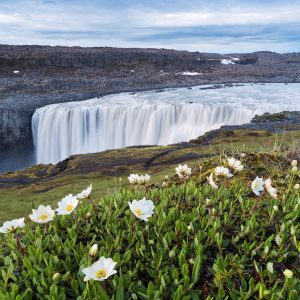
Some of Iceland’s most memorable experiences cost nothing at all. Natural attractions are open to the public year-round.
Highlights That Do Not Require a Ticket (*some of them require a parking fee only):
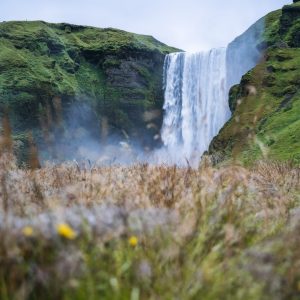
- Skógafoss
- Gullfoss
- Seljalandsfoss
- Fjaðrárgljúfur
- Reynisfjara
- Dyrhólaey
- Hraunfossar and Barnafoss
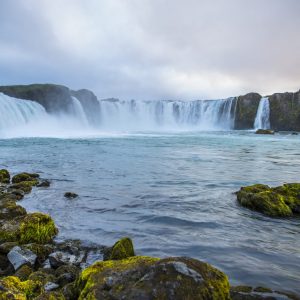
- Goðafoss
- Scenic roads of the Westfjords
- Eastfjords fishing communities
Affordable Local Experiences:
- Village museums
- Geothermal pools
- Birdwatching cliffs
- Harbor walks
- Sunset beaches
Local Tip: The most memorable moments often happen on quiet side roads, where a small café, farm shop, or unexpected waterfall becomes part of your day.

Keeping Fuel Costs Manageable
Fuel is a significant part of any Iceland road trip, but several habits help minimize spending.
Plan Efficient Routes
Circular itineraries and multi-night stays reduce unnecessary driving.
Drive Smoothly
Steady speeds save fuel, and Iceland’s modest limits encourage a relaxed pace.
Use Self-Service Fuel Stations
Automated pumps occasionally offer lower prices. Always keep the tank above half in rural areas. Sometimes the car rentals include a discount tag during the rental, which works at specific stations.
Share the Trip
Traveling with another couple or family spreads costs and makes the journey more social.

Choosing Cheaper Regions to Explore
Some regions naturally offer better value. While driving farther increases fuel costs, staying in remote areas often offers lower accommodation prices, cheaper meals, and free access to natural attractions. In many cases, the savings offset the distance.
North Iceland
Calm roads, friendly towns, and fair prices. Dalvík, Siglufjörður, and Sauðárkrókur offer excellent value guesthouses and scenic routes with no entrance fees.
East Iceland
The Eastfjords feel authentic and peaceful, with artistic villages, good cafés, and lower accommodation rates than the South Coast.
Westfjords
Room rates are reasonable, museums are inexpensive, and nature remains entirely free. Fuel costs are higher due to long distances, but travelers often spend less overall than in the south.
Remote Peninsulas
Melrakkaslétta, Langanes, Vatnsnes, and parts of Snæfellsnes remain quiet even in summer. These areas often offer simple, affordable accommodation and beautiful, empty roads.
Local Tip: Staying in remote areas can cut accommodation costs by 20 to 40 percent while offering a richer local experience.

Local Tips That Make a Big Difference
Slow Travel Saves Money: Shorter driving days mean less fuel and more time to enjoy free or low-cost experiences.
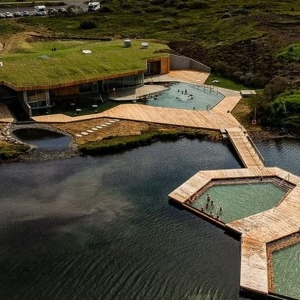
Choose Swimming Pools Over Spas: Almost every town has a geothermal pool. Entry fees are modest, and facilities are excellent.
Bring Reusable Containers: Supermarket lunches travel well and help avoid impulse purchases.
Stay Multiple Nights in One Place: Guesthouses often offer lower rates for longer stays, and you burn less fuel.
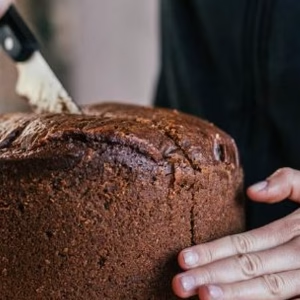
Eat Simple Local Dishes: Icelandic soups, fish of the day, and rye bread plates are filling and affordable.
Plan Ahead in Rural Areas: Shops may close early. Buying essentials in advance prevents expensive, last-minute purchases.

Summer vs Winter: Which Season Is Cheaper?
Summer in Iceland and winter trips can be affordable if you choose the right travel style.
Summer
- Lower fuel use
- Easier roads
- More daylight
- Higher room and rental prices
- No need for winter tires
Best for travelers who prefer comfortable conditions and longer sightseeing days.
Winter
- Cheaper flights
- Lower hotel rates
- Beautiful northern lights
- Higher fuel use
- A 4×4 is necessary
- Weather can require flexibility
Best for confident drivers who want quiet landscapes and good value.

Self-Drive Packages by Nonni Travel: A Budget-Smart Choice
While many visitors book everything separately, Iceland’s prices often favor bundled travel. As a long-established local company, we work directly with family-run guesthouses, regional hotels, museums, and car-rental partners. This allows us to offer contracted rates that are not publicly available.
How Our Packages Help You Save:
- Better accommodation pricing thanks to long-term local partnerships
- Negotiated car-rental rates with included essentials
- Multi-night discounts in selected regions
- Route planning that reduces fuel use
- Carefully chosen accommodations outside the highest-priced hubs
You still travel independently, with complete freedom, but the overall cost is optimized before you even land.
Local Tip: Many travelers find that a curated package lowers their expenses while removing the stress of comparing dozens of options.

FAQ: Cheapest Way to Self-Drive in Iceland
How much does a budget-friendly self-drive trip in Iceland usually cost per day?
Most travelers who plan carefully spend between 120 and 170 EUR per day. This usually includes a small rental car, fuel for moderate distances, groceries or simple meals, and accommodation in guesthouses or self-catering cabins. Costs vary by region and season, but travelers who avoid the most crowded areas tend to stay closer to the lower end of this range.
Is it cheaper to pick up a rental car at Keflavík Airport or in Reykjavík?
Keflavík is often the more affordable option because it removes the need for a separate airport transfer or shuttle. It also lets you start your trip immediately, saving both time and fuel. Some rental companies maintain larger fleets at Keflavík, which can mean slightly better pricing and availability.
Are electric cars a good budget choice for driving in Iceland?
Electric cars can be an excellent way to reduce daily travel costs, especially for routes on the South and West coasts, where charging stations are common and distances are shorter. Charging prices are generally lower than fuel costs, and some accommodations even offer free or low-cost charging. For remote regions, however, range and charger availability should be checked in advance.
Which payment cards work at Iceland’s automated fuel pumps?
Most international debit and credit cards work, but the pumps require a card with a PIN. Some stations also pre-authorize a set amount before fueling begins. Bringing at least one backup card is wise, particularly in rural areas where the next station might be far away.
Is it more economical to buy alcohol in Iceland or bring it from home?
Alcohol is heavily taxed in Iceland, so buying it duty-free upon arrival is the cheapest option. Many travelers pick up a bottle of wine or beer at the airport to enjoy at their accommodation. Grocery stores cannot sell alcohol, so restaurants and licensed shops tend to be expensive.
Are natural hot springs expensive to visit?
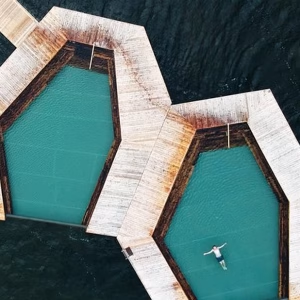
Many natural hot springs are free, and most town swimming pools charge only a small entrance fee. These pools offer hot tubs, saunas, and clean changing facilities, and they are an essential part of everyday Icelandic life. Choosing pools over private spas can save a substantial amount of money during your trip.
How can I avoid paying high parking fees during my trip?
Parking is free in nearly every town outside Reykjavík, and even within the capital, some zones are free during evenings and weekends. When visiting natural attractions, always check the signage. A few popular sites have parking fees, but they are easy to identify and usually cost only a small fixed amount.

Are domestic flights or ferries cheaper than driving long distances?
Driving is usually the best-value option, especially if you plan to explore multiple regions. Domestic flights can be convenient in winter when daylight hours are short, but they rarely beat the cost of fuel when traveling with more than one person. Ferries can be helpful for specific routes, such as visiting Vestmannaeyjar or the Westfjords, but they tend to complement rather than replace driving.
Can I skip guided tours and still see Iceland’s major highlights?
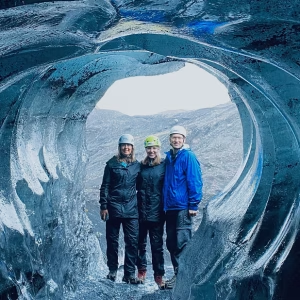
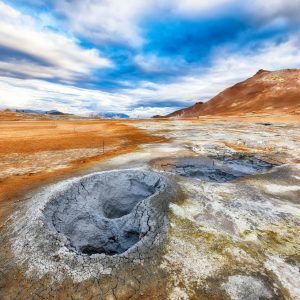
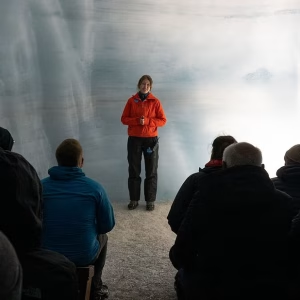
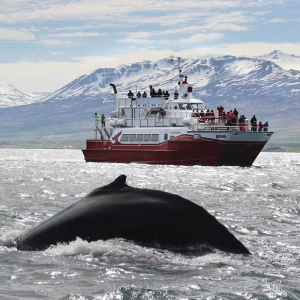
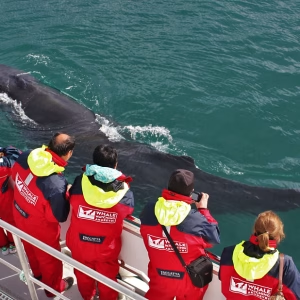
Yes. Most of Iceland’s iconic sights are easy to visit on your own. Waterfalls, beaches, basalt cliffs, geothermal areas, and scenic viewpoints all offer direct access from the road. Save guided tours for activities that require special equipment or expertise, such as glacier walks, ice caves, whale watching, or snowmobiling.
Do smaller towns offer discounts for longer stays?
Many guesthouses and cabins provide better nightly rates if you stay two or more nights, especially outside peak weeks. Longer stays also reduce fuel consumption and create a calmer travel rhythm, which many visitors find more enjoyable. Hosts in rural areas are often happy to give local tips for hiking trails, pools, or small cafés when you settle in for more than one night.
Is it cheaper to focus on one region instead of driving the whole Ring Road?
Yes. Staying within a single region often dramatically reduces your total costs. You use far less fuel, drive shorter distances each day, and have more time to enjoy free or low-cost activities. Regions like Snæfellsnes, North Iceland, and the Eastfjords offer enough variety for a whole week without needing to circle the island.
Do grocery stores in Iceland have affordable ready-made meals?
Most supermarkets sell reasonably priced ready-made items such as sandwiches, salads, soups, and small hot meals. These options are popular with locals and travelers who want to avoid restaurant prices while still eating something fresh. They are handy for lunch stops while driving.
Are tolls common on Icelandic roads?
No. Iceland has very few tolls. The main one is the Vaðlaheiðargöng tunnel near Akureyri, and even that toll is modest and paid online. Otherwise, all major roads, including the Ring Road, are free to use.
Is travel insurance important for a budget self-drive trip?
Yes. Travel insurance might feel like an extra cost, but it protects you from unexpected expenses such as missed flights, medical issues, or weather-related delays. For car rentals, gravel protection and standard collision insurance are especially useful, as Iceland’s roads can be unpredictable.
How can I keep my trip flexible without increasing costs?
Plan your route around longer stays and avoid rigid reservations that lock you into unnecessary driving. Keep an eye on weather forecasts, choose accommodations with free cancellation when possible, and allow room for spontaneous stops. Flexibility helps you avoid long detours, save fuel, and have more relaxed travel days.

A self-drive trip remains one of the most affordable and fulfilling ways to explore Iceland. With thoughtful planning, brilliant timing, and a willingness to slow down, you can reduce your expenses while still experiencing the country at its best. By choosing smaller towns, traveling during the right seasons, cooking your own meals, and exploring remote regions, you create a journey that feels both economical and deeply memorable.