August in the Faroe Islands: Self-Drive Travel Guide & Our Tips


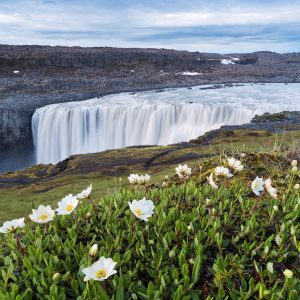
August feels unhurried in the Faroe Islands. The busiest travel weeks have passed, the light softens, and the landscape glows in deep shades of green and gold. Ferries still sail on full schedules, tunnels hum quietly, and even the wind calms.
August is the ideal month for those who prefer wide horizons and peaceful drives. It is warm enough for outdoor coffee breaks, and long enough in daylight to see everything without rushing.
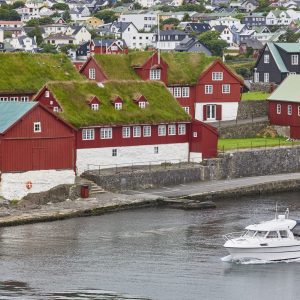
By now, Faroese summer has settled into its stride. Villages slow down, sheep graze lazily by the roadside, and the sea cliffs echo with the last calls of seabirds preparing to leave.

What August Really Feels Like
August brings mild, maritime summer rather than heat. Expect fresh air, broken sun, and passing showers that move through quickly.
Average High: 13 °C (55 °F)
Average Low: 10 °C (50 °F)
Rain Days: 12–15
Daylight: 14–17 hours
Wind: Light to moderate
Daylight rhythm: Early August offers about 17 hours of daylight with sunrise around 5 AM and sunset after 10 PM. By the end of the month, there are still more than 14 hours, enough for full-day drives and relaxed evenings.
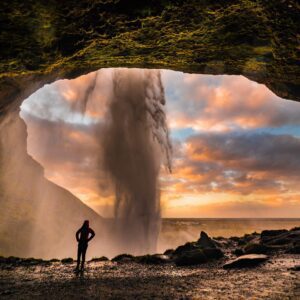
The light is warmer now, the shadows longer, and sunsets linger in golden haze. Locals call it “the quiet glow.”
Local Tip: Because daylight fades earlier each week, schedule longer coastal drives early in your trip and keep shorter scenic loops for later days.

Why August Works So Well for a Self-Drive
- Roads are fully open, and traffic is calm.
- Ferries, tunnels, and helicopters run reliable summer timetables.
- Temperatures are mild and pleasant for walking and photography.
- Fewer visitors mean easier parking and more flexible bookings.
- Puffin season runs until mid-month, the last chance to see them before migration.
By August, locals return from holidays, cafés reopen with quieter energy, and the islands feel both social and serene.

Late-Summer Weather Microclimates
The Faroes are a patchwork of weather zones. If one island sits in fog, another may shine in clear light. This unpredictability is part of the charm.
- If Tórshavn is misty, drive west to Vágar or south toward Sandoy.
- If Eysturoy is cloudy, the northern isles often clear faster.
- After rain showers, sunlight often returns within minutes.
Local Tip: Locals never cancel plans for drizzle. They simply change direction. Check vedur.fo and yr.no in the morning, pick the clearest region, and follow the light.

The Mood of August
By now, the rhythm of summer has slowed. Schoolchildren return to class mid-month, and village festivals turn inward. Fields show the first hint of autumn tones, and the air smells faintly of salt and heather.
Evenings invite gentle drives or slow harbour walks. Locals sip coffee outdoors in sweaters, and bonfires glow quietly by beaches after dark.
Local Tip: Keep a small blanket or shawl in the car. Locals often stop by viewpoints spontaneously for tea or simply to watch the sky change.

Unique August Experiences
1. Summarfestivalurin in Klaksvík
The islands’ biggest pop and rock celebration fills Klaksvík during the first weekend of August. It is friendly, safe, and distinctly local with families, food stalls, and Faroese music echoing through the fjord.
If you prefer peace, base in nearby Viðareiði or Kunoy and visit for a single day.
Local Tip: During the festival, some roads in Klaksvík are closed to traffic. Arrive early and use public parking near the harbour.
2. Summartónar Concerts
The Summartónar music series continues through mid-August. Performances range from classical quartets in small churches to experimental sets in village halls.
3. Sandoy by Tunnel
The new Sandoyartunnilin connects Streymoy to Sandoy with a 10-kilometre drive beneath the seabed. It makes the southern islands easily reachable for a day trip.
Sandoy feels slower than the main islands with broad beaches, pale sand, and quiet fishing villages such as Sandur and Skopun.
4. Evening Light Drives
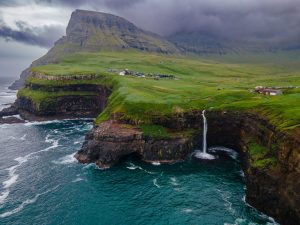
August sunsets bathe the fjords in bronze light from 8 to 9 PM. The reflections on calm water are superb for photography, especially around Eiði, Gjógv, and Vestmanna.
Local Tip: Pack a flask and light snack for evening photo stops; cafés close earlier once summer crowds thin.

Wildlife in August: The Last Puffin Weeks
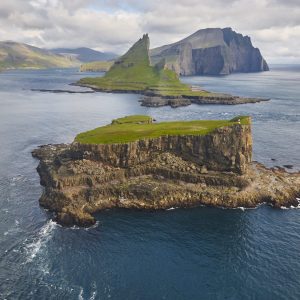
Puffins linger on the cliffs of Mykines and Vágar until about the 20th of August. By month’s end, they have returned to sea, leaving the colonies silent until next spring.
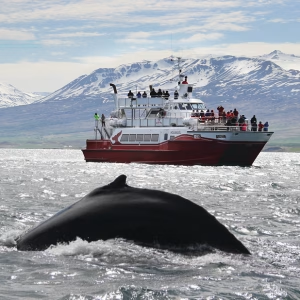
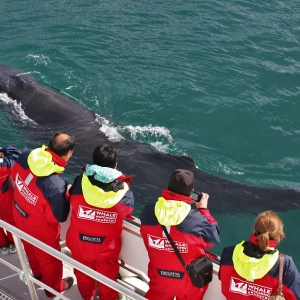
Grey seals appear more often now in sheltered bays, and whales occasionally surface near ferry routes.
Local Tip: Bring binoculars. Puffins become more cautious late in the season, staying farther from footpaths.

Village Life in Late Summer
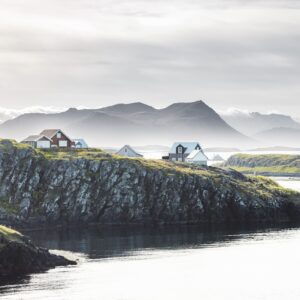
Without the bustle of July festivals, August village life feels intimate. Locals repair boats, gather hay, and share evening coffee in community halls.
Guests who stay in guesthouses or farm stays often get invited to join. Faroese hospitality is understated but genuine, usually shared through food or conversation.
Local Tip: If you hear singing from a church while driving by, step inside. Services and choir rehearsals are open to all, and visitors are welcome to listen quietly from the back.

Food in August: Local and Simple
Menus reflect the harvest. Expect fresh cod and haddock, Faroese lamb with wild herbs, and root vegetables from village gardens. Cafés serve soups and seafood stews as evenings grow cooler.
Cakes and desserts feature blueberries and rhubarb. Many restaurants close briefly at the end of August for staff holidays, so dine out earlier in the month for the widest choice.
Local Tip: Try ræst fiskur (dried fish) with butter and rye bread. Locals prepare it in August when the humidity is ideal for drying.

Self-Drive Routes to Discover in August
1. Sandoy Slow Loop
Drive the new tunnel to Sandoy, explore Sandur and Húsavík, visit the small art museum, and picnic on the dunes. Return through the tunnel after dinner.
2. Northern Isles Circuit
From Klaksvík, take the ferry to Kalsoy, continue through its narrow tunnels, and end the day at the Kópakonan statue before returning for dinner.
3. The Eysturoy Ridge Drive
Follow the older mountain road between Eiði and Funningur for sweeping fjord views. In August, the heather blooms purple, and traffic is nearly absent.
Local Tip: Weather can shift quickly at elevation. Keep an extra layer in the car, even if the coast feels warm.

Practical Transport: Tunnels, Ferries, and Helicopters
August is the final month of the Faroese summer transport season, when every route across the islands runs at full strength. Driving remains effortless, ferries sail frequently, and the public helicopter network lets visitors see the archipelago from above. Each connection is an experience that reveals a different side of the Faroe Islands.
Tunnels and Tolls
Four main undersea tunnels connect the larger islands. They make travel smooth and weatherproof, allowing you to drive from one end of the country to the other in a single day if you wish.
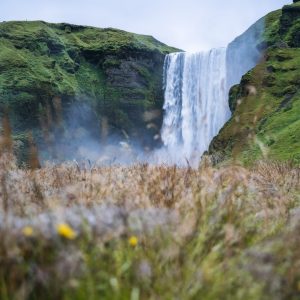
Each tunnel uses automatic license plate recognition, and payment can be handled through your rental agency or directly online. The Eysturoyartunnilin has a glowing underwater roundabout and opens toward views of Risin og Kellingin sea stacks. The new Sandoy tunnel leads to soft hills and beaches, offering visitors a glimpse of the slower pace of the southern islands. The northern tunnel toward Klaksvík opens to a harbour framed by green mountains. The Vágar tunnel provides quick access to Gásadalur waterfall and the Mykines ferry port.
Tolls range from about 100 to 350 Danish kroner, depending on distance. If you plan to use several tunnels, ask your rental company for a prepaid pass or subscription.
Local Tip: Keep your headlights on and drive slowly through the tunnels. Passing bays are clearly marked if another car approaches.

Ferries
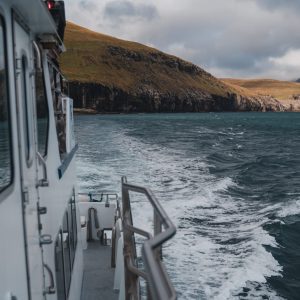
Ferries are part of everyday life in the Faroes and extend the road network across the sea. Each crossing is relaxed and scenic, often gliding past sea cliffs and quiet bays.
In August, all ferry routes operate on the summer schedule. The short journey between Klaksvík and Kalsoy passes dramatic ridges that rise from the sea. The route from Streymoy to Sandoy gives a wide view of Skopun’s beaches. The longer sailing from Tórshavn to Suðuroy crosses open water and reaches peaceful villages such as Tvøroyri and Sumba. The seasonal Sørvágur to Mykines ferry remains a highlight, passing cliffs alive with seabirds.
Tickets can be booked here. Arrive about 30 to 40 minutes before departure because the boarding order usually follows arrival time.
Local Tip: Stand on deck when the weather allows. You may see dolphins following the boat or seals resting on rocks near the coast.

Helicopter Flights
Helicopter routes operated by Atlantic Airways link small islands that have limited ferry service. These flights are part of the Faroese public transport system and are both affordable and scenic.
The route between Vágar and Mykines takes about fifteen minutes and offers panoramic views of cliffs, waterfalls, and the open sea. Other scheduled flights run from Tórshavn to Klaksvík and from Tórshavn to the remote islands of Fugloy and Svínoy.
Visitors may book one leg per route per day, and many travelers choose to fly one-way and return by ferry. Seats are limited, so book early if you wish to include a helicopter journey in your itinerary.
Fog and wind can occasionally cause short delays. Locals simply wait and enjoy a coffee nearby until conditions clear, which usually happens within an hour. When the helicopter finally takes off, the view of fjords and mountains makes the wait worthwhile.
Local Tip: Bring your camera and sit by the window. Seeing the islands from above gives you a sense of their shape and isolation that no road or ferry can match.

Photography and Light
August light feels golden rather than white. The low sun turns every hill into texture.
Best windows:
- Morning from 7 to 10 AM for calm air and soft contrast.
- Evening from 7:30 to 9 PM for golden reflections on fjords.
- After rain for misty, dramatic images.
Local Tip: Carry a lens cloth or a microfiber towel, since spray and drizzle can quickly blur your shots.

Frequently Asked Questions
How does the atmosphere in August differ from July?
August feels quieter and more settled. After early-month festivals, the islands return to a slower rhythm. Days are still warm, but the mood is gentler and more reflective.
Does the start of school affect visitor experience?
Yes. Once school begins, daytime sights are calmer, and roads see fewer local family outings. It becomes easier to enjoy viewpoints in complete peace.
Why is Sandoy especially charming in August?
Sandoy’s vast beaches and open landscapes take on a soft glow in August. The hills turn deeper green, and the long, quiet roads feel perfect for slow drives.
What makes August light so special for photography?
August brings warm, golden tones that add texture to every slope and rock face. Sunsets are long and rich, and even on cloudy days, they create dramatic scenes.
Is August a good month for older visitors seeking calm?
Yes. August offers quieter attractions, easier parking, mild weather, and an unhurried pace. It is well-suited for travellers who appreciate space and gentle walking routes.
Do cafés or restaurants reduce hours in August?
Most cafés stay open all month, but a few begin adjusting hours near the end of August. Checking ahead ensures you find the right spot for dinner or afternoon coffee.
Is accommodation easier to book at short notice in August?
After the first week of August, more rooms become available. While popular guesthouses can still fill up, there is generally more flexibility than in July.

What is the experience of driving the Sandoy tunnel at dusk?
Leaving Streymoy and emerging onto Sandoy in the golden evening light feels peaceful and scenic. The combination of warm light and calm roads creates an excellent end-of-day drive.
How can I avoid noise during the Summarfestivalurin?
Stay outside central Klaksvík, or plan your visit before or after the festival dates. Even during the event, neighbouring villages offer quiet evenings and peaceful surroundings.
What Faroese books or music enrich an August visit?
Local bookshops offer novels, poetry, and photography collections that pair beautifully with August evenings. Faroese folk and choral music add a gentle soundtrack to scenic drives.
Is August ideal for gentle evening walks?
Yes. The combination of mild temperatures and soft light makes evening walks around lakes, beaches, or village paths especially relaxing.
Are stars visible in August?
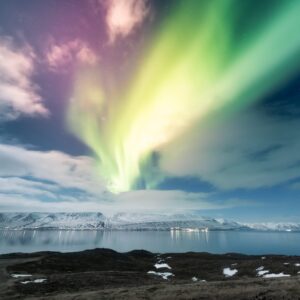
By late August, nights are dark enough for stargazing. Skies above smaller villages offer excellent visibility, though northern lights remain uncommon this early.
Is August a good time to buy local produce?
Yes. Seasonal fish, fresh lamb, local potatoes, and berries appear in markets, making August perfect for cooking simple meals in self-catering homes.
Do local buses change their schedule when school resumes?
Some routes shift slightly once school starts, with more morning and afternoon trips. It has little impact on self-drivers but creates a different rhythm in villages.
Should I consider a winter return trip after experiencing August?
Many travellers start thinking about a winter visit while enjoying the calm of August. Talking with local hosts can help you understand winter driving, daylight patterns, and seasonal highlights.

August is when the Faroes breathe out after summer’s rush. The festivals calm, the light softens, and the sea feels close. Roads remain open, ferries glide between islands, and new tunnels make exploring simple.
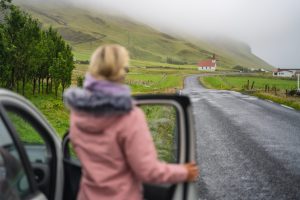
For self-drive travelers, it is a month of reflection. The gold light on wet asphalt, wind in the grass, and quiet villages make every detour worthwhile.
Please drive slowly, stop often, and let August reveal the Faroes as locals know them: calm, connected, and quietly extraordinary.