Self-Drive Tours in Iceland in July: Local Guide to Wild Horizons & Endless Light

A self-drive tour in Iceland in July is an invitation to explore the island at its brightest and most welcoming. The roads are clear, the air mild, and the light endless. Every region is open, from the calm harbors of the Westfjords to the deep-blue craters of the Highlands and the remote beauty of the North’s Arctic edge.
For travelers who prefer independence and authenticity, July is the time to explore comfortably and deeply. The weather is kind, the daylight endless, and every turn of the road reveals something new.
Why July Feels Different in Iceland
By July, Iceland glows with life. Rivers flow strong with meltwater, valleys bloom with wildflowers, and long daylight hours bring out the best of both nature and people. The island feels both vast and welcoming at once.
Why July stands apart:
- Complete Access: All major routes are open, including the remote Westfjords, the Highland tracks, and the far northern coasts near Melrakkaslétta and Langanes.
- Balanced Weather: Comfortable temperatures, mild winds, and brief showers make July ideal for open-road travel.
- Midnight Sun Magic: Light lingers for 20 hours or more, turning Iceland into a photographer’s dream.
- Cultural Warmth: Towns and villages come alive with summer fairs, outdoor concerts, and harbor festivals.
- Wildlife Encounters: Puffins, whales, seals, and Arctic foxes are abundant, especially in Iceland’s far north and west.
- Room to Breathe: Despite being high season, Iceland’s scale ensures peace. Drive an hour off the main road and you’ll find quiet valleys and solitary viewpoints.
Local Tip: Icelanders embrace slow travel in summer. They stop for coffee in small towns and follow the weather wherever it looks brightest.
July Weather in Iceland: Calm, Clear, and Comfortably Cool
July is the most predictable month for good weather, yet Iceland always keeps a touch of surprise.
Average Conditions:
- High: 14–17 °C (57–63 °F)
- Low: 7–10 °C (44–50 °F)
- Rain Days: 8–11, usually light and short-lived
- Daylight: 20–22 hours
- Wind Speed: 8–14 km/h
Local Tip: Always carry sunglasses, even on cloudy days. The bright, reflective light from glaciers, sand, and sea can surprise new visitors.
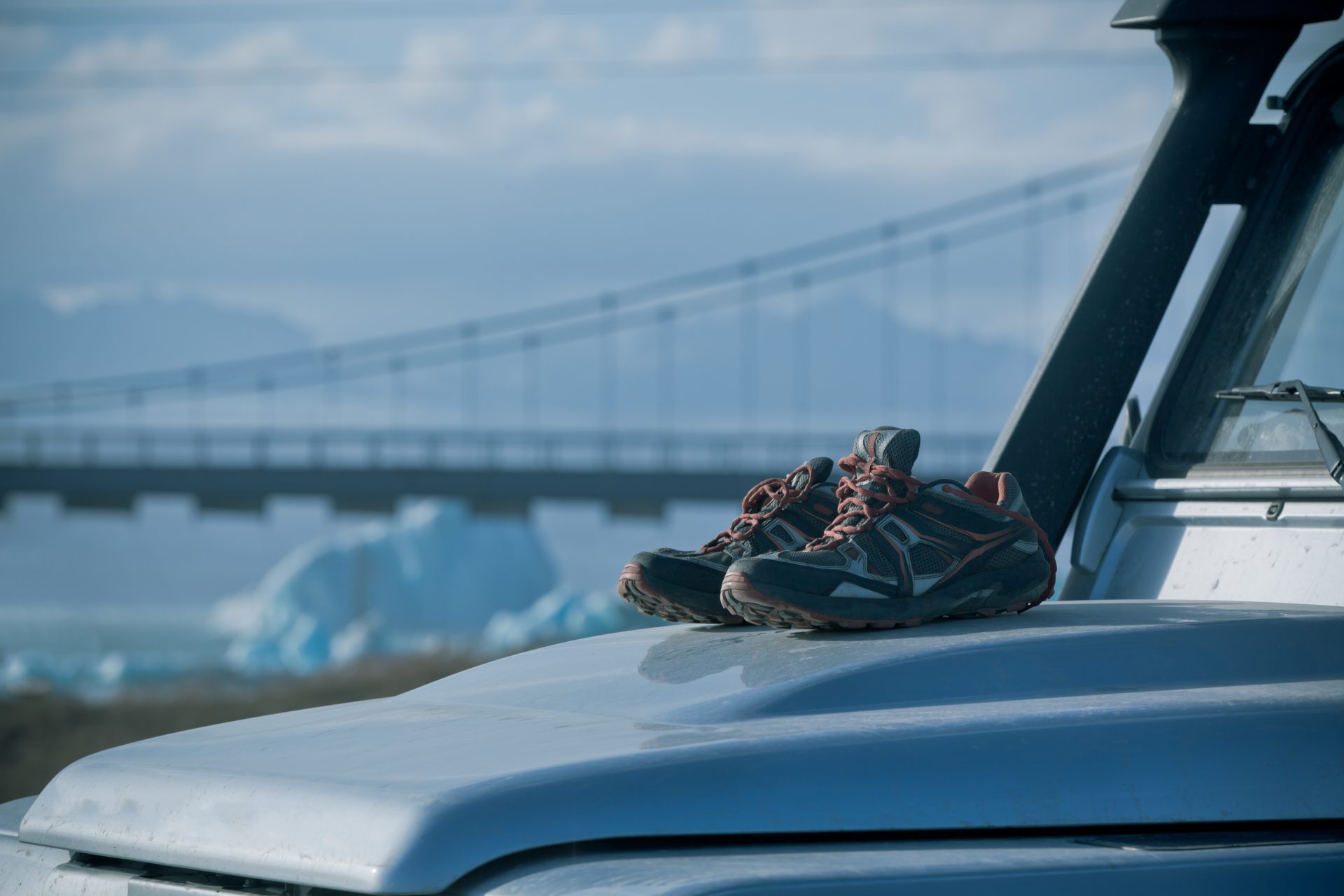
Driving in July: Effortless Exploration
July brings dry roads, long days, and a sense of ease, making driving across Iceland a joy.
Good to Know:
- F-Roads and Highlands: All Highland routes are open. A 4×4 is required for Askja, Kerlingarfjöll, and Landmannalaugar.
- Fuel and Food Stops: Easy along main roads but rare in the interior. Refill whenever possible.
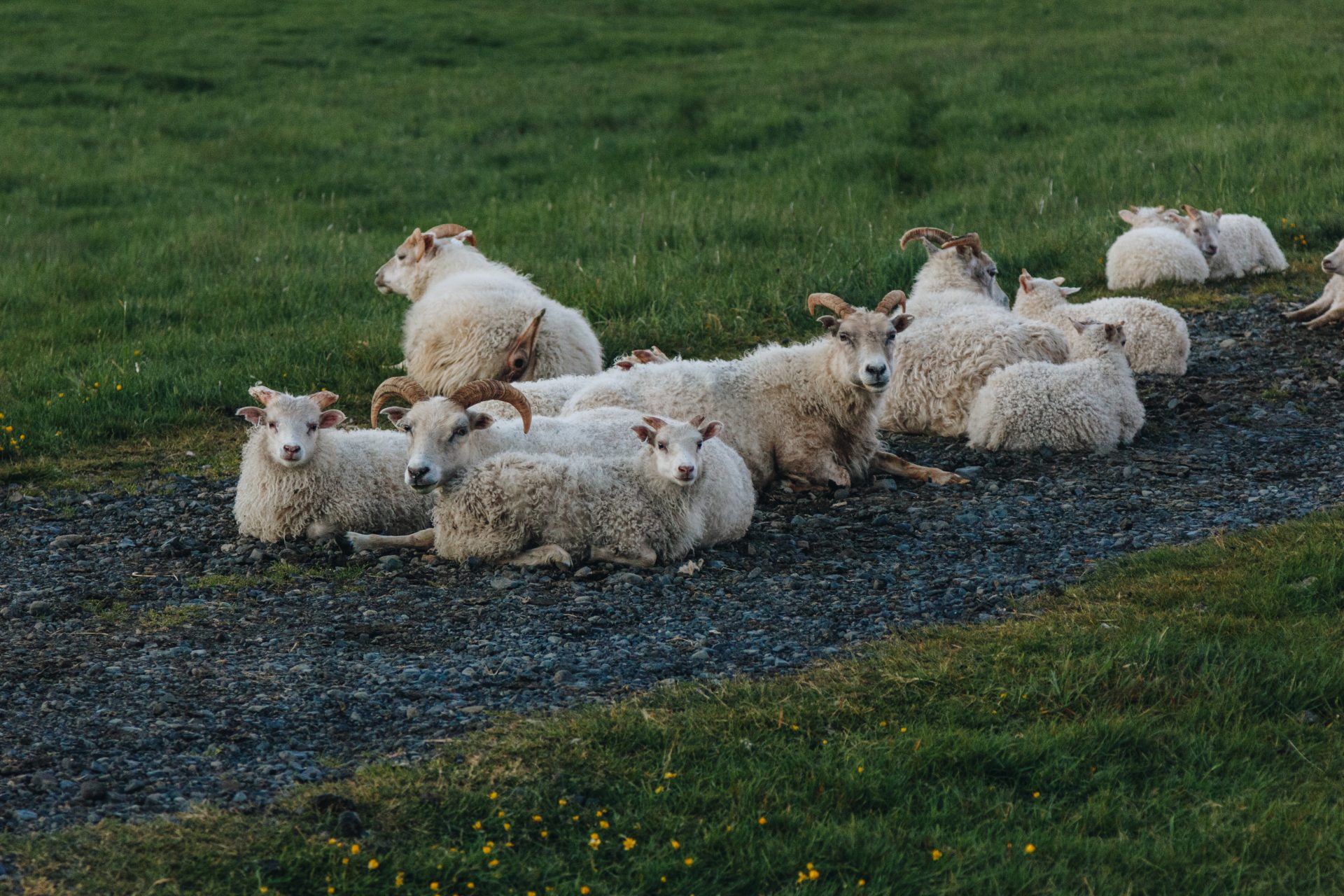
- Animals: Sheep and birds often appear near roads. Slow down, enjoy, and drive mindfully.
- Driving Culture: Local drivers value scenery and safety over speed.
- Light Advantage: With constant daylight, you can drive at any hour and see the landscape clearly.
Local Tip: Early morning and late evening drives are magical. The light softens, the roads are quiet, and the landscapes feel timeless.
Top Regions and Routes for a July Self-Drive Adventure
1. The Westfjords: Iceland’s Quiet Frontier
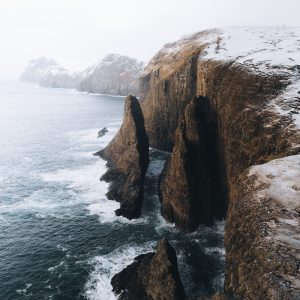
The Westfjords are Iceland’s untouched masterpiece, a land of winding fjords, small fishing towns, and grand, empty spaces.
Highlights:
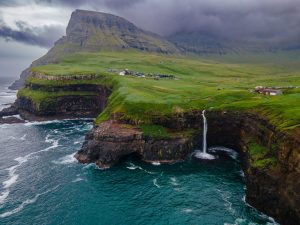
- Dynjandi Waterfall: The crown jewel of the Westfjords, with tiered cascades you can walk up to.
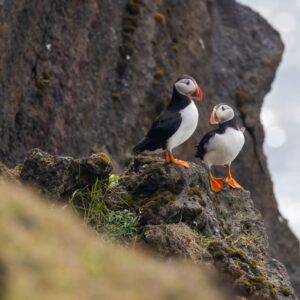
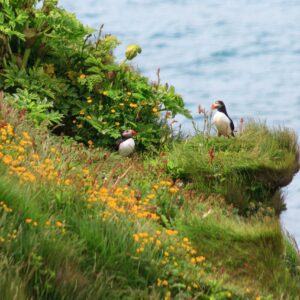
- Látrabjarg Cliffs: Europe’s westernmost point and a puffin paradise.
- Rauðisandur Beach: Red and golden sands that glow at sunset.
- Ísafjörður and Bolungarvík: Coastal towns where life moves gently and seafood is always fresh.
- Hornstrandir Nature Reserve: Reachable only by boat, this wilderness is home to Arctic foxes and offers endless views.
Local Tip: Allow time. Roads are slow and full of distractions, from tiny roadside cafés to unexpected viewpoints.
2. The Highlands: Land of Silence and Color
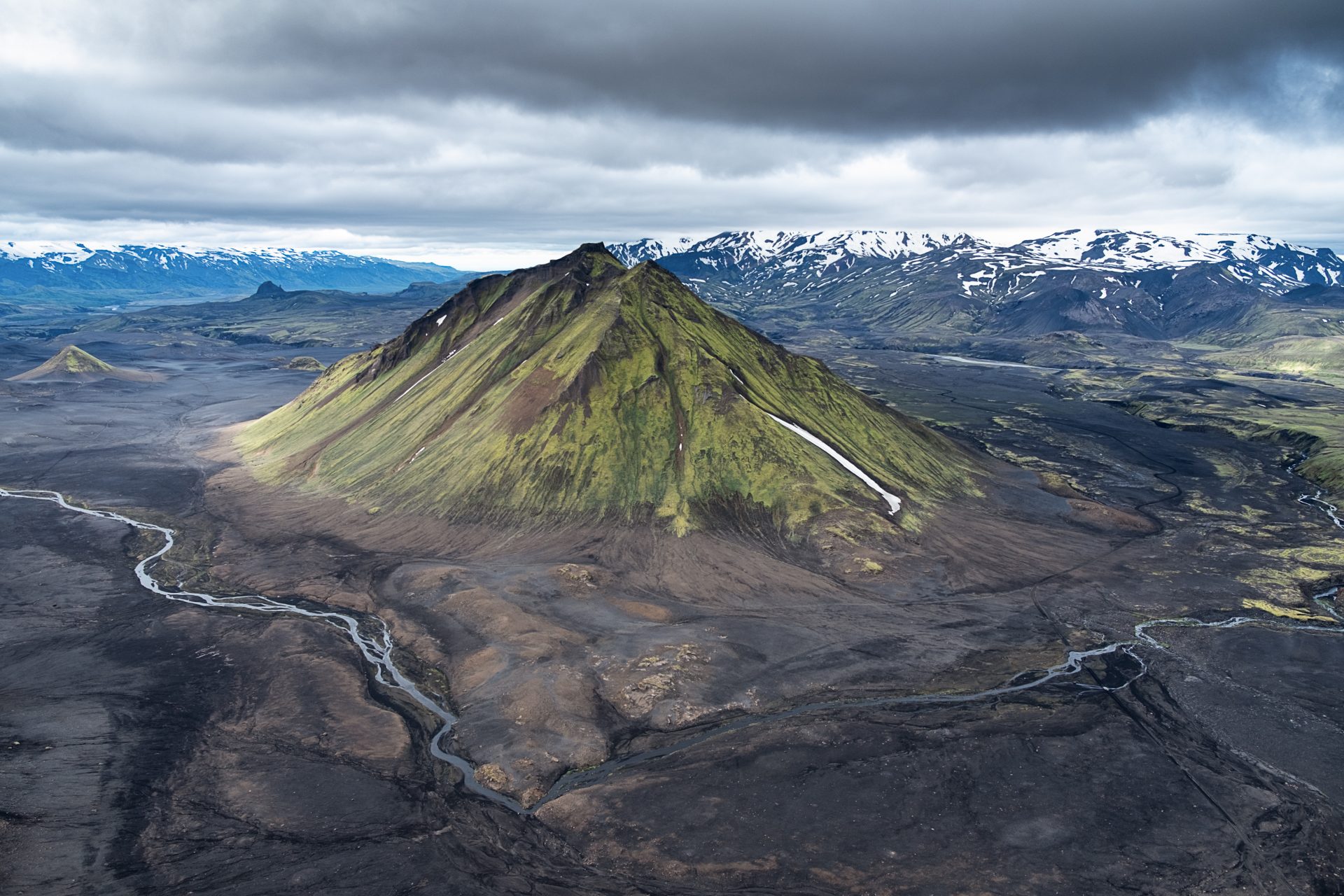
The Icelandic Highlands open fully in July, revealing volcanic landscapes unlike anywhere else on Earth.
Highlights:
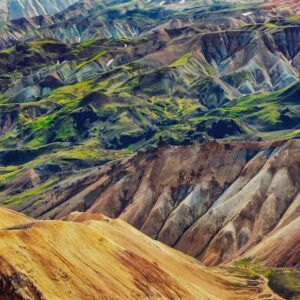
- Landmannalaugar: Colorful rhyolite mountains and natural hot springs surrounded by lava fields.
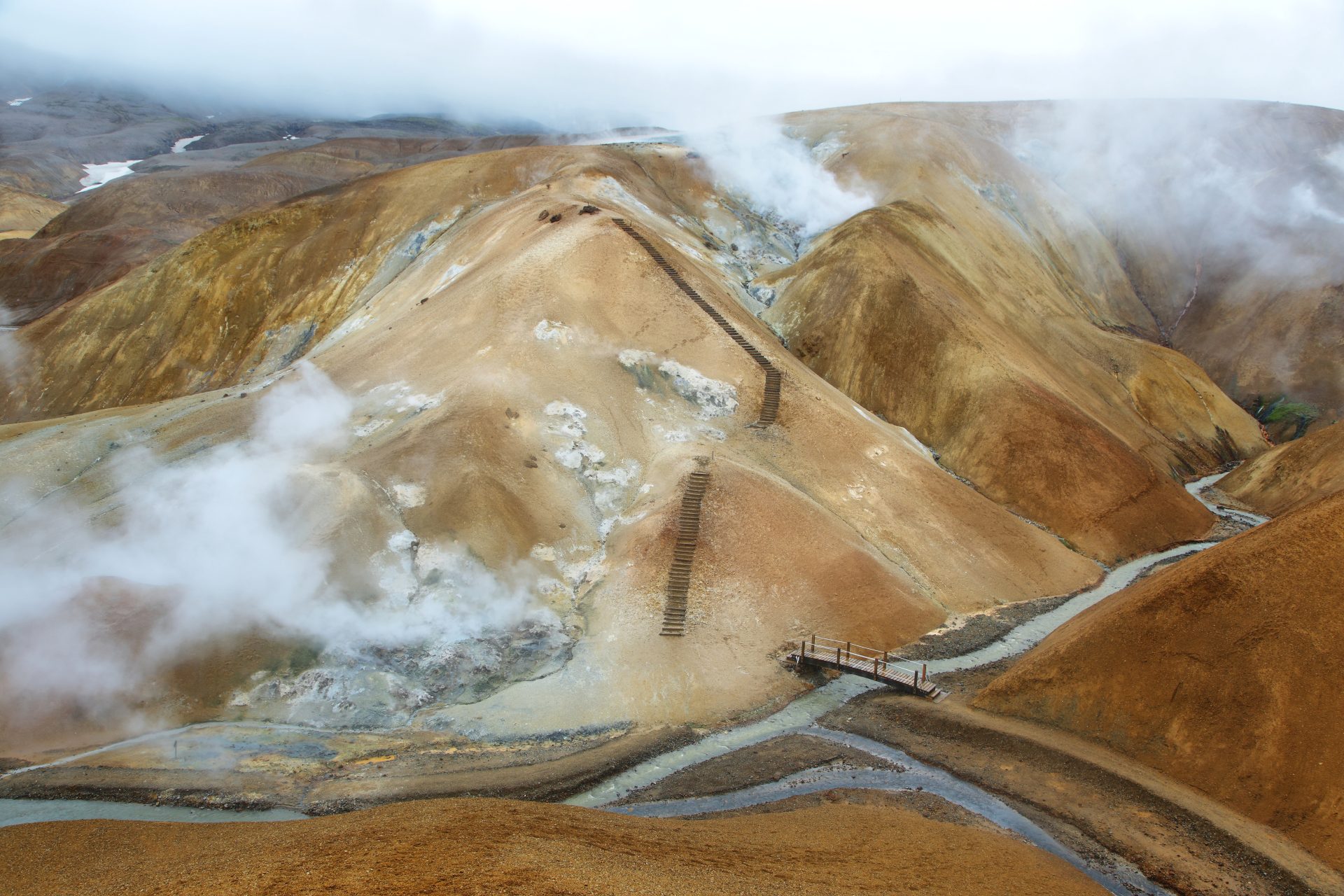
- Kerlingarfjöll: Red-orange geothermal hills with trails through steaming valleys.
- Askja Caldera: Deep blue crater lake surrounded by black desert, accessible only by 4×4.
- Lofthellir Ice Cave: A lava cave filled with ice formations near Lake Mývatn.
- Sprengisandur Route (F26): A remote road connecting glaciers and highland plains.
Local Tip: Bring extra snacks and fuel. The landscape is vast, and stops are few, which makes it special.
3. The South Coast and Skaftafell
July paints the South Coast in green and silver. Glaciers sparkle, rivers run full, and meadows sway in the breeze.
Highlights:
- Seljalandsfoss and Gljúfrabúi: Iconic waterfalls, one visible, one hidden behind mossy cliffs.
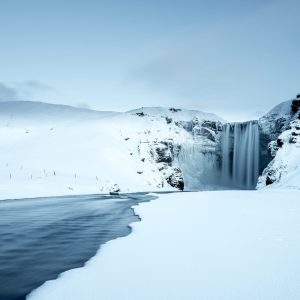
- Skógafoss: A grand waterfall that rewards those who climb to the top.
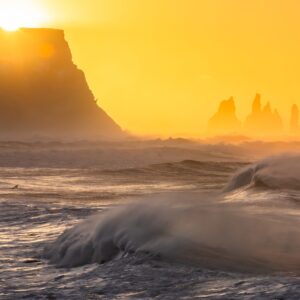
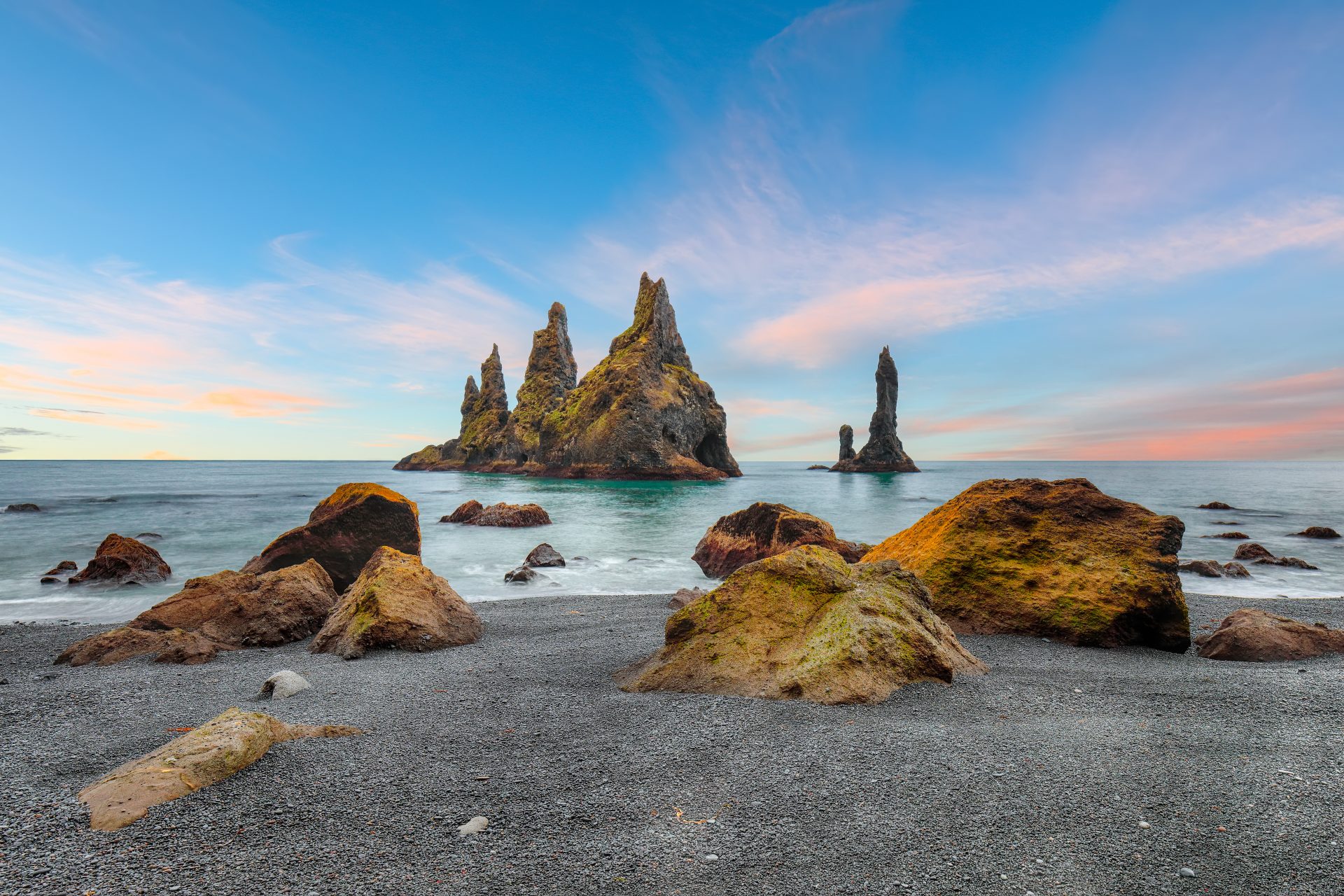
- Reynisfjara Beach: Black sand, sea stacks, and thunderous waves.
- Skaftafell National Park: Easy trails to glacier viewpoints and lush valleys.
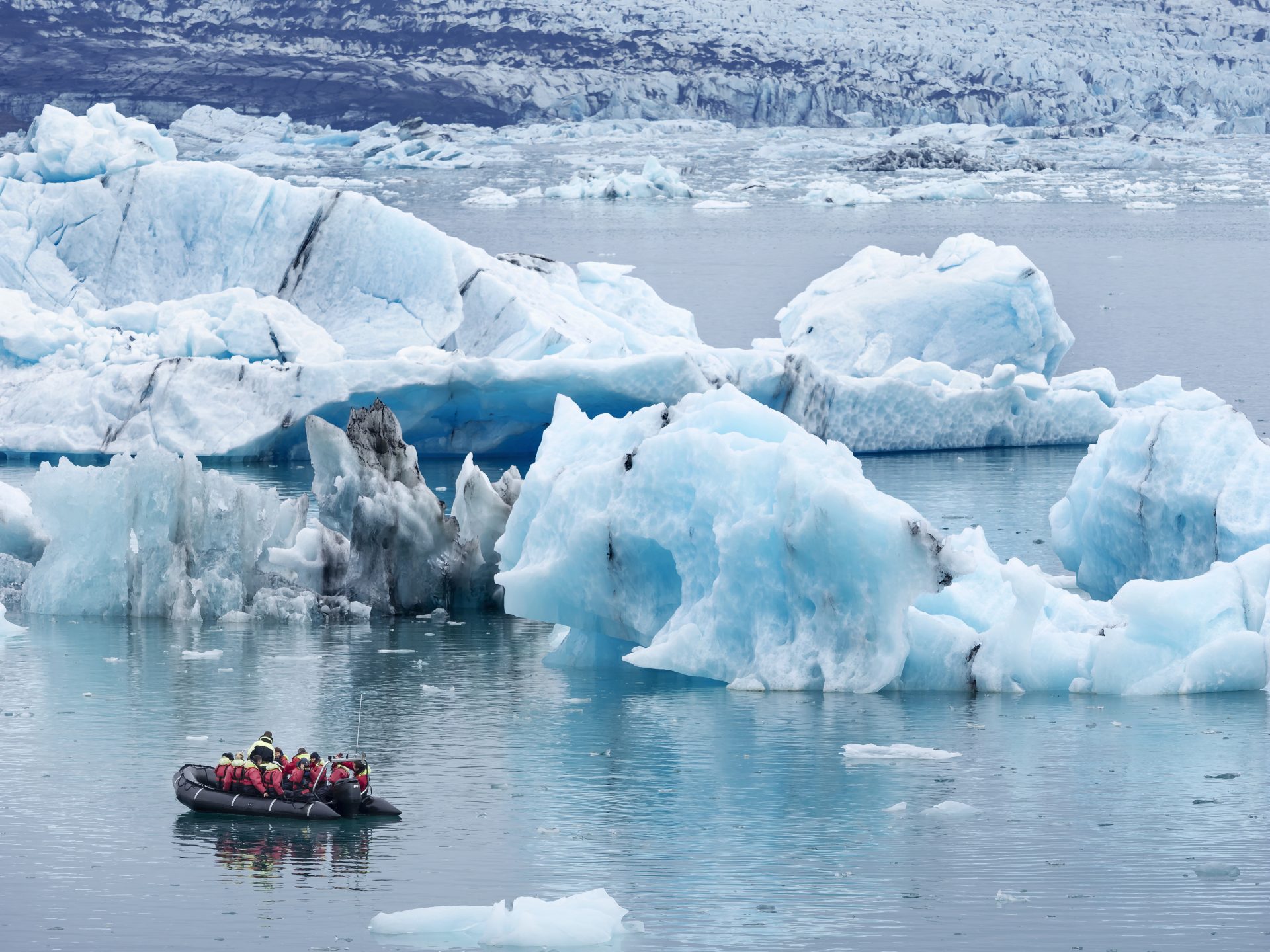
- Jökulsárlón and Diamond Beach: Icebergs drift silently to sea, glowing under the low sun.
Local Tip: Visit waterfalls early in the morning or after 9 p.m. You will often have them almost to yourself.
4. The Snæfellsnes Peninsula
The Snæfellsnes Peninsula is Iceland in miniature: glaciers, cliffs, volcanoes, and small fishing towns, all within a day’s drive.
Highlights:
- Snæfellsjökull Glacier: The peninsula’s white-capped guardian, visible for miles.
- Arnarstapi and Hellnar: Coastal villages linked by a walking path above sea arches.
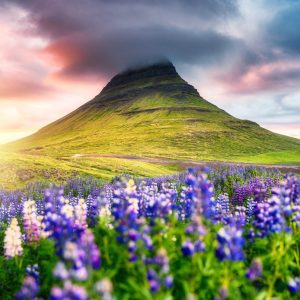
- Kirkjufell Mountain: Often called Iceland’s most photographed peak.
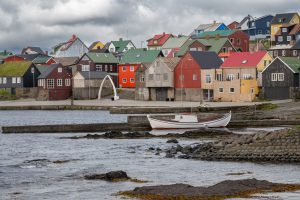
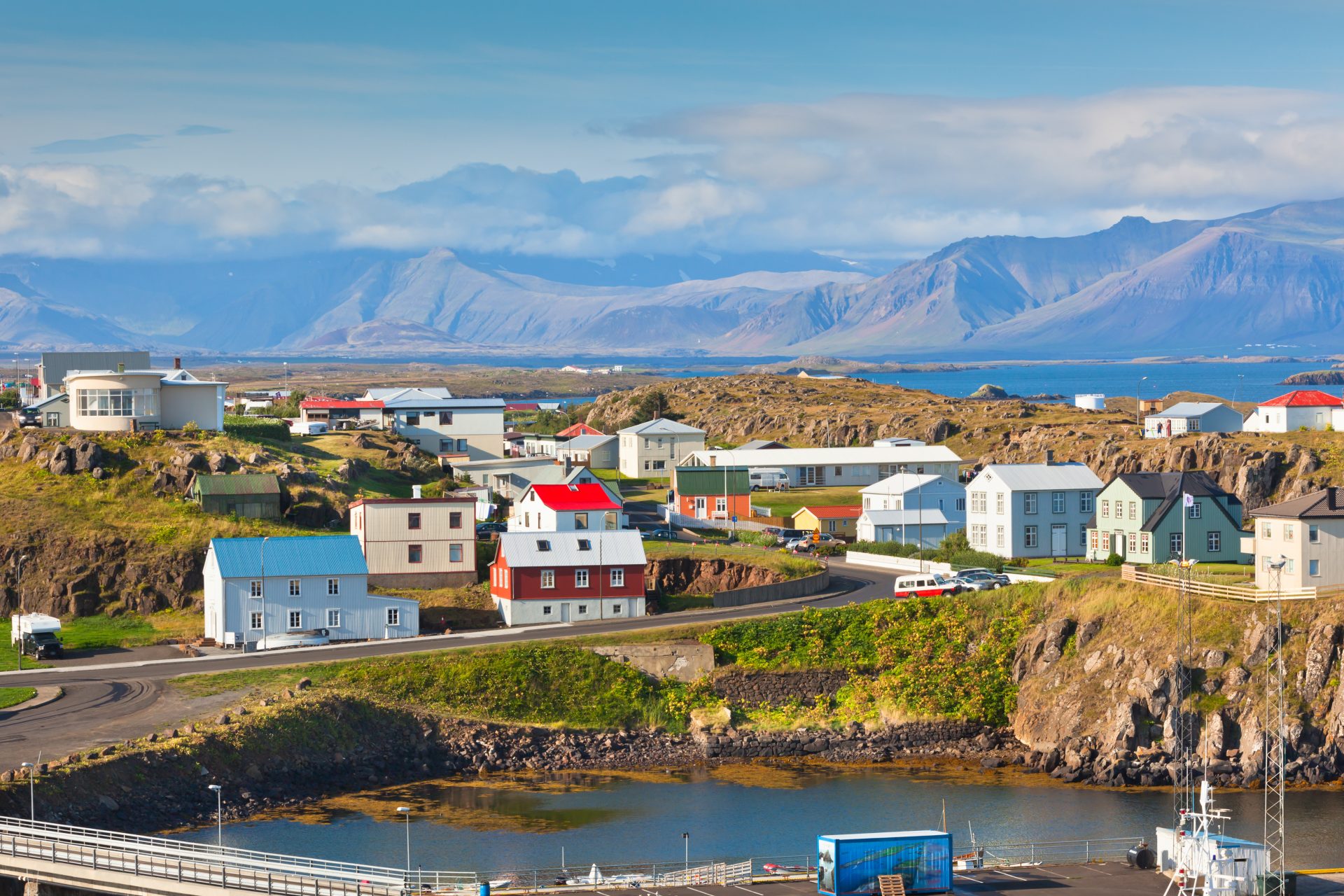
- Stykkishólmur: Colorful harbor, museums, and access to the Flatey Island ferry.
Local Tip: Stop at a local restaurant for fish soup. It’s a West Iceland specialty, always fresh and rich in flavor.
5. North Iceland
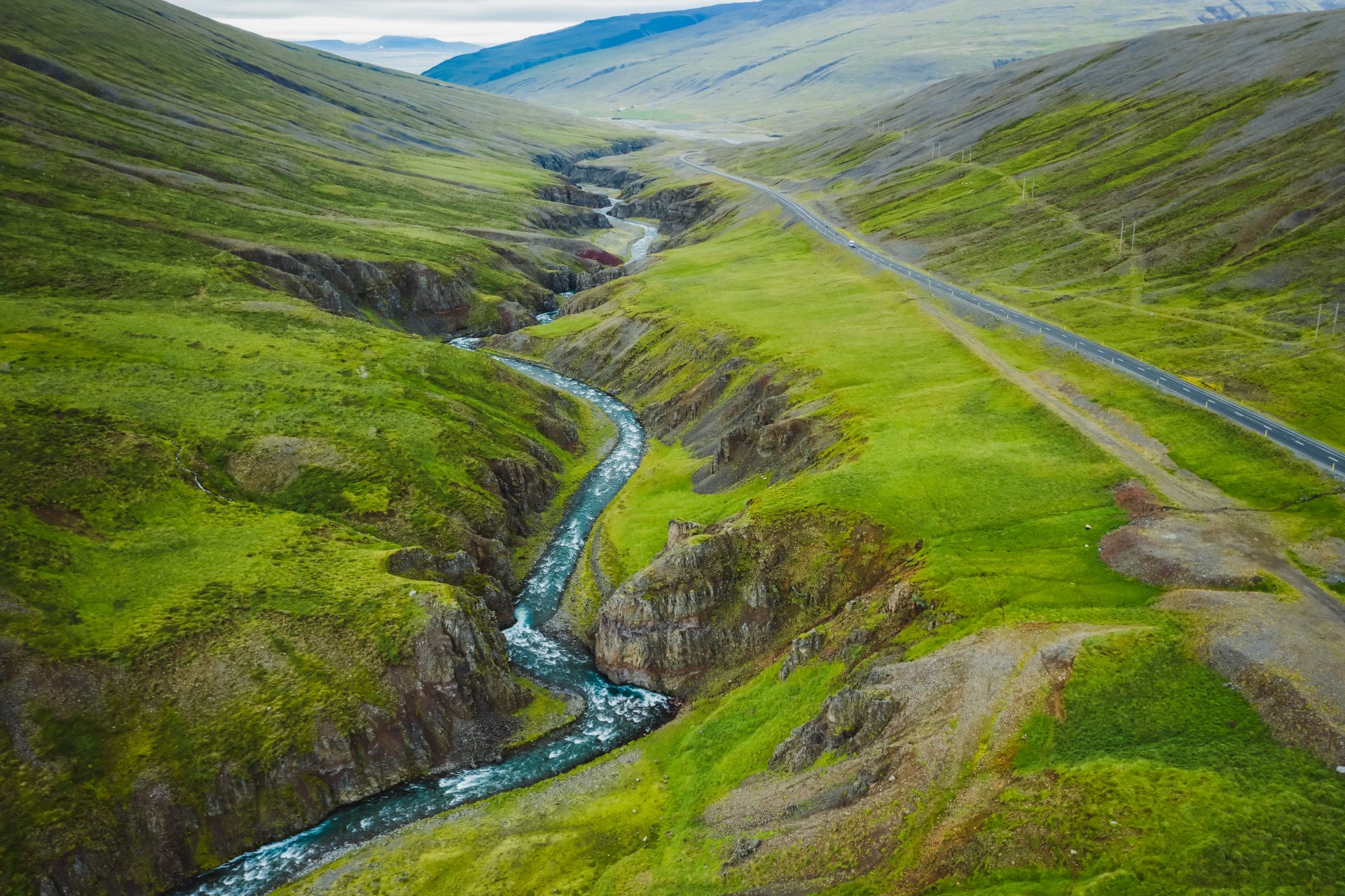
North Iceland blends geothermal energy, lush farmland, and quiet northern coasts. It is a place where you can find a balance between lively towns and peaceful wilderness.
Highlights:
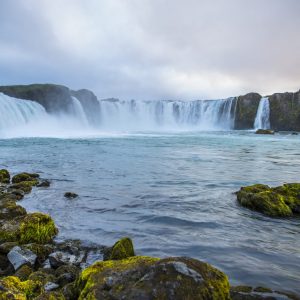
- Goðafoss: The Waterfall of the Gods, dramatic and perfectly framed for photography.
- Lake Mývatn: A mosaic of craters, lava fields, and hot springs surrounded by birdlife.
- Húsavík: The whale-watching capital of Iceland and home to cozy cafés and museums.
- Ásbyrgi Canyon: A serene horseshoe valley filled with birch trees and calm air.
- Dettifoss: Europe’s most powerful waterfall, booming with energy after snowmelt.
- Melrakkaslétta Peninsula: A hidden Arctic frontier at Iceland’s far northeast edge, near the Arctic Circle. It offers birdwatching, driftwood-covered beaches, and the feel of true isolation.
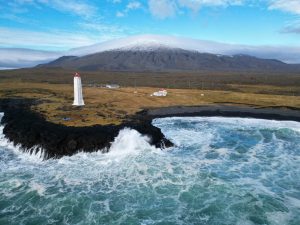
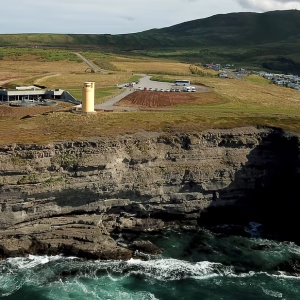
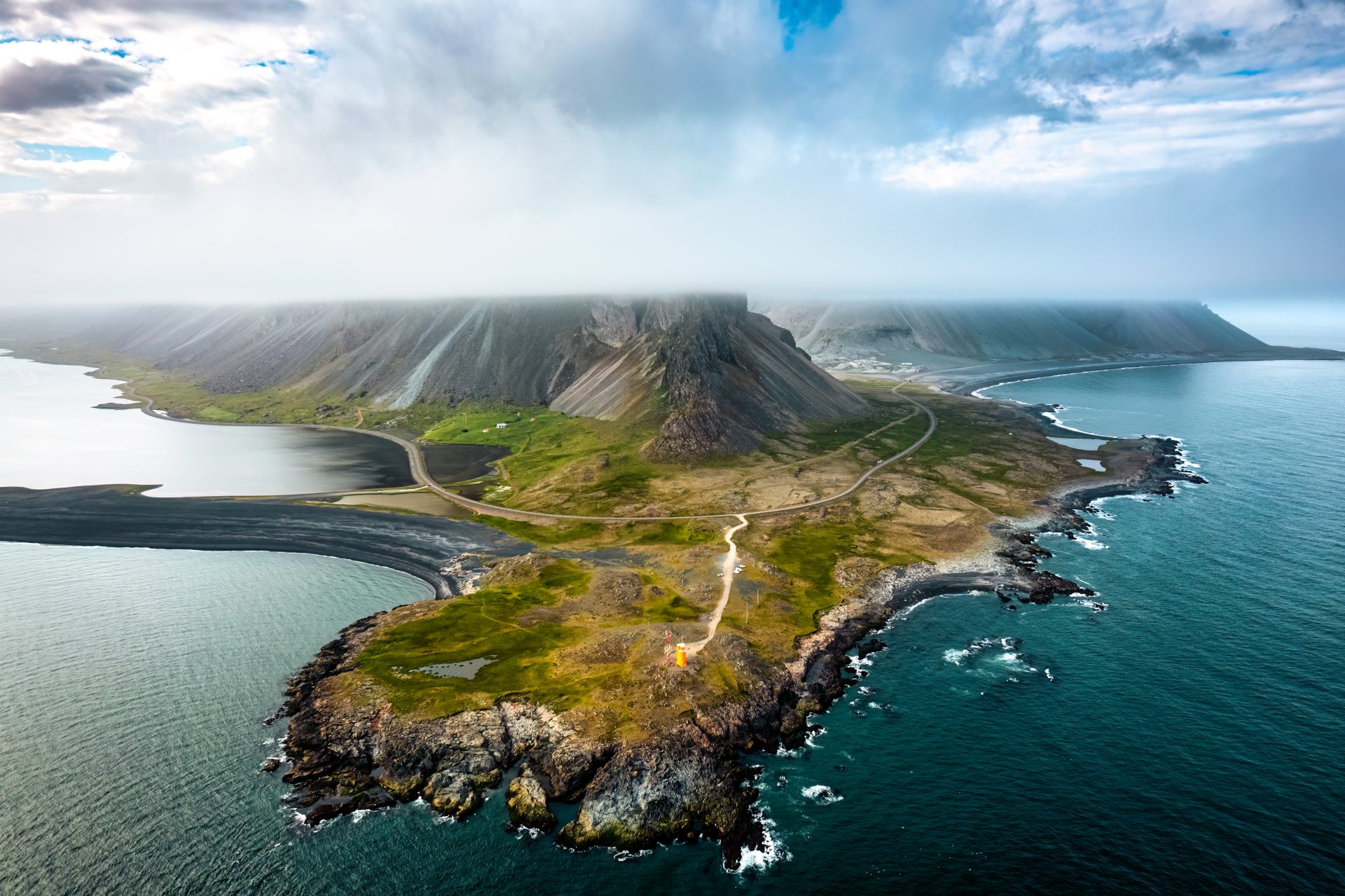
- Langanes Peninsula: A long, narrow peninsula pointing into the Norwegian Sea, filled with seabirds, lighthouses, and abandoned fishing stations. The drive is rugged but rewarding for those seeking solitude and ocean views.
Local Tip: The road to Melrakkaslétta and Langanes feels like driving off the map. Bring binoculars and time, as this is Iceland that very few visitors ever see.
6. The Eastfjords
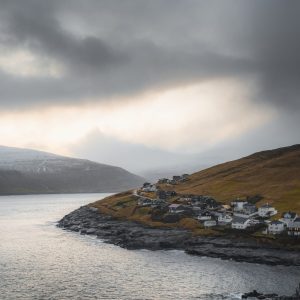
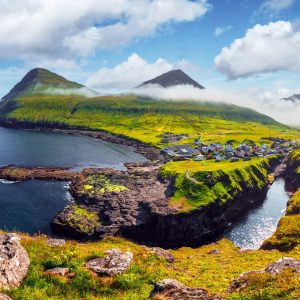
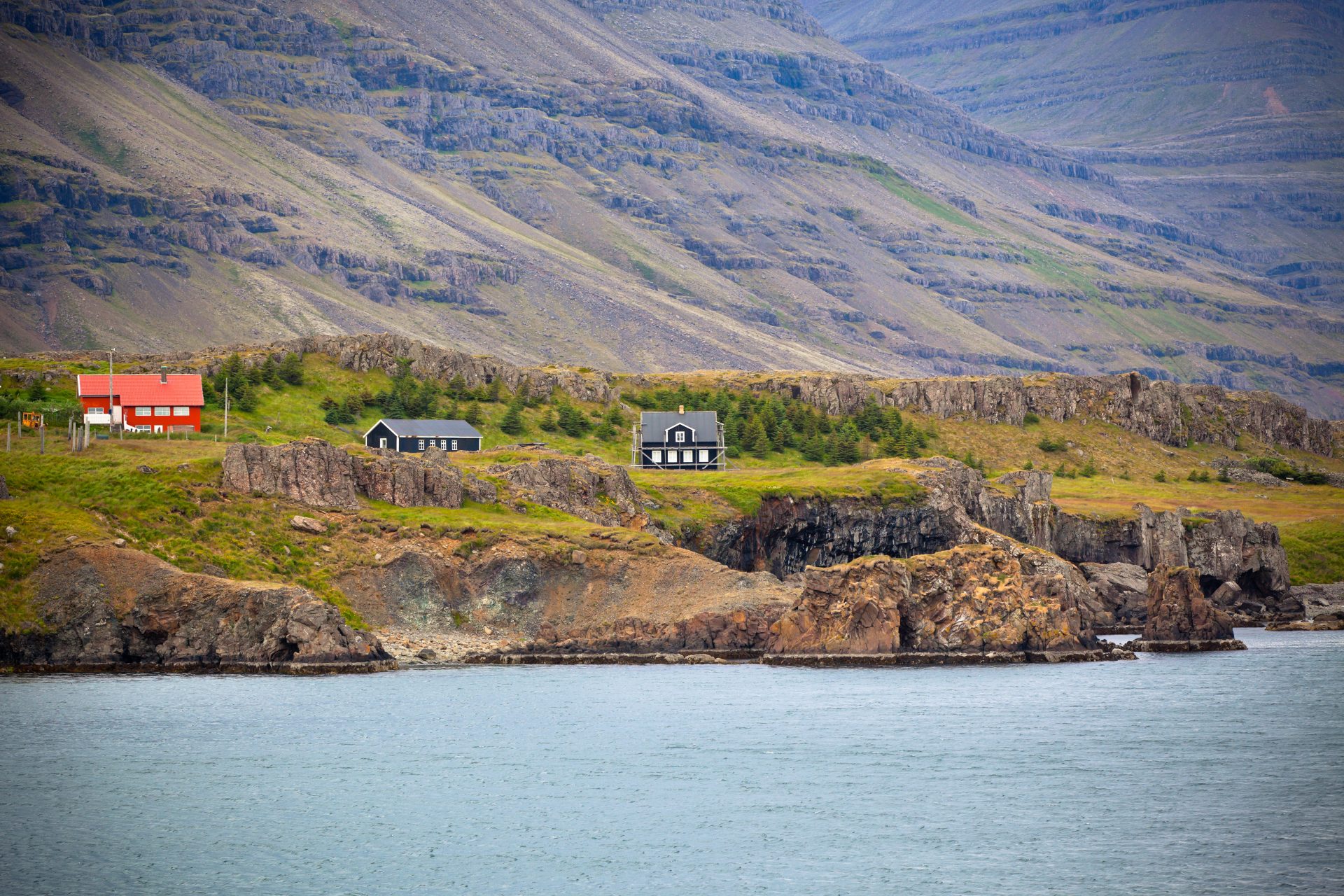
The East is Iceland’s soft-spoken treasure: tranquil fjords, colorful towns, and endless sea views. July is the perfect month to explore, as even the most remote valleys open for travel.
Highlights:
- Seyðisfjörður: A vibrant village with rainbow streets, blue churches, and a creative heart.
- Djúpivogur: Peaceful harbor, sculpture trails, and the Eggin í Gleðivík art installation.
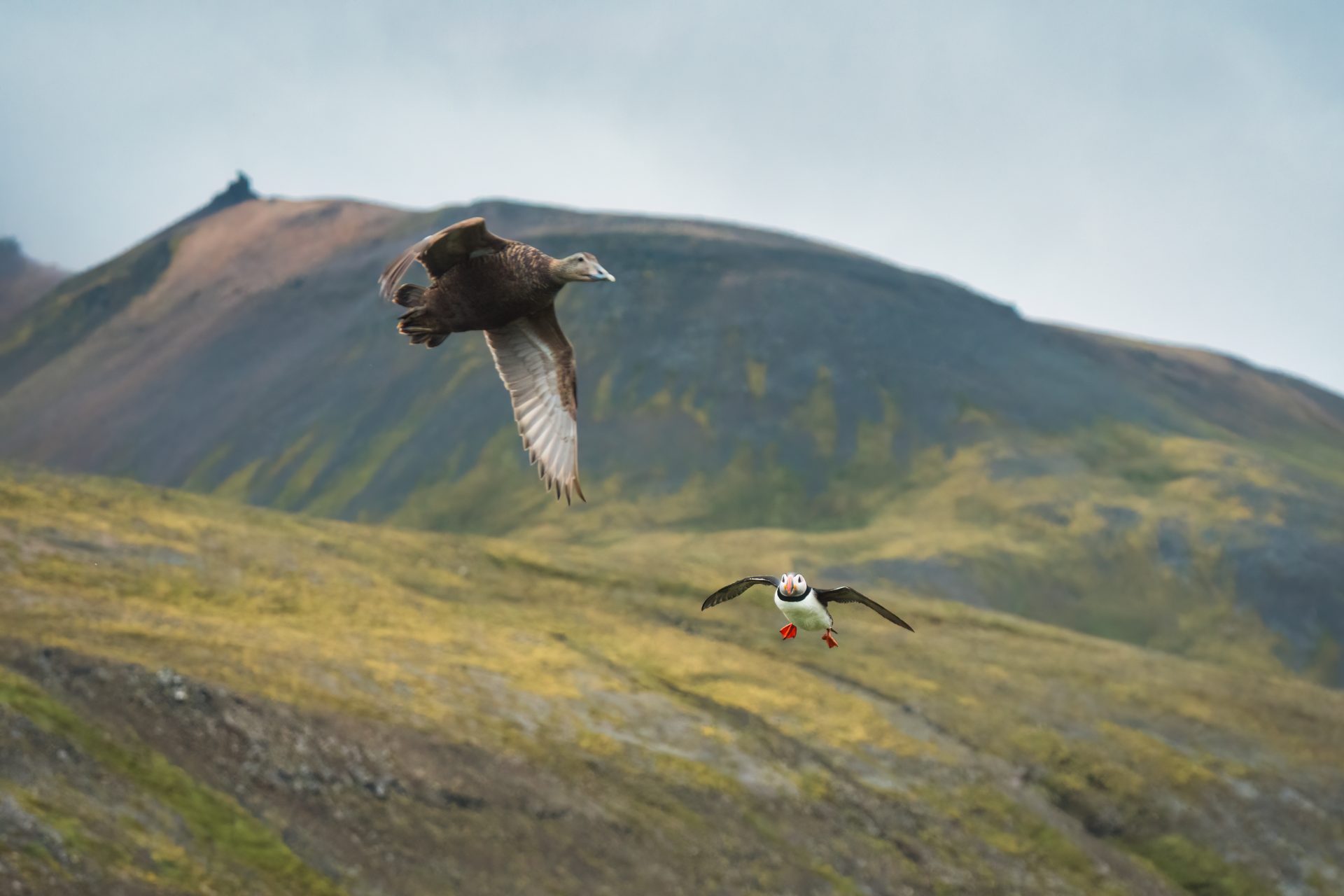
- Borgarfjörður Eystri: Famous for its puffin colonies and hiking trails into the Dyrfjöll mountains.
- Mjóifjörður: A secluded fjord open only in summer, home to waterfalls, wildflowers, and a village that feels untouched by time.
Local Tip: The East rewards slow travelers. Stop by local craft shops and small cafés, as conversations here often last longer than coffee.
Festivals and Local Life in July
July is Iceland’s season of joy, when long days invite people outdoors and every weekend brings a reason to gather. Across the country, small communities host festivals that mix tradition, art, and everyday Icelandic warmth. Visitors who take the time to stop in a village and join these celebrations often say they experienced the “real” Iceland here, among laughter, music, and sea air.
Events to Know:
- Bræðslan Music Festival (Borgarfjörður Eystri): One of Iceland’s most beloved small festivals, held in a converted fish factory on the edge of a fjord. The setting is as memorable as the music: a mix of local folk, indie rock, and intimate performances that echo off the surrounding cliffs. Tickets are limited, but the atmosphere is unforgettable.
- Eistnaflug (Neskaupstaður): A famously friendly rock and metal festival that takes over this small eastern town. Despite its energetic music, Eistnaflug feels more like a family reunion than a concert. Locals cook food for visitors, and the community spirit is as strong as the sound.
- Reykjavík Fringe Festival: A creative explosion of theater, art, stand-up comedy, and performance scattered across the capital’s cafés, bars, and side streets. It’s where Icelandic humor meets European creativity in a casual, approachable way.
- Town Days: Throughout July, nearly every town and village holds a weekend festival celebrating its identity. Expect parades, outdoor food stalls, live music, local beer, and games for children. These are wonderful moments to mingle with locals and taste real Icelandic home cooking.
- Fishermen’s Festivals: In coastal towns like Ísafjörður, families celebrate Iceland’s deep maritime roots with harbor fairs, music, and seafood tastings. The atmosphere is relaxed and personal, and everyone is welcome to join.
Local Tip: Don’t worry if you can’t plan ahead. Ask at a gas station or local café what’s happening nearby. You’ll often discover a small-town celebration or music night not listed online. Locals are proud of their summer events and are always happy to invite travelers along.
Unique July Experiences
July in Iceland offers experiences that can only happen during this brief, luminous season. The country opens in every direction, with glaciers, caves, volcanoes, and coastlines offering endless options for curious travelers who prefer independence and authenticity.
Adventures and Sights to Experience:
- Askja Volcano and Víti Crater: A journey deep into the Highlands to witness one of Iceland’s most otherworldly landscapes. The drive alone, across black desert and snow-tipped ridges, is unforgettable. Standing at the edge of Víti crater, the milky-blue lake below seems to belong to another planet.
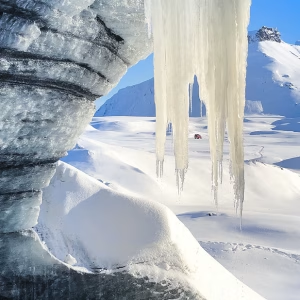
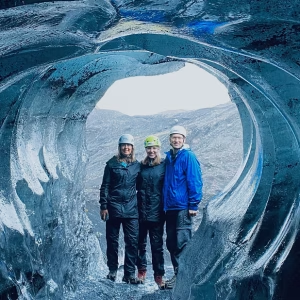
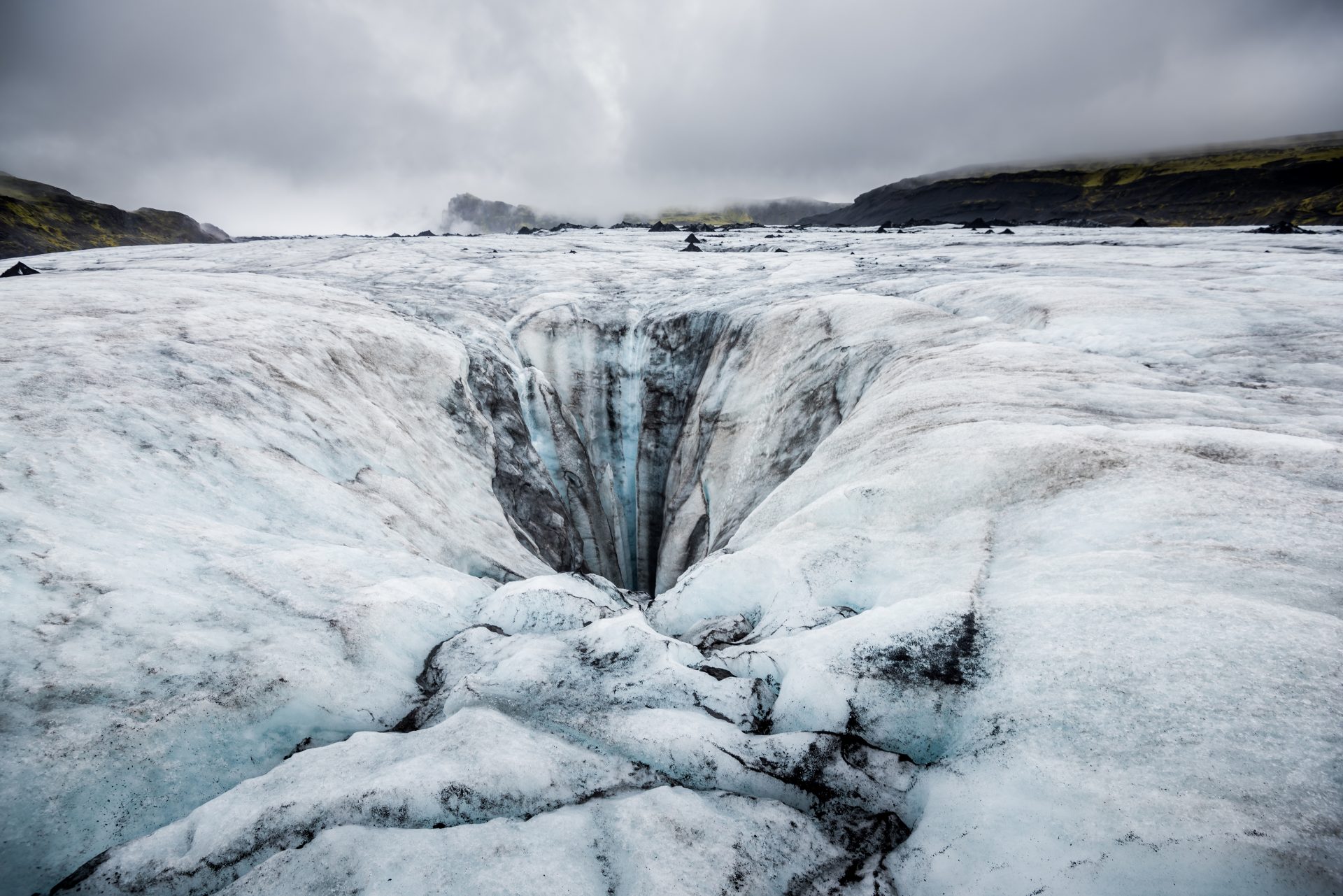
- Lofthellir Ice Cave: Near Lake Mývatn, this hidden lava cave is filled with intricate ice sculptures that shimmer in soft light. Guides provide helmets and lamps, and the experience feels both primal and peaceful, a glimpse into Iceland’s frozen heart.
- Hornstrandir Nature Reserve (Westfjords): A true wilderness, reachable only by boat from Ísafjörður, Bolungarvík, or Strandir. Here, Arctic foxes wander freely, seabirds nest on towering cliffs, and the silence is profound. It’s ideal for those who love hiking, solitude, and nature.
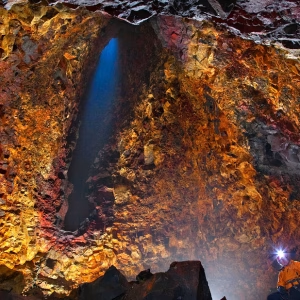
- Þríhnúkagígur Volcano: Located near Reykjavík, this dormant magma chamber is one of the few in the world open for exploration. A lift lowers visitors 120 meters into a vast, colorful cavern that once held molten lava. It’s a geological wonder, combining science and surreal beauty.
- Whale Watching and Puffin Tours: July’s calm seas and bright skies make it the peak season for whale watching. Húsavík, often called the whale capital of Iceland, offers nearly guaranteed sightings of humpbacks, minke whales, and even blue whales. Puffin tours around Borgarfjörður Eystri or the Westman Islands let visitors see these charming birds up close.
- Highland Super Jeep Tours: For travelers who prefer to avoid driving the roughest roads themselves, local guides offer Super Jeep tours into remote regions like Sprengisandur or Hveravellir. These day trips combine comfort with adventure and include stories from Icelanders who know the terrain like home.
- Helicopter and Small-Plane Flights: July’s clear skies make this the ideal time for scenic air tours over glaciers and volcanoes. Flying over Þórsmörk Valley or the black sands near Vík offers an unforgettable perspective on Iceland’s scale and beauty.
- Arctic Edge Drives: The far north offers drives to Melrakkaslétta and Langanes Peninsula for adventurous travelers. These remote Arctic regions have seabirds, sea cliffs, and vast silence. Standing there at midnight, watching the sun hover over the ocean, feels like reaching the world’s edge.
Local Tip: Iceland’s best experiences often aren’t planned. If locals mention a road, a café, or a trail “worth a look,” follow their advice. These spontaneous detours usually lead to your most memorable discoveries.
Indoor Culture and Cozy Corners
Even in endless daylight, Icelanders love their cozy indoor spaces: cafés, galleries, and small museums that tell local stories.
Ideas for a Relaxed Afternoon:
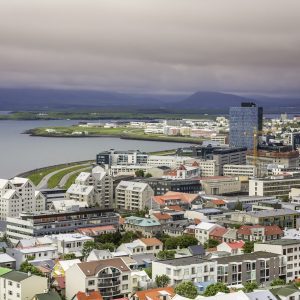
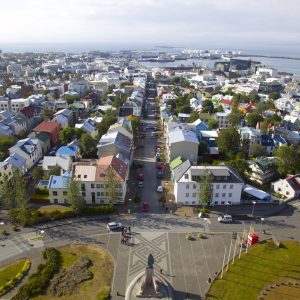
- Reykjavík: Harpa Concert Hall, small galleries, and harbor cafés.
- Ísafjörður: Maritime exhibits at the Westfjords Heritage Museum.
- Akureyri: Botanical Gardens and Bláa Kaffið café.
- Seyðisfjörður: Skaftfell Art Center and its peaceful riverside café.
Local Tip: When it rains, slow down. Icelandic rain is gentle, and cafés often feel even cozier under gray skies.
For Photographers and Quiet Explorers
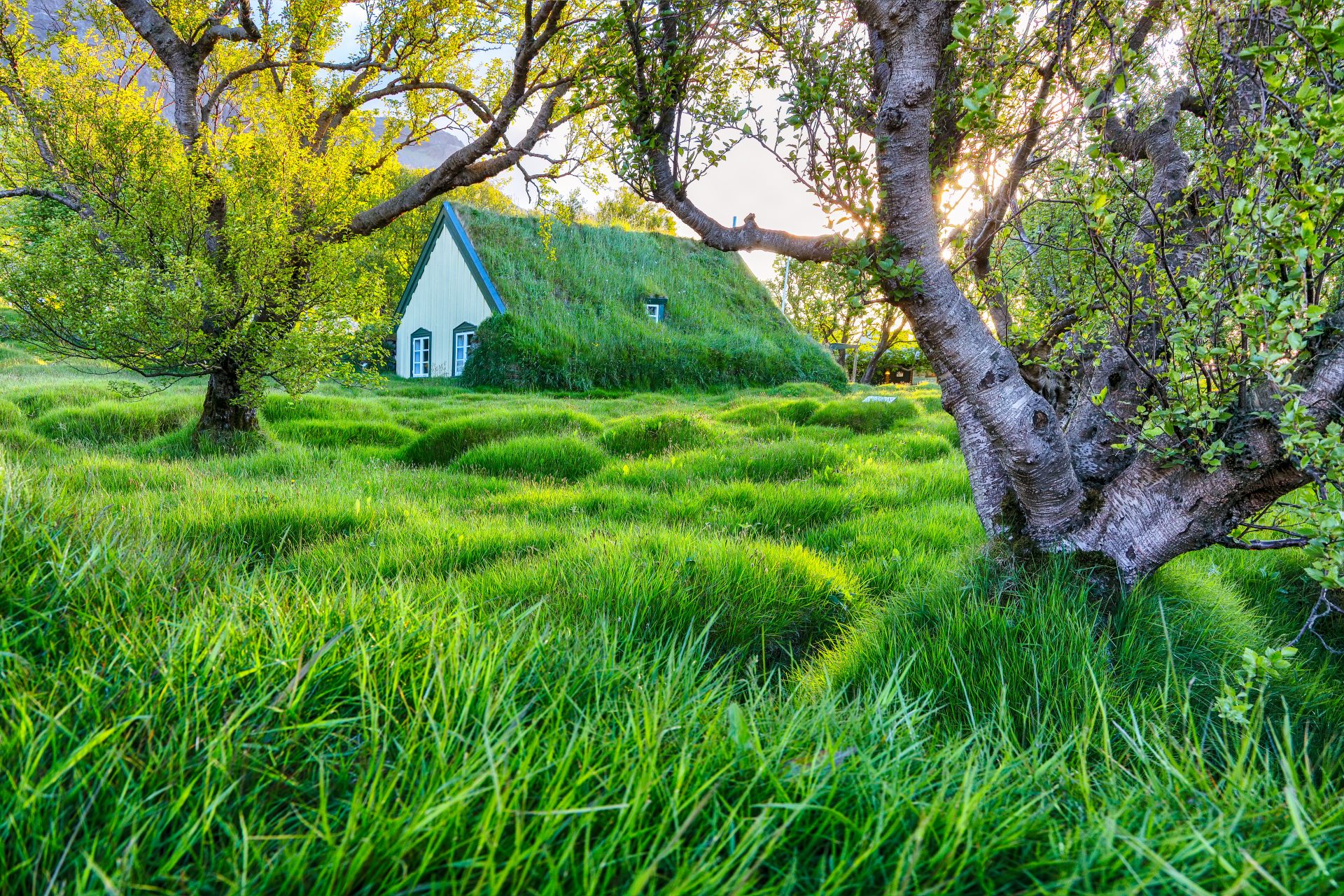
July’s light is endless and soft, turning every moment into a painting.
Best Scenes to Capture:
- Dynjandi at midnight: Cascading water glowing gold.
- Rauðisandur Beach: Reflections stretching for miles.
- Askja Caldera: Deep blue surrounded by black desert.
- Melrakkaslétta Coastline: Arctic tundra meeting silver sea.
- Mjóifjörður: Misty cliffs and waterfalls fading into the horizon.
Local Tip: The secret is patience. Iceland doesn’t need filters; it needs quiet observation.
What to Pack for a July Self-Drive Tour
Essentials:
- Waterproof jacket and trousers
- Warm fleece or sweater
- Comfortable walking shoes
- Swimsuit and towel for hot springs
- Sunglasses, sunscreen, and a sleep mask
- Reusable bottle and picnic kit
- Portable charger
Local Tip: Always keep your swimsuit nearby. The best pools are often unmarked. Once you find one by accident, it will be remembered forever.
Frequently Asked Questions
Why is July the best month for Highland access?
All F-roads are generally open, rivers are calm, and road maintenance is regular. It is the perfect month for 4×4 travel.
Which remote harbor towns host local festivals in July?
Villages like Flateyri, Seyðisfjörður, and Siglufjörður host small music or family festivals that feel intimate and local.
How do evening light conditions benefit self-drivers in July?
The sun lingers near the horizon for hours, giving photographers rich golden tones and near-endless driving daylight.
Are wildlife encounters more visible in July?
Yes. Puffins feed chicks, whales are active, and Arctic fox cubs begin exploring around Hornstrandir.
What special local outdoor experiences are unique to July?
Try kayak tours in calm fjords, midnight-sun hiking, or sea-angling trips from small ports like Hólmavík.
How does Icelandic summer food change in July?
Farmers’ markets offer new potatoes, herbs, and smoked Arctic char. Outdoor food festivals appear in Reykjavík and Akureyri.
Are ferries and domestic flights reliable in July?
Yes. The stable weather makes ferries to Vestmannaeyjar and flights to Westfjords and Egilsstaðir highly dependable.
What is a good local etiquette tip for July travelers?
Avoid parking on moss or off marked roads. Even dry moss takes decades to recover, and locals deeply value environmental care during peak season.
Should I book early?
Yes, especially for hotels, car rentals and unique tours.
Can I camp anywhere?
No, only at designated sites. Many offer excellent views and good facilities.
A self-drive tour in Iceland in July is the essence of freedom. It’s when the entire island opens its arms, from the windswept cliffs of Langanes to the Highlands’ silent valleys and the East’s calm fjords.
July is the perfect balance of comfort and adventure for travelers seeking authenticity and serenity. It is Iceland at its purest: wild, open, and bathed in golden light.