Winter in the Faroe Islands: Quiet Roads, Cozy Days & Wild Beauty

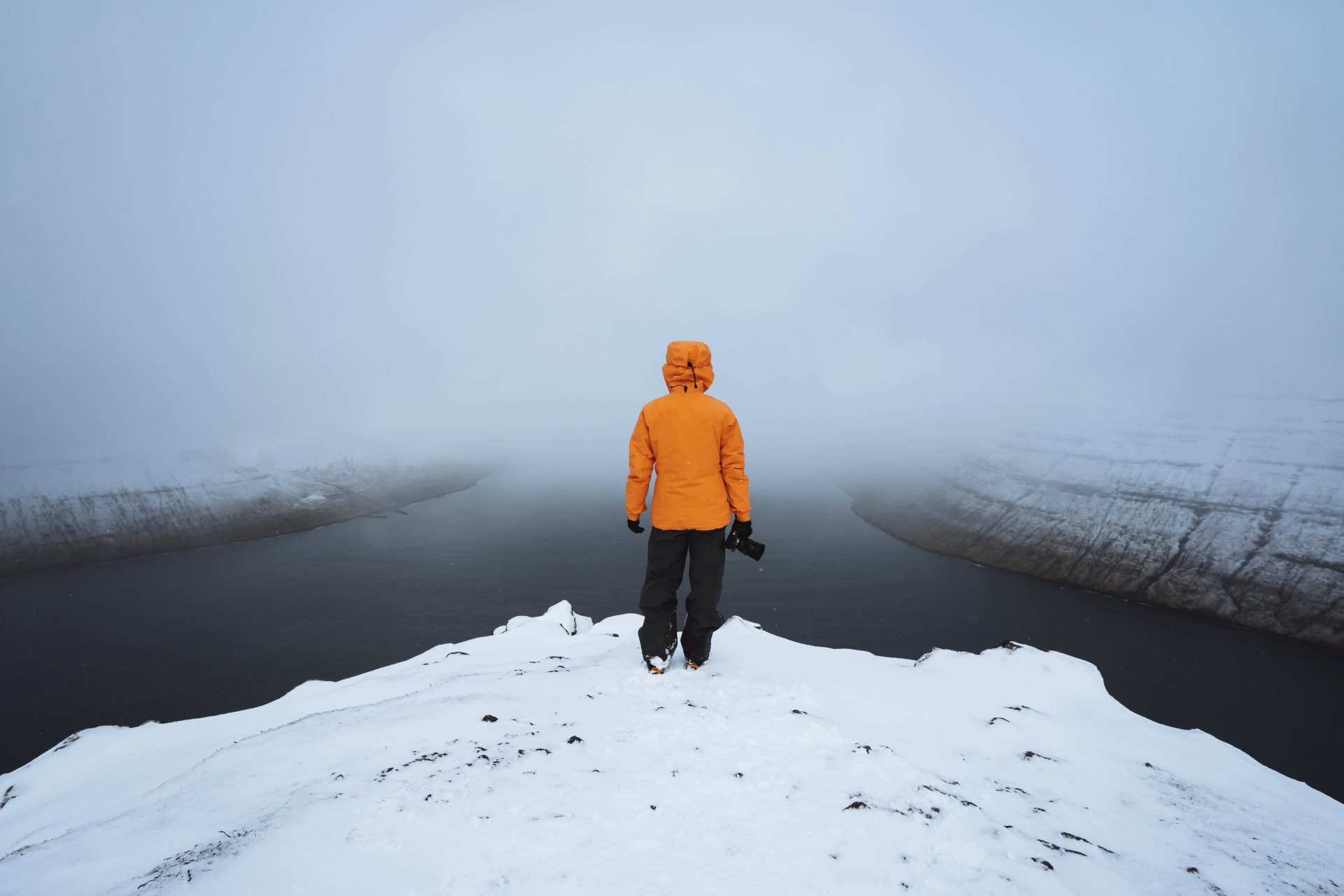
The Faroe Islands in winter feel like a deep breath: calm, raw, and astonishingly peaceful.
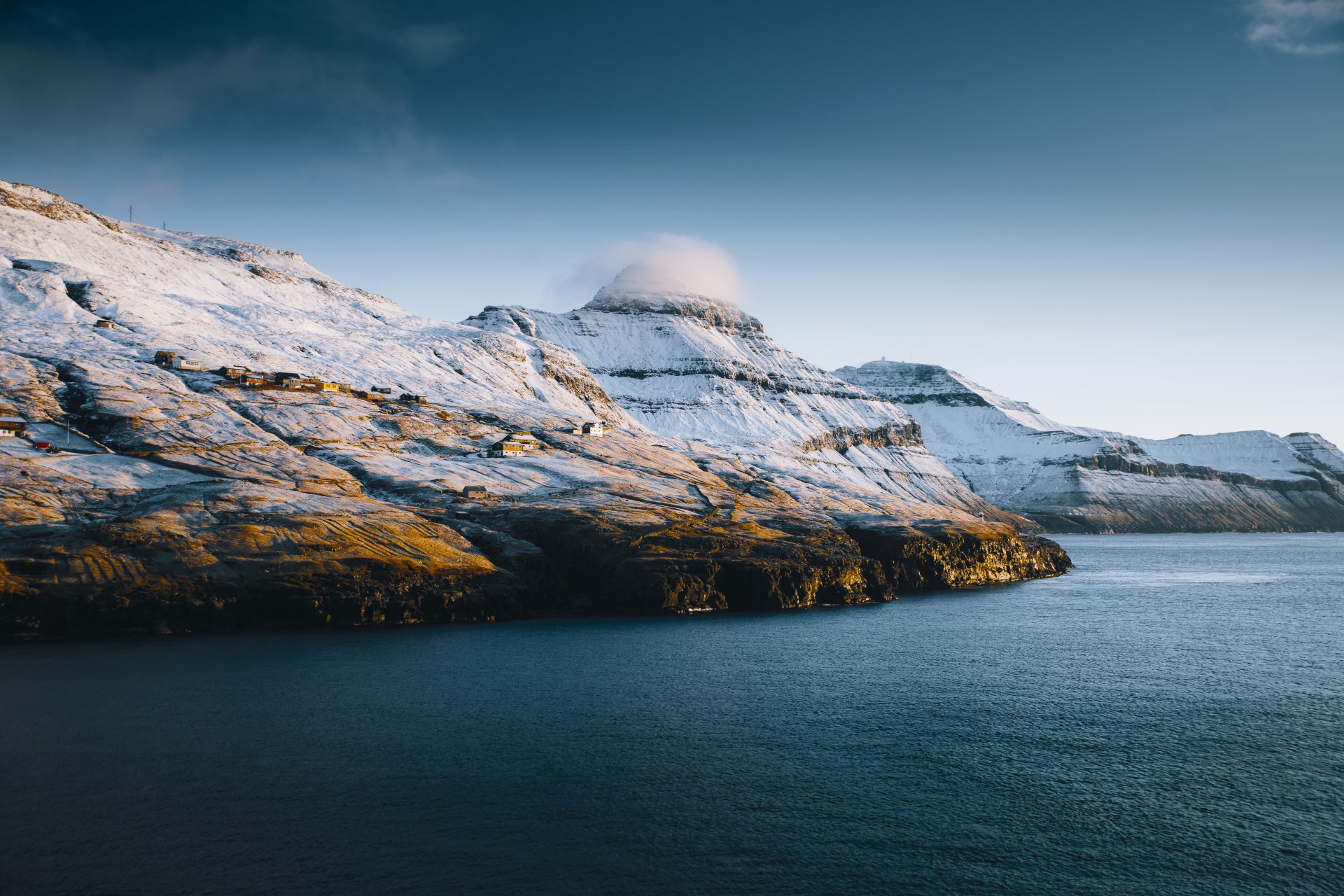
Between November and March, daylight shortens, snow dusts the mountains, and mist rolls softly over the fjords. The islands become slower, quieter, and somehow even more beautiful.
For travelers who prefer serenity to crowds, winter is when the Faroes belong to themselves. Roads stay open, locals move at an unhurried pace, and the landscapes turn into moving paintings of silver, slate, and sea.
This guide covers what to expect when driving and exploring the Faroe Islands in winter, including weather, safety, packing, and how to enjoy the season’s cozy rhythm.
When Is Winter in the Faroe Islands?
Winter runs from November through March, though the coldest months are January and February. Because of the Gulf Stream, the Faroes are milder than their latitude suggests and rarely freeze for long.
Average Conditions:
November
Avg. High: 7°C / 45°F
Avg. Low: 3°C / 37°F
Rain/Snow Days: 20+
Daylight Hours: 7–8 hours
December
Avg. High: 6°C / 43°F
Avg. Low: 2°C / 36°F
Rain/Snow Days: 20+
Daylight Hours: 5 hours
January
Avg. High: 5°C / 41°F
Avg. Low: 1°C / 34°F
Rain/Snow Days: 20+
Daylight Hours: 6 hours
February
Avg. High: 5°C / 41°F
Avg. Low: 1°C / 34°F
Rain/Snow Days: 18–20
Daylight Hours: 8 hours
March
Avg. High: 6°C / 43°F
Avg. Low: 2°C / 36°F
Rain/Snow Days: 18–20
Daylight Hours: 10 hours
Expect wind, mist, and bursts of bright sun between quick showers, the kind of weather that changes the landscape every few minutes.
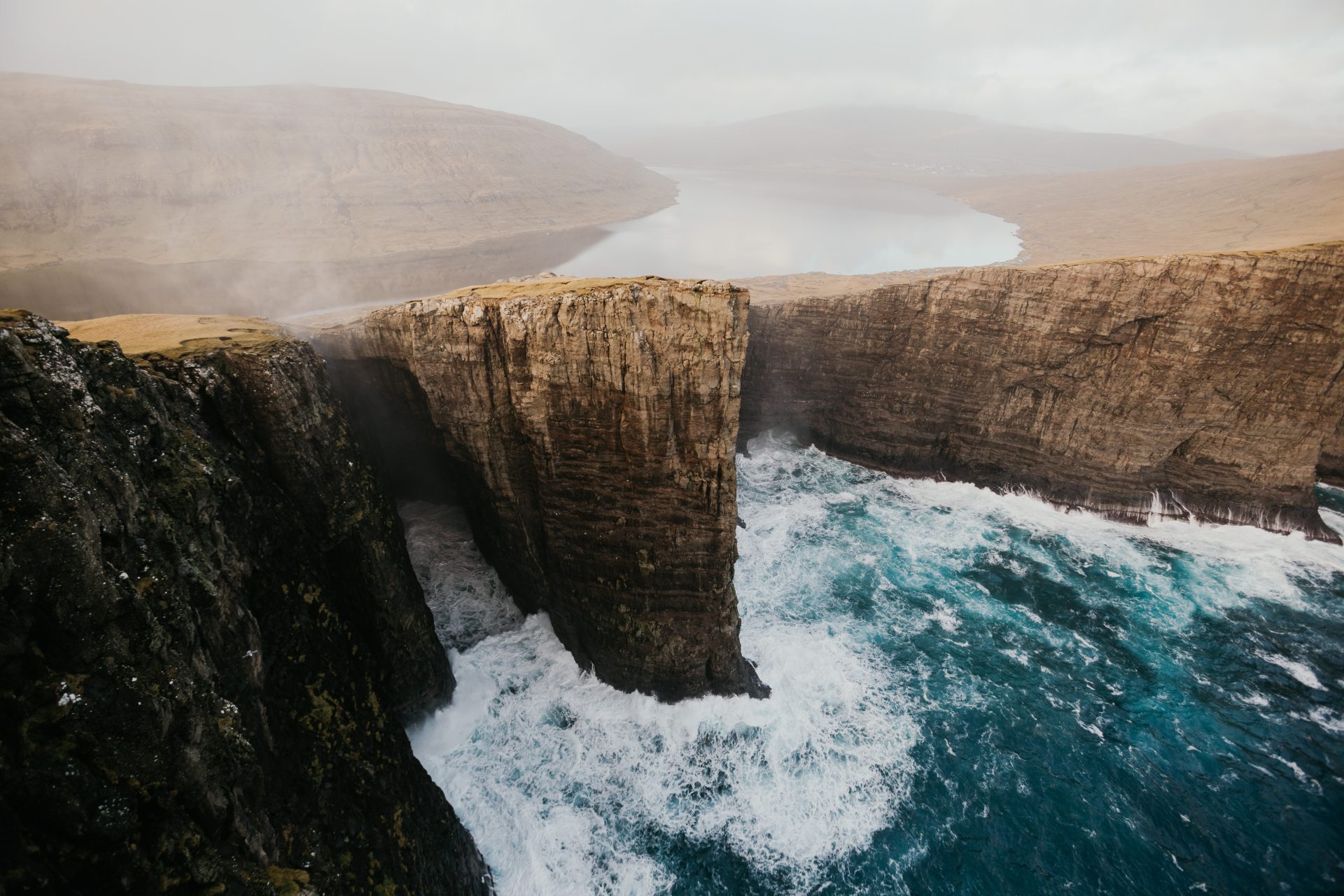
Why Visit the Faroe Islands in Winter?
Winter in the Faroes is about stillness. It’s perfect for travelers who enjoy peace, slow drives, and cozy evenings by a window overlooking the sea.
Here’s what makes winter special:
- Quiet roads and villages: few tourists, more local life.
- Soft light: golden even at midday, excellent for photography.
- Calm accommodation prices: lower rates, higher availability.
- Cultural warmth: locals have time to chat and share stories.
- Weather drama: snow, wind, and waves that feel cinematic but safe.
Winter rewards those who don’t rush, as it’s the season when time stretches, and each simple drive feels like a small adventure.
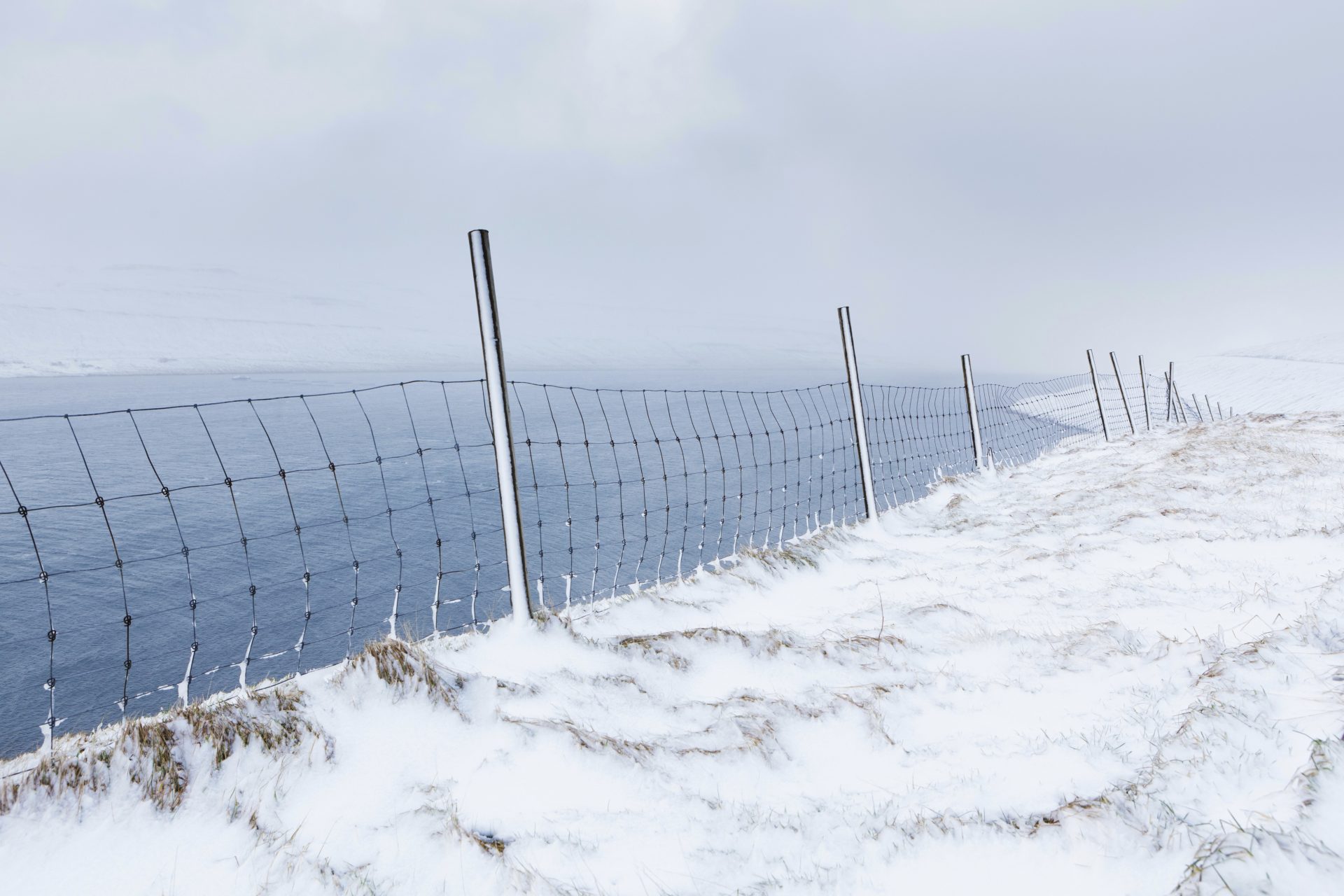
Driving in Winter
Can you drive safely in winter?
Yes, absolutely. Faroese roads are well-maintained, plowed quickly after snowfall, and salted in freezing conditions. Most are paved, and tunnels prevent the need for mountain detours.
Still, winter driving has its own rhythm.
Tips for Calm, Safe Winter Driving
- Slow down on curves and bridges, as wind gusts can be sudden.
- Use headlights at all times (mandatory).
- Keep both hands on the wheel, as crosswinds can tug hard.
- Avoid mountain passes in storms – wait an hour, as weather changes fast.
- Check forecasts before long drives.
- Don’t rush schedules, as daylight is short, and low-light photos are better anyway.
Roads clear quickly after flurries. Ice patches are rare but possible in shaded valleys, so drive gently and enjoy the calm pace.
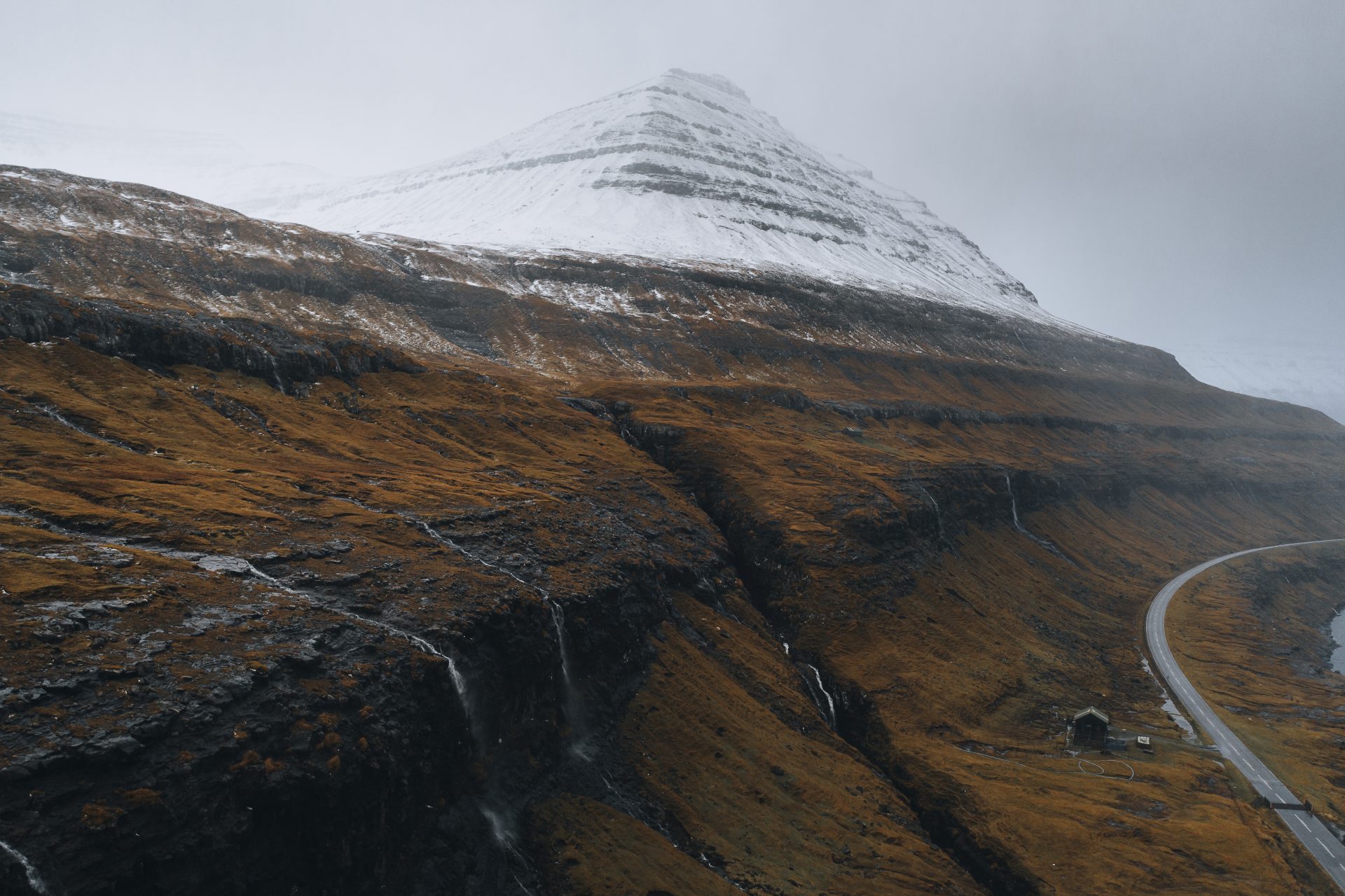
Winter Light: Short Days, Long Golden Hours
In December, daylight lasts barely five hours, but it’s five hours of gold. The low northern sun paints the landscape in deep, soft tones, perfect for photographers and contemplative travelers alike.
Best driving times: 09:30–15:30.
Outside that window, there’s twilight, not full darkness, enough to stroll or enjoy a quiet harbor.
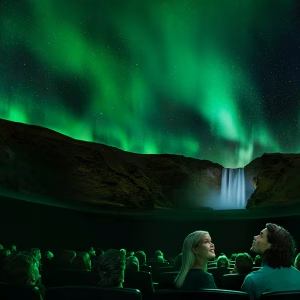
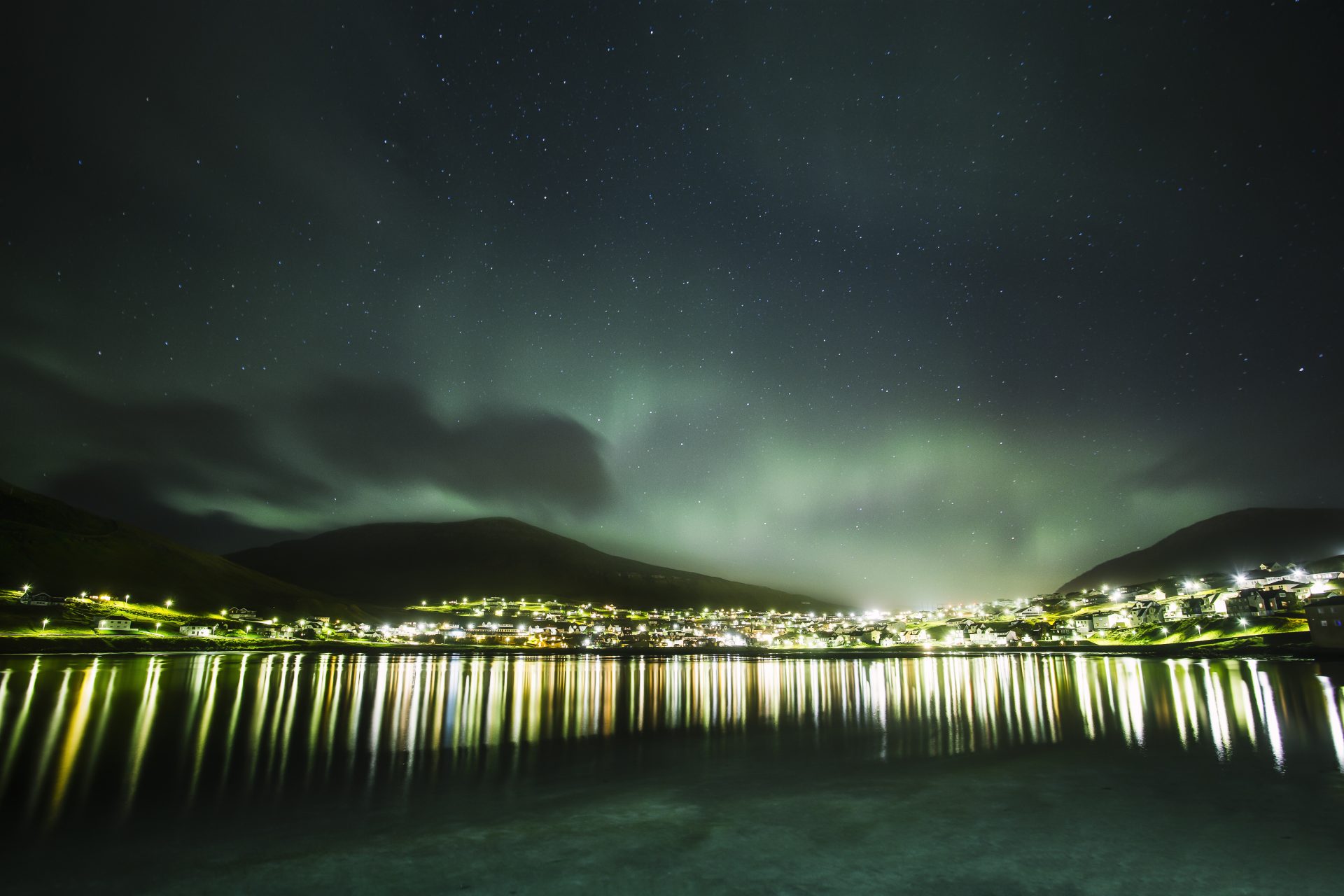
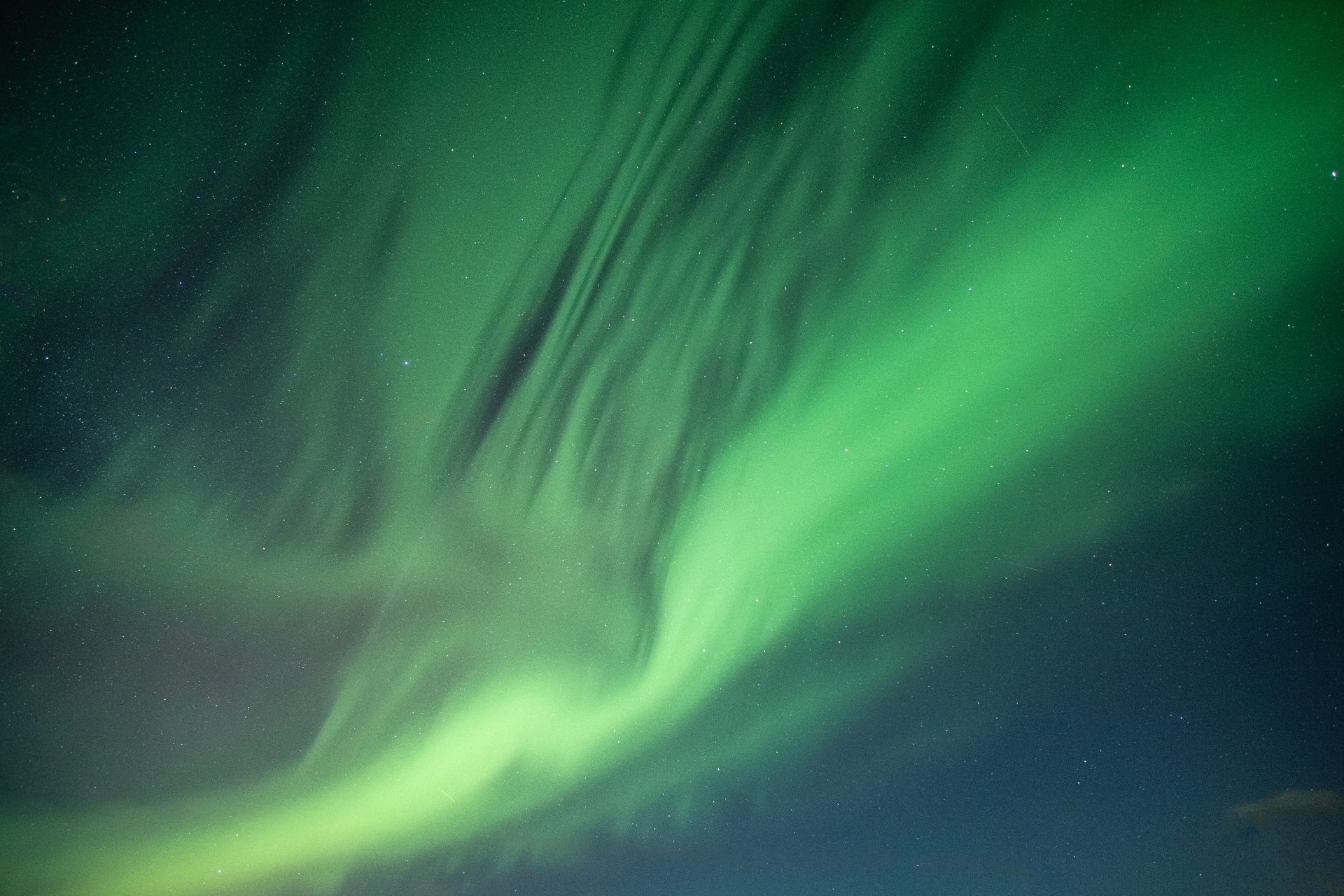
The stars appear brilliant at night, and the northern lights occasionally dance over the fjords. The aurora isn’t guaranteed, but on clear, still nights, especially in February or March, it’s possible to see faint green arcs near Klaksvík or Eiði.
What to Pack for Winter Comfort
Packing for the Faroese winter is all about layers.
The air is damp and breezy rather than bitterly cold.
Essentials for travelers:
- Waterproof outer jacket (windproof shell)
- Fleece or wool mid-layer
- Thermal base layers
- Warm hat and gloves
- Waterproof shoes or boots
- Reflective vest (for walking at dusk)
- Compact thermos for hot drinks
Pro tip: Carry a microfiber cloth in the car, as window fogging happens fast in moist air.
Suggested Winter Routes
Driving distances in the Faroes are short, making half-day outings perfect.
Here are a few relaxed, all-weather drives:
Tórshavn → Kirkjubøur (15 min)
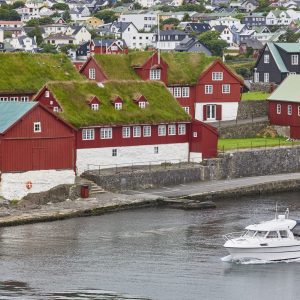
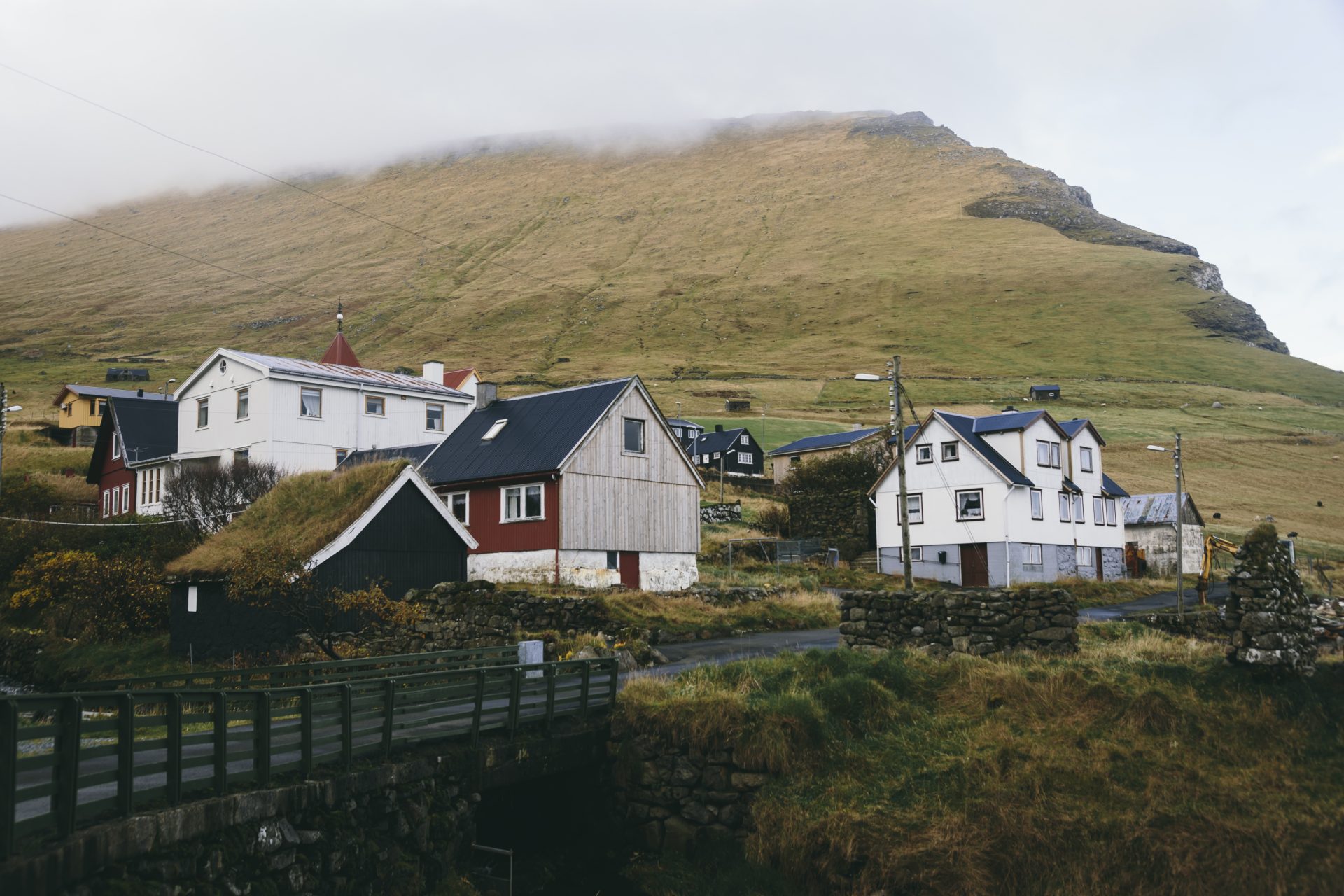
A short coastal road to the islands’ oldest village with turf-roof houses, quiet church ruins, and easy parking.
Vágar Island Loop (1 hour)
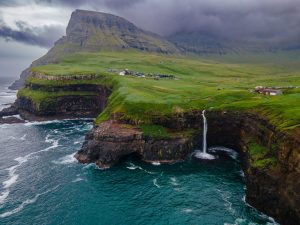
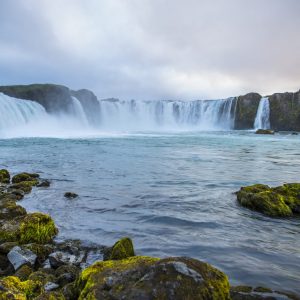
Airport island roads stay clear year-round; visit Bøur and Gásadalur for dramatic winter seascapes.
Eysturoy Tunnel Route (Tórshavn – Gjógv – Strendur)
Through the undersea roundabout to picturesque harbors and cafés.
Saksun in Snow (if open)
Check conditions first; the final 10 km can ice up. When open, it’s magical: black sand, white peaks, and silence.
Warm Stops and Cozy Cafés
Winter is café season. Even in bad weather, there’s always a warm place nearby for coffee, soup, or cake.
Recommended winter stops:
- Paname Café (Tórshavn): big windows, hot chocolate, easy parking.
- Kafé Kaspar (Tórshavn): open evenings, cozy atmosphere.
- Fríða Café (Klaksvík): lively locals, indoor seating.
- Effo and Magn stations: reliable coffee, clean restrooms, fuel.
Plan drives between these stops, as every 30–45 minutes of scenic road deserves a warm pause.
Where to Stay in Winter
Most hotels and guesthouses remain open year-round. Tórshavn is the ideal base: central, sheltered, and close to all-weather routes.
Best winter bases:
- Tórshavn: city comforts, restaurants, museums.
- Klaksvík: northern light and ferry access.
- Vágar (Sørvágur): near the airport, calm coastal walks.
Choose accommodation with parking and breakfast included, ideal when mornings are dark and windy.
Winter Weather: What to Expect
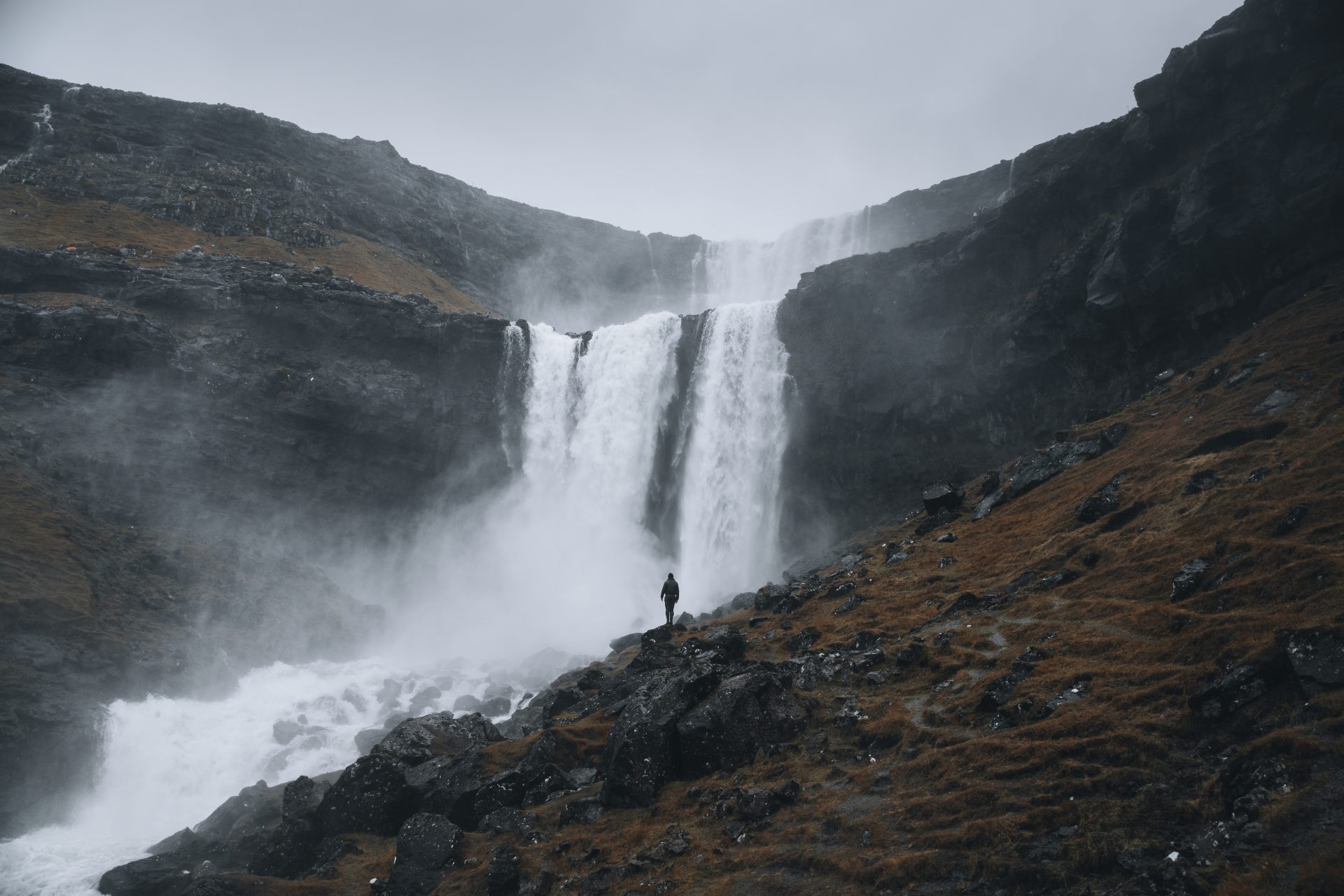
Faroese winter weather is dramatic but rarely dangerous. Rain is frequent. Snow falls, melts, then returns. The landscape shifts colors hourly.
Expect:
- Wind: strongest in December–February; gusts up to 25 m/s (55 mph).
- Rain: steady drizzle is more common than heavy downpour.
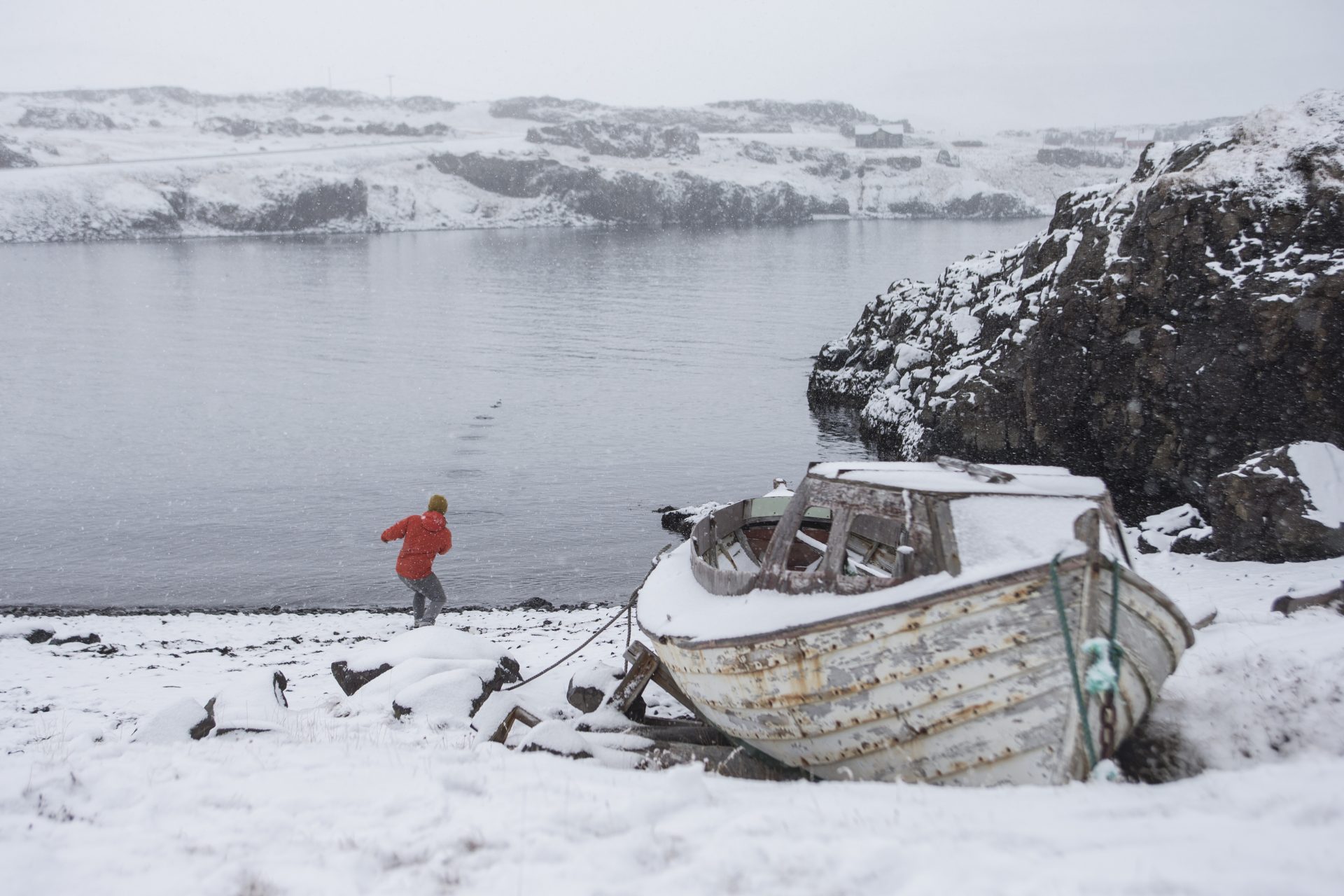
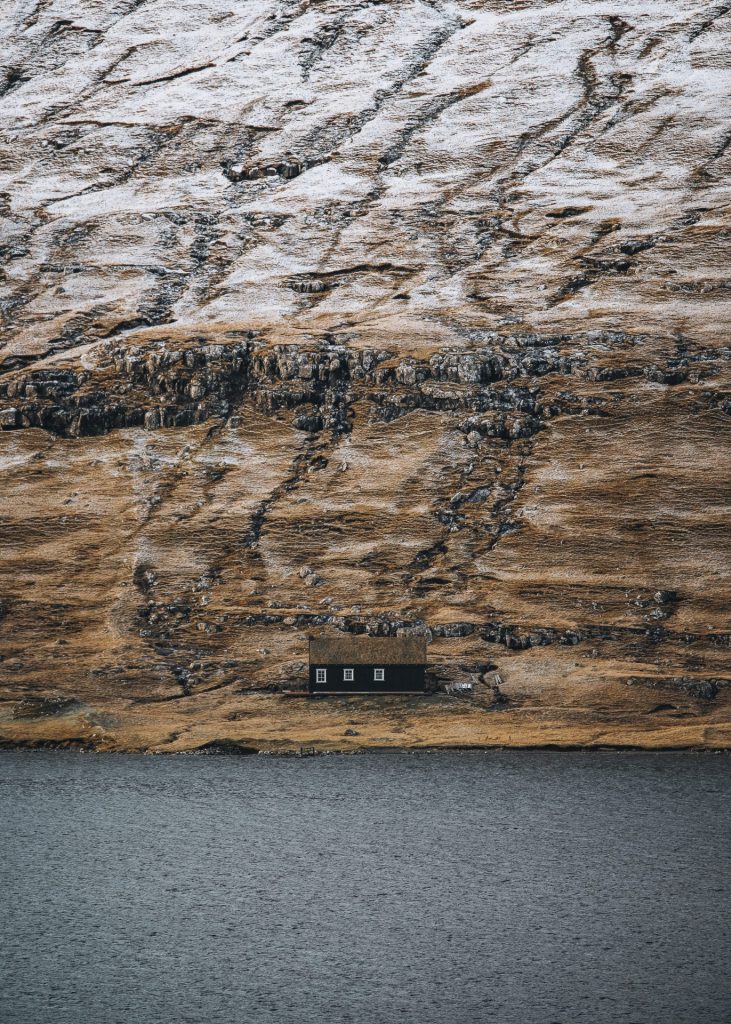
- Snow: light dustings on hills; rarely deep on roads.
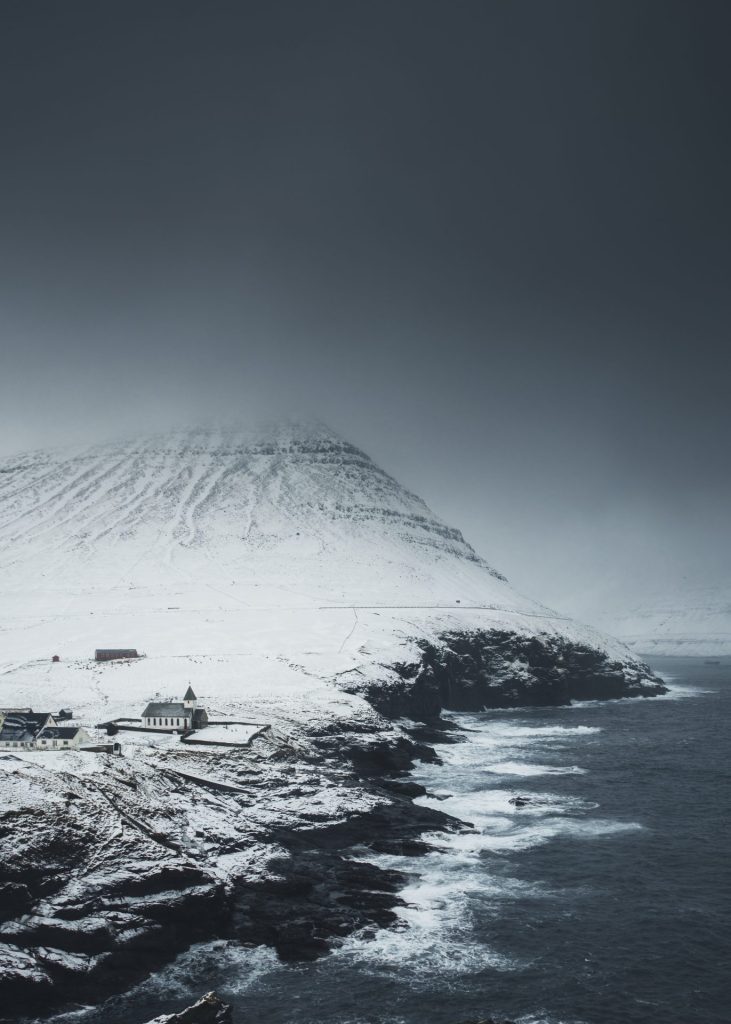
When wind warnings appear, locals simply wait it out. Shops, cafés, and museums stay open, and calm often returns in a few hours. Patience is part of the Faroese experience, and part of its charm.
Indoor Culture & Rainy-Day Ideas
In winter, Faroese culture moves indoors quietly, warmly, and often musically.
- The Nordic House (Tórshavn): concerts, exhibitions, and winter lectures.
- National Museum: deep dive into Viking history.
- Listasavn Art Museum: Faroese landscapes painted in every shade of gray and green.
- Wool and gift shops: like Guðrun & Guðrun or Ullvøruhúsið, perfect for rainy afternoons.
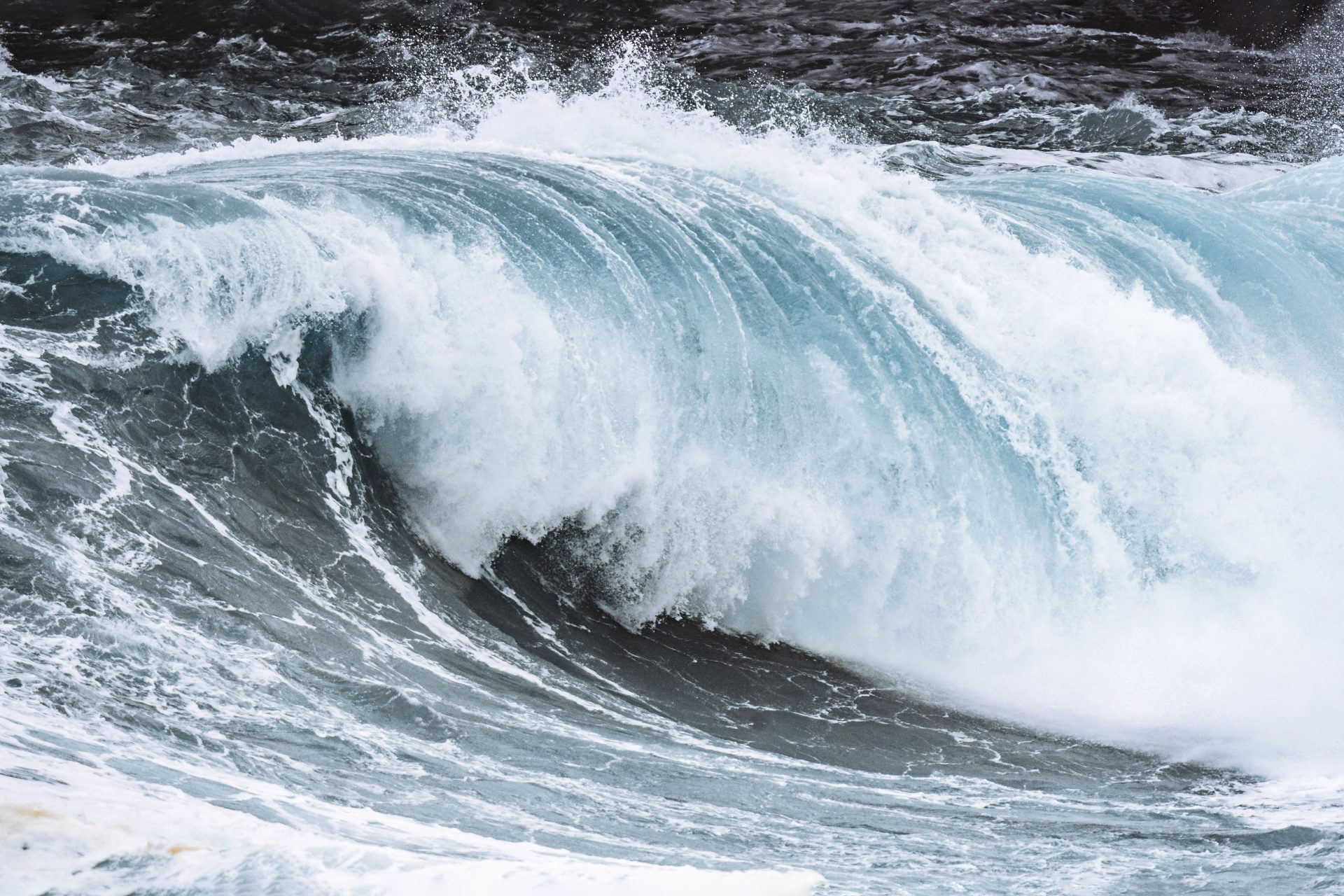
On especially stormy days, locals drive to scenic viewpoints to watch waves hit the cliffs. It’s mesmerizing and perfectly safe from the car.
Practical Winter Notes
- Ferries and tunnels: operate year-round. Some small routes (like Mykines) pause until spring.
- Gas stations: 24-hour card service; staffed hours shorter (08:00–20:00).
- Restaurants: check hours, as some close early midweek.
- Emergency number: 112 (English-speaking operators).
Always fuel up before long drives. Rural stations may not be staffed after dark.
For Photographers and Quiet Explorers
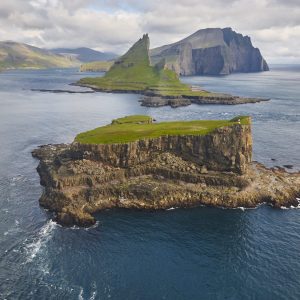
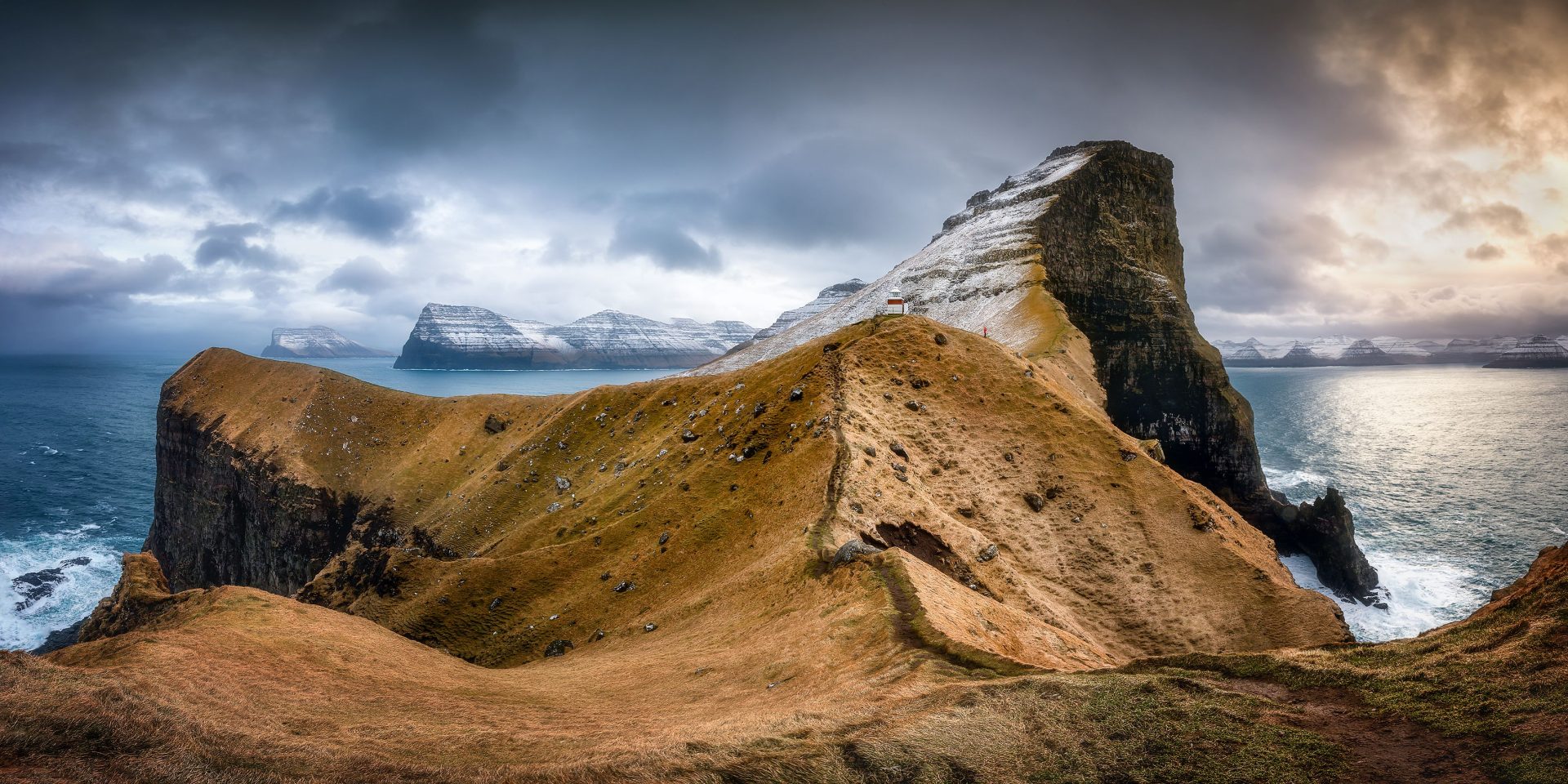
Winter light in the Faroes is cinematic: mist glows over black cliffs, sunlight pierces clouds, and reflections in calm fjords. It’s less about perfect skies and more about mood.
For easy access photo stops:
- Kaldbaksfjørður near Tórshavn (morning reflections).
- Norðradalur viewpoint (golden dusk light).
- Leynar beach (black sand with snow-dusted hills).
- Eiði cliffs (striking in stormlight; stay back from the edges).
No need for long hikes, the car often takes you right to the frame.
Winter Etiquette & Safety
Locals drive, work, and walk year-round, so visitors must follow the same calm discipline.
- Drive slowly in fog or wind.
- Don’t stop in tunnels or on narrow roads for photos.
- Use hazard lights only when stationary.
- Never walk near cliff edges in the wind, as gusts are unpredictable.
Respect the elements, and they’ll reward you with unforgettable moments of stillness.
Frequently Asked Questions
Do I need snow tires?
Most rentals already have all-season tires; heavy snow is rare.
Are the roads plowed daily?
Yes. Main roads and tunnels are priority-cleared after snowfall.
Is it too dark to sightsee?
No, daylight is short but bright; plan for mid-morning to mid-afternoon outings.
Can I see the northern lights?
Sometimes, on clear nights in February or March. No guarantee, but always worth a glance north.
Is winter driving stressful?
Not at all, if you go slow. Locals drive calmly, follow their pace, and wave when they do.
Winter in the Faroe Islands is quiet, reflective, and surprisingly gentle. Roads stay open, the scenery deepens in color, and every café feels like a refuge from the wind. It’s a season to rest and reconnect with nature’s rhythm. Drive carefully, plan flexibly, and don’t fear the weather. Embrace it!