July in the Faroe Islands: Self-drive Summer Adventures & Weather Local Guide


July is when the Faroe Islands reach their quiet peak. Long daylight, mild temperatures, and fully open roads make it the best month for travellers who prefer freedom and calm exploration.
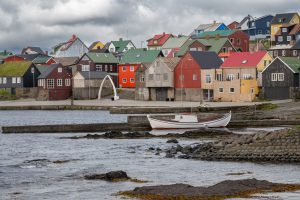
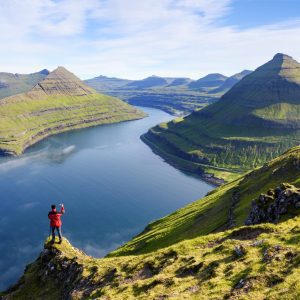
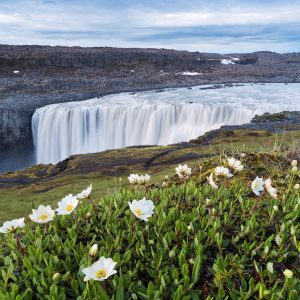
The landscape glows green, wildflowers fill the meadows, and the ocean turns a soft metallic blue beneath steady light. Villages feel awake but never crowded, and each day stretches from gentle dawn to midnight twilight.
For anyone planning a self-drive tour, July offers perfect driving conditions, accessible ferries, and a rhythm of Faroese life, from village festivals to evening walks under a sky that never truly darkens.

July Weather: Soft Summer Light and Microclimates
July weather in the Faroe Islands is mild and balanced: rarely hot, rarely cold. The air feels clean and light, with enough warmth for open windows during drives.
Average High: 13°C (55°F)
Average Low: 8°C (46°F)
Rain Days: 12–15
Daylight: ~19 hours
Wind: Light to moderate
Microclimates Matter
Unlike many destinations, the Faroes can experience dramatic weather shifts within a few kilometres. Tórshavn may sit in light mist while Vágar enjoys sun, or Eysturoy’s fjords stay dry while the north catches drizzle.
Local Tip: Check yr.no and vedur.fo for each region (not just Tórshavn). Locals check a few forecasts, then choose the best direction for the day.

The Character of July
This is the most social month of the Faroese year. School holidays bring local families outside, rowboat races fill small harbours, and every café window opens to the sea breeze.
Even so, the islands never feel crowded. July combines the friendliness of summer with the quiet rhythms that define Faroese life: polite, slow, and deeply tied to the weather.
Local Tip: Evenings are especially bright in the north (Viðoy, Kunoy, and Kalsoy). Locals call it “the sleepless calm.” Bring an eye mask if your guesthouse curtains are thin.

Road and Driving Realities in July
Roads in July are in excellent condition, but this is also when local drivers use them more frequently for social visits and small summer festivals.
Driving tips:
- Keep headlights on at all times.
- Watch for cyclists and sheep near village roads.
- Gas stations are busiest late afternoon, so refuel mornings if possible.
- Expect light queues at ferry terminals, especially near Kalsoy and Mykines.
- Never overtake on blind corners; Faroese roads curve sharply through valleys.
Local Tip: In Tórshavn during Ólavsøka (National Day, July 29), streets close for parades. Park outside the city centre and walk. Locals do the same.

Village Nightlife and the “Light That Never Leaves”
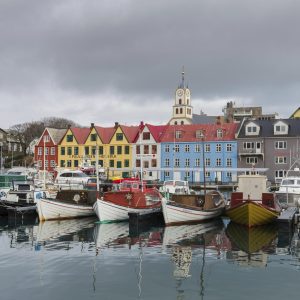
In July, the Faroe Islands never truly see darkness. The midnight sky turns pale blue, and harbour lights reflect softly on the water.
There’s no loud nightlife scene, but small villages often gather in community halls for folk music or card games. In Tórshavn, harbour cafés stay open until midnight with live acoustic sets.
Local Tip: If you stay in a small guesthouse, ask about kvøldseta, an informal evening gathering with coffee, cake, and storytelling. These are never advertised but often open to visitors who ask politely.

Unique July Experiences for Self-Drive Travelers
1. The Rowing Regattas (Kappróður)
Throughout July, nearly every island hosts a local rowing competition. Villages like Vestmanna, Runavík, and Fuglafjørður hold small celebrations where families cook outdoors and music fills the harbour.
Arrive early (parking near the docks is limited) and watch from the seawall as the traditional Faroese boats race across the fjord.
2. Open Art Houses in Eysturoy
In summer, artists open their home studios for visitors. The village of Nes and nearby Toftir host casual open days with paintings, wool work, and handmade jewellery.
3. Sunday Drives to Norðradalur
On clear Sundays, locals drive to Norðradalur viewpoint to watch the light shift over the sea. They bring coffee, sit on the stone wall, and watch the slow clouds move over the fjord.
Local Tip: Ask a café if they offer kaffi-to-go (coffee to take). It’s common now, and locals love sipping it on scenic drives.

Where to Stay in July
Accommodation fills quickly, but July offers the widest variety of lodging types: from boutique hotels to small family guesthouses.
Suggested bases:
- Tórshavn: for culture, dining, and access to festivals.
- Vágar: for waterfalls, airport proximity, and the Mykines ferry.
- Eysturoy: for coastal drives and quiet fjord villages.
- Klaksvík: for scenic northern escapes and access to Kalsoy.
Local Tip: If you stay near a harbour, bring earplugs. Boats often leave early for fishing, and seagulls announce it loudly.

Eating in July: Local Ingredients in Season
Faroese cuisine shifts slightly in July. It is still hearty but with lighter, fresher ingredients.
In season:
- Fresh herbs like sorrel and angelica
- Early potatoes and turnips
- Rhubarb and berries for desserts
- Summer lamb, tender and mild
What to try:
- Grilled lamb skewers in harbour cafés
- Faroese sushi at Etika
- Homemade rhubarb cake at Fríða Café
- Seaweed bread and butter at Roks
Local Tip: If you see skerpikjøt (wind-dried lamb) on menus, ask for it. It’s a thinly sliced Faroese delicacy. Locals enjoy it with rye bread and butter.

Hidden Roads and Scenic Detours
Even with the main roads open, July is the time to explore the smaller, lesser-known routes, perfect for self-drivers.
1. Vestmanna Sea Road
Drive west from Streymoy to Vestmanna, passing cliffs and broad valleys. Stop at the viewpoint above the harbour; it’s quiet, especially in the morning.
2. Oyggjarvegur Ridge Drive (Streymoy)
The old ridge road between Tórshavn and Kollafjørður offers panoramic views without much traffic.
3. Kunoy Island Loop
From Klaksvík, drive the small causeway to Kunoy. The road ends in a village framed by green mountains, a perfect place for a picnic.
Local Tip: Download offline maps before exploring. Mobile coverage can drop in valleys and tunnels, even in summer.

Ferries and Helicopters: Island-hopping Made Easy
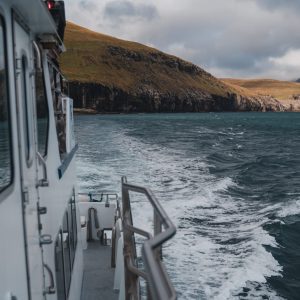
One of the quiet joys of driving in the Faroe Islands during July is how seamlessly the roads, tunnels, and ferries connect the entire archipelago. Every island is within reach, not just by car but also by small boat or helicopter, which operate in summer with complete, reliable schedules.
In July, island-hopping becomes part of the Faroese experience rather than a logistical step. You’ll drive through undersea tunnels, sail past sea cliffs alive with birds, and lift off over fjords that sparkle under midnight light.
Local Tip: Arrive at least 30–40 minutes before departure, even with a booking. Locals line up early, and boarding orders often follow arrival time rather than reservation number.

Island-hopping Ideas for July Self-drivers
If you have a week or more, use the ferries to turn your road trip into a small island circuit.
Here are a few calm, scenic combinations:
- Vágar + Mykines: Stay on Vágar, take the morning ferry to Mykines, spend the day walking the cliffs among puffins, and return in the evening.
- Klaksvík + Kalsoy: Drive onto the early ferry, explore the island’s narrow tunnels and fishing villages, then have lunch in Klaksvík on return.
- Tórshavn + Suðuroy: A more extended day trip, but worth it. Suðuroy’s southern villages (like Sumba) feel untouched and beautifully remote.
Local Tip: Bring a thermos and a small picnic from your guesthouse. Many ferries have limited cafés, and locals often travel with homemade sandwiches and coffee to enjoy on deck.

Helicopter Travel: Scenic and Surprisingly Local
The Faroese helicopter system isn’t a luxury service. It’s public transport designed to connect small islands with few residents but great beauty. In July, it’s reliable, affordable, and one of the most unforgettable ways to see the landscape from above.
Flights are operated by Atlantic Airways, and in good summer weather, delays are rare.
Each route offers views of sea stacks, waterfalls, and mist-shrouded ridges, a moving portrait of the islands’ shape and scale.
Local Tip: Helicopter tickets are subsidized for locals, so visitors can book only one leg per day per route. Pair a one-way flight with a ferry return for a beautiful round trip, and always confirm departure times the day before.

Practical Advice for July Connections
- Book ferries and helicopters at least 4–5 days ahead in July.
- Always check weather conditions, as fog can delay morning sailings.
- Ferry terminals have small cafés and restrooms, but few have fuel stations nearby.
- If a ferry or flight is delayed, locals say “tað kemur” (“it will come”). Waiting is simply part of island life.

How Locals Use Transport in July
Summer brings gentle movement across the archipelago. Farmers visit family on other islands, artists attend exhibitions, and children take their first ferry rides to see grandparents.
As a traveller, you’re part of that same rhythm. Driving onto a ferry feels natural: one continuous road that briefly floats before touching land again.
Local Tip: If you’re travelling during a festival (like Ólavsøka or the G! Festival), ferries fill with locals in bright dress and musicians carrying instruments. Arrive early and enjoy the energy. It’s the islands at their most joyful!

The Faroese Way: Unwritten Road Etiquette
Faroese drivers are patient and polite. The system works even on narrow roads because everyone shares it calmly.
- Flash headlights once to say “thank you.”
- Wave when someone lets you pass.
- Keep headlights on day and night.
- Pull into passing bays, never onto grass.
- Sheep always have the right of way.
Local Tip: Locals say: “The road belongs to the island, not the driver.” That’s the Faroese driving philosophy, so slow down and enjoy the space.

Safety and Wellness on the Road
For older travellers, July is one of the safest months for driving and walking. Roads are dry, and medical facilities in each region are excellent.
Quick safety tips:
- Carry a charged phone and power bank.
- Check ferry schedules a day ahead.
- Inform your accommodation if returning late.
- Stay hydrated, as extended daylight can mask fatigue.
Local Tip: Pharmacies in Tórshavn, Klaksvík, and Runavík sell sunscreen, motion-sickness tablets, and reusable bottles. Locals often refill water from mountain streams, which is safe and fresh.

Photography and the Midnight Light
July’s low sun and long evenings are a gift for photographers. The light changes gradually, giving the sea and hills an hour-long golden hue.
Best times for light:
- 7:00–10:00 AM: Warm side light on valleys.
- 9:00–11:00 PM: Golden reflections on fjords.
- 12:00–1:00 AM: Blue twilight is perfect for landscapes.
Local Tip: Stop by the small lake near Norðradalur viewpoint for reflection photos at sunset. Locals know it as “the mirror,” and it’s rarely busy.
 Frequently Asked Questions
How different does July feel compared with June?
July feels more social and energetic. While June is gentle and quiet, July brings longer evenings on the harbours, families spending time outdoors, and a light festival atmosphere without ever feeling crowded.
How should I plan around festivals when driving in July?
Festival days add a cheerful buzz to towns like Gøta and Klaksvík. Plan around them by using festival hours for gentle drives elsewhere. If you visit a festival, park in designated areas, and walk the final stretch.
Can I still find peaceful spots even in July?
Yes. Even at peak season, the Faroe Islands have vast, quiet areas. Drive into the smaller bays, explore the north of Eysturoy, or visit the villages of Viðareiði and Kunoy for calm scenery.
How can I sleep better with extended daylight in July?
Use a sleep mask, and create a cozy routine by dimming lights early. Many guesthouses provide blackout curtains, but older houses may not, so packing a mask is a good idea.
How early should I book tickets for Mykines or Kalsoy?
For July, secure tickets well in advance, especially if travelling on Fridays or weekends. Mykines day trips and the Kalsoy ferry are at their busiest this month.
Is July a good month for multi-generational trips?
Yes. With mild temperatures, gentle breezes, and safe roads, July is one of the best months for families of different generations travelling together by car.
What is the best time of day for boat tours in July?
Morning light can be soft and steady, while late afternoon offers warm colours. Many travellers choose midday for calmer seas, making July ideal for sea-cliff tours.
 Does the local holiday season affect village moods?
Yes. Villages feel lively as local families travel between islands, attend rowing races, and host community evenings. It creates a friendly, open atmosphere for visitors.
When do restaurants usually close their kitchens in July?
Kitchens often close around 9 PM. Plan to dine earlier, then enjoy a quiet walk or scenic drive under the long evening sky.
Is manual or automatic better for July driving?
Both work well, but automatic cars offer smoother handling on winding hills and narrow lanes, especially for visitors unfamiliar with the Faroese terrain.
Which days are best for countryside exploration in July?
Weekdays are generally the best for visiting iconic spots, while weekends are ideal for quieter, lesser-known villages that remain peaceful even in summer.
How should I combine a boat tour with a driving day in July?
Schedule a boat tour for midday and plan short, scenic drives before and after. This creates a well-paced day without feeling rushed.
What should I watch for when driving near harbour events?
Be mindful of extra pedestrians, parked cars, and children playing near the water. Drive slowly and choose public parking even if it is a short walk from the harbour.
How popular are helicopter flights in July?
July is the busiest month for helicopter routes. Book as early as possible if you want to visit remote islands or enjoy an aerial perspective.
How can I manage laundry and packing during a longer July stay?
Choose at least one stay with access to laundry facilities. Plan a slow day mid-trip for washing, drying, and reorganising your luggage.

July in the Faroe Islands is the month of endless light, easy roads, and quiet celebration. Everything works smoothly: ferries, tunnels, cafés, and restaurants.
For self-drive travellers, it’s the ideal balance between comfort and discovery. You can wander between islands, stop where the wind feels right, and still be back at your guesthouse by twilight that never turns to night.