Summer in the Faroe Islands: Long Days, Easy Roads & Gentle Weather

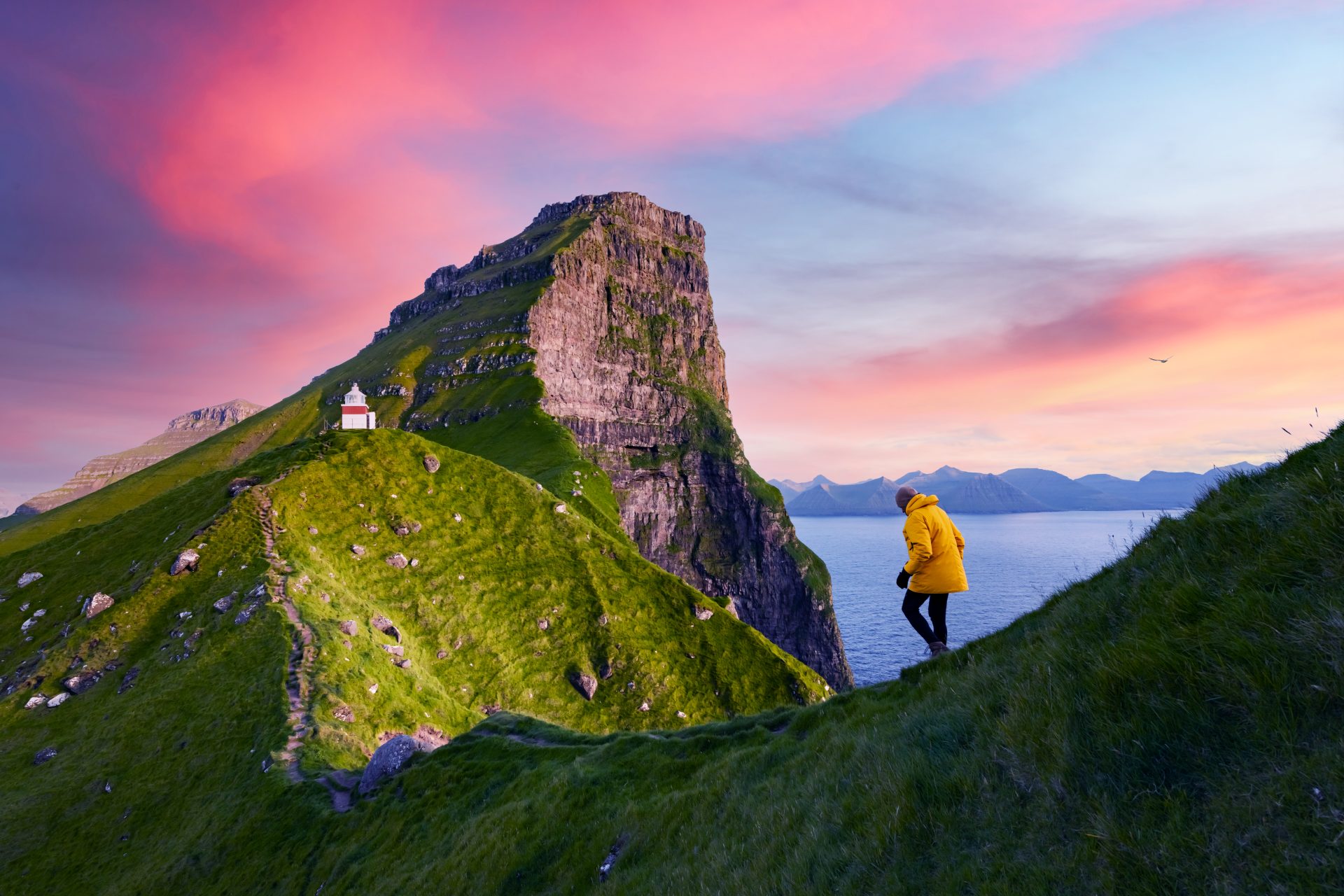
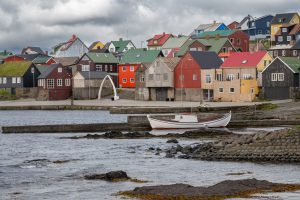
The Faroe Islands in summer are an experience of quiet beauty with green slopes glowing under long daylight, seabirds circling over calm fjords, and empty roads stretching between small, welcoming villages.
For travelers who prefer unhurried exploration and mild weather, June to August is the perfect season to drive, relax, and soak in the islands’ rhythm. Roads are dry, cafés are open, and daylight lingers long past evening meals.
This guide explores what summer in the Faroes really feels like, including the weather, driving conditions, wildlife, and how to plan peaceful days without rushing.
When Is Summer in the Faroe Islands?
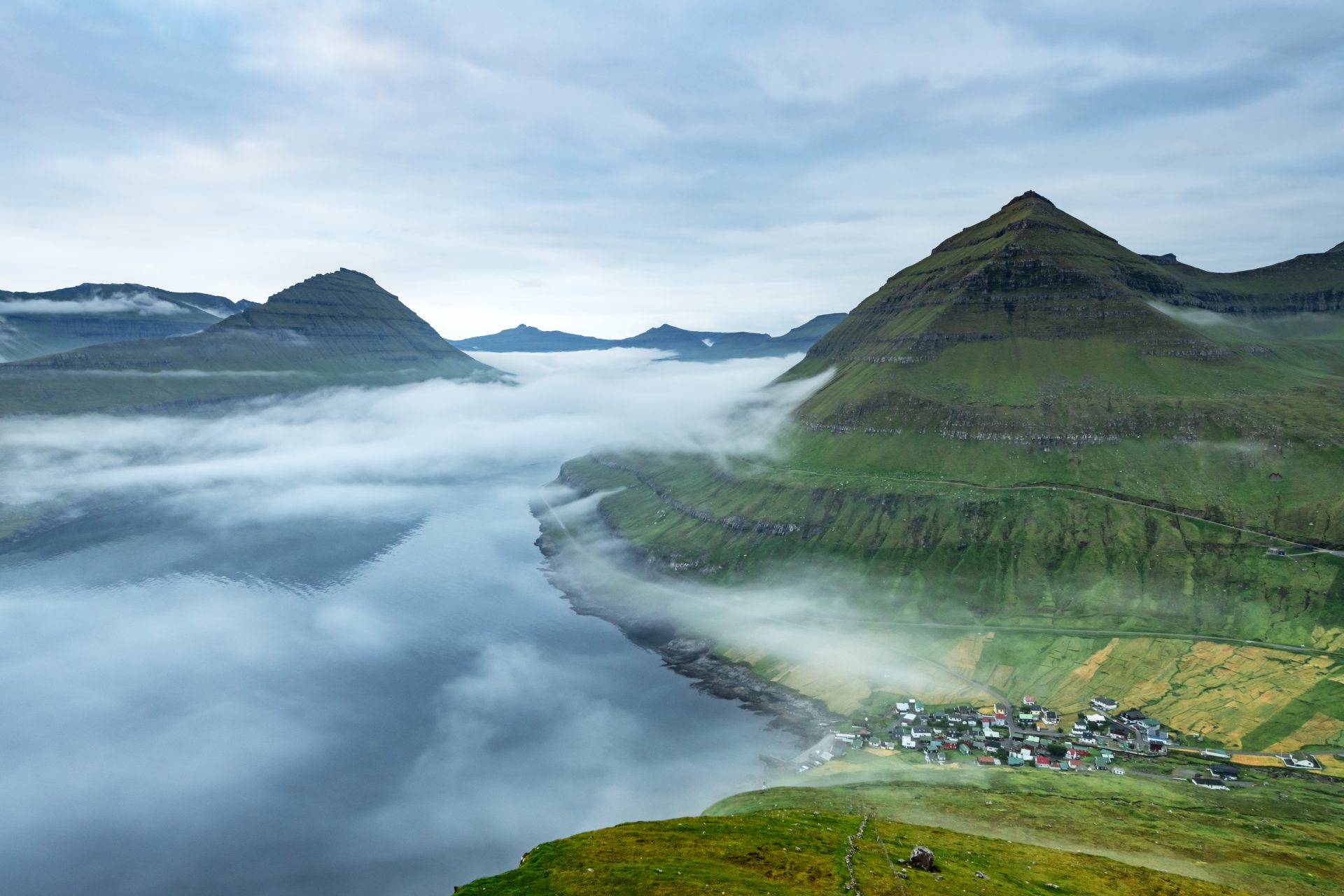
Faroese summer runs from June through August, though the first soft green appears in late May and the light holds into early September. It’s not “hot summer” like Southern Europe, it’s a cool, fresh kind of warmth. Think 10–15°C (50–59°F), with a gentle breeze and the occasional light drizzle.
Average Conditions
June
Avg. High: 11°C (52°F)
Avg. Low: 6°C (43°F)
Rainy Days: 15–17
Daylight Hours: 19 hours
July
Avg. High: 13°C (55°F)
Avg. Low: 8°C (46°F)
Rainy Days: 17–18
Daylight Hours: 18 hours
August
Avg. High: 12°C (54°F)
Avg. Low: 8°C (46°F)
Rainy Days: 18–20
Daylight Hours: 16 hours
The days are long (sunrise before 4 AM, sunset after 10:30 PM), creating that dreamlike northern twilight that photographers love and sleepy travelers treasure.
Why Summer Is the Easiest Time to Visit Faroe Islands
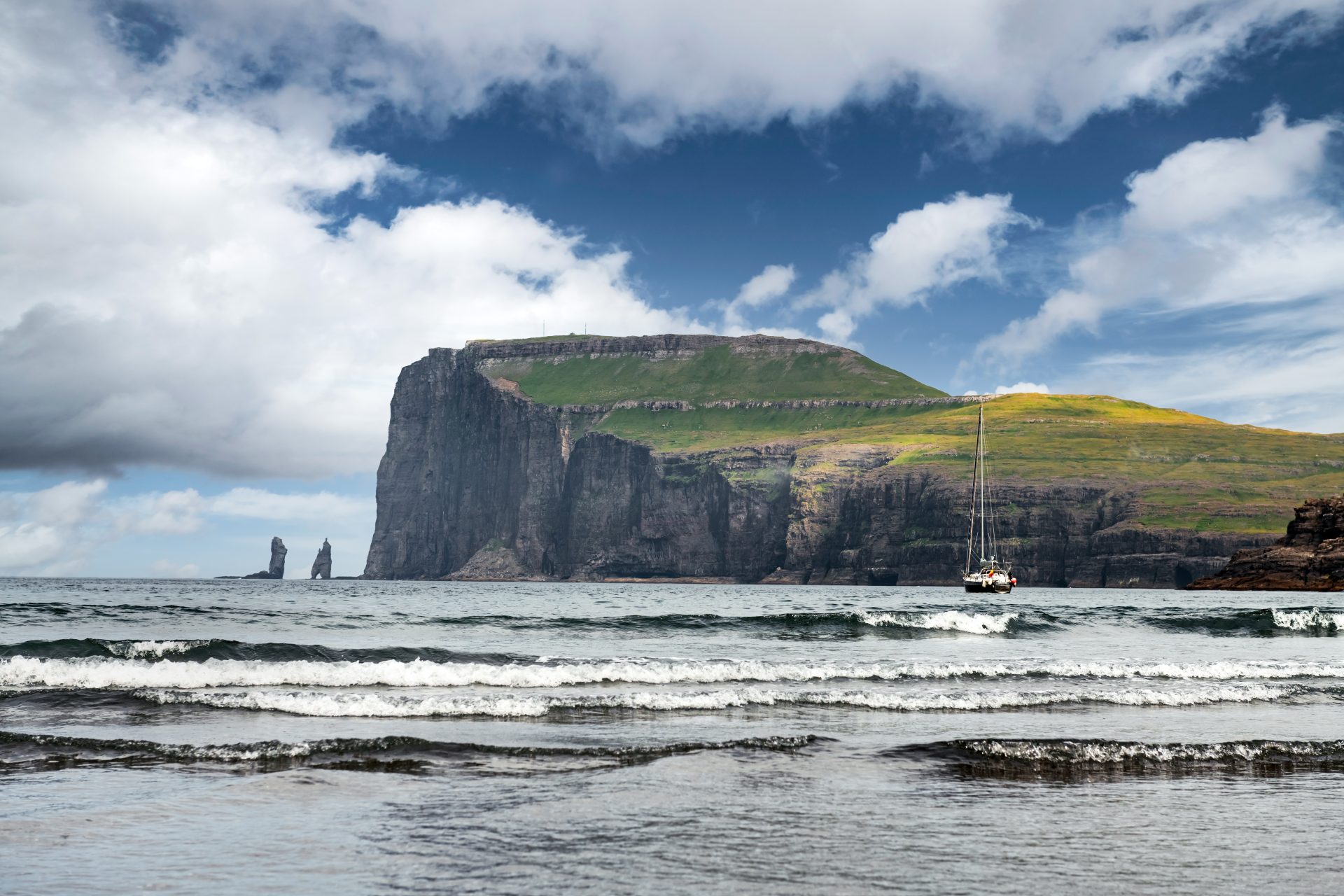
If you’re considering a self-drive tour, summer is the most forgiving season. Roads are clear, the weather is stable, and the entire network of tunnels and ferries runs smoothly.
Here’s why travelers find it ideal:
- No ice or snow: all routes, including the high mountain passes, are fully open.
- Minimal traffic: even at peak season, it’s quiet compared to mainland Europe.
- Predictable daylight: you can plan drives or walks without worrying about darkness.
- Most services open: cafés, museums, ferries, and visitor centers operate daily.
- Easier ferry bookings: schedules are frequent, and seas are calmer.
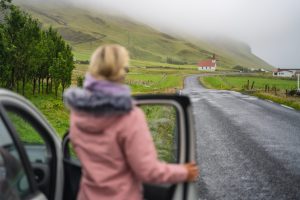
Driving in summer feels effortless. Locals wave as they pass, sheep graze on verges, and you can stop almost anywhere for a photograph without blocking a road.
Summer Light: The Long Faroese Day
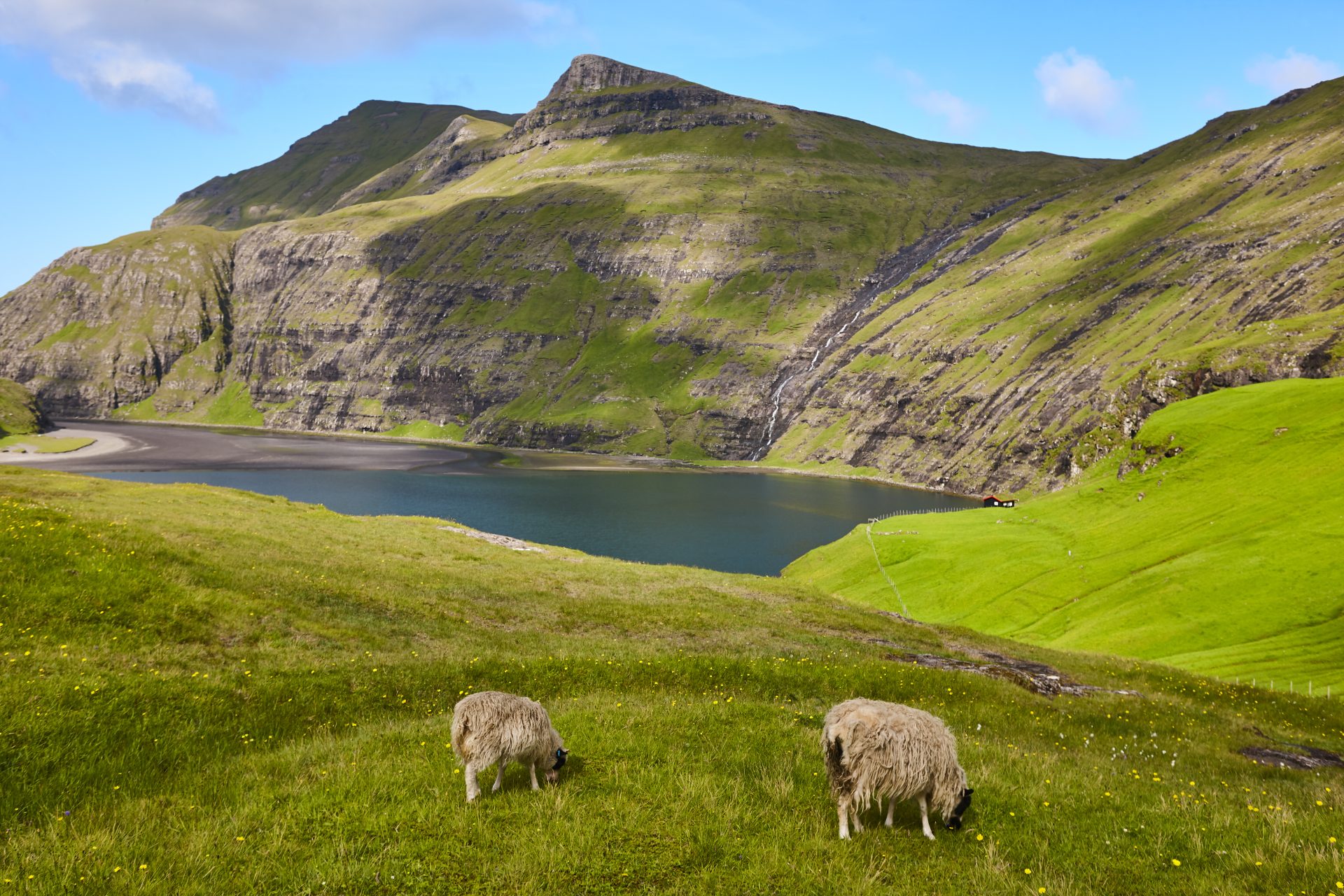
Summer light in the Faroe Islands is unlike anywhere else. The sun barely sets, and even midnight feels like evening.
For photographers, it’s a paradise:
- Golden hour lasts from 8 PM to 11 PM.
- Blue twilight lingers past midnight.
- Soft clouds act as natural diffusers.
For travelers, it means flexibility. You can leave your hotel late, explore slowly, and still have hours of daylight left. A late drive to Saksun or Gásadalur after dinner is peaceful, quiet, and often more beautiful than at midday.
How Summer Feels on the Road
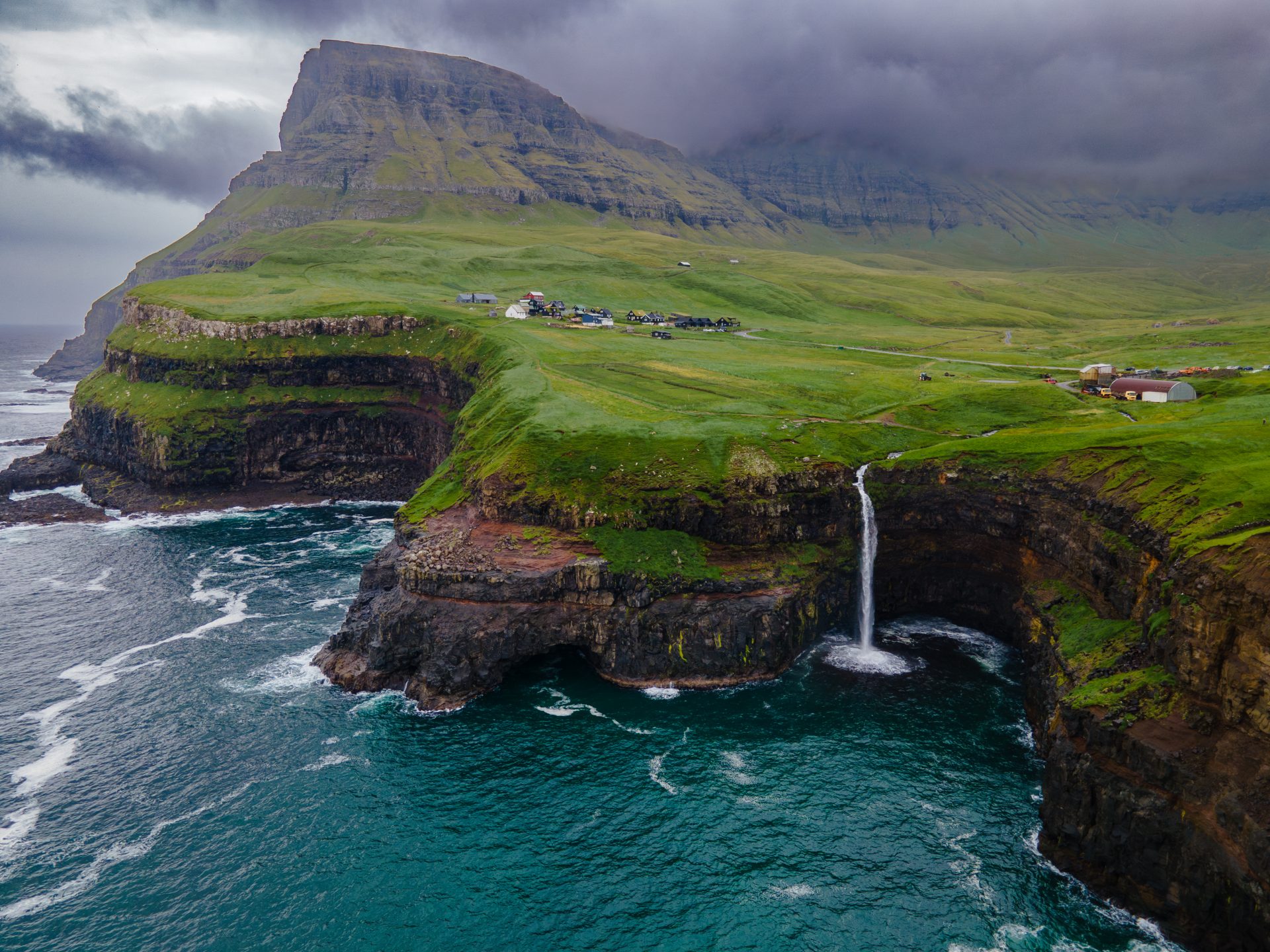
The roads in summer are dry and grippy, with clear signage and open visibility. Fog can still roll in from the ocean, but tends to lift quickly.
Driving tips for summer:
- Keep headlights on at all times (it’s the law).
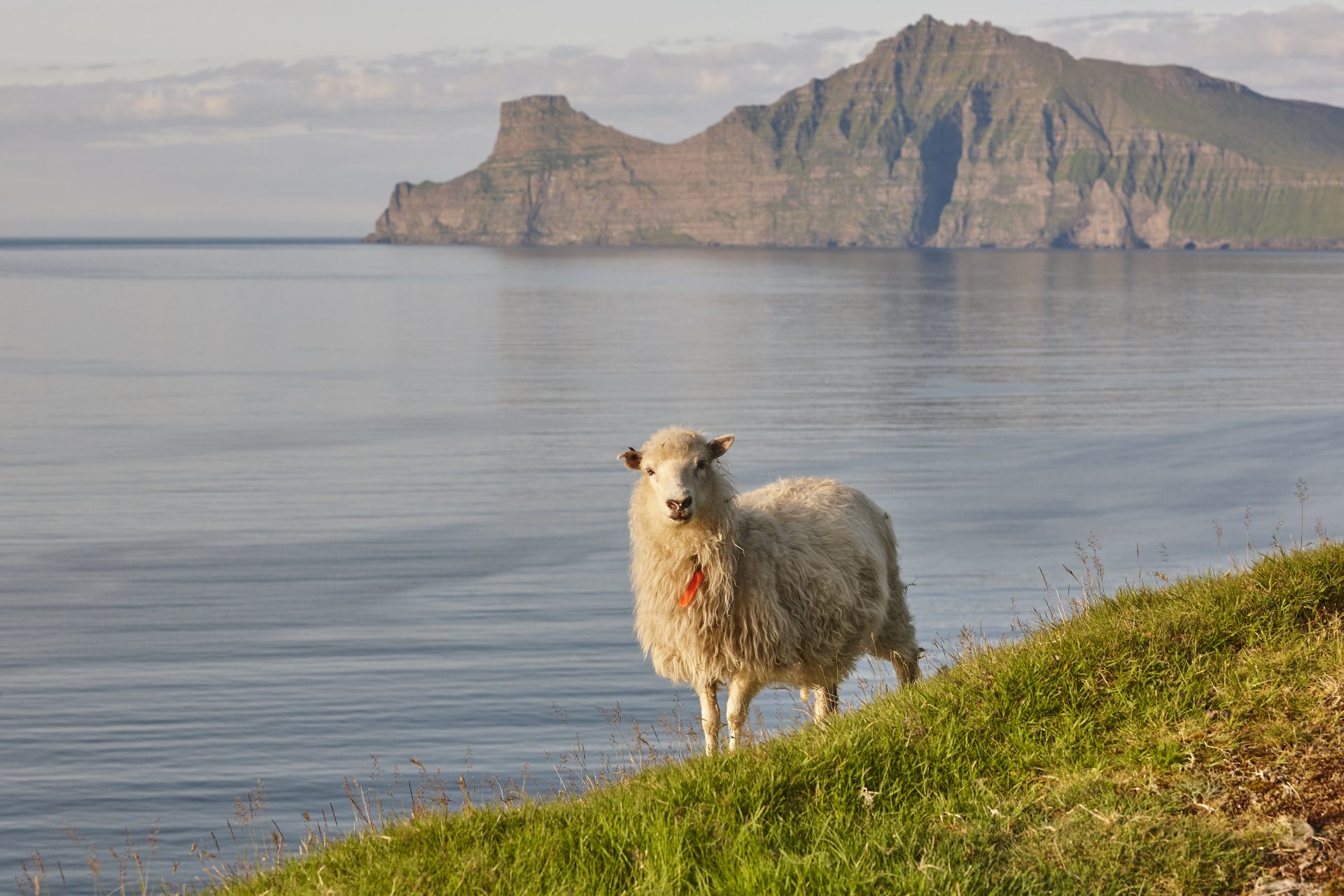
- Expect sheep in the road, especially near blind curves.
- Use passing bays on narrow sections (locals always wave thanks).
- Carry water and a light snack; remote cafés may close early.
Speeds rarely exceed 80 km/h, and that’s part of the charm. The Faroes aren’t for fast driving, they’re for steady, scenic movement.
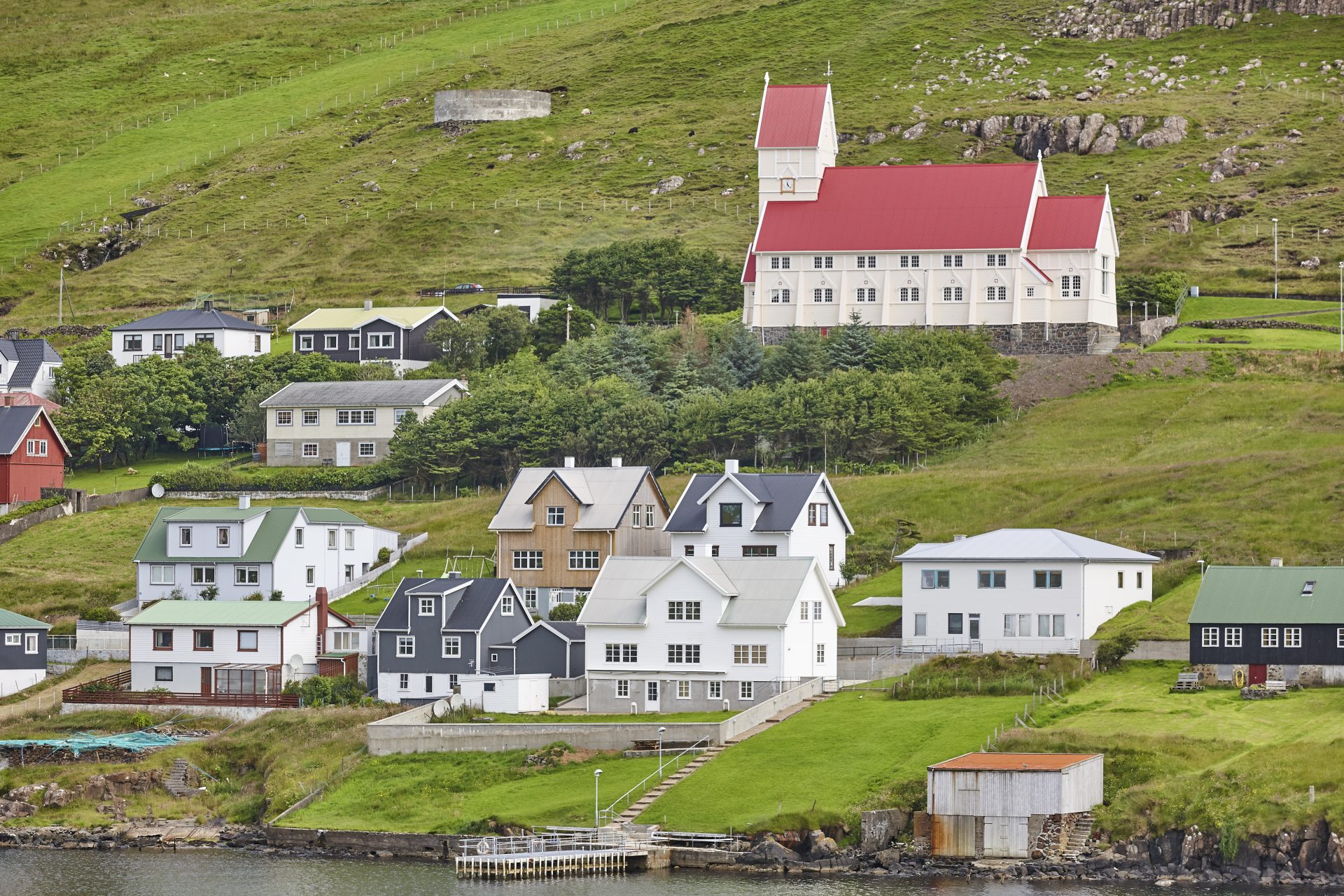
What to Pack for Summer Self-drive Trip in the Faroe Islands
Even in summer, the Faroes are part of the North Atlantic. Weather changes fast, and “four seasons in a day” isn’t just a saying.
Bring:
- Lightweight rain jacket (windproof > waterproof)
- Warm sweater or fleece
- Comfortable shoes for walking on damp grass
- Hat and gloves (yes, even in July)
- Sunglasses for glare on long daylight drives
Locals dress in layers year-round, so should you.
Pro tip: Avoid umbrellas, as wind makes them useless. A hood and a smile go further.
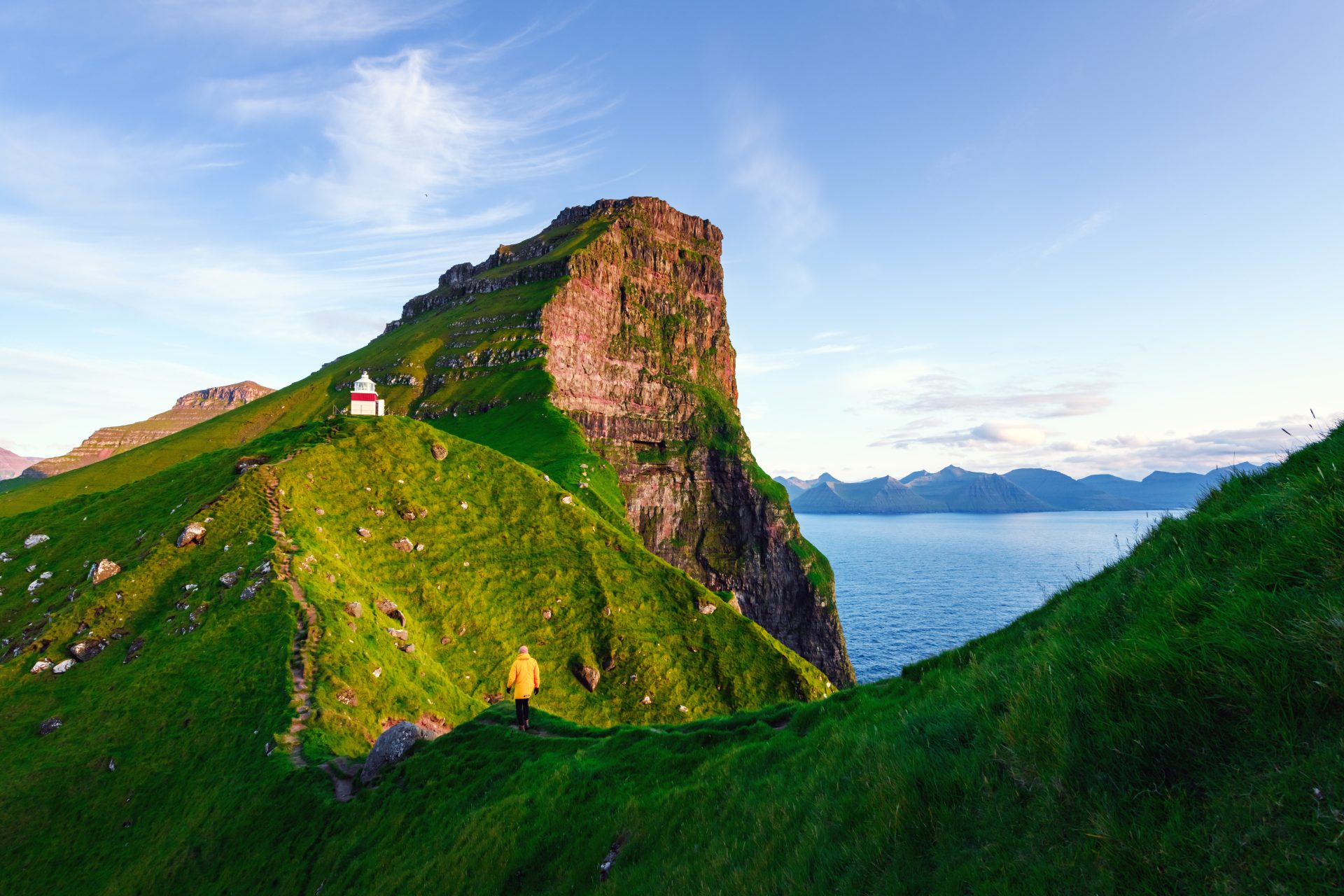
Gentle Days: How to Structure Your Faroe Islands Itinerary
Travelers enjoy the Faroes most when each day includes just one primary drive and a quiet stop.
Here’s a comfortable rhythm that matches the summer pace:
Time Suggested Plan:
08:00–09:30 Breakfast and slow start
10:00–13:00 Scenic drive (e.g. Eiði to Gjógv)
13:00–15:00 Lunch or coffee stop
15:30–17:00 Light walk or museum visit
18:00–21:00 Dinner and evening viewpoint
21:00–23:00 Optional short drive in golden light
This flexible schedule keeps travel stress-free while still allowing space for the spontaneous, such as a rainbow over the fjord or a chat with a local fisherman.
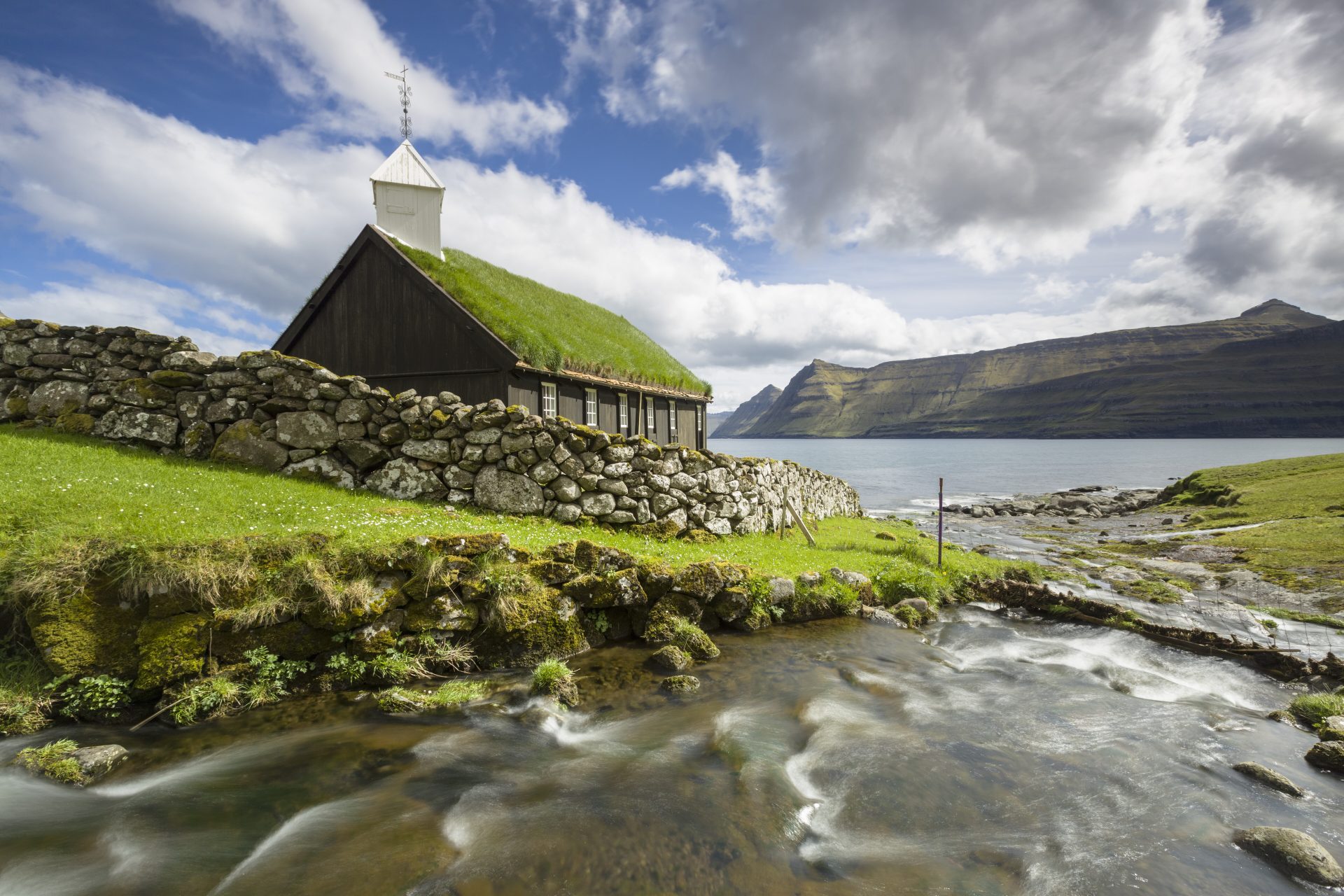
Summer Highlights by Car
Here are the routes and sights that shine brightest in summer light, and don’t require strenuous walking:
Vágar Island (Airport Island)
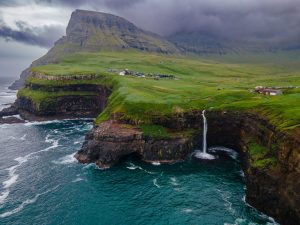
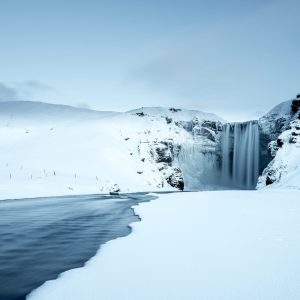
- Gásadalur waterfall: 5-minute walk from parking, the best light in late evening.
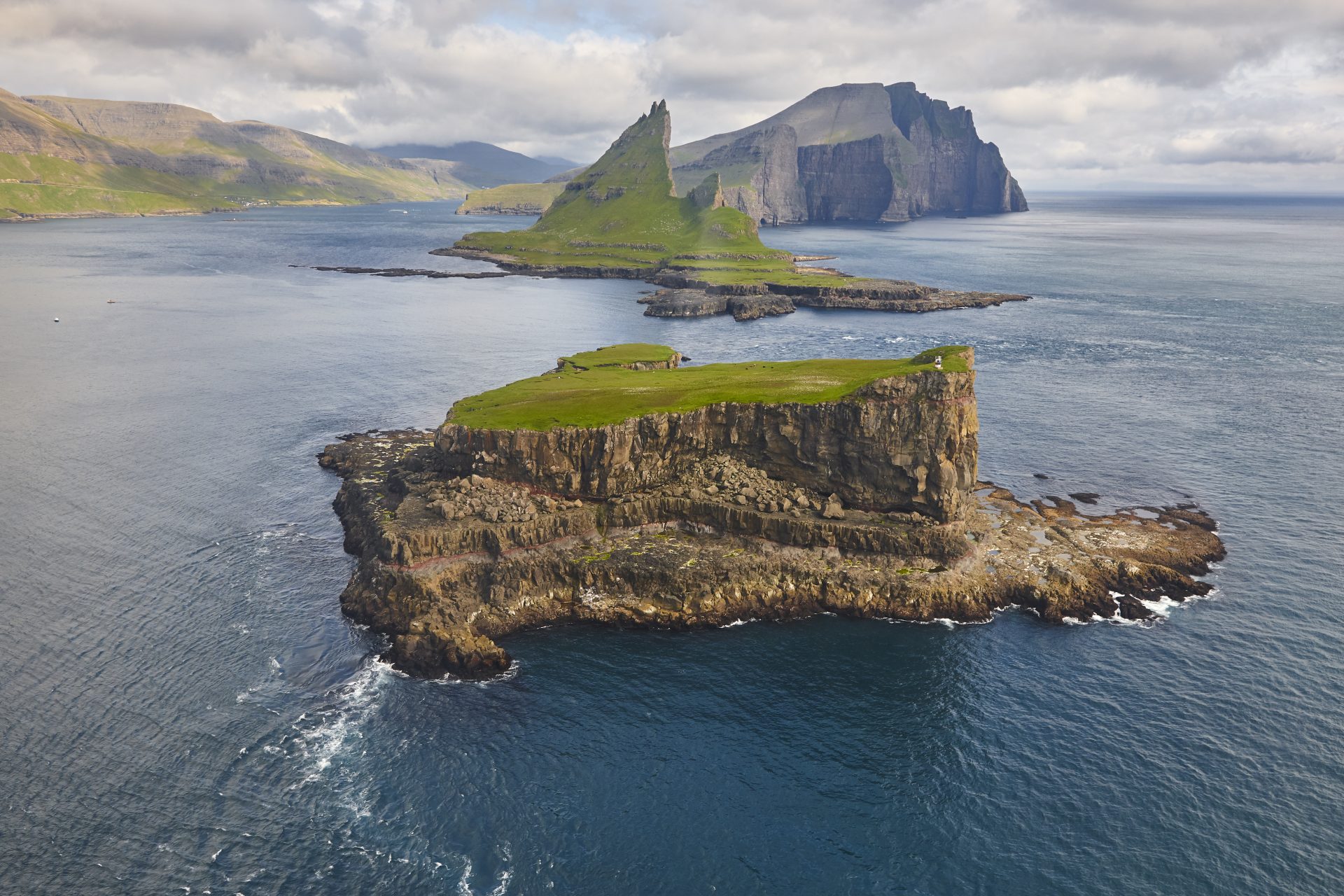
- Bøur village: easy pull-outs with views of Tindhólmur sea stack.
- Sørvágsvatn lake viewpoint: short 15-minute flat path.
Eysturoy & Streymoy (Central Islands)
- Eiði & Risin og Kellingin sea stacks: roadside viewpoint, no hike.
- Gjógv gorge: gentle paved path, benches available.
- Saksun lagoon: best at low tide, check the tide table before driving.
Northern Isles
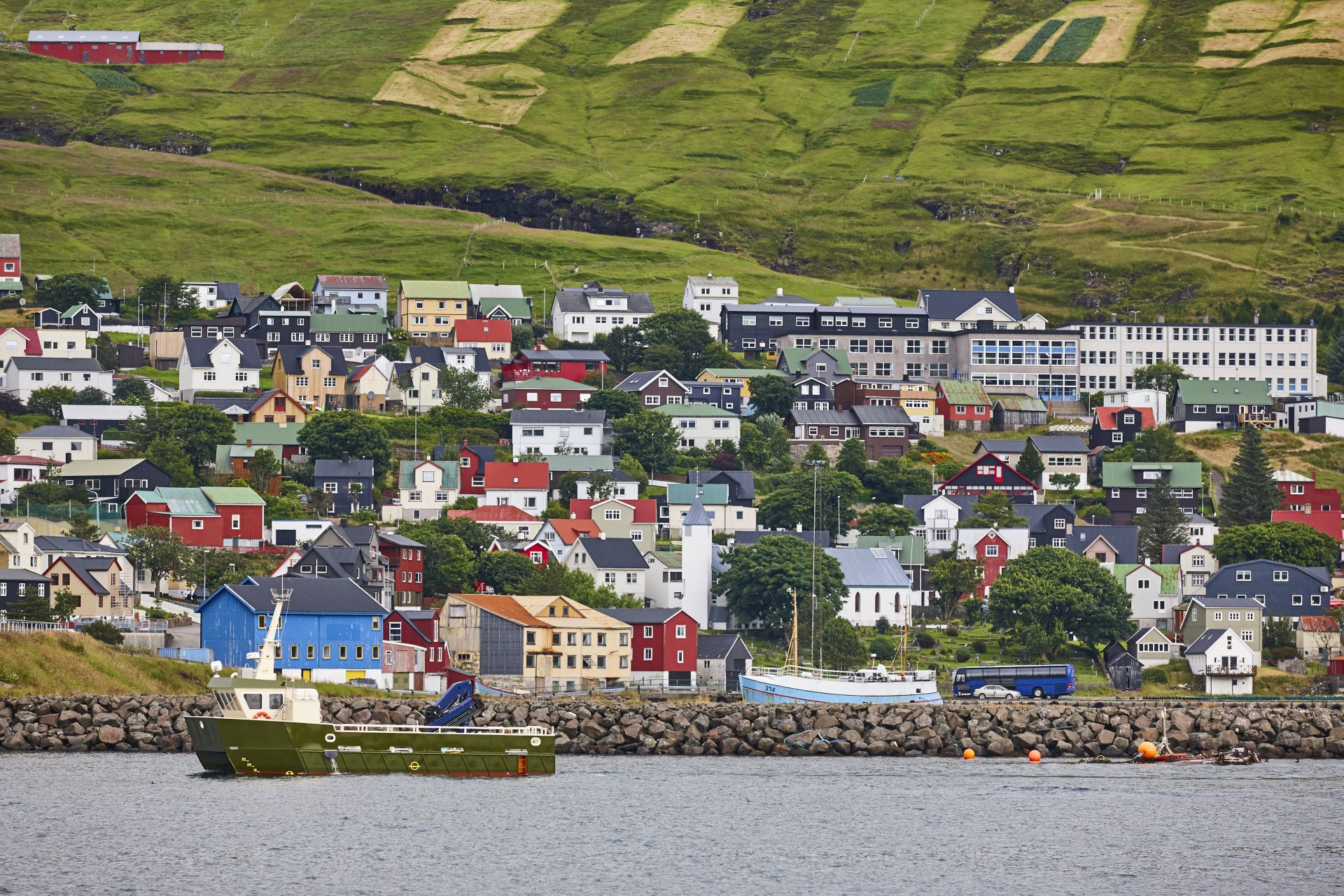
- Klaksvík harbor: flat promenade and coffee shops.
- Kalsoy ferry drive: easy scenic roads, park at Mikladalur for the Kópakonan statue.
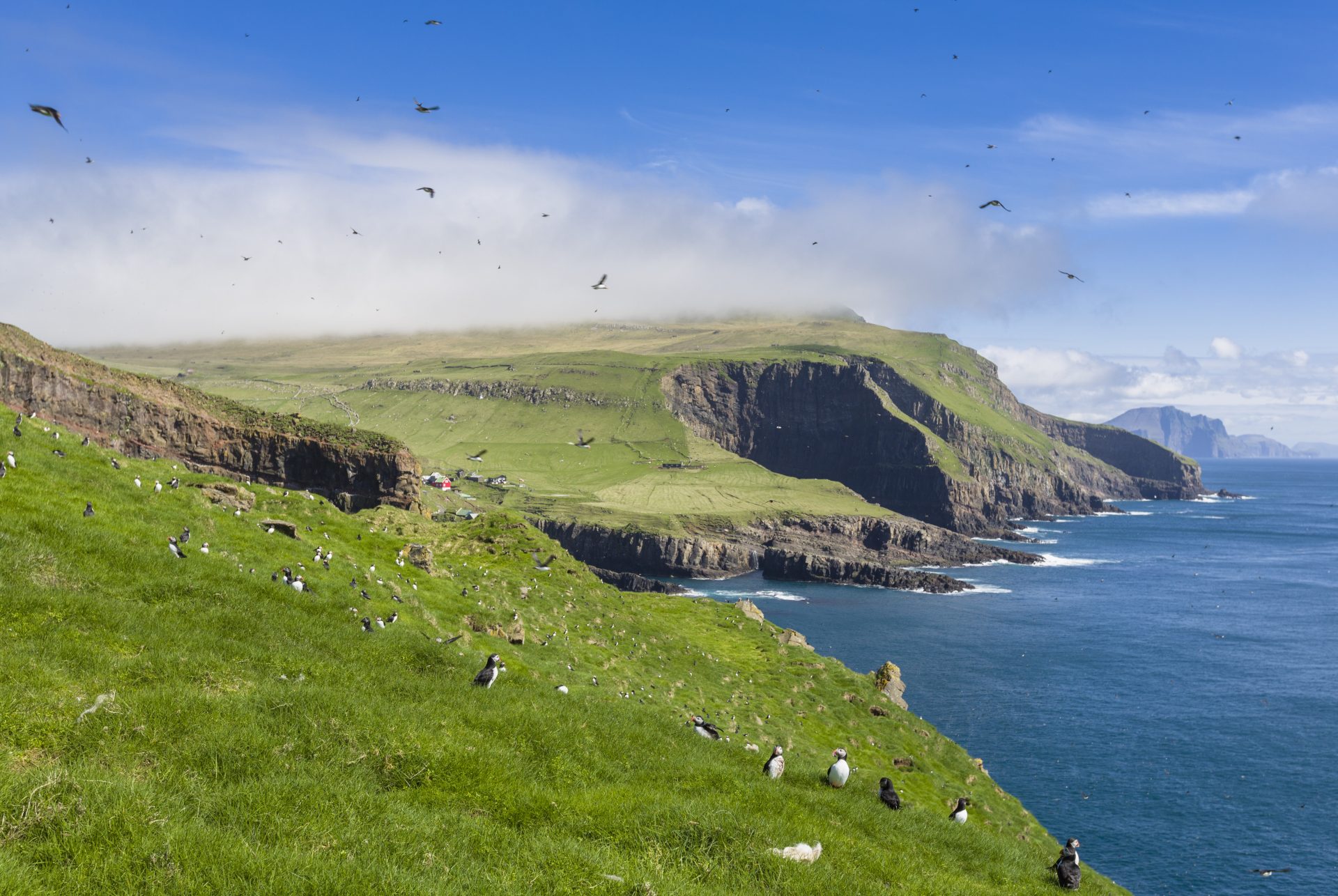
Wildlife and Seasonal Colors
Summer transforms the Faroes, not through heat, but through abundance.
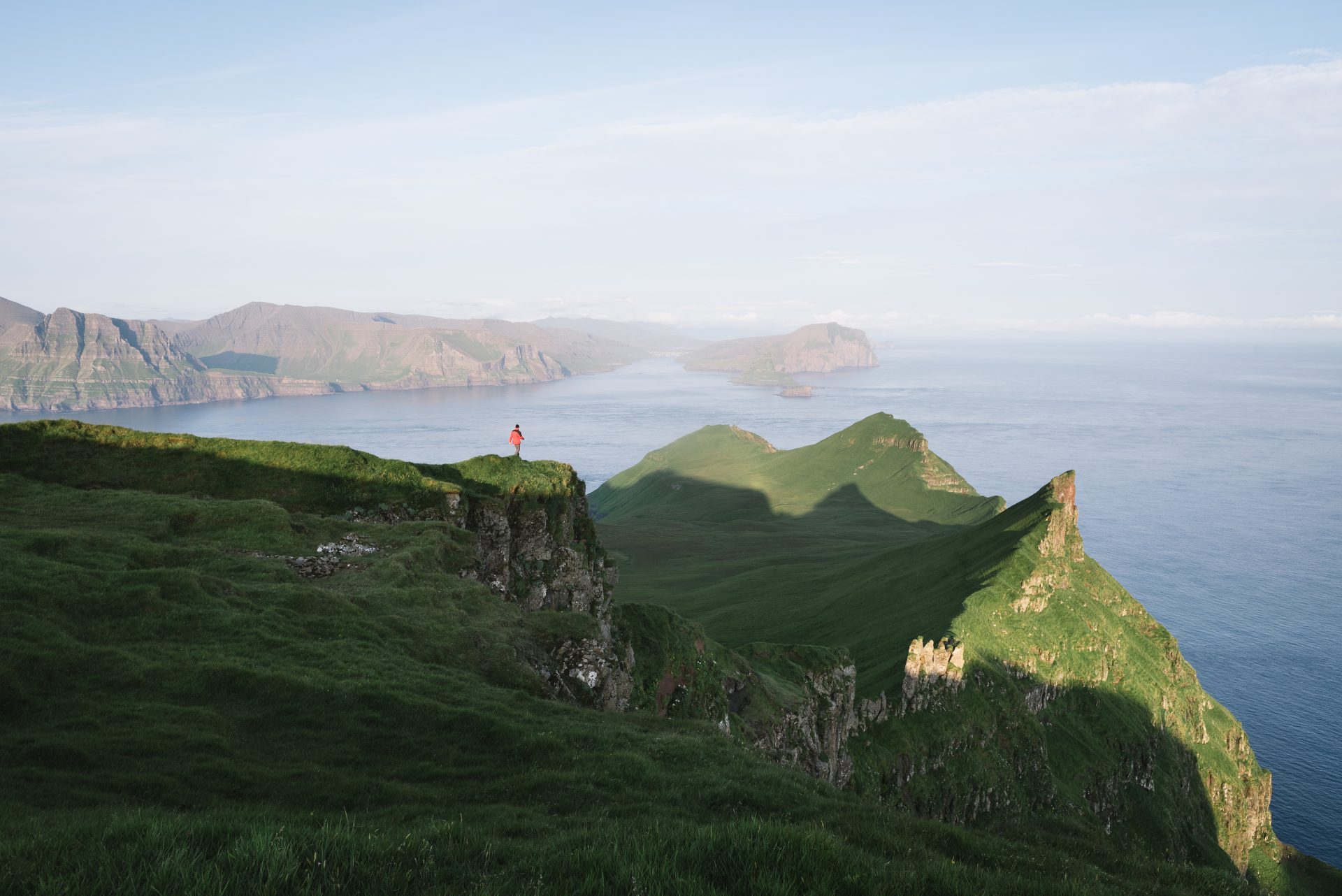
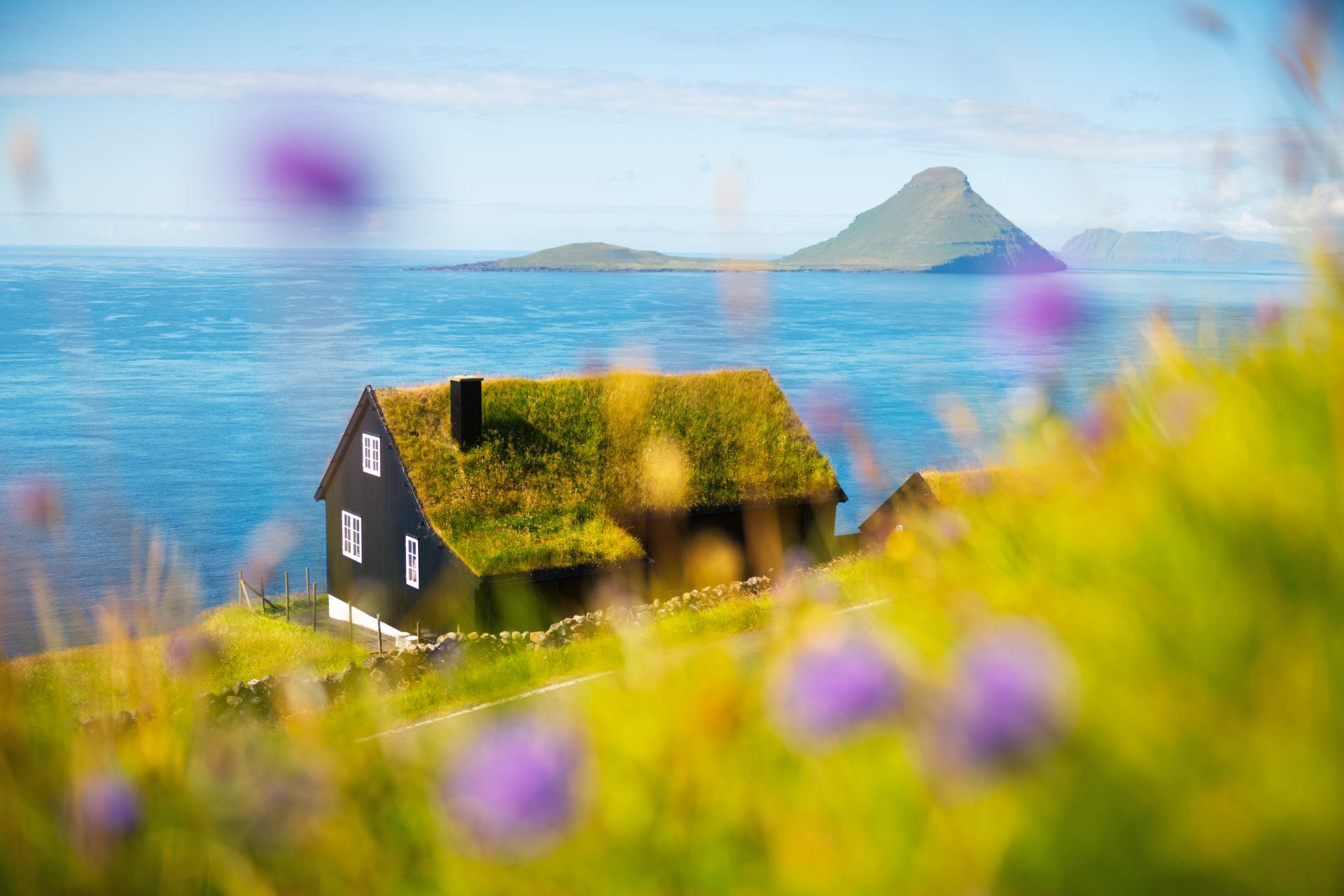
The hills turn a deep green, wildflowers bloom along the roads, and seabirds nest in impossible cliffs.
- Puffins: May to mid-August, especially Mykines and Sørvágur.
- Fulmars & kittiwakes: visible from most coastal roads.
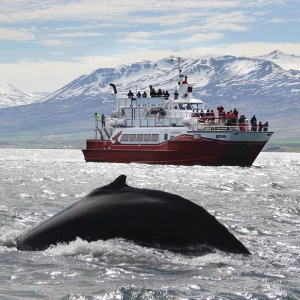
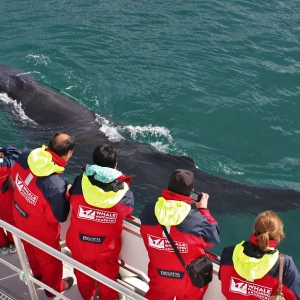
- Whales & dolphins: occasionally spotted from ferry decks or harbors.
Always bring binoculars and watch from marked areas. Disturbing nesting birds (especially on Mykines) is strictly prohibited.
Where to Eat and Rest
Cafés and restaurants in summer are cozy, unhurried, and scenic.
Expect short menus built around fresh fish, lamb, and home baking.
Recommended stops:
- Paname Café (Tórshavn): harbor view, excellent soup, and cakes.
- Gjáargarður Guesthouse (Gjógv): local lunch specials.
- Fríða Café (Klaksvík): modern atmosphere, all-day menu.
Restrooms are available in most cafés, fuel stations, and visitor centers.
Events & Cultural Moments
Summer is also when the Faroes come alive with gentle celebration:
- Ólavsøka Festival (Tórshavn, late July): national holiday with rowing races and folk music.
- G! Festival (Gøta, mid-July): intimate seaside music festival, mostly seated and laid-back.
- Local village fairs: often unadvertised, but you’ll spot flags and smell waffles.
Even if you don’t attend, you’ll feel the cheerful energy in every harbor.
Rainy Days in Summer
Rain is part of the experience: soft, often brief, and strangely peaceful.
When the weather turns wet, swap outdoor plans for indoor culture:
- Visit the National Museum or Nordic House in Tórshavn.
- Drive the Eysturoyartunnilin roundabout, it’s dry and fascinating.
- Enjoy slow lunches with sea views, which locals call “rain therapy.”
A drizzle adds a moody charm to photos, and waterfalls double in size after rain.
Staying Flexible With Weather
The secret to enjoying summer in the Faroes is flexibility. Plan one or two main sights daily and let the weather choose the order.
Fog over Eiði? Visit a fjord village instead. Rain in Tórshavn? Head to the art museum or drive to the Vágatunnilin. By evening, chances are the sky will have changed again.
Local weather apps: Yr.no and Vedur.fo (check hourly forecasts before heading out).
Safety and Etiquette in Summer
Even in good weather, respect the islands’ rhythm and safety habits:
- Keep headlights on 24/7.
- Pull aside in narrow lanes for faster cars.
- Don’t park on grass or block driveways.
- Watch for sheep; they move unpredictably.
- Never walk behind fences marked “Private.”
Faroese roads depend on cooperation, not enforcement. Patience and courtesy are part of the culture.
Frequently Asked Questions
Is summer crowded?
Not really. Even in July, “busy” means a few cars at a viewpoint.
Do I need to pre-book hotels?
Yes, especially in July and August, guesthouses are limited.
Can I swim or kayak?
Yes, but expect cold water (10°C). Wetsuits recommended.
Are mosquitoes or midges a problem?
None, sea winds keep them away.
Does it get dark at night?
Barely. A soft twilight remains even at midnight. Bring a sleep mask if sensitive to light.
Summer in the Faroe Islands is a season of light, calm, and open roads. This is the easiest time to explore by car, with mild weather, long days, and every service at your fingertips. It offers the best of both worlds: adventure without stress and beauty without hurry.
Drive slowly, stop often, and let the islands show themselves in their own gentle way.