Summer Trip to Iceland: Explore the Land of Fire and Ice at Your Own Pace

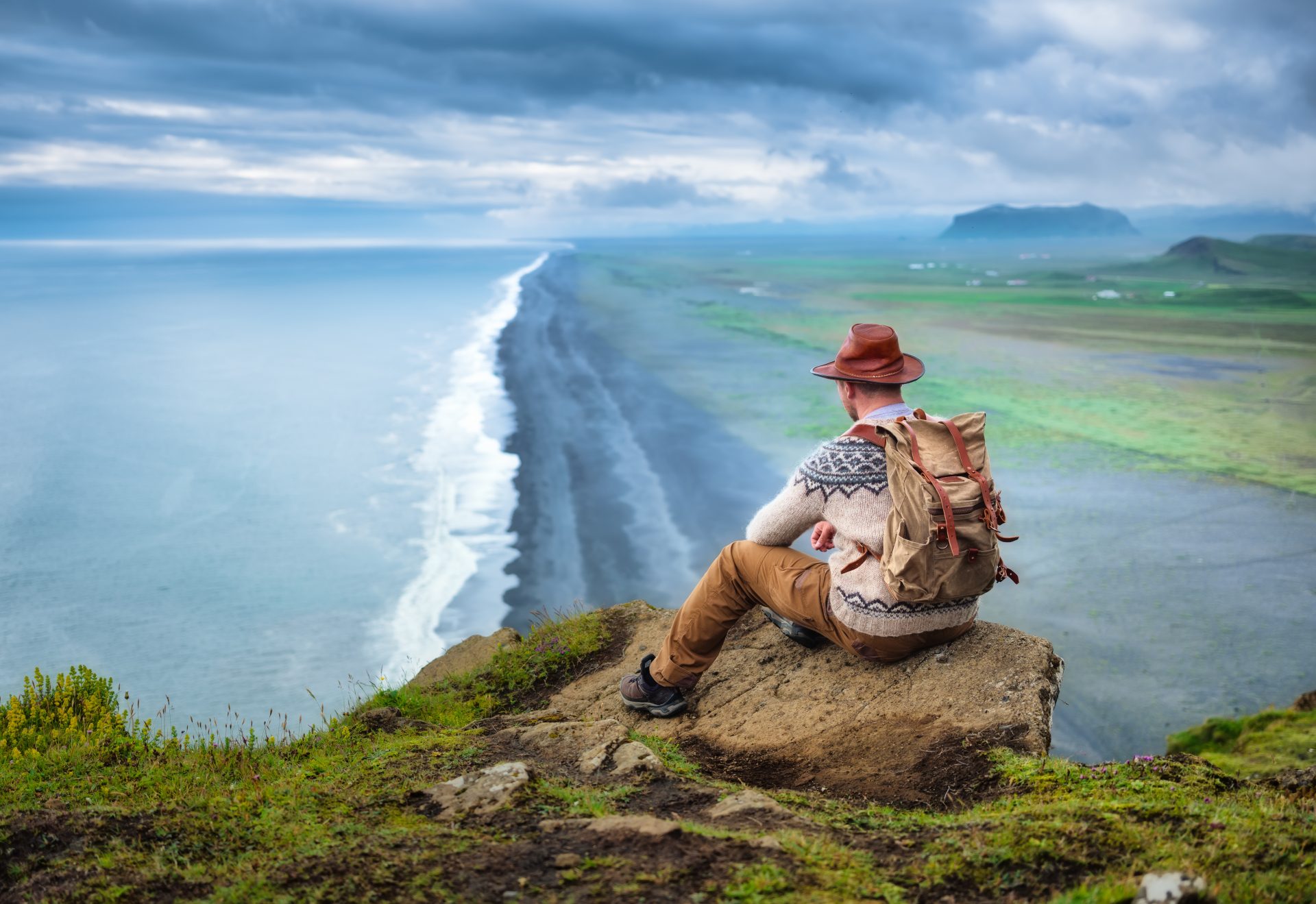
A summer trip to Iceland is one of the most rewarding ways to experience this extraordinary island. With near-constant daylight, mild weather, and open roads, summer is the perfect season to explore Iceland by car.
You can follow the Ring Road, stop for coffee in coastal villages, walk behind waterfalls, and end the day in a cozy countryside guesthouse. Whether it is your first visit or a long-awaited return, driving in Iceland during summer lets you travel freely, safely, and at your own rhythm.
Why Visit Iceland in the Summer?
From a local’s perspective, summer is when Iceland feels most alive. The land turns green, the people slow down, and the days stretch endlessly. Here’s why this is the best season for self-drive travelers:
- Endless daylight: Up to 21 hours of sunshine in June gives you time to explore without a rush.
- Mild temperatures: Comfortable weather makes sightseeing easy for all ages.
- Open roads: Even remote passes and mountain routes become accessible.
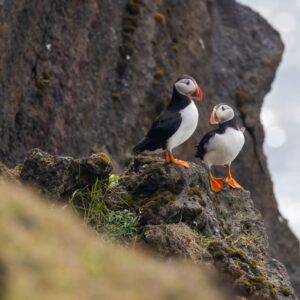
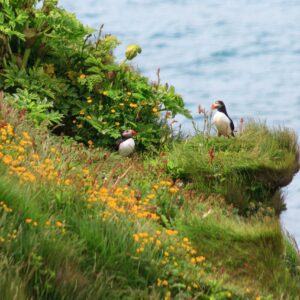
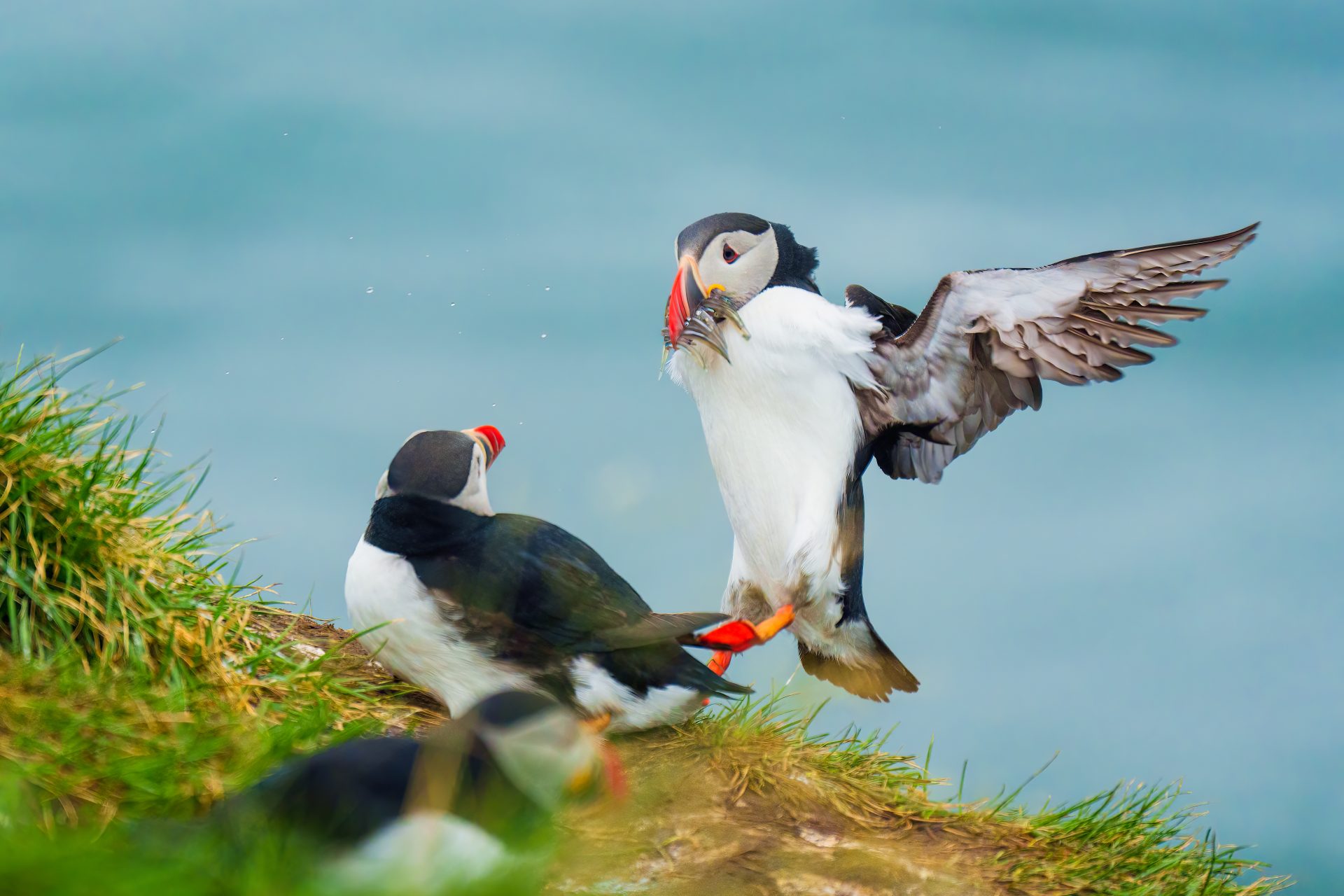
- Wildlife: Puffins nest on cliffs, and whales appear along northern bays.
- Local festivals: Towns celebrate with food, music, and midsummer gatherings.
- Lush scenery: The landscape turns green, with wildflowers and lupine blooming.
Locals call it “the season of long light.” It is when we find time to drive, hike, and simply enjoy our own backyard.
Average Summer Conditions in Iceland
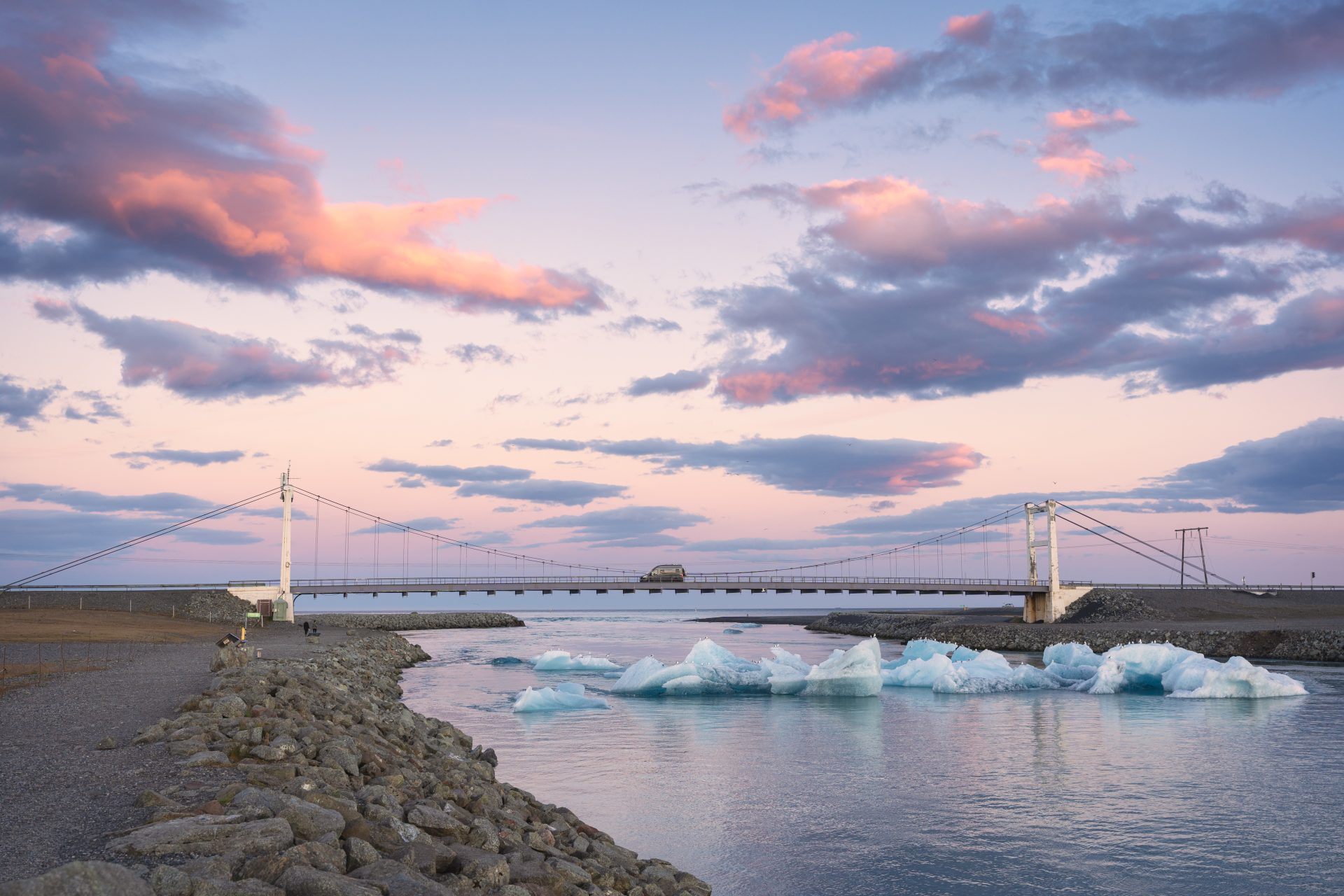
Summer brings stable weather and the longest daylight hours of the year. Cool air and clear skies make it perfect for self-driving.
Typical Conditions (June to August):
- Average High: 13–15°C (55–59°F)
- Average Low: 7–9°C (45–48°F)
- Rain Days: 10–14 per month (mostly light rain or drizzle)
- Daylight Hours: 21 hours in June, 18 in July, 15 in August
- Average Wind Speed: 12–18 km/h (7–11 mph), breezier along the coast
Local Tip: The weather may look mixed on the forecast, but sunshine often appears between passing clouds. Layers and a light raincoat are all you need.
Why Choose a Self-Drive Holiday in Iceland
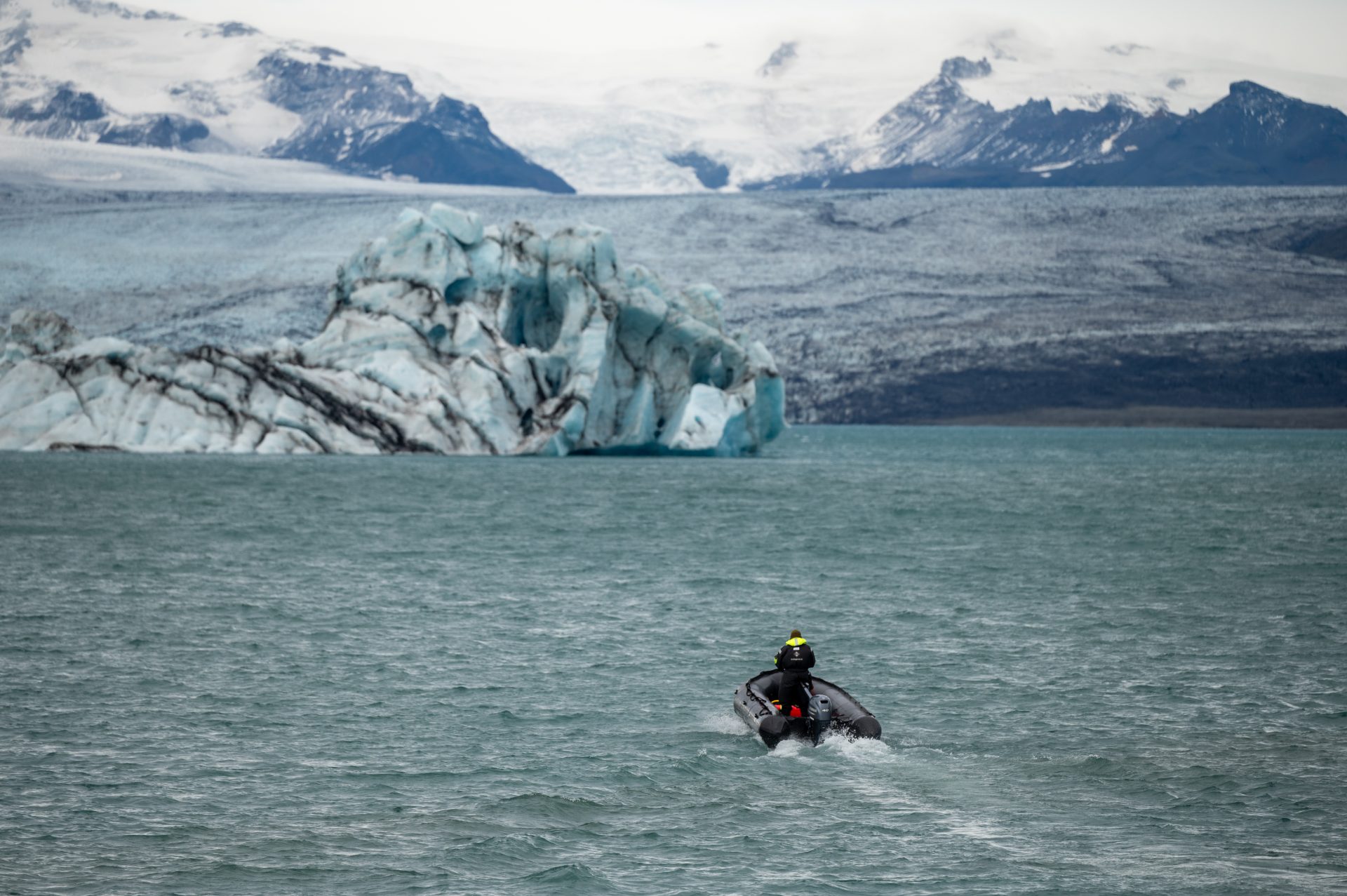
A self-drive trip lets you set your own pace and follow your expectations. You can linger at a viewpoint, explore a quiet village, or stop for a photo whenever the light feels right.
Our local team creates tailor-made self-drive tours for travelers who want comfort, independence, and authentic experiences. We plan scenic routes with realistic daily distances, book cozy local stays, and recommend lesser-known stops that bring you closer to Iceland’s proper rhythm.
Driving Conditions and Practical Advice
The Ring Road (Route 1) circles Iceland in about 1,300 km. It is paved and clearly marked and connects most towns and natural attractions. Traffic is light outside Reykjavík, and driving feels relaxed.
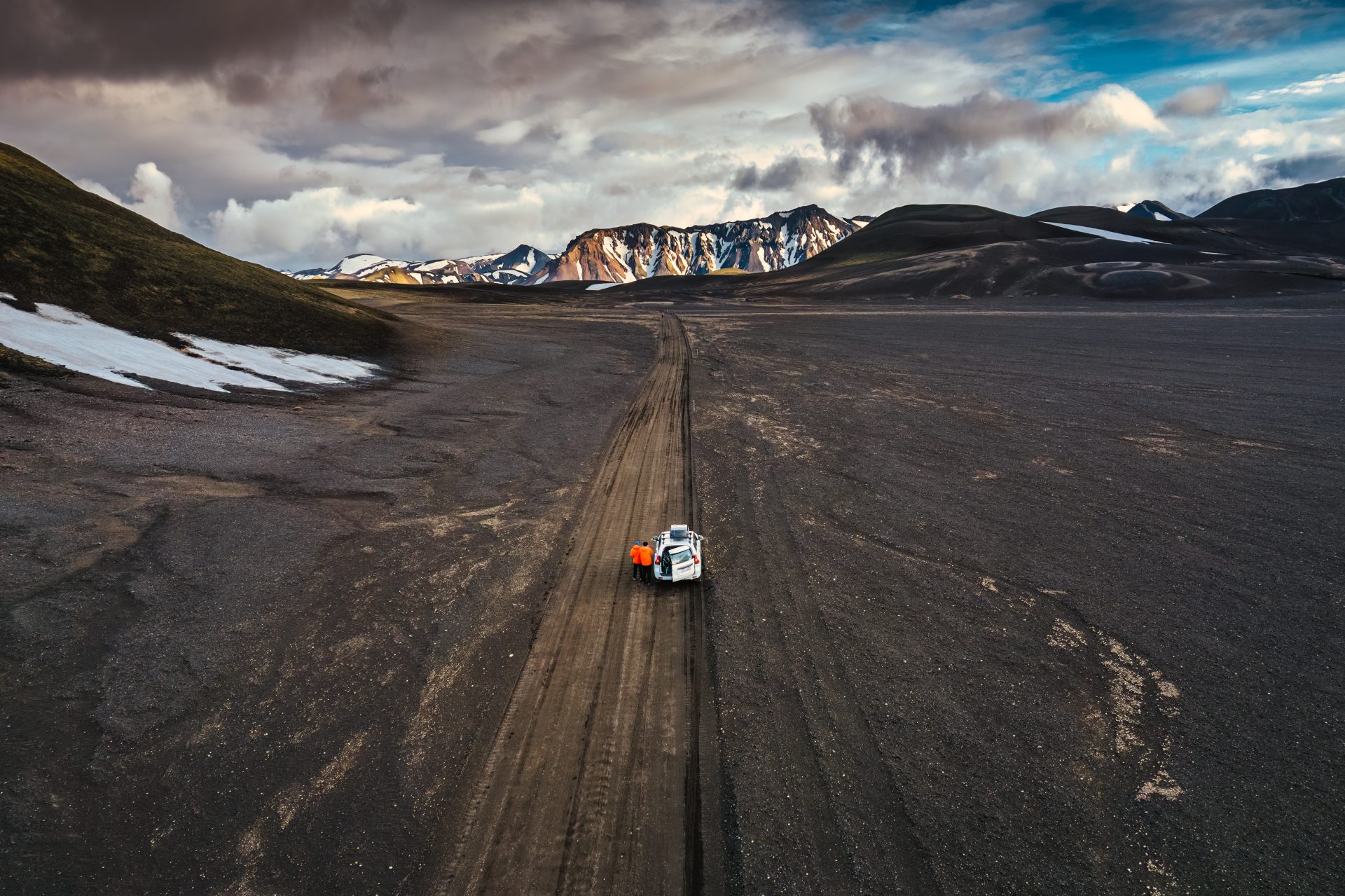
Sheep wander near the road, and the weather can shift quickly, but if you drive carefully, conditions are straightforward. F-roads in the Highlands require a 4×4 and are only open in summer.
Fuel stations are widespread, though scarcer in the east and north, so fill up regularly. Always check road.is and vedur.is before driving.
Local Tip: Distances may seem short, but Iceland invites you to slow down. A 200 km day can easily fill with scenic stops.
Top Regions and Routes for a Summer Self-Drive Experience
South Coast
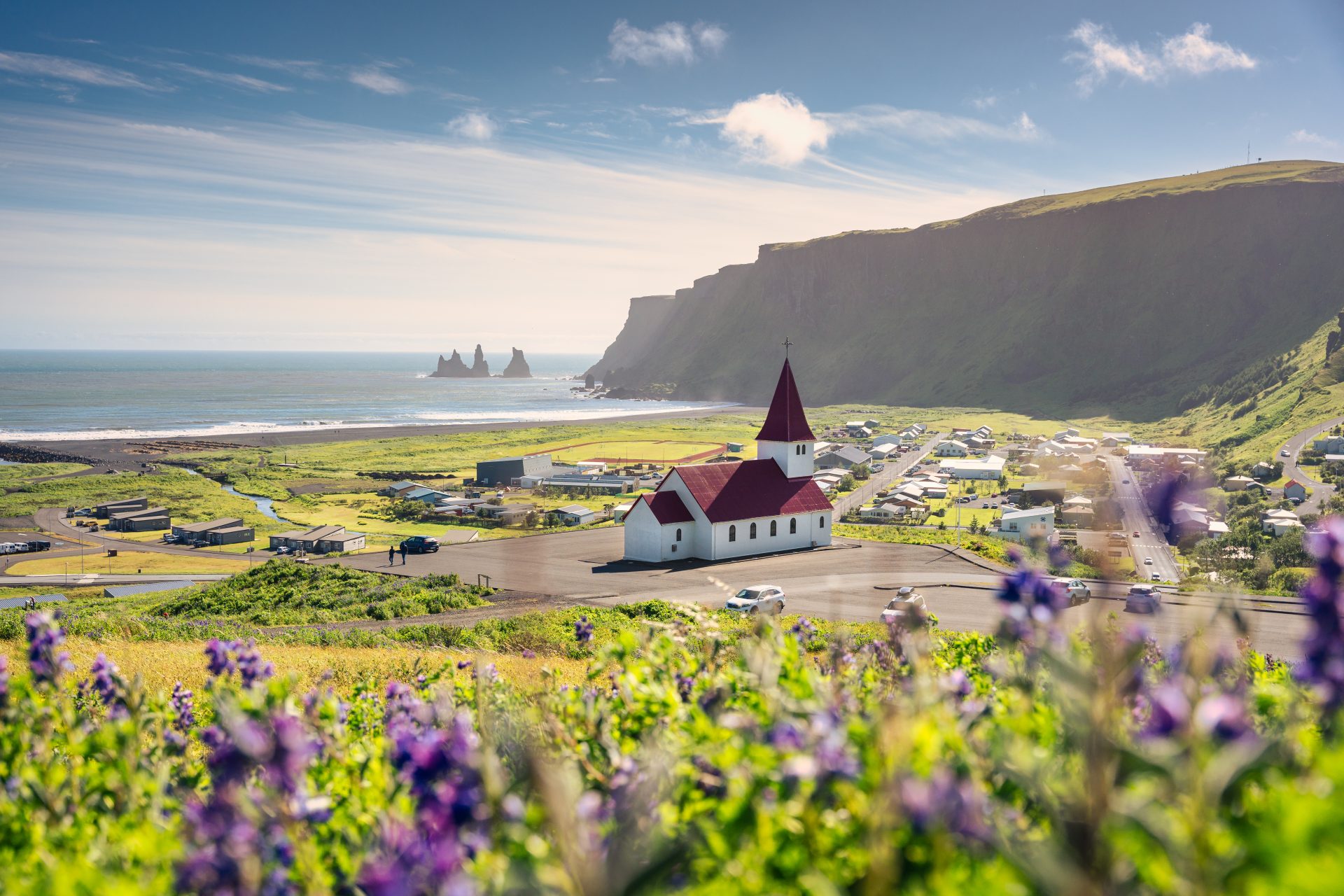
The South Coast is Iceland’s most famous road trip and a stunning introduction to the island’s diversity. When you leave Reykjavík, you’ll drive through vast plains framed by glaciers and volcanoes. Waterfalls spill from cliffs, black beaches stretch for miles, and every stop feels cinematic.
Highlights:
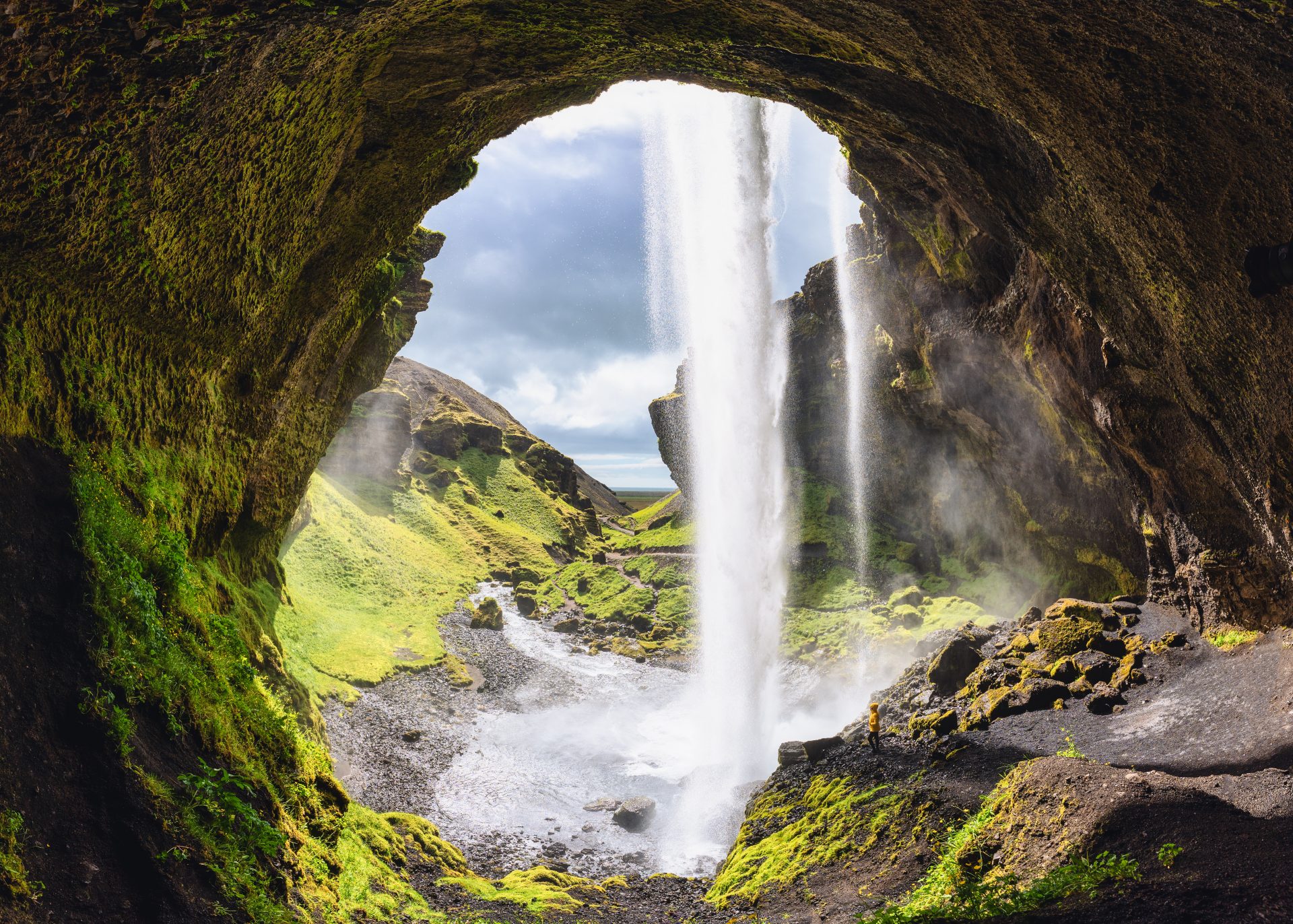
- Seljalandsfoss waterfall, where you can walk behind the cascade.
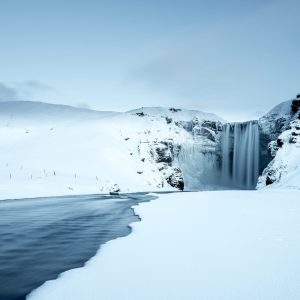
- Skógafoss, often crowned by a rainbow.
- Reynisfjara Beach and the basalt columns of Reynisdrangar.
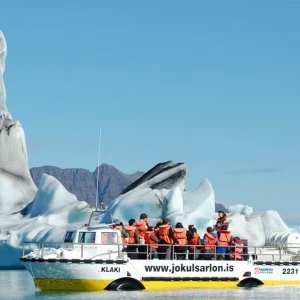
- Jökulsárlón Glacier Lagoon and nearby Diamond Beach, where ice glitters on black sand.
Where to Stop:
- Hotel Skogafoss Bistro & Bar for hearty soups.
- Hali Country Hotel Restaurant near Jökulsárlón for Arctic char and farm stories.
- Fjöruborðið Restaurant in Stokkseyri for butter-grilled langoustine.
Local Tip: Spend two nights along the coast to explore at leisure. A short hike near Skaftafell reveals views of glaciers and wildflowers, and the evening light over the lagoon is unforgettable.
Golden Circle
The Golden Circle, close to Reykjavík and ideal for a relaxed first day, combines Iceland’s most famous natural landmarks with cozy countryside stops.
Highlights:
- Thingvellir National Park, where you can walk between tectonic plates.
- The erupting Strokkur Geysir.
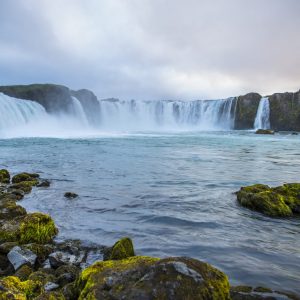
- The roaring Gullfoss Waterfall is one of Iceland’s most photographed sites.
Where to Stop:
- Friðheimar Tomato Farm for soup served inside a greenhouse.
- Efstidalur Farm for homemade ice cream and a view of grazing cows.
- Laugarvatn Fontana Café for geothermal rye bread.
Local Tip:Drive early and enjoy the sites before mid-morning. Take the scenic route through Flúðir to visit the peaceful Secret Lagoon, one of Iceland’s oldest hot springs.
Eastfjords
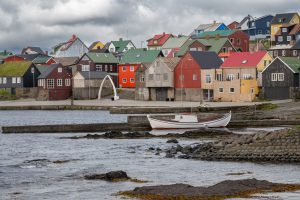
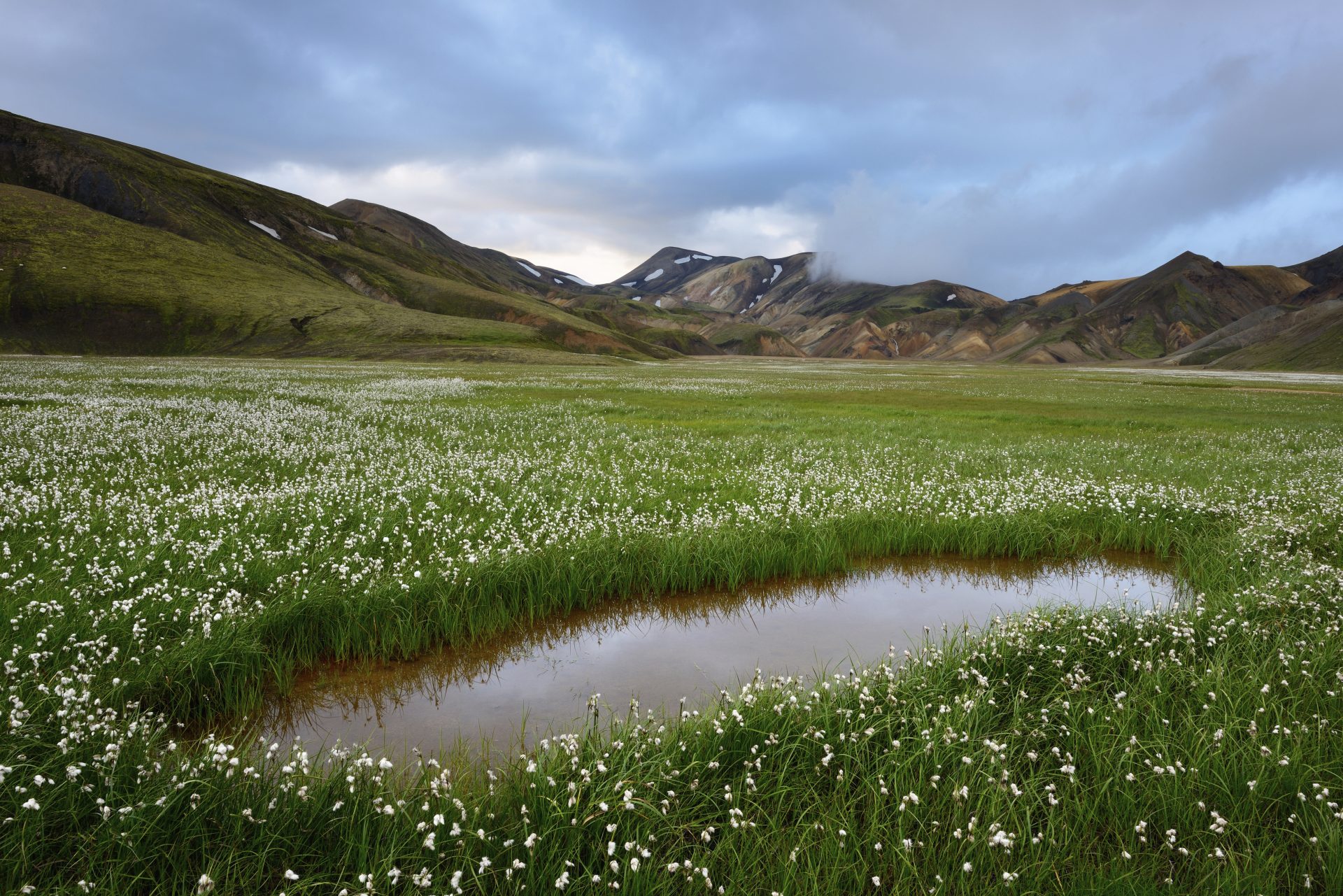
The Eastfjords are where Iceland slows down. Narrow roads wind along the coast, passing steep mountains, colorful harbors, and grazing reindeer. This region of quiet beauty is perfect for travelers who like calm and connection.
Highlights:
- The artsy harbor village of Seyðisfjörður, with its blue church and creative energy.
- Djúpivogur is a slow-paced fishing town known for sculpture and birdlife.
- The dramatic Almannaskarð Pass offers views of fjords and cliffs.
Where to Stop:
- Kaffi Lára El Grillo Bar in Seyðisfjörður for live music and local craft beer.
- Randulff’s Sea House in Eskifjörður is a preserved 19th-century herring salting station turned restaurant.
Local Tip: Stay at least two nights here. The pace of life slows beautifully, and the early morning mist over the fjords feels almost otherworldly.
North Iceland
The north combines geothermal wonders with culture and wildlife. Roads stretch across broad valleys toward tiny fishing towns and natural hot springs hidden in the hills.
Highlights:
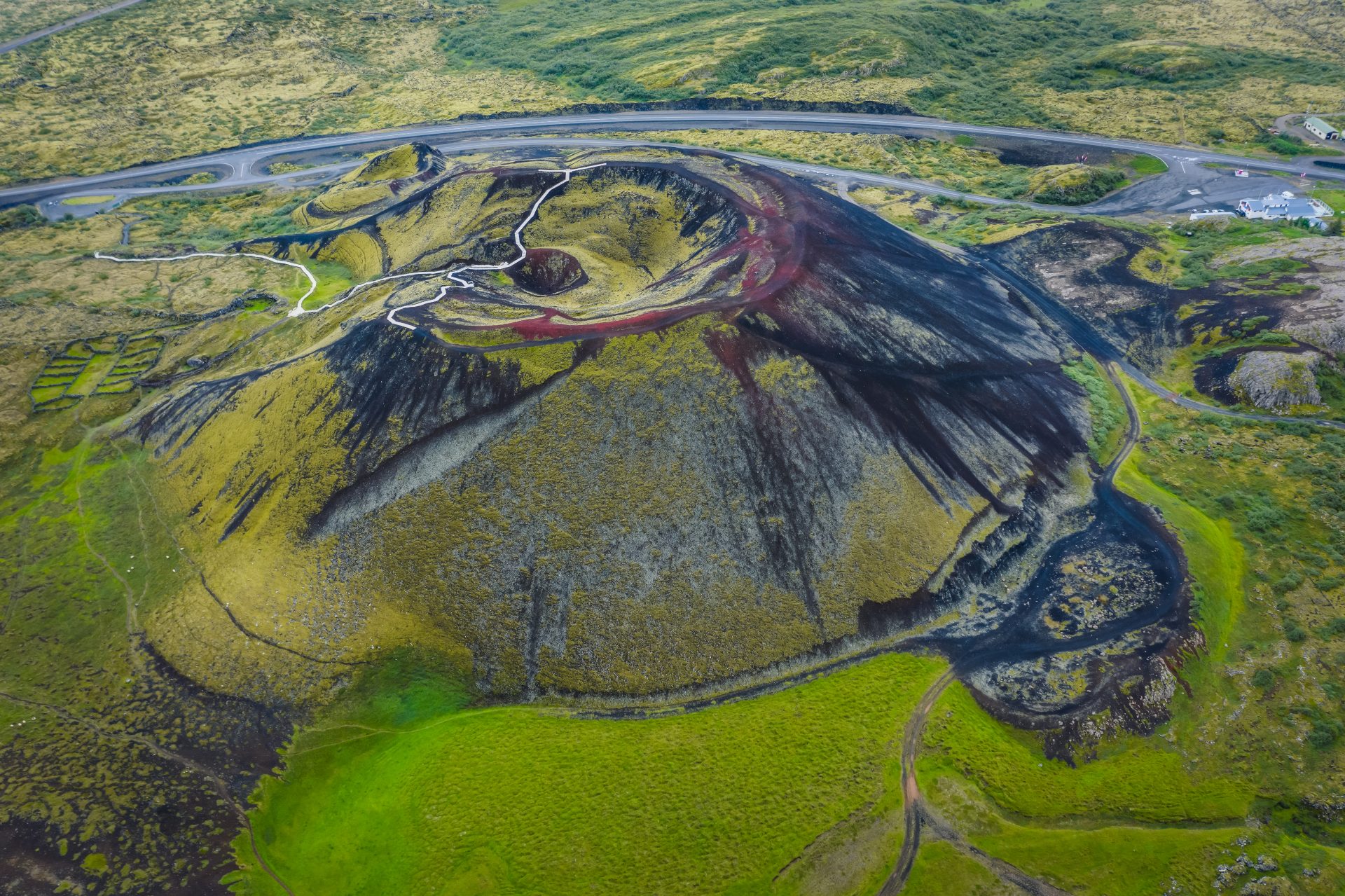
- Lake Mývatn has lava fields, craters, and bubbling mud pools.
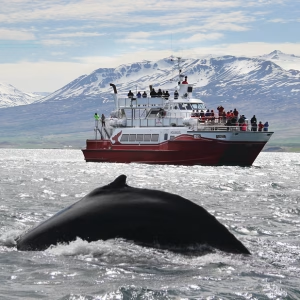
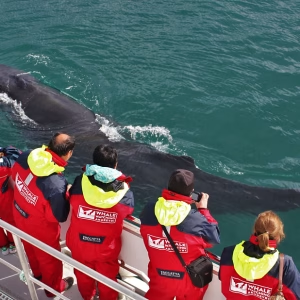
- Húsavík, Iceland’s whale-watching capital.
- Akureyri is a friendly northern city known for its gardens and cafés.
Where to Stop:
- Naustið Seafood Restaurant in Húsavík for local cod.
- Café Ilmur in Akureyri for coffee and apple cake.
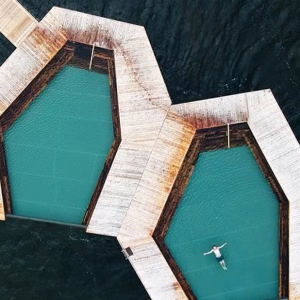
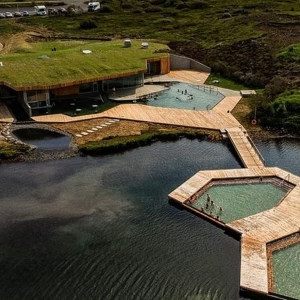
- Forest Lagoon, a newer geothermal spa overlooking Eyjafjörður.
Local Tip: Take a detour to Siglufjörður, a fjord-side village with bright wooden houses and the award-winning Herring Era Museum. The drive there alone is worth it.
Snæfellsnes Peninsula
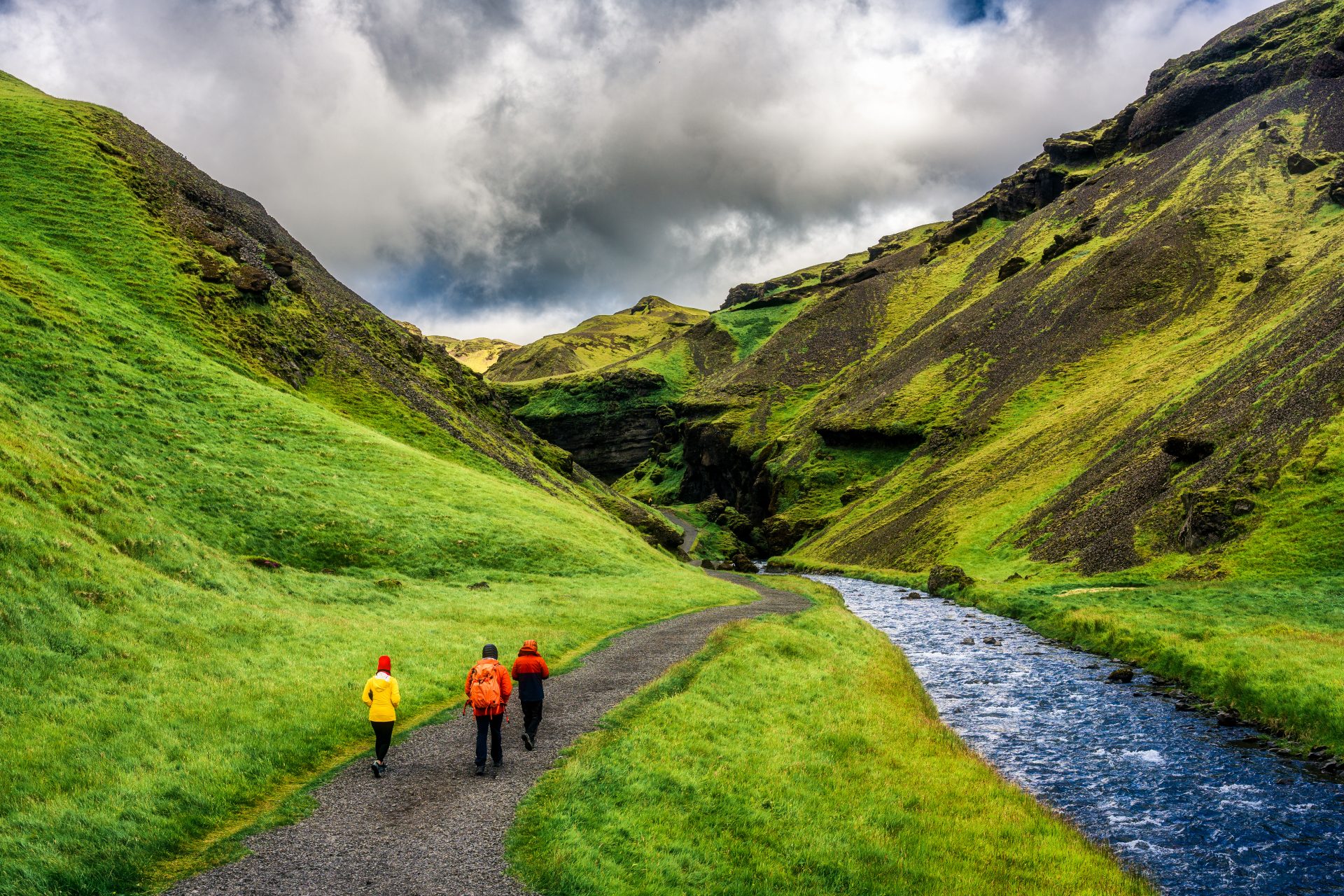
Often called “Iceland in miniature,” the Snæfellsnes Peninsula combines everything Iceland is loved for: glaciers, beaches, lava fields, and quiet fishing villages. The landscapes here are varied and photogenic, yet the area remains peaceful.
Highlights:
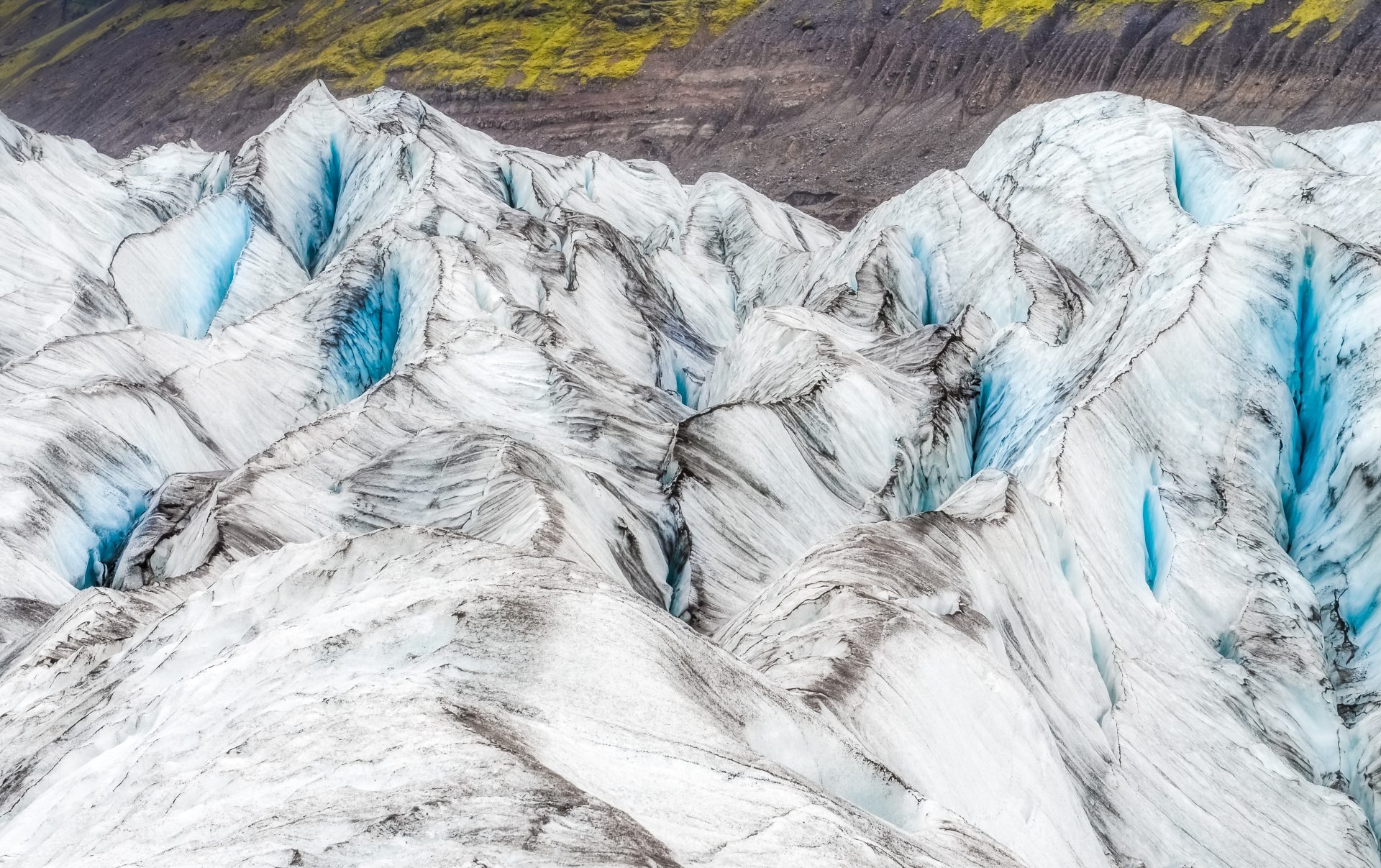
- Snæfellsjökull National Park, where the glacier meets the sea.
- The black-pebble beach of Djúpalónssandur.
- A coastal trail links the fishing villages of Arnarstapi and Hellnar.
- The iconic Kirkjufell Mountain is often mirrored in still ponds below.
Where to Stop:
- Narfeyrarstofa in Stykkishólmur for Icelandic lamb and fish.
- Langaholt Guesthouse Restaurant for local seafood and sea views.
- Fjöruhúsið in Hellnar for homemade cakes and spectacular cliffs.
Local Tip: Stay two nights on the peninsula and take your time. The drive between Arnarstapi and Hellnar is one of Iceland’s quietest and most peaceful walks.
The Highlands
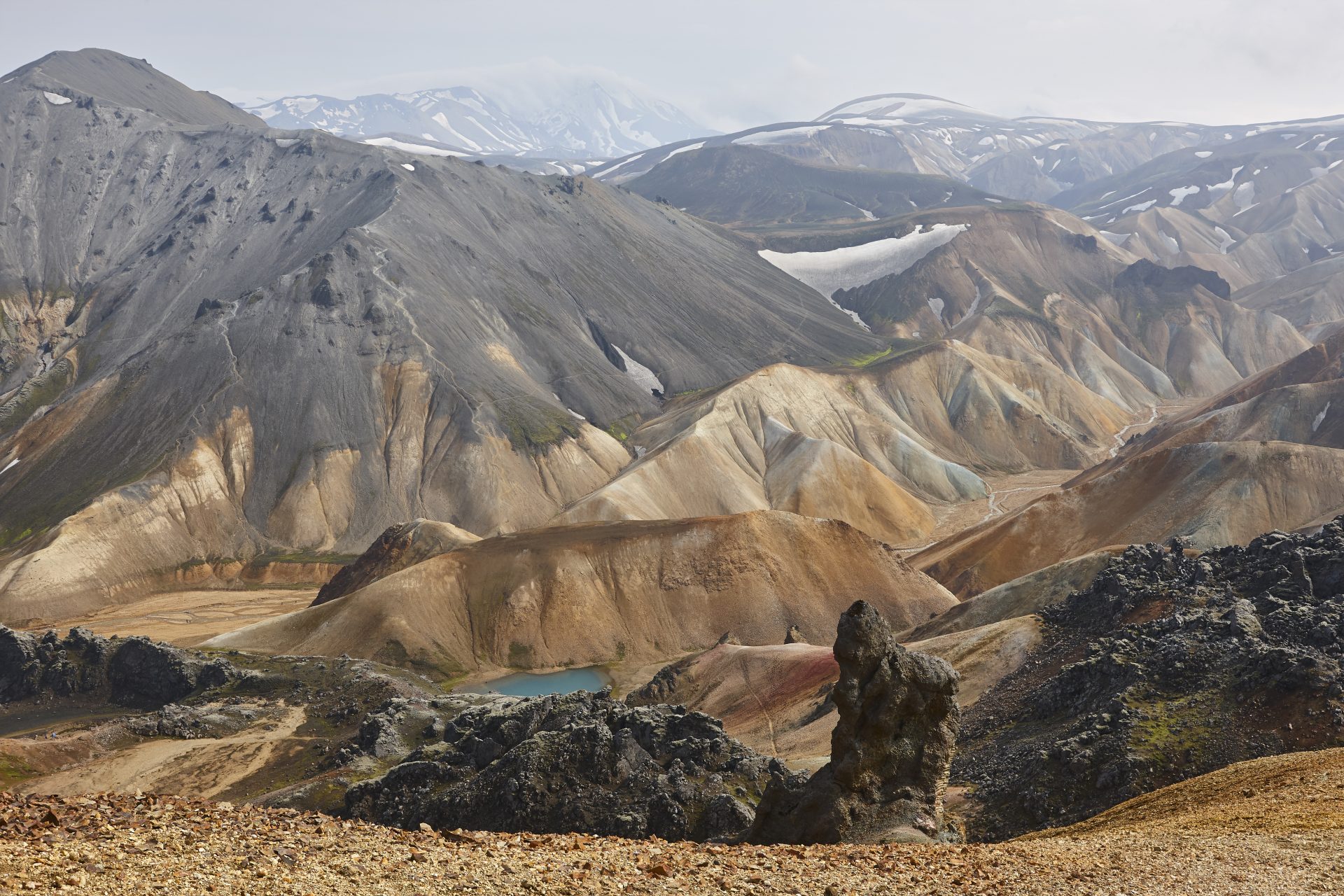
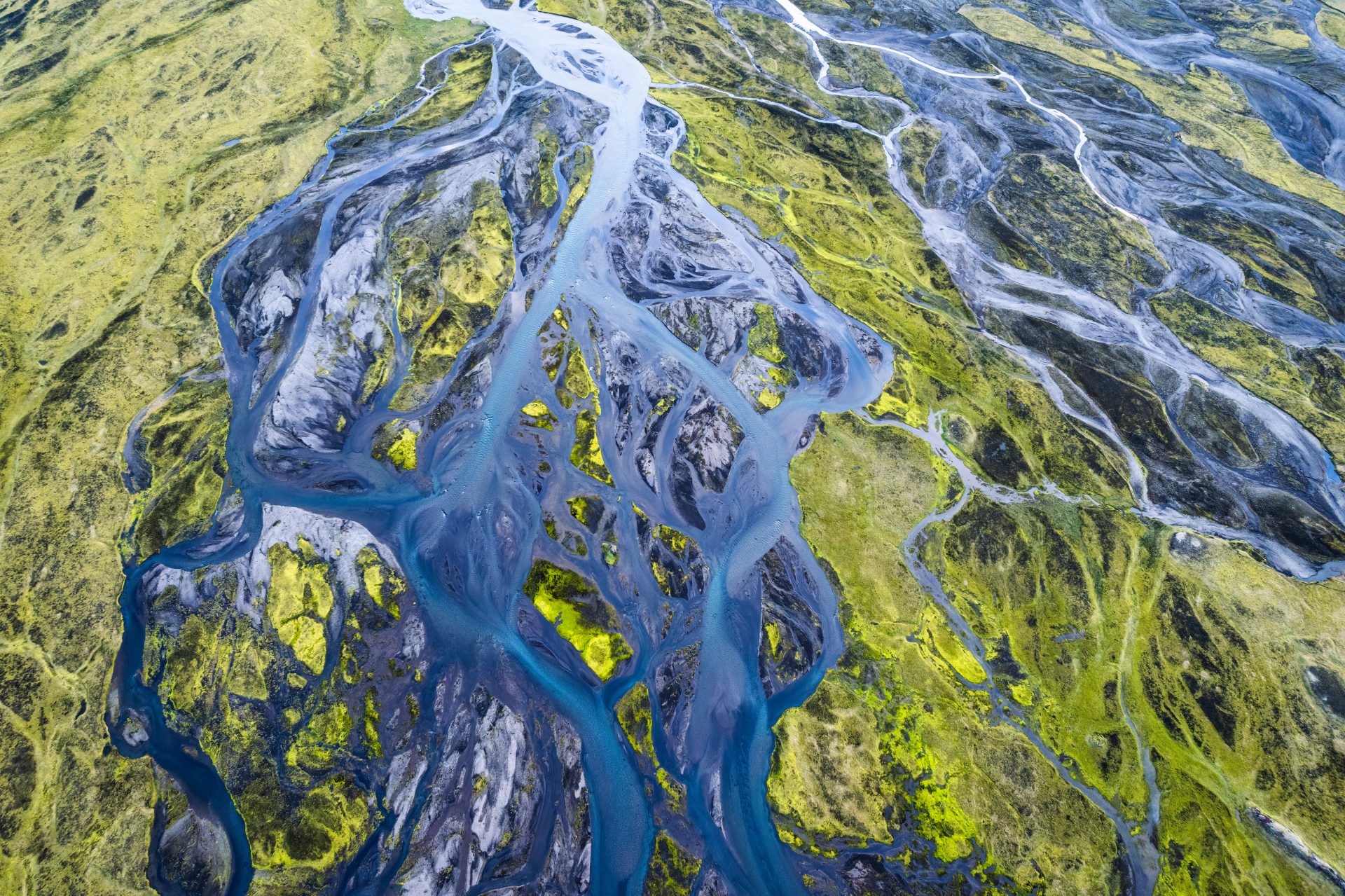
The Highlands are Iceland’s untamed heart, open only from late June to early September. Vast volcanic plains, colorful rhyolite mountains, and hot springs create a landscape unlike anywhere else.
Highlights:
- Landmannalaugar has orange and green mountains and a natural hot pool.
- Kerlingarfjöll is a geothermal area with hiking trails through steaming hills.
- The remote desert of Sprengisandur stretches between glaciers.
Local Tip: Only travel here in a 4×4 and check conditions before leaving paved roads. Carry extra supplies, and remember that solitude is the attraction here. The Highlands remind you what true wilderness feels like.
Accommodation Options That Feel Right
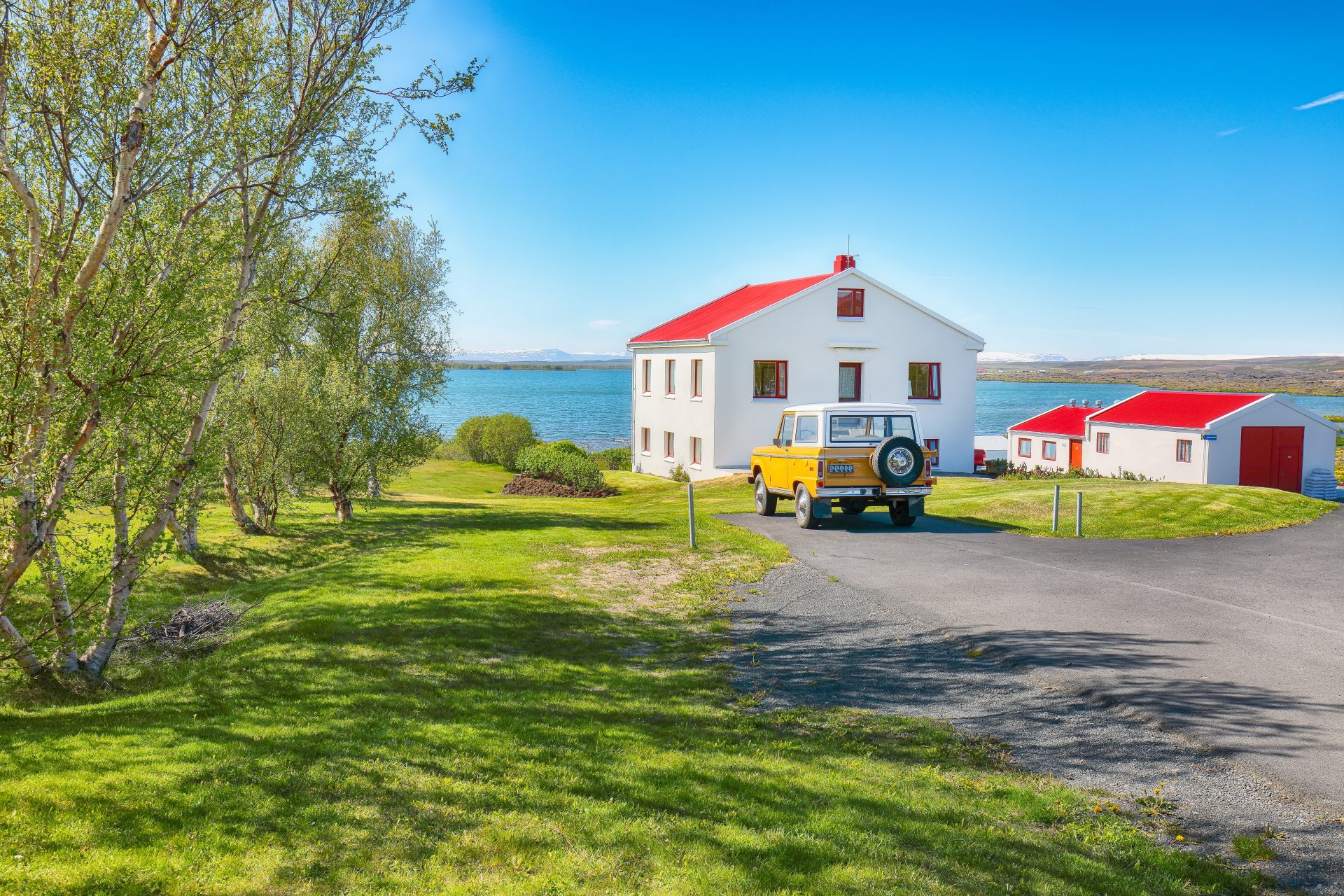
Iceland’s accommodations combine comfort with authenticity, from boutique hotels and farm stays to self-catering cottages. Many travelers prefer smaller guesthouses where breakfast is homemade and local advice is freely available.
Book early, especially for countryside properties. Our team personally inspects and selects accommodations that reflect Iceland’s warmth and hospitality.
Authentic Moments That Stay With You
The best moments often happen between destinations: chatting with a farmer, walking a black beach in the midnight sun, or watching steam rise from a hot spring.
Local Tip: Stop often. A five-minute break for coffee or a photograph can easily become the highlight of your day.
Indoor Culture & Rainy-Day Ideas
Even in summer, the weather may invite you indoors. Iceland’s towns are full of culture, cafés, and creative spirit.
Ideas for Rainy Days:
- Reykjavík: Explore the National Museum of Iceland or enjoy a concert at Harpa Hall.
- Akureyri: Visit the Akureyri Art Museum, then warm up with soup at Bautinn Restaurant.
- Seyðisfjörður: Step inside the Skaftfell Center for Visual Art and browse local crafts.
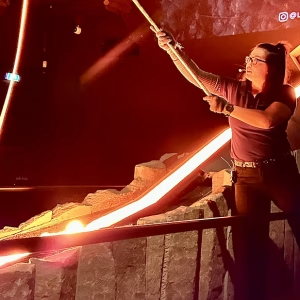
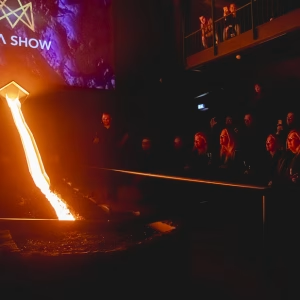
- Vík: Experience the Icelandic Lava Show and finish with a meal at Suður Vík Restaurant.
- Húsavík: Visit the Whale Museum, then relax with coffee at Gamli Baukur Café overlooking the harbor.
Local Tip: Icelanders treat rainy days as a chance to slow down. Find a café, soak in a pool, or enjoy a warm meal with a view.
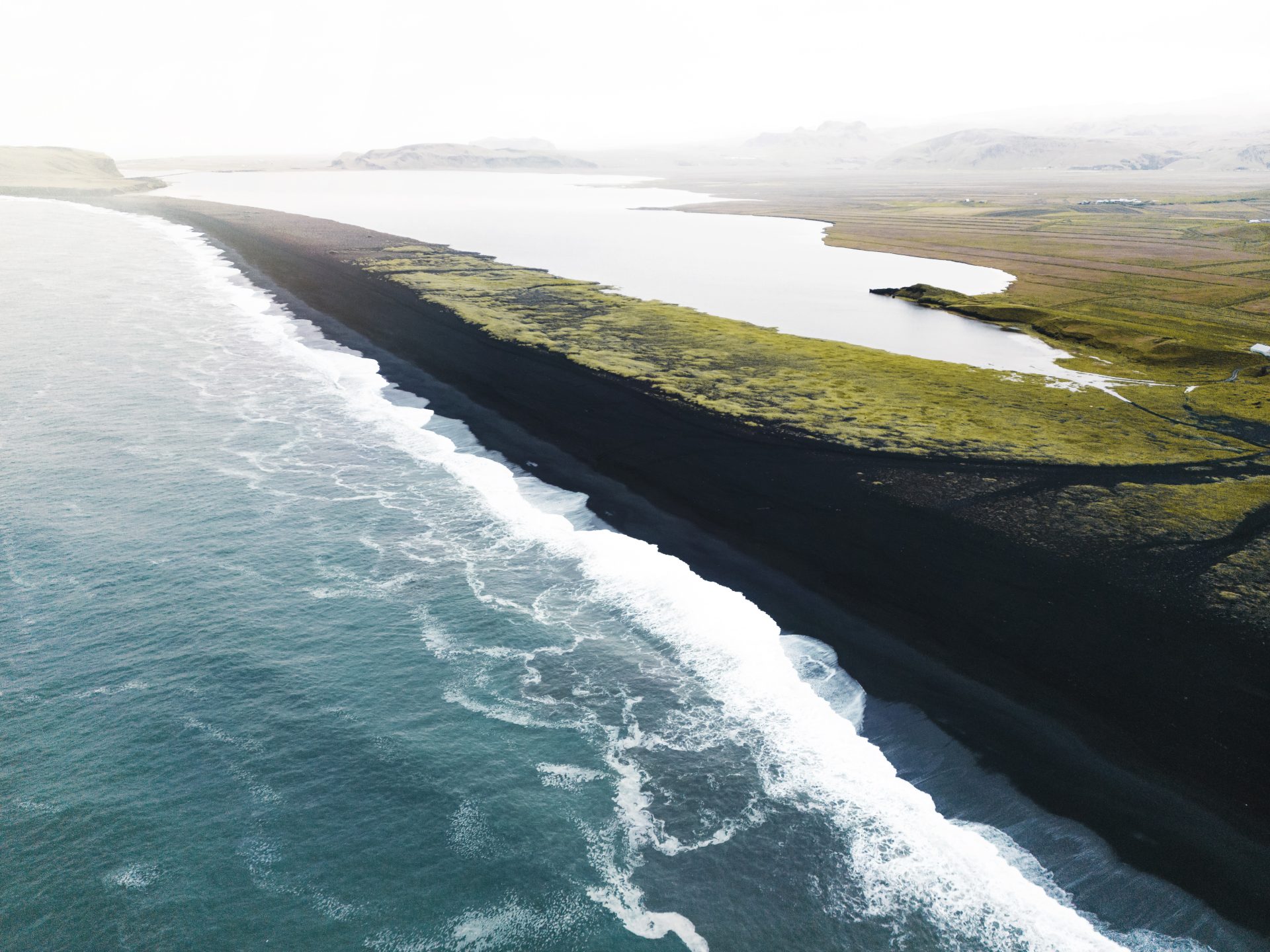
For Photographers and Quiet Explorers
The long light of Icelandic summer makes it a paradise for photographers and travelers who prefer quiet, contemplative moments. The low sun at midnight creates soft shadows and rich colors that change by the minute.
Where to Find Inspiration:
- Vík: Black sands and basalt cliffs glow gold in the late light.
- Skógafoss: Rainbows appear when the morning mist catches the sun.
- Snæfellsnes: Kirkjufell’s reflection is at its clearest around midnight.
- Mývatn: Lava fields mirror pink skies in the evening calm.
- Eastfjords: Harbors and mountains turn silver at dawn.
Local Tip: The best photos often happen long after the world quiets. The stillness around midnight is Iceland at its most magical.
Tips for Calm, Safe Summer Driving
- Keep headlights on at all times.
- Watch for sheep near the road.
- Pull over safely for photos.
- Plan shorter days and avoid rushing.
- Refill fuel whenever possible.
- Drive slowly on gravel roads.
- Let faster drivers pass.
Local Tip: Relax. The slower you go, the more you see.
What to Pack
The weather changes quickly, even in summer. Layering is key.
Essentials:
- Waterproof jacket and trousers
- Warm sweater or fleece
- Comfortable walking shoes
- Hat, gloves, and scarf
- Swimsuit for pools and hot springs
- Sunglasses and sunscreen
- Reusable water bottle
- Small daypack for hikes
- Thermos or travel mug
Local Tip: There’s no bad weather, only poor preparation. Dress for comfort, and you’ll enjoy every day.
Frequently Asked Questions
How far can I realistically drive in one day during the summer?
With long daylight, you can comfortably cover up to 300–400 km, but Iceland’s beauty lies in slow travel. Plan fewer daily kilometers to have time for unplanned stops and local cafés.
Are ferries and regional flights running regularly in summer?
Yes, summer is a full schedule season. Ferries to Vestmannaeyjar and the Westfjords operate daily, and small planes link Reykjavík with Ísafjörður, Akureyri, and Egilsstaðir.
Do I need to pre-book rental cars for the summer?
Car availability is definitely tight from June through mid-August. Booking early ensures better rates and vehicle choice, especially if you want an automatic or 4×4.
Are there tolls or special driving fees in Iceland?
Only one toll road exists: the Vaðlaheiðargöng tunnel near Akureyri, which you pay for online within three hours of passing. All other roads are free.
How can I experience local culture on a summer road trip?
Stop in small villages for weekly markets or swimming pools, chat with locals at gas-station cafés, and visit community art houses often signposted as “Listasafn” or “Handverk.”
Are gas stations open 24 hours in summer?
Many are automated, and card payment is available all night. In remote regions, fill up whenever your tank drops below half, as distances between stations can be long.
What kind of local wildlife might I see while driving?
Sheep often graze near roads, Arctic terns dive along coastlines, and you might spot seals sunning on rocks in the Westfjords or near Vatnsnes Peninsula.
Is it easy to find vegetarian or gluten-free meals on the road?
Yes. Most restaurants and petrol station diners now offer vegetarian, vegan, or gluten-free options. In smaller villages, call ahead or check daily specials for local dishes that can be adapted.
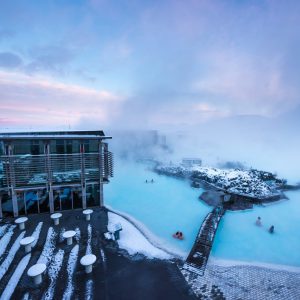
Can I swim outdoors anywhere besides the Blue Lagoon?
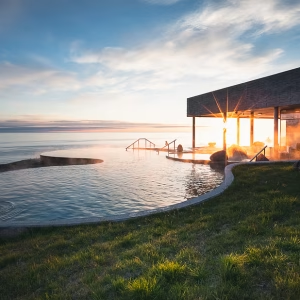
Absolutely. Each town has a geothermal pool, often with mountain or sea views. Popular natural spots include Reykjadalur near Hveragerði and Hofsós Infinity Pool in the north.
How busy are Iceland’s main roads in summer?
The Ring Road carries steady traffic near Reykjavík and the South Coast, but driving north or east quickly brings quieter stretches. Early mornings and evenings remain peaceful everywhere.
Do I need travel insurance for a self-drive trip?
Yes. Choose coverage that includes gravel-road protection and windshield damage, as volcanic sand and loose stones are common in rural areas.
What should I know about Icelandic parking rules?
Parking is free in most small towns, but Reykjavík has paid zones. Always park fully off the roadway and never on moss, grass, or soft ground.
Is wild camping allowed in Iceland?
Only designated campsites may be used unless you have written permission from the landowner. Respect signs and always follow “leave no trace” principles.
What is the best time of day for photography during summer?
Evenings between 10 p.m. and 1 a.m. offer the softest light and fewest people. The midnight sun near the solstice gives incredible long-exposure opportunities.
Can you create a personal self-drive route?
Yes. We design tailor-made self-drive tours with lodging and local insight.
A summer trip to Iceland is about freedom, comfort, and quiet discovery. Long days, gentle weather, and open roads create the ideal setting for authentic travel. From glacier lagoons to small harbors, from the Highlands to the sea, every route feels like an adventure in calmness.
With the right guidance, you can explore at your own pace and see the country the way locals love it most: slowly, thoughtfully, and with a big heart.