Driving Iceland’s Ring Road: Everything You Need to Know Before You Go

For many travelers coming to Iceland, driving the Ring Road is one of the most rewarding ways to see the country. Known officially as Route 1, this national highway forms a complete circle around the island. It links nearly all of Iceland’s major regions: coastal villages, volcanic deserts, lush valleys, snowcapped mountains, and endless black sand beaches.
Whether you’re planning to drive the full circle or only a portion, this guide shares everything you need to know before you go, from when to travel and what to expect on the road to where to stop, sleep, and prepare for changing weather.
What is the Ring Road?
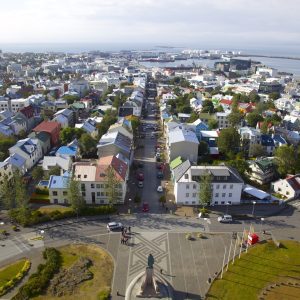
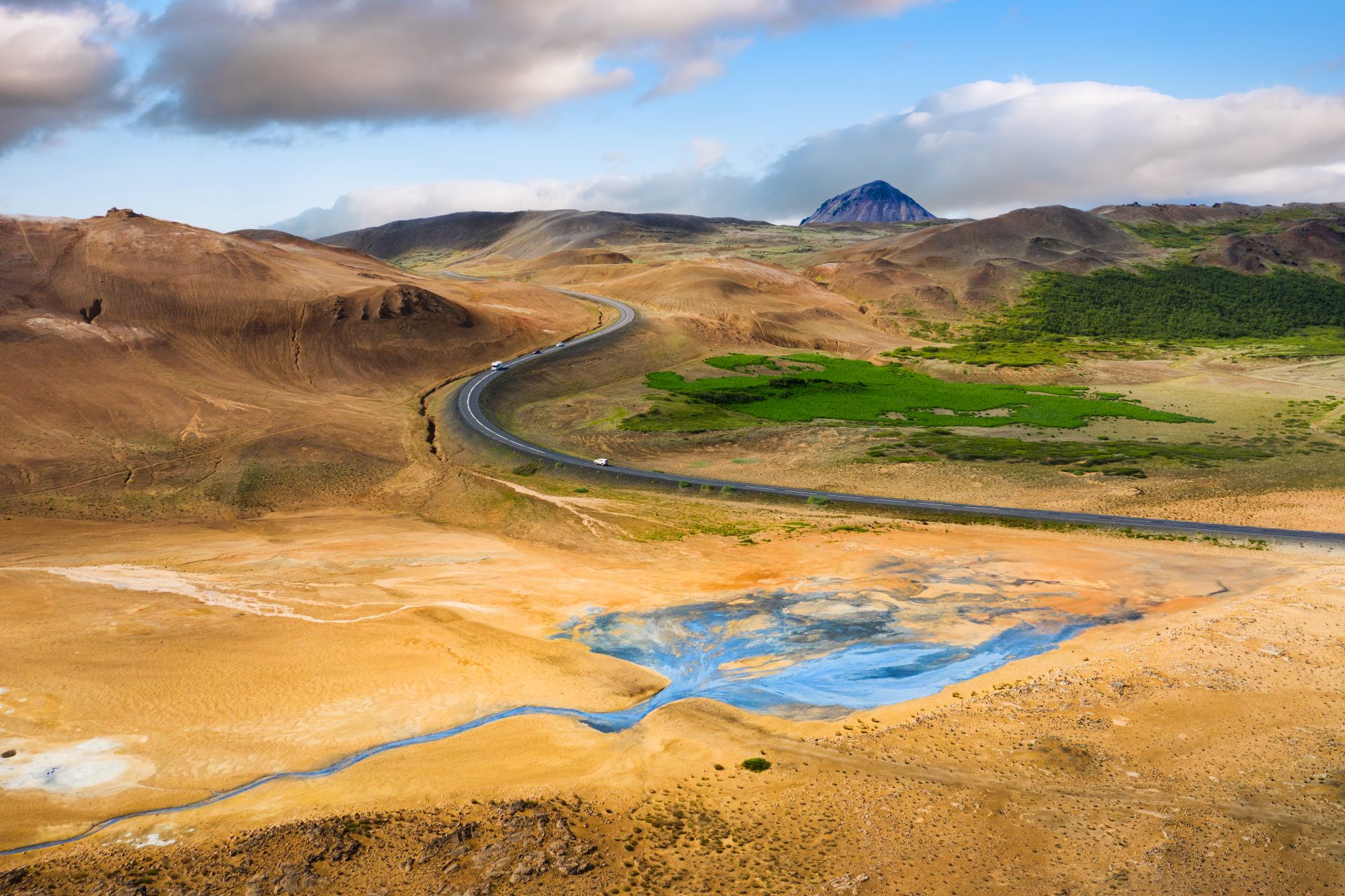
The Ring Road, or Route 1, is a 1,332-kilometer paved highway that loops around Iceland. It connects most major towns and regions, including Reykjavik, Akureyri, Egilsstaðir, Höfn, and Vík, and passes near some of the country’s most famous natural attractions.
The road is usually open year-round, though winter conditions can temporarily close some segments. Most of it is well-maintained and easy to navigate, but certain parts, particularly in the Eastfjords, may be narrow, winding, or occasionally unpaved.
Although the Ring Road doesn’t take you into the Highlands or the Westfjords, both regions can be added to your trip with short detours if you’re traveling during the summer.
How long does it take to drive the Ring Road?
Driving the Ring Road in under 20 hours without stopping is possible, but we wouldn’t recommend it. The beauty of this route is in slowing down and letting the landscape unfold.
Seven to eight days is a comfortable minimum for a full loop with short daily drives and time for sightseeing. If you have ten to fourteen days, you can spend longer in each region, hike more trails, visit smaller villages, and explore detours without rushing.
In summer, the long daylight hours give you flexibility. In contrast, winter’s shorter days mean you must plan carefully and monitor the time. Daylight can last four to five hours between November and January in some areas.
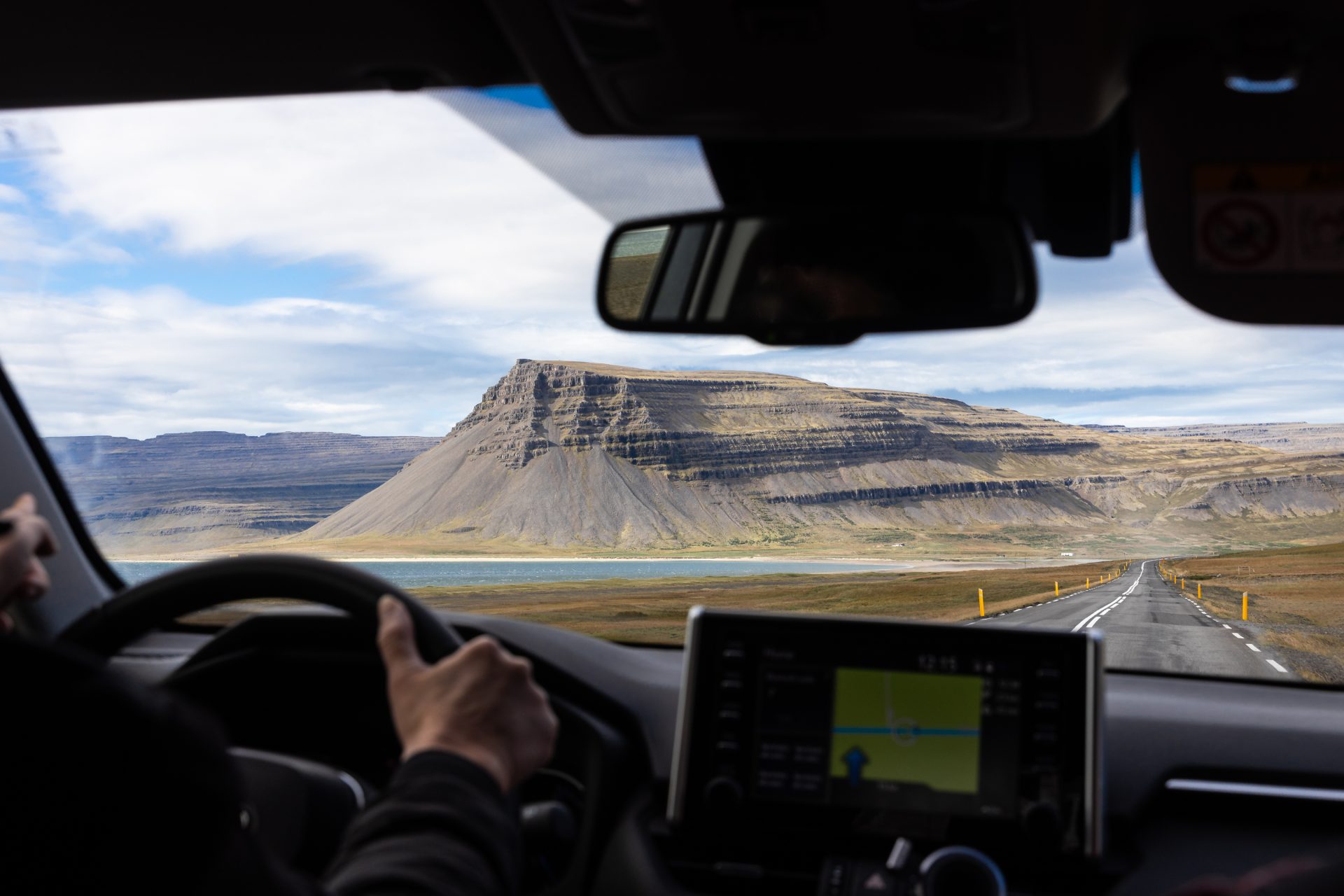
When is the best time to drive the Ring Road?
Summer is the most popular time. Roads are open, the weather is mild by Icelandic standards, and nearly all attractions are accessible. You’ll also experience the midnight sun and long days when you can drive or hike late into the evening.
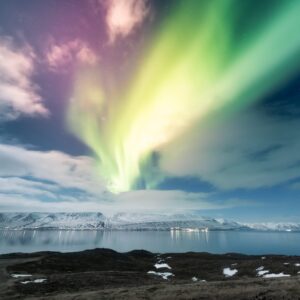
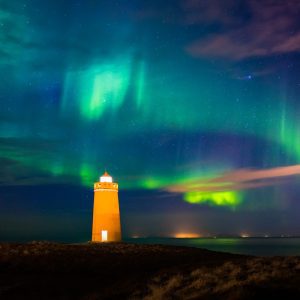
Spring and early autumn, especially May and September, are excellent times with fewer crowds, beautiful colors, and a good chance of seeing the Northern Lights in the evening.
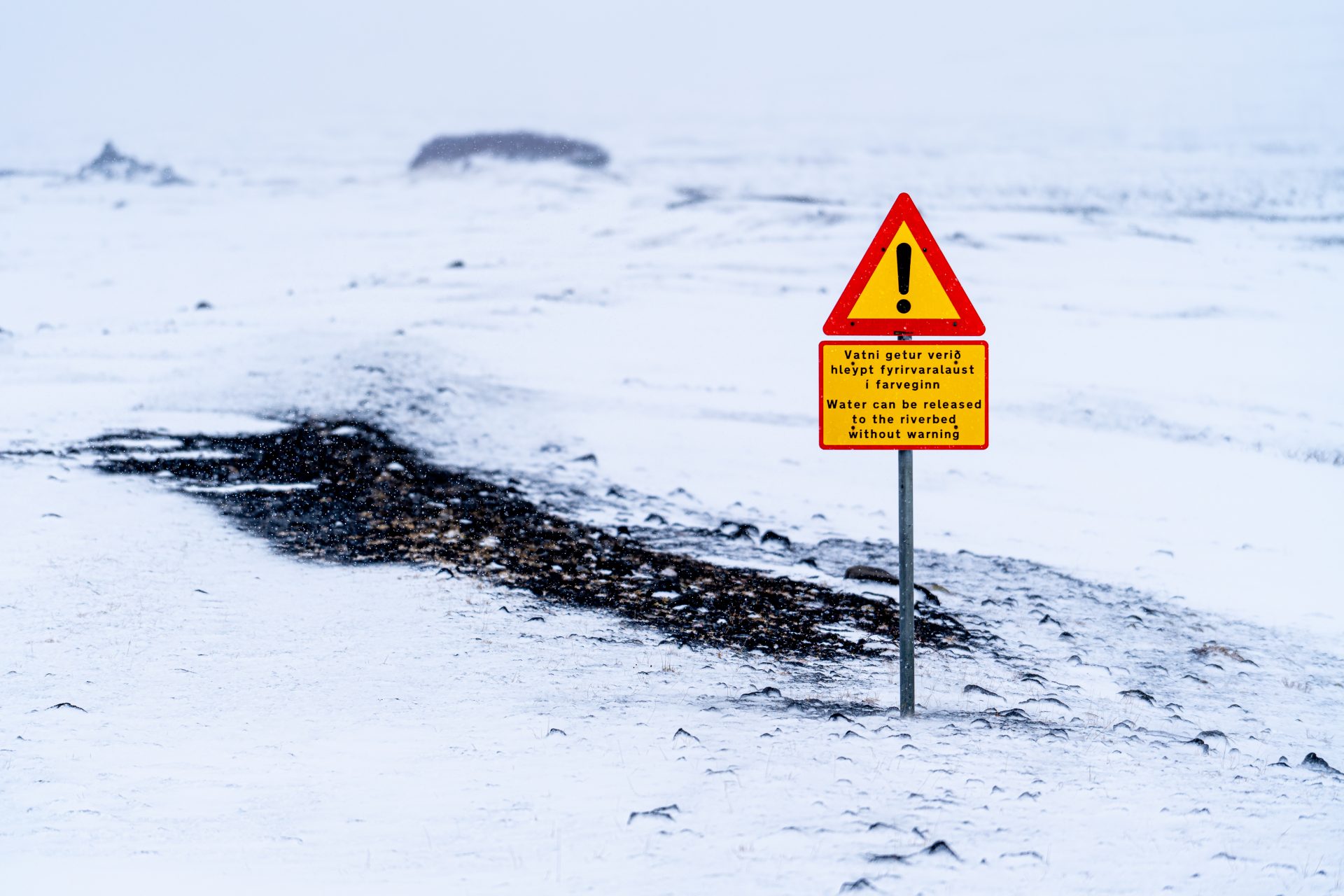
Winter, from November to March, offers an entirely different experience. Snowy landscapes, quiet towns, and Aurora sightings make it magical, but winter driving in Iceland is not for everyone. Road conditions can change rapidly, and storms may delay travel. If you visit during winter, give yourself extra time and check the road.is and vedur.is daily, and be flexible with your schedule.
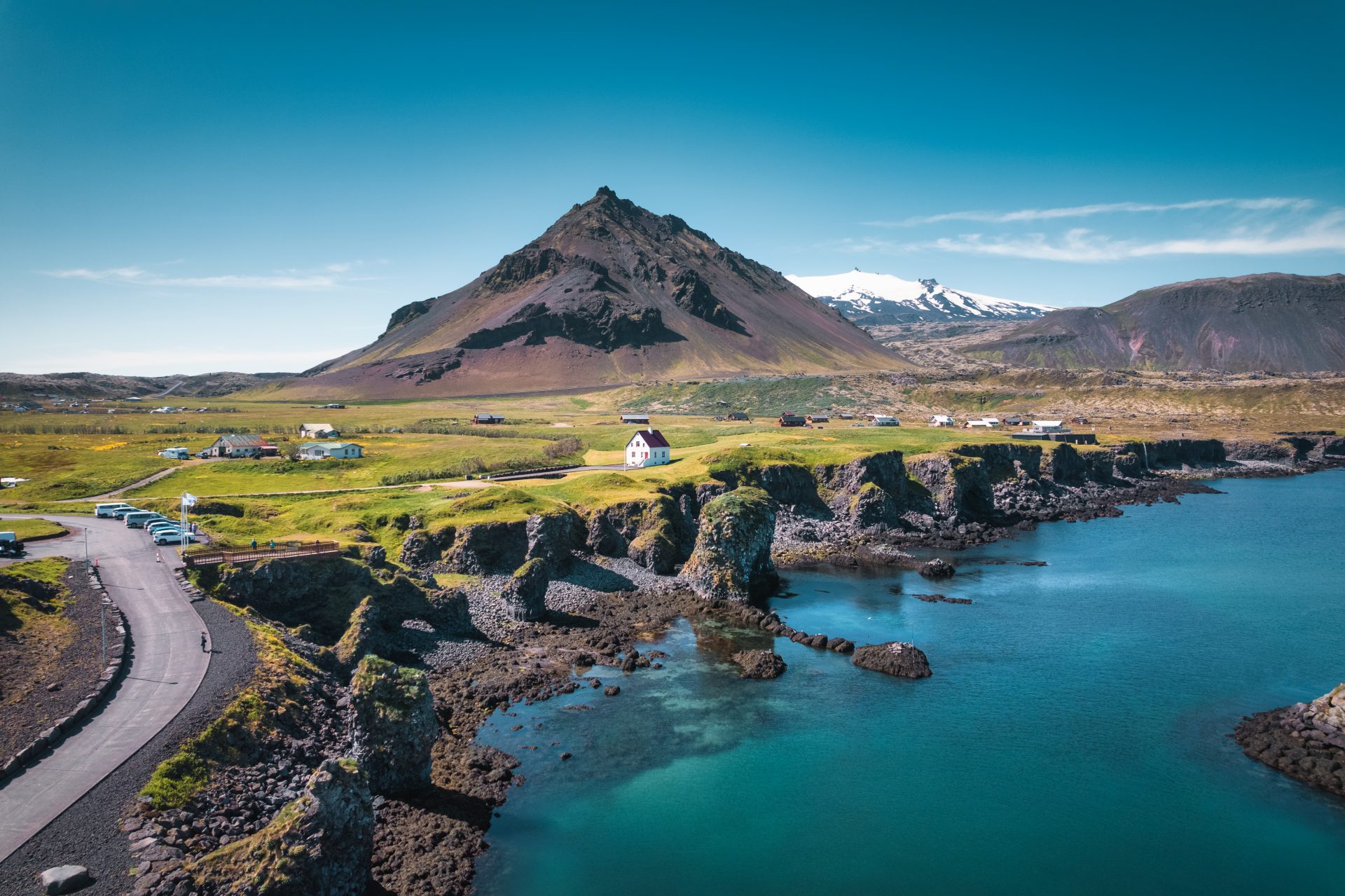
Is it safe to drive in Iceland?
Yes, driving in Iceland is generally safe if you respect the weather and drive according to conditions. Many travelers underestimate the natural elements here. Rain can turn to sleet within minutes. Wind can be strong enough to damage car doors. And snowstorms can reduce visibility to near zero.
Local drivers always check the forecast before heading out. This is part of daily life here.
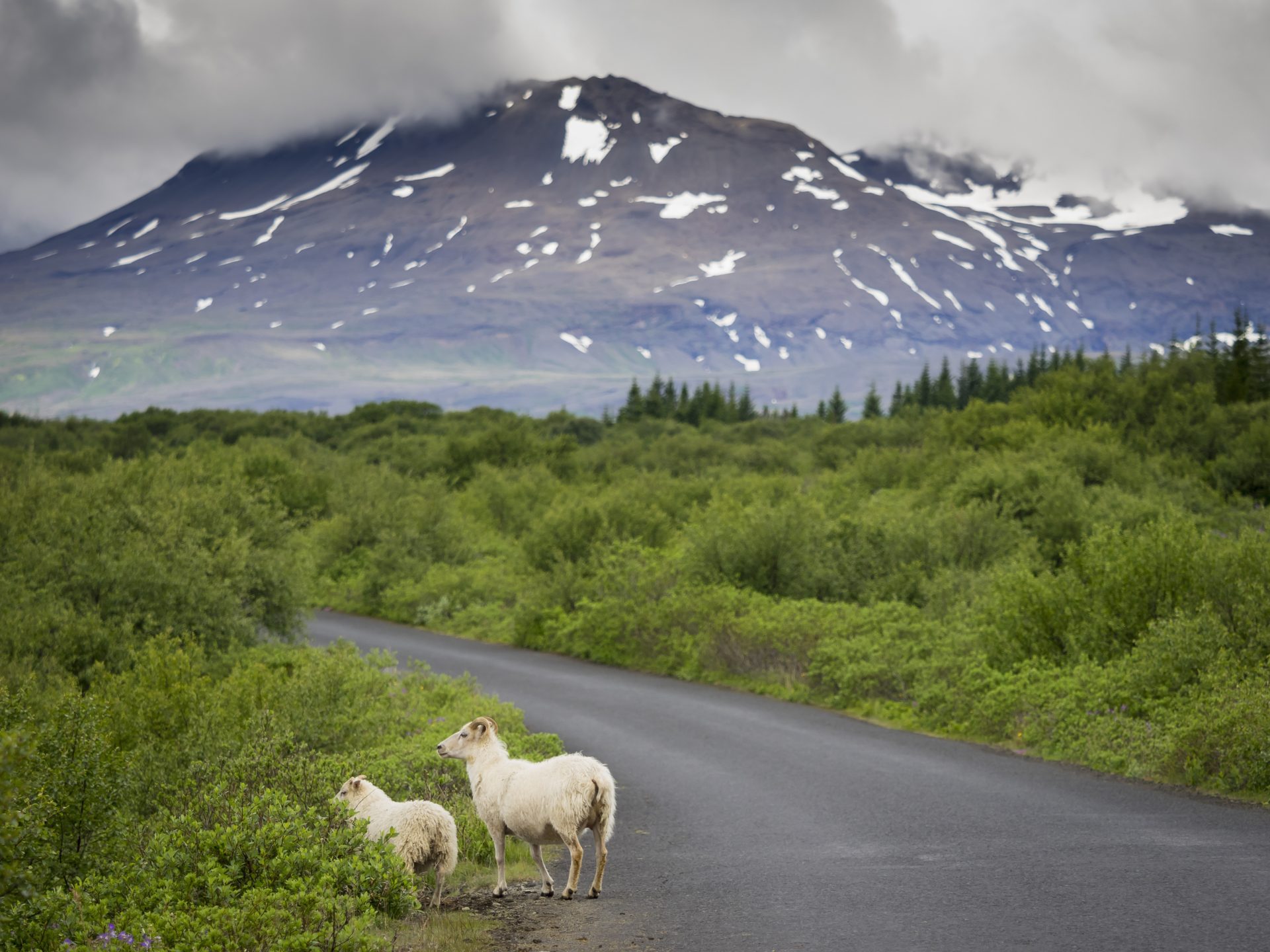
You’ll encounter one-lane bridges, livestock near the road, sudden gravel sections, and long stretches without services outside the cities. With the right mindset and preparation, it’s one of the safest and most beautiful places in the world to drive.
Understanding Icelandic road signs, speed limits, and driving rules
Driving in Iceland is straightforward for many visitors, but there are a few differences worth knowing before getting behind the wheel. Local drivers are used to unpredictable weather, gravel roads, and long distances between towns, so the road system is designed with safety and simplicity in mind.
Speed limits in Iceland are lower than in many other countries, partly due to the terrain and weather and to protect Iceland’s fragile environment. The general speed limits are:
- 50 km/h (31 mph) in urban areas
- 80 km/h (50 mph) on gravel roads in rural areas
- 90 km/h (56 mph) on paved roads outside towns
Speed cameras are standard and automated. Fines for speeding are high, and there is little tolerance for breaking the rules. Icelandic police rarely need to pull you over: the cameras do the work, and your rental company may charge you later.
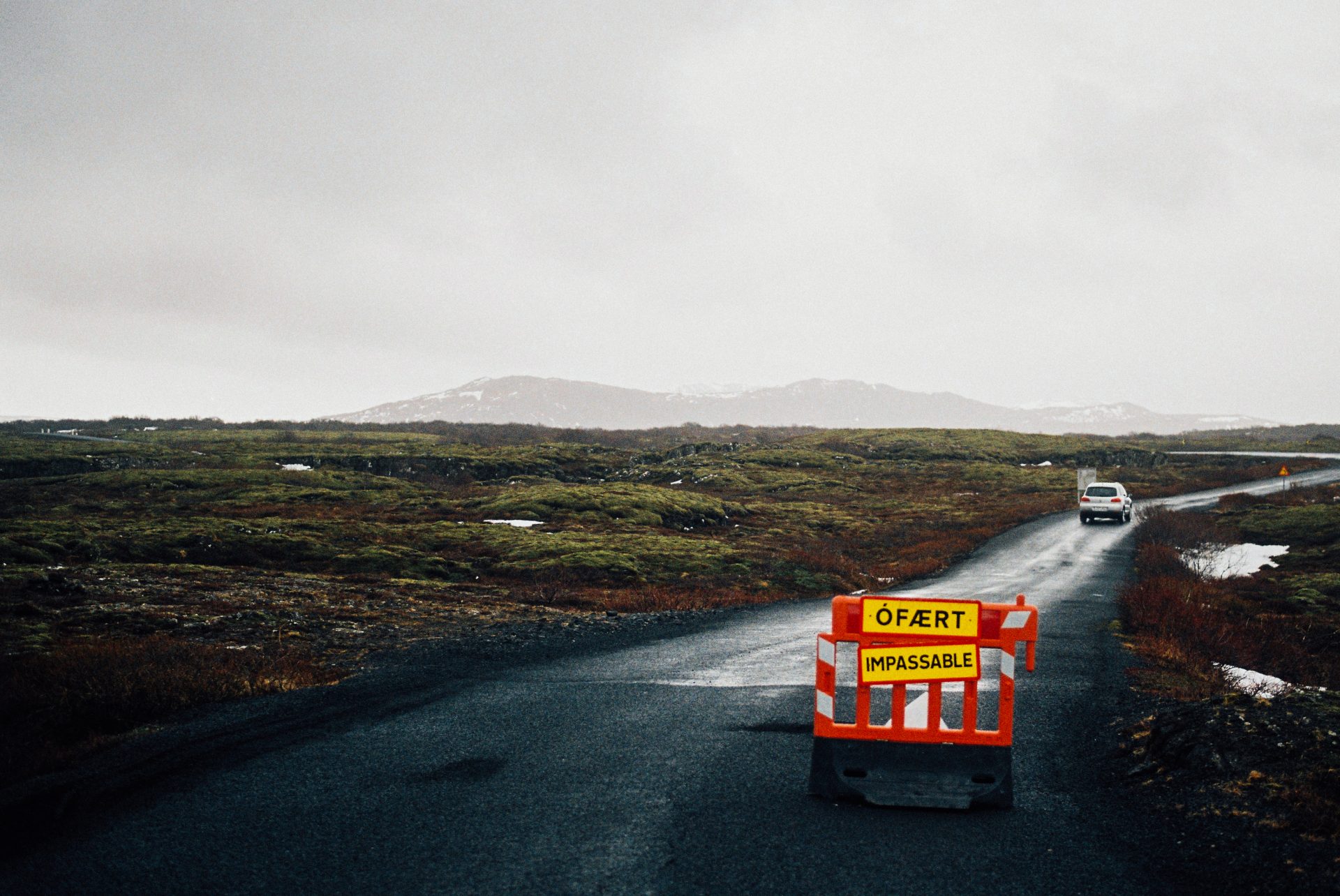 Road signs in Iceland are standardized and easy to understand, even if you’re unfamiliar with the Icelandic language. Most signs use clear symbols or internationally recognized icons. However, here are a few things to look out for:
- “Einbreið brú” means a single-lane bridge. The first vehicle to reach the bridge has the right of way. These are common in rural areas.
- “Malbik endar” warns that the paved road ends and gravel begins after that point. Be ready to reduce speed and handle loose surfaces.
- “Blindhæð” indicates a blind hill or crest. Visibility ahead is limited, and it’s unsafe to overtake other vehicles.
- “Vegavinna” means roadwork, often with gravel, temporary barriers, or machinery nearby.
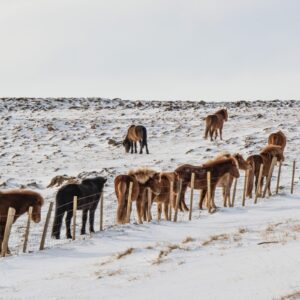
Animal warning signs are not decorative because sheep and reindeer often cross or stand on the road, especially in East and North Iceland.
Roundabouts are used frequently, especially near towns. The general rule is that vehicles already inside the roundabout have the right of way, but two-lane roundabouts can be confusing. If in doubt, go slowly and yield to cars on your left.
One crucial rule that surprises many visitors is that no off-road driving is allowed anywhere in Iceland. The landscapes may look empty and open, but they are incredibly fragile. Driving off marked roads can cause irreversible damage and carries heavy fines. Always stick to designated roads, trails, and parking areas.
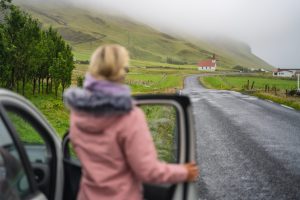
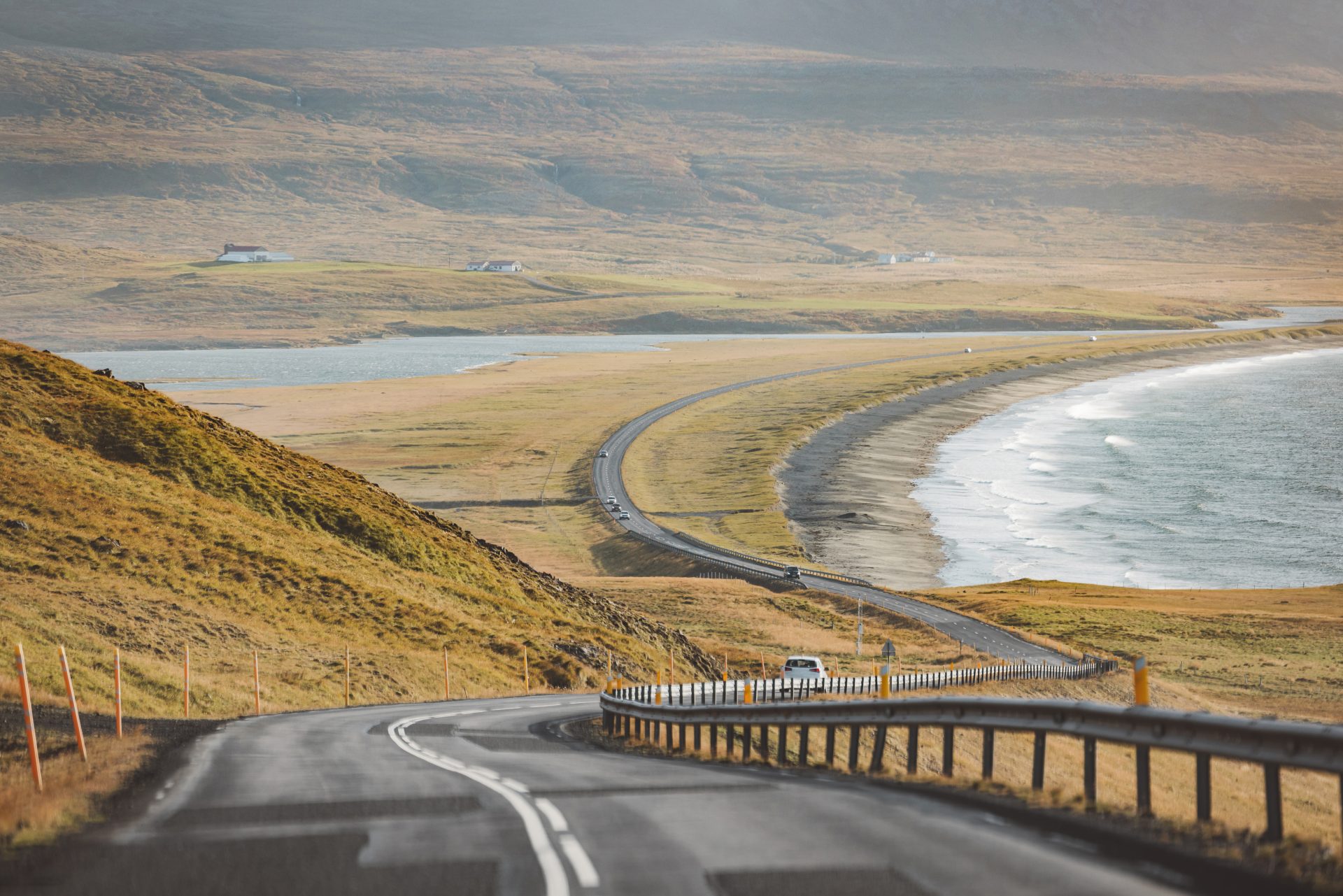 Wind is another major factor. If opened carelessly, it can be strong enough to rip car doors from their hinges. Always hold onto the door when getting in and out, especially in exposed areas like the South Coast or open plateaus in North Iceland. Many rental companies won’t cover damage caused by wind-blown doors.
Another uniquely Icelandic thing is the lack of trees or tall landmarks in some areas, which can distort your sense of distance and speed. What looks like a 5-minute drive may take 20. GPS and signage help, but it’s essential to trust speed limits and drive cautiously, especially when entering narrow tunnels, crossing bridges, or navigating mountain passes.
Finally, mobile coverage is strong in most areas, but some remote sections, particularly in the Highlands or Eastfjords, may have limited signal. It’s a good idea to download offline maps and carry a printed copy of your route, just in case.
Understanding these details will help make your drive smoother, safer, and more enjoyable. Iceland’s roads are designed for those who drive with care and awareness of the elements, and if you do, they’ll take you to some of the most unforgettable places on Earth.
To learn more about how to drive in Iceland, we recommend checking the video below:
What kind of car do you need for the Ring Road?
In summer, a two-wheel-drive car is usually enough to drive the whole Ring Road. If you’re staying on the main highway and visiting during the warmer months, renting a large vehicle is unnecessary unless you prefer the extra space.
In winter, or if you’re planning any detours to gravel roads or mountain passes, a four-wheel-drive vehicle is recommended and sometimes required. Conditions can change quickly, and a 4×4 provides more control on icy or snowy roads.
Also, consider extra insurance for gravel, ash and sand damage, especially in areas like the South Coast or East Iceland, where the wind can lift volcanic particles and scratch the car’s paint.
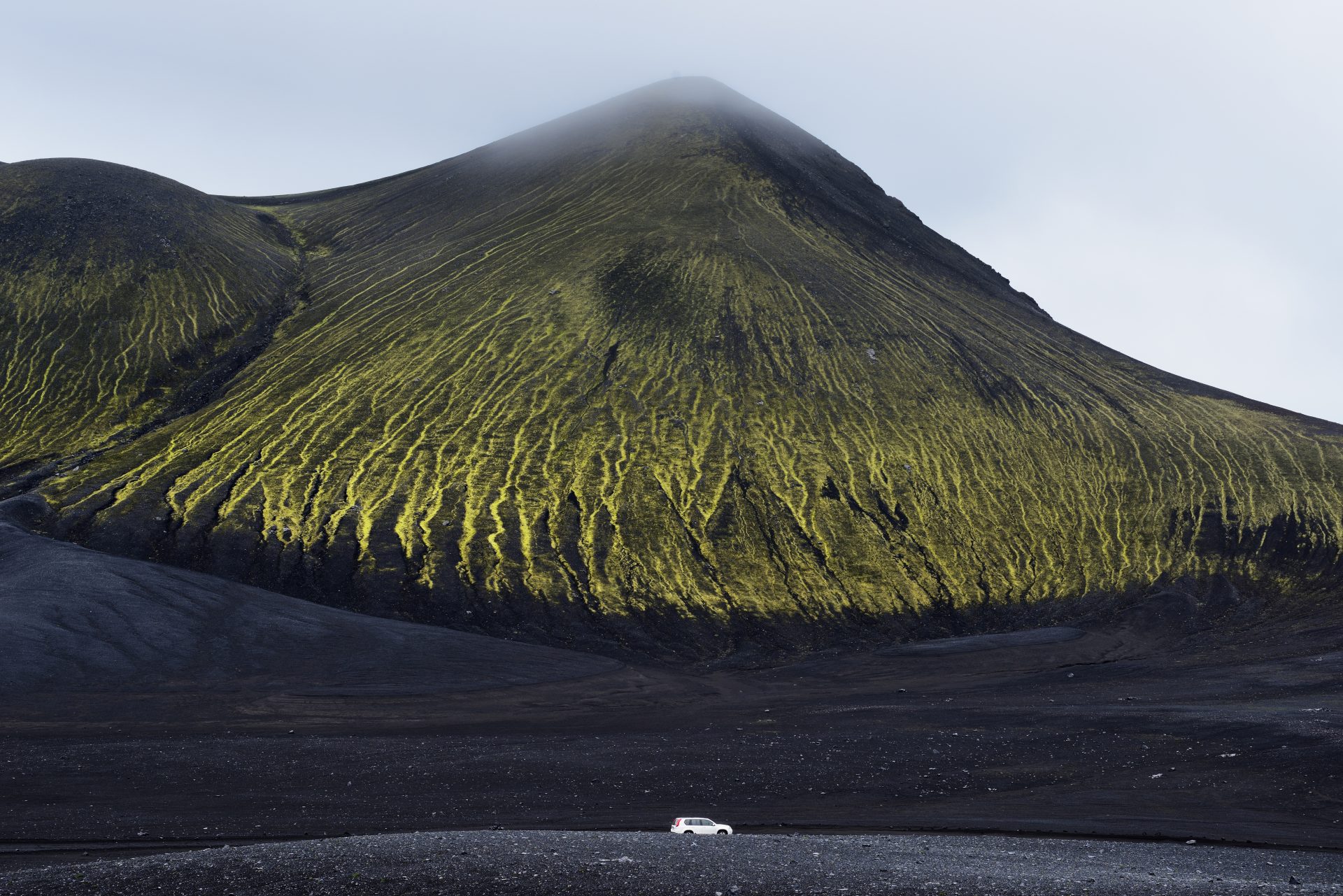
Where can you sleep along the Ring Road?
Hotels, guesthouses, hostels, farm stays, and cabins are scattered along the Ring Road. Most towns and even many remote areas offer cozy accommodations with private rooms, shared kitchens, and warm Icelandic hospitality. It’s smart to book several days or weeks in advance in the summer, especially in popular areas like Mývatn, Vík, and Höfn.
Traveling by campervan is another popular option. It gives you freedom and flexibility, but there are rules. Wild camping is not allowed unless you have permission from the landowner. Iceland has an extensive network of official campsites open year-round, where you can stay legally and safely. These sites usually have bathrooms, showers, and sometimes small kitchens or laundry facilities.
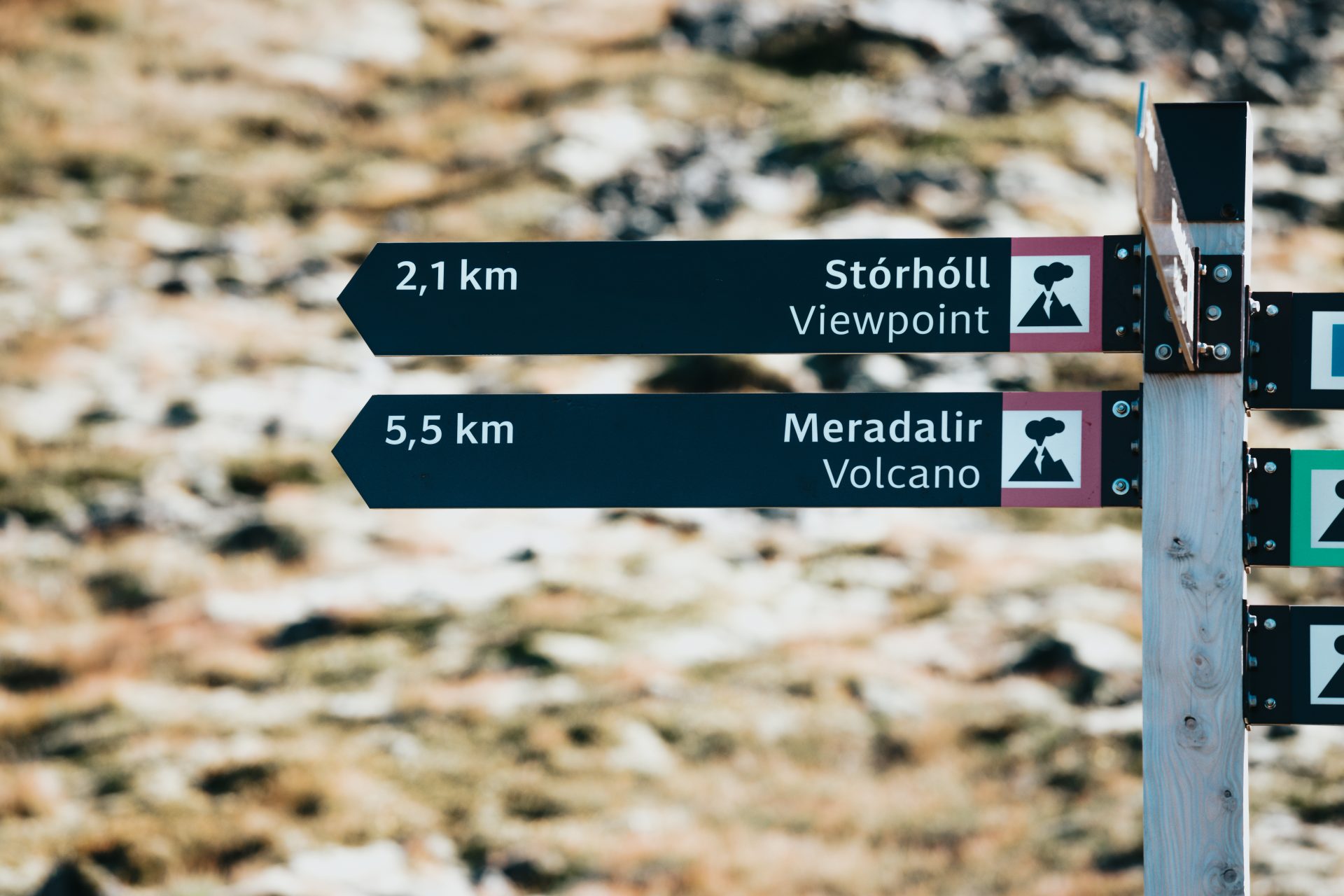
Top places to stop along the Ring Road
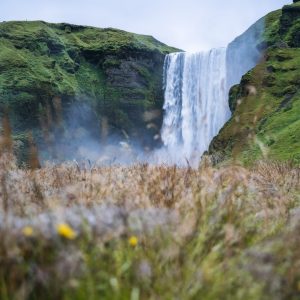
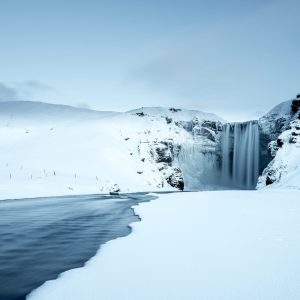
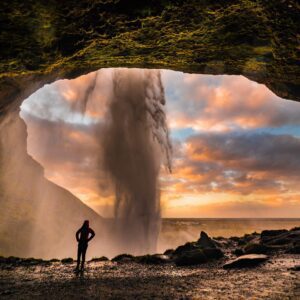
The Ring Road passes by many of Iceland’s most iconic locations but also offers the chance to explore lesser-known areas. The South Coast includes Seljalandsfoss and Skógafoss, along with the black sands of Reynisfjara and the cliffs of Dyrhólaey.
In the southeast, the Vatnajökull glacier dominates the landscape. Skaftafell has excellent hiking trails, and Jökulsárlón glacier lagoon is one of the most beautiful sights in the country. Icebergs drift across the lagoon before washing up on Diamond Beach nearby.
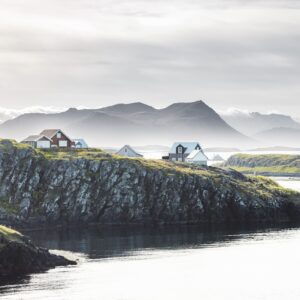
The East Fjords bring a quieter beauty. Small fishing towns, narrow roads, and long fjords create a peaceful atmosphere. This region is often overlooked but is a local favorite for its calm and authenticity.
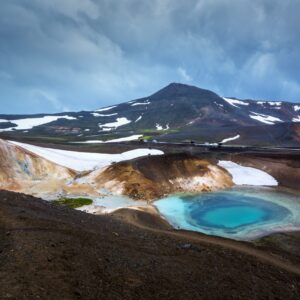
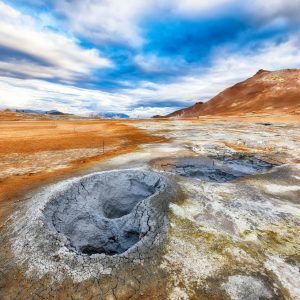
In the north, Lake Mývatn offers geothermal landscapes, hiking trails, and hot springs. Húsavík, just a short detour from the Ring Road, is the best place in Iceland for whale watching. Akureyri, the largest town outside the capital area, is an excellent stop for food, culture, and Icelandic charm.
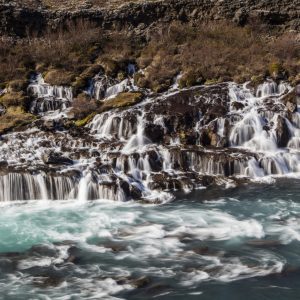
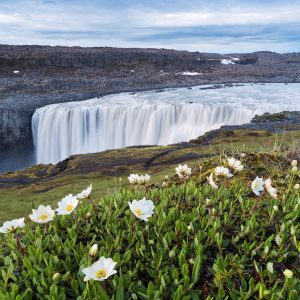
West Iceland offers waterfalls like Hraunfossar and Barnafoss, caves, lava fields, and the history of Reykholt, once the home of the medieval scholar Snorri Sturluson.
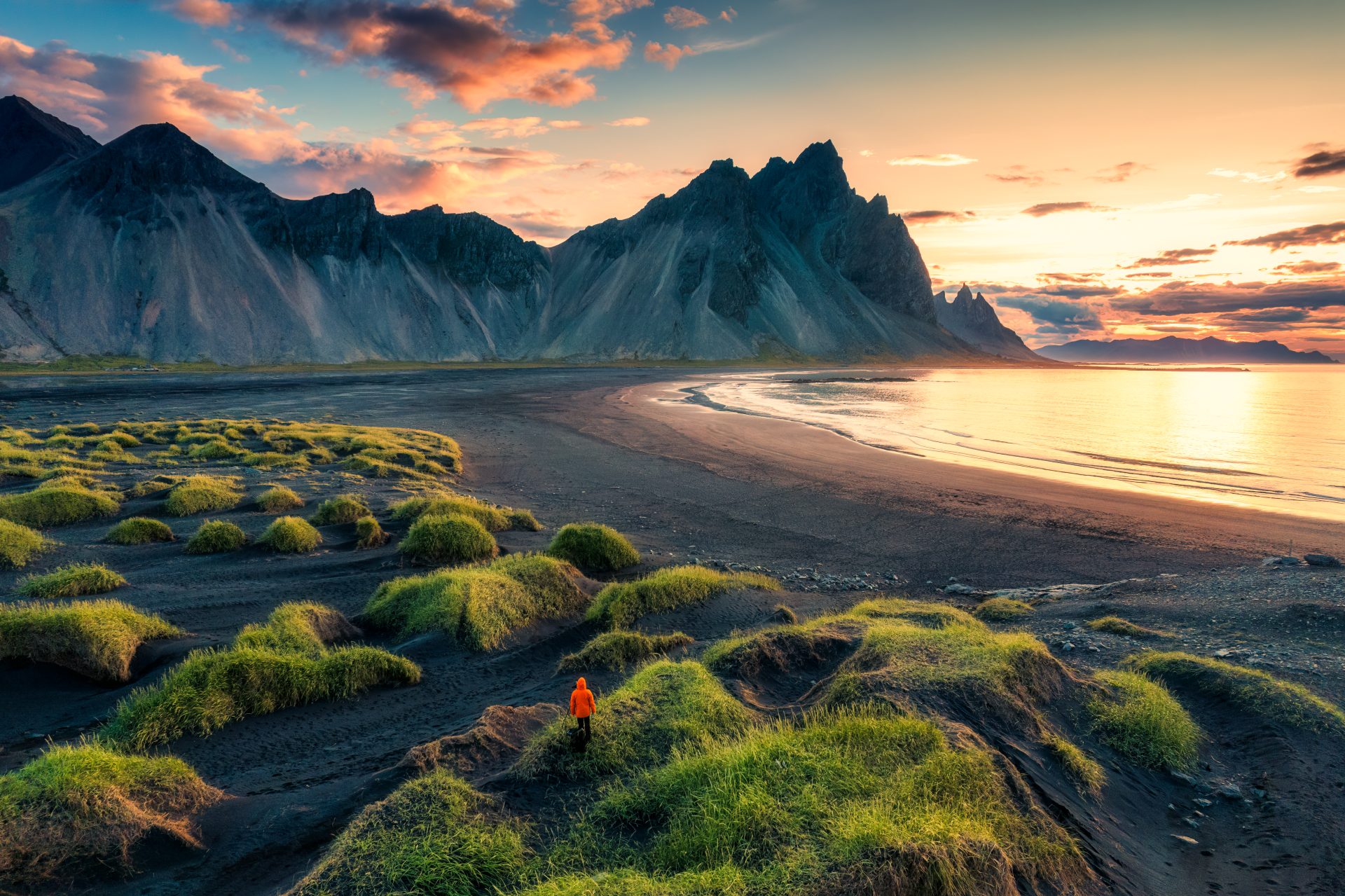
How much does it cost to drive the Ring Road?
The cost of driving the Ring Road depends on your travel style, time of year, and type of vehicle. Here’s a rough estimate based on typical expenses:
- Car rental: $70–$150 per day (higher for 4×4 or winter-equipped vehicles)
- Fuel: $7–$8 per gallon (or around $1.90–$2.10 per liter)
- Accommodation: $100–$300 per night for hotels or guesthouses; $20–$50 per person for campsites
- Food: Dining out costs $20–$40 per meal. Groceries are cheaper and can be found at stores like Bónus, Krónan, or Nettó
- Attractions: Most natural sites are free. Hot springs or pools cost around $8–$25
Planning, cooking meals, and booking accommodations early can keep your trip within budget.
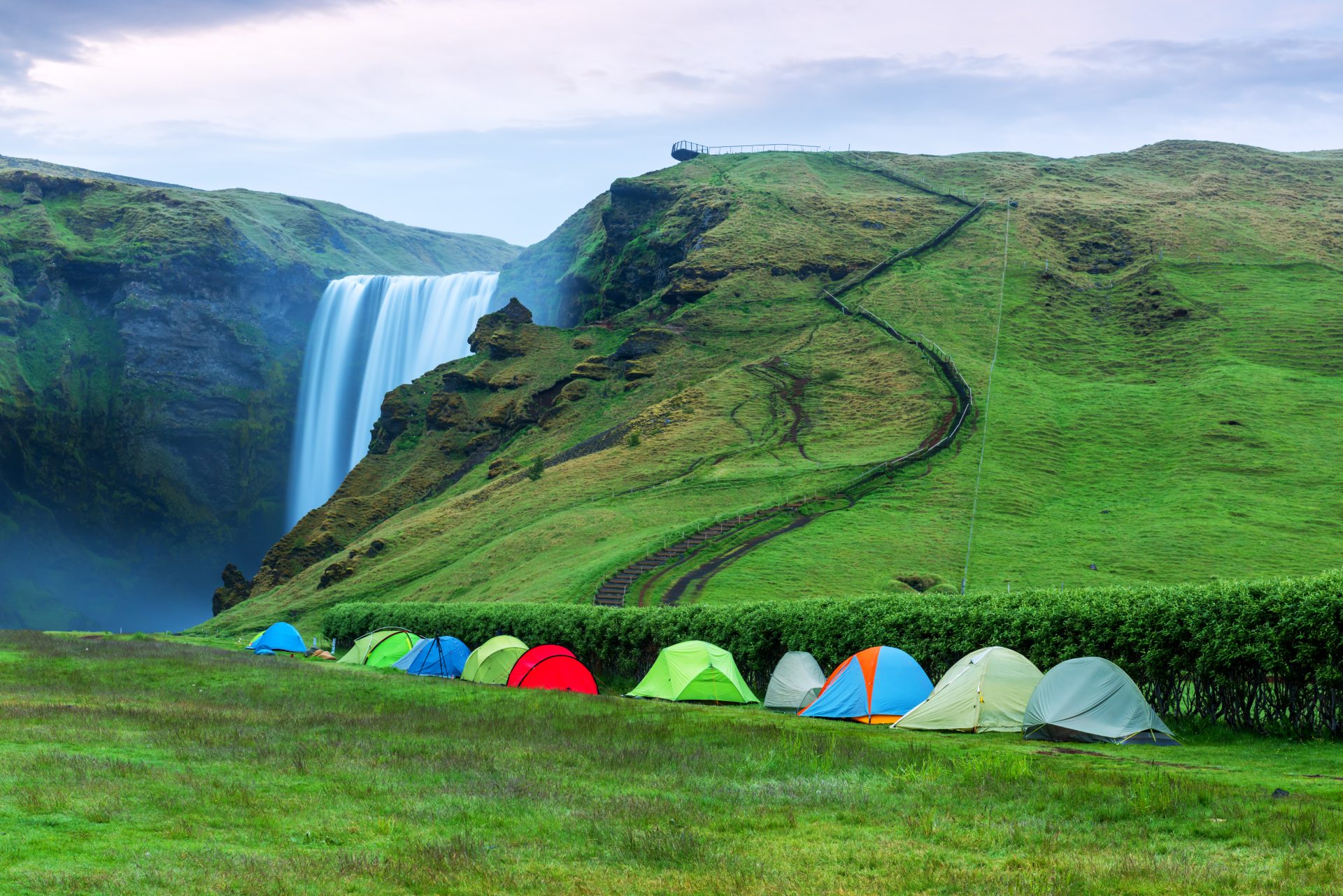
Local advice for a smooth journey
Take your time. Iceland rewards slow travel. Rushing between stops means missing the small, quiet moments that make the trip memorable.
Respect the weather. It doesn’t matter what your itinerary says if the wind is howling or snow closes the road. Locals adjust plans constantly based on conditions. Flexibility is key.
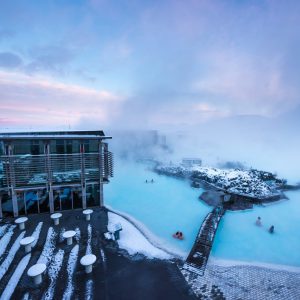
Make time for hot springs and swimming pools. Every town has one, and they are more than places to warm up. They’re part of our daily life and community. Some are large and modern, others are old and simple, but all offer a moment to relax and reflect.
Use your instincts. If a road looks unsafe or the weather turns, it’s okay to stop. Iceland isn’t going anywhere, and safety should always come first.
Plan your holiday in Iceland
Driving the Ring Road offers a rare chance to move through wild, beautiful landscapes on your terms. It’s a journey shaped not only by where you go, but how you travel.
From a local perspective, the Ring Road is both familiar and endlessly surprising. We’ve driven it dozens of times, and each trip brings something different. Whether this is your first visit or your fifth, the Ring Road has a way of leaving a lasting impression.
Take your time. Prepare well. Be open to detours and changes. And let the road show you a side of Iceland that maps alone can’t capture.