June in the Faroe Islands: Local Travel Guide for Calm Self-Drive Tours


June starts the Faroese summer, a month filled with light, calm seas, and landscapes at their greenest. Days stretch endlessly, evenings glow for hours, and driving between villages feels peaceful and easy.
For those who prefer unhurried exploration and long, scenic days behind the wheel, June is one of the best months for a summer self-drive tour in the Faroe Islands.
The roads are dry, tunnels open in every direction, and the light never really leaves the sky.

What June Feels Like
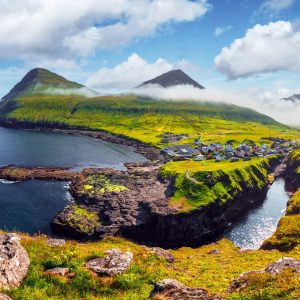
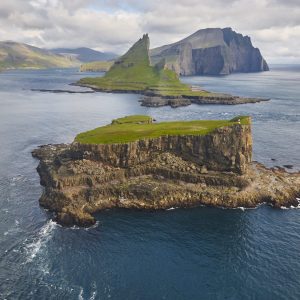
June is Faroese summer at its most graceful. The grass deepens to a vibrant green, wildflowers cover the slopes, and the air smells faintly of salt and grass.
It’s warm enough to walk without gloves and cool enough to stay comfortable even in the sun. The weather changes often, but rarely harshly: a passing shower, a burst of sunshine, and clouds constantly reshaping the horizon.
Typical June Weather:
- Average High: 11°C (52°F)
- Average Low: 6°C (43°F)
- Rain Days: 15–17
- Daylight: 19–20 hours (3:30 AM – 11:30 PM)
- Wind: Gentle to moderate
The long days are perfect for exploration. Even at midnight, twilight glows over the ocean. Locals call it “the blue hour that never ends.”
Local Tip: Although June feels like daylight all day, many guesthouses still use thin curtains. Bring a light sleep mask if you’re sensitive to brightness at night.

Why June Is Perfect for Self-Drive Tours
June offers the best driving conditions of the entire year. The weather is stable, the roads are dry, and the scenery changes with every passing cloud.
It’s an ideal time for slow-paced travelers: there is no pressure from the weather, no tight daylight windows, and no overwhelming traffic.
Why travellers love June:
- Long daylight for flexible daily planning
- Comfortable temperatures for light walks
- Minimal traffic outside Tórshavn
- All ferries, tunnels, and cafés open
- The greenest, most photogenic landscapes of the year
Local Tip: Faroese locals often take short holidays in late June. If you prefer even quieter travel, plan your visit between June 1 and 20, before the local school break begins.

Driving Conditions in June
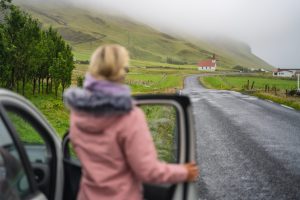
Driving in June feels effortless. Road quality across the islands is excellent, and paved routes connect every region (even remote fjords).
Driving tips:
- Keep headlights on at all times (mandatory).
- Expect sheep on rural roads, especially near curves.
- Use pull-outs when stopping for photos or letting locals pass.
- Avoid distractions; even quiet roads can have sudden dips or fog patches.
- Refill fuel when you pass larger villages; not all stations are staffed after 10 PM.
Parking is free almost everywhere, except for designated areas in central Tórshavn and at some popular viewpoints, where small day fees apply.
Local Tip: Slow down if you meet sheep on the road, but don’t honk. They move more calmly if you simply wait. Local drivers wave when passing – do the same (it’s considered polite).

Where to Base Your Trip
In June, the whole archipelago is accessible, so you can plan multi-base itineraries that balance comfort and variety.
Suggested bases:
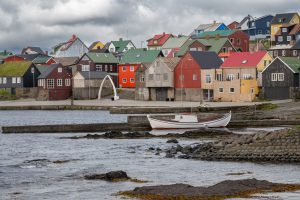
- Tórshavn: the capital and cultural hub, ideal for museums, dining, and short daily drives.
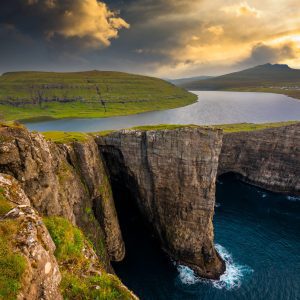
- Vágar Island: convenient for the airport, Gásadalur, and the Sørvágsvatn hike.
- Klaksvík: northern gateway for Kalsoy and Viðoy, surrounded by stunning fjords.
A relaxed 7–10-day trip with 2–3 nights in each region provides time for scenic drives, gentle walks, and cultural stops without repetition.
Local Tip: Guesthouses on smaller islands often close bookings early in summer. If you prefer rural stays, book at least one month ahead.

What to Pack
Packing for June is simple: focus on comfort, flexibility, and layering. The weather is mild, but wind and mist can still appear unexpectedly.
Essentials:
- Lightweight waterproof jacket
- Fleece or wool sweater
- Comfortable walking shoes
- Sunglasses and sunblock
- Hat or cap
- Compact thermos for coffee or tea
Optional but useful:
- Binoculars for bird watching
- Lightweight picnic blanket
- Small tripod for long daylight photography
Local Tip: Bring a small, quick-dry towel. It’s handy for wiping camera lenses or car windows after sea mist (a common trick among Faroese drivers).

Best Self-Drive Routes in June
Every road feels scenic in June, but a few are special for relaxed self-drivers.
1. Vágar Island Circuit
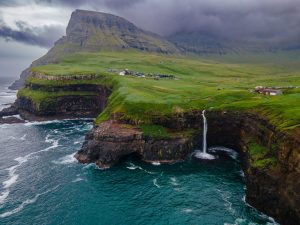
Explore Bøur, Gásadalur, and Sørvágsvatn. The drive is short yet breathtaking. Visit early in the morning for calm light or late in the evening for sunset glow.
2. Streymoy–Eysturoy Loop
Through the Eysturoy Tunnel to Eiði, Funningur, and Gjógv. These winding roads are smooth, quiet, and open, with easy café stops and incredible cliff views.
3. Klaksvík and Kalsoy
Ferry from Klaksvík to Kalsoy to see the famous Kópakonan statue. Roads on Kalsoy are narrow but paved, with pull-outs and little traffic.

4. Tórshavn to Kirkjubøur
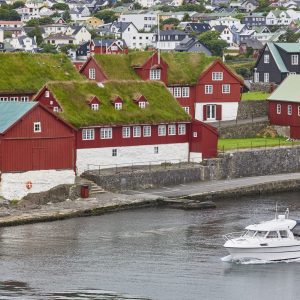
A gentle coastal drive to one of the Faroes’ oldest villages. Turf-roof houses, the medieval church ruins, and sea views make it a peaceful afternoon outing.
5. Norðradalur Viewpoint
From Tórshavn, take the steep but short drive to this panoramic viewpoint. You’ll overlook twisting fjords, sea cliffs, and far-off islands, a local favorite.
Local Tip: Locals often drive to Norðradalur around 10 PM for the best “midnight light.” The road is safe, and you’ll likely have the entire viewpoint to yourself.
7. Nature and Wildlife in June
June brings the Faroese landscape fully alive.
- Puffins fill cliff edges on Mykines and Vágar.
- Sheep and lambs graze freely along roadsides.
- Oystercatchers call across the meadows.
- Fulmars and guillemots nest on cliffs.
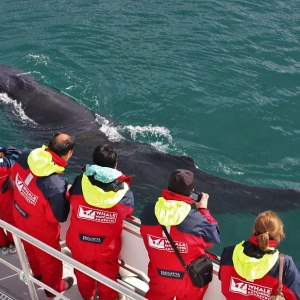
- Whales and dolphins sometimes appear near ferry routes.
It’s a paradise for nature photographers and quiet observers. However, always maintain a respectful distance, especially from nesting birds.
Local Tip: Bring binoculars or a camera zoom lens for puffin watching. Locals never approach nests directly; even standing quietly 10–15 meters away can disturb them.

Cultural Stops and Local Encounters
By June, the Faroese calendar fills with local life: art exhibitions, music events, and the slow rhythm of everyday island culture.
Cultural and social stops:
- Nordic House (Tórshavn): concerts, literature readings, and summer art shows.
- National Museum: Viking artifacts and a recreated turf-roof farmstead.
- Listasavn Art Museum: classic landscape paintings and rotating exhibitions.
- Local wool and craft shops: handmade sweaters and modern Faroese design.
Local Tip: Ask at your accommodation or café about local events. Many community concerts and storytelling evenings aren’t advertised online, but welcome visitors warmly.

Food and Dining
June starts the full dining season, when restaurants open daily and menus highlight fresh, local ingredients.
What to try:
- Pan-fried cod or salmon with new potatoes and herbs.
- Faroese lamb, slow-cooked in broth or grilled.
- Rhubarb desserts and pancakes.
- Fresh coffee and waffles in harbor cafés.
Where to eat:
- Áarstova and Roks (Tórshavn): modern Nordic dining.
- Barbara Fish House (Tórshavn): historic setting with ocean views.
- Fríða Café (Klaksvík): casual meals and excellent cakes.
- Paname (Tórshavn): relaxed café with sea views.
Local Tip: In Faroese culture, lunch is light and early (11 AM–1 PM). Many cafés close mid-afternoon, so plan your main meal in the evening.

Sample 7-Day Self-Drive Itinerary
Day-Based Highlights:
- Vágar: Arrive, explore Gásadalur and Bøur
- Vágar: Lake Sørvágsvatn viewpoint, drive to Tórshavn
- Tórshavn: Kirkjubøur, museums, and Nordic House
- Tórshavn: Saksun, and Tjørnuvík day trip
- Eysturoy: Drive through the tunnel to Gjógv and Eiði
- Klaksvík: Ferry to Kalsoy, visit Kópakonan
- Klaksvík: Leisurely return via tunnels to Tórshavn
All driving days are under two hours each way, leaving time for cafés, photography, and gentle walks.
Local Tip: If the weather turns foggy, reverse your day plan. Coastal villages often clear before mountain passes, and vice versa. Flexibility is the local way of life.

Frequently Asked Questions
Who is June in the Faroe Islands best suited for?
June suits travellers who prefer soft early summer colours, calm roads, and a slower pace. Mature visitors especially appreciate the gentler atmosphere, cooler air, and the feeling that the islands are only just awakening from winter. It is a month for people who like room to breathe rather than festival energy.
Is there still winter ice on the roads in June?
By June, winter conditions are gone from almost all roads. High ridges and mountain viewpoints may hold small patches of old snow, but the driving surfaces are clear and safe. Tunnels stay dry year-round and offer consistent conditions in any weather.
How dark does it get at night in June?
June nights never turn truly dark. A soft silver twilight replaces night, and the sky often glows faintly until morning. Visitors who prefer darker sleeping conditions should pack a sleep mask, especially if staying in rural guesthouses with light curtains.
Are prices lower in June compared to July?
Accommodation and car hire often cost slightly less in June than in the peak weeks of July. Restaurants and tours typically keep the same prices, but availability is better, and you can often enjoy the islands in a more relaxed rhythm.
Are there roadworks or seasonal closures in June?
Roadworks sometimes begin in June, but they are usually limited to short stretches and rarely disrupt travel. The main roads between Tórshavn, Eysturoy, Vágar, and Klaksvík remain fully open and well-maintained.
What places make the best base in June for first-time visitors?
Tórshavn is ideal if you want easy access to cafés, museums, and harbour walks. Vágar suits visitors who prefer nature at their doorstep with quick access to Mykines, Gásadalur, and quiet coastal viewpoints.
What birds can I see in June besides puffins?
June is lively with birdlife. Oystercatchers call loudly in fields, Arctic terns glide low near water, and fulmars nest on sea cliffs. You may also see guillemots resting on rock ledges as you drive the coastal roads.

Are paths dry enough for walks in June?
Most walking paths are firm and easy to follow by June, although some grass and peat routes may still feel spring-soft after rain. Good waterproof shoes make short scenic walks more comfortable.
What is Tórshavn like in June compared to July?
Tórshavn in June feels gentle and residential, with locals taking morning coffee outdoors and harbour workers preparing for summer. July brings visitors and events, while June retains a quiet, local charm.
How busy are petrol stations at this time of year?
In June, petrol stations rarely feel busy, even at midday. It is still wise to top up when you pass through larger towns, as many rural areas lack fuel pumps.
Are supermarkets well-stocked in June?
Yes. Supermarkets offer full shelves in June, including local produce, baked goods, and fresh fish. If you are self-catering, June is an easy month for preparing simple meals.
Is June a good month for a first visit to the Faroe Islands?
Absolutely. June offers mild weather, minimal traffic, and long daylight hours, allowing flexible planning. It is an excellent introduction to the Faroes without the intensity of midsummer.
What is visiting museums like in June?
Museums and heritage centres feel peaceful, giving you space to absorb exhibits at your own pace. Staff often have more time for conversation and personal recommendations.
Is there much cruise traffic in June?
Some cruise ships visit in June, but far fewer than in July and August. Even on cruise days, escaping to smaller villages is easy, and most roads remain quiet.
How flexible should my daily plans be in June?
June invites flexibility. Use the extended daylight to your advantage: follow clear skies to one region and explore another the next day if the weather shifts.

Tunnels, Ferries, and Helicopter Transport
The Faroe Islands’ infrastructure makes June travel exceptionally easy. Modern tunnels and ferries connect even the most remote islands, and helicopter routes offer affordable shortcuts with unforgettable views.
Tunnels
There are 21 tunnels across the Faroes, including three undersea links.
- Vágatunnilin: Vágar ↔ Streymoy
- Norðoyatunnilin: Eysturoy ↔ Borðoy (Klaksvík)
- Eysturoyartunnilin: Streymoy ↔ Eysturoy
All tunnels use license plate cameras to register tolls. Pay online or ask your rental company to handle payment automatically.
Local Tip: If you plan to drive through several tunnels, buy a prepaid AutoPay pass. It’s cheaper than paying each time.

Ferries
Car ferries operate on full summer schedules in June.
- Klaksvík ↔ Kalsoy, duration: 20 min, frequency: 5–8 daily
- Mykines Ferry (Sørvágur), duration: 45 min, frequency: 1–2 daily, weather dependent
Book in advance. The Mykines ferry often sells out in June, so reserve early if puffin watching is on your list!
Local Tip: For Mykines, arrive at the ferry 45 minutes before departure. Locals line up early because seating is first-come, first-served.
Helicopter Service (Atlantic Airways)
The Faroese helicopter network, operated by Atlantic Airways, offers short, scenic flights to the outer islands. These routes are public transport: inexpensive, functional, and stunning.
- Vágar ↔ Mykines, duration: 15 min
- Tórshavn ↔ Klaksvík, duration: 20 min
- Tórshavn ↔ Fugloy, duration: 25–30 min
Flights run several times per week, with reduced service on weekends.
Local Tip: Helicopter tickets are subsidized for locals, so visitors can only book one leg per day on each route. Plan to fly in one direction and return by ferry. It’s both scenic and authentic.

June in the Faroe Islands is the season of light, ease, and freedom. Every road is open, every café awake, and every view feels alive under the endless sky. It’s pure simplicity for self-drive travelers: no snow, no stress, and all the time in the world. June invites you to slow down, breathe deeply, and watch the light stretch across green hills that never seem to fade.